What that rust at the sheet ends is telling you
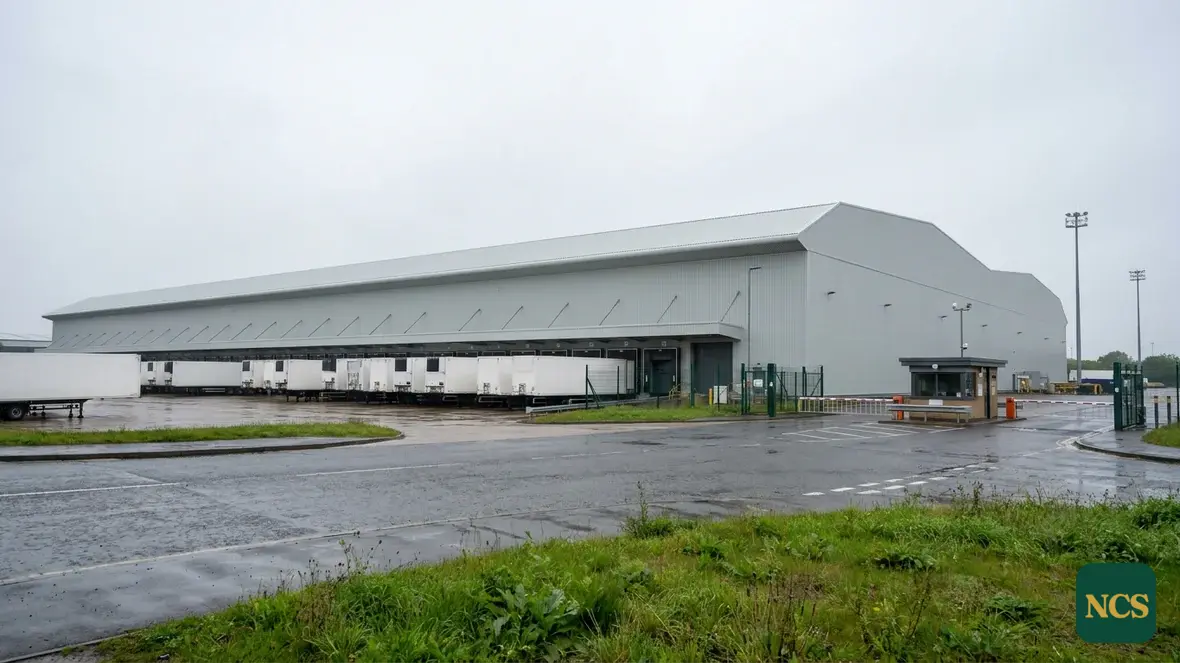
Look across the many warehouses, logistics sheds and industrial estates around London and you’ll spot it often: coated metal roofs that look fine across the main face, but are rusting badly at the sheet ends. We call this cut edge corrosion. It’s not down to poor fitting; it’s a manufacturing thing. Those profiled steel sheets get cut to length after they’re coated, so the cut exposes bare steel at every sheet end and along the side laps. The main coated surface is well protected, but that raw edge never was, because no coating can wrap a line that’s created after the coating has gone on.
From that exposed steel, rust starts, then creeps back under the coating, lifting it off the metal as it goes. That brown stain you see from the loading yard? That’s only the bit that’s already broken through. The damage usually runs much further underneath.
City air and ageing industrial stock
The metal roofs where we see this most are generally on outer-London logistics parks and the older industrial estates, not so much in the city centre. The main culprits are the age of much of that steel-clad stock, and a damp, often grimy urban atmosphere that stops the sheets from drying out properly. Pollutants and constant moisture sit in the overlaps, where capillary action holds water in the joint. Decades of thermal movement, as the sheets heat and cool, work that corrosion front up from the gutter line. North-facing laps that stay shaded and damp are often where it shows up first.
The case for treating it early
When the rust is still shallow, treating it is a localised job and causes minimal disruption. We clean the affected edges mechanically, right back to sound metal. Then we treat, prime and seal them with a flexible coating system that’s designed to move with the sheet. The rest of the roof stays in use, and your building keeps running as normal. Once a sheet perforates, that option is gone. No coating will recover a sheet that’s rusted right through. Then you’re looking at replacement: access gear, stripping out, new sheets, and serious disruption inside a building that often runs to a tight schedule. The difference in cost and downtime between a simple edge treatment and a full re-sheet is exactly why acting early pays off.
For London buildings with red staining along the sheet ends, the honest fix is edge treatment and repair now, not a full recoat later.
Signs to check before they spread
- Brown staining along the eaves, visible from ground level
- Coating lifting or curling at the sheet overlaps
- Rust rings around the fixings near sheet ends
- Rust flakes or coating fragments in the gutters
- Damp patches or drips inside the building under the laps
Each of these points to a problem rather than defining its extent. To get a reliable answer, we need to survey it. That means getting up on the roof, carefully opening the worst laps where it’s safe to do so, and working out how far the corrosion has actually run beneath the coating.
Our honest position when a roof is finished
We always survey before we quote. Sometimes, that survey means we walk away from an easy job. If sheets are perforated, if the corrosion has travelled a long way under the coating, or if the underside is rusting where no treatment can reach, we tell you straight. Coating over a failed sheet is just wasted money; it will lift again within a season. The honest options then are either replacing the worst sheets and treating the rest, or an overlay if the roof as a whole has genuinely reached the end of its useful life. Where the edges are failing and the faces are chalking and fading too, dealing with the London cut edge corrosion as part of a full roof coating is usually better value, protecting the whole surface in one visit. We’re based in the South-East and work across the UK, including on roofs in and around London, and every recommendation we make comes directly from what our survey actually finds.
Recently — July 2026
With surfaces staying dry for longer, summer lets us prepare and coat a roof in a single planned visit rather than working around showers.
Recent enquiries here have been a mix of metal industrial roofs, profiled cladding and ageing asbestos-cement sheets, all assessed on a free site survey before anything is specified.