Cladding spraying across London
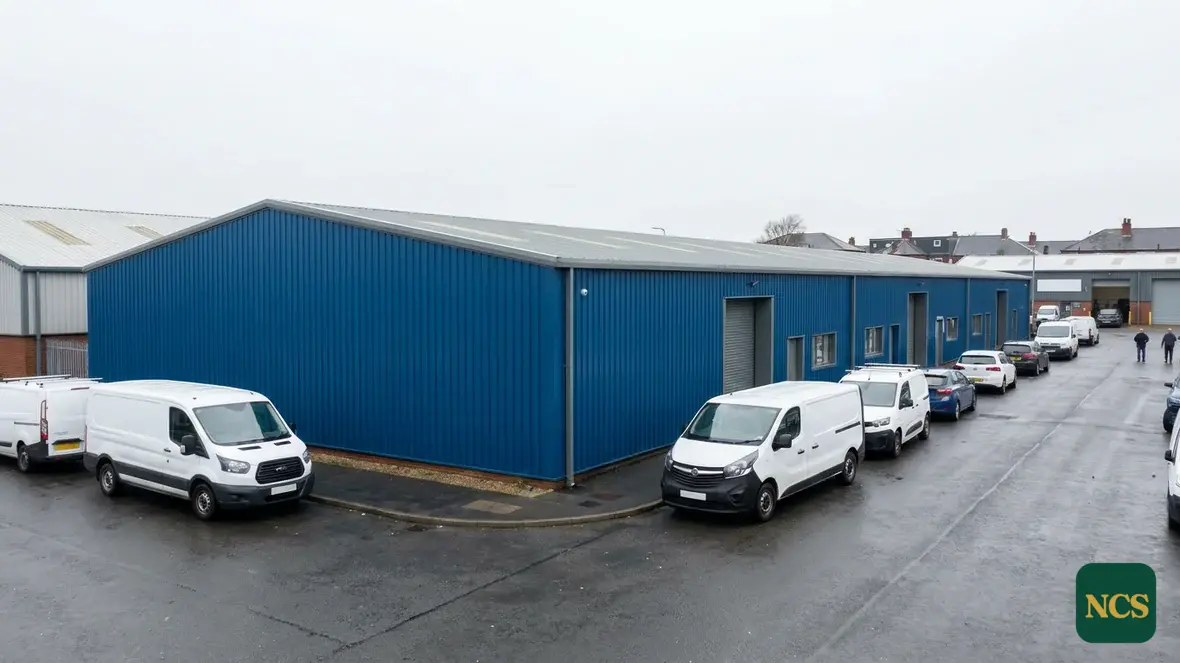
Scale is what sets the capital apart. Cladding spraying in London covers everything from a single trade-counter unit to multi-elevation industrial estates. The buildings come with complications the rest of the country sees less often: shared access, neighbouring premises in constant use, restricted hours and tight boundaries on every side. None of that changes the fundamentals. Where steel or composite cladding is sound but its finish has faded or chalked, an on-site respray remains far cheaper and far less disruptive than replacement.
It does change how the work has to be planned. That’s why every London project we take on begins with a survey of both the building and the site around it.
London buildings, London constraints
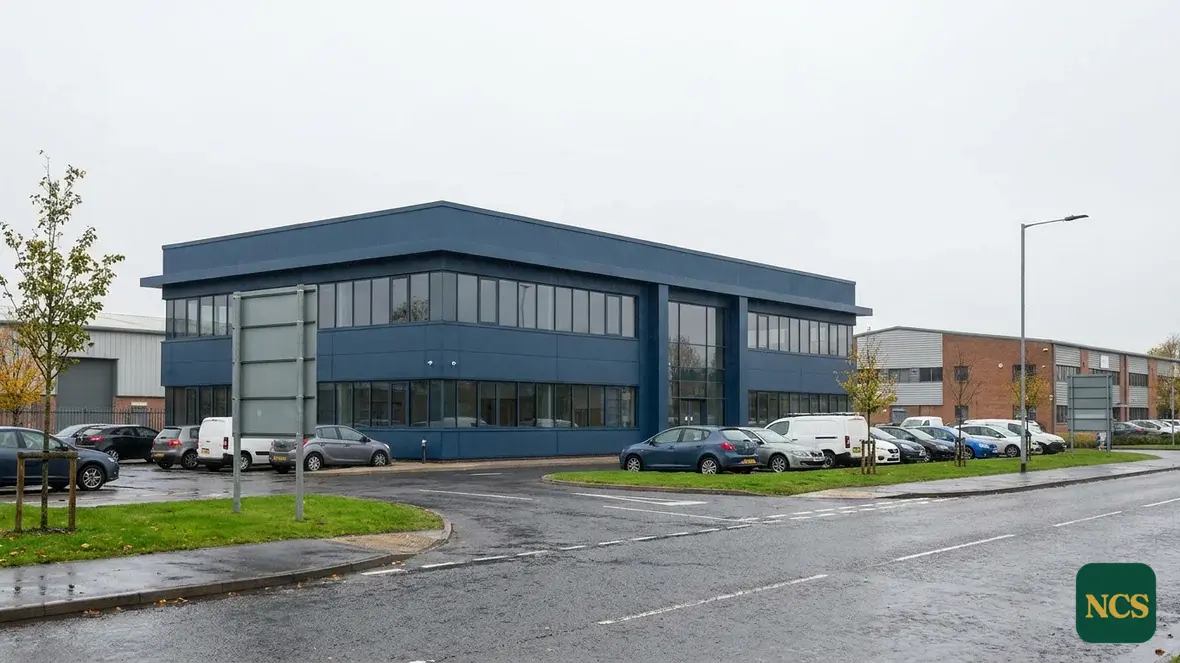
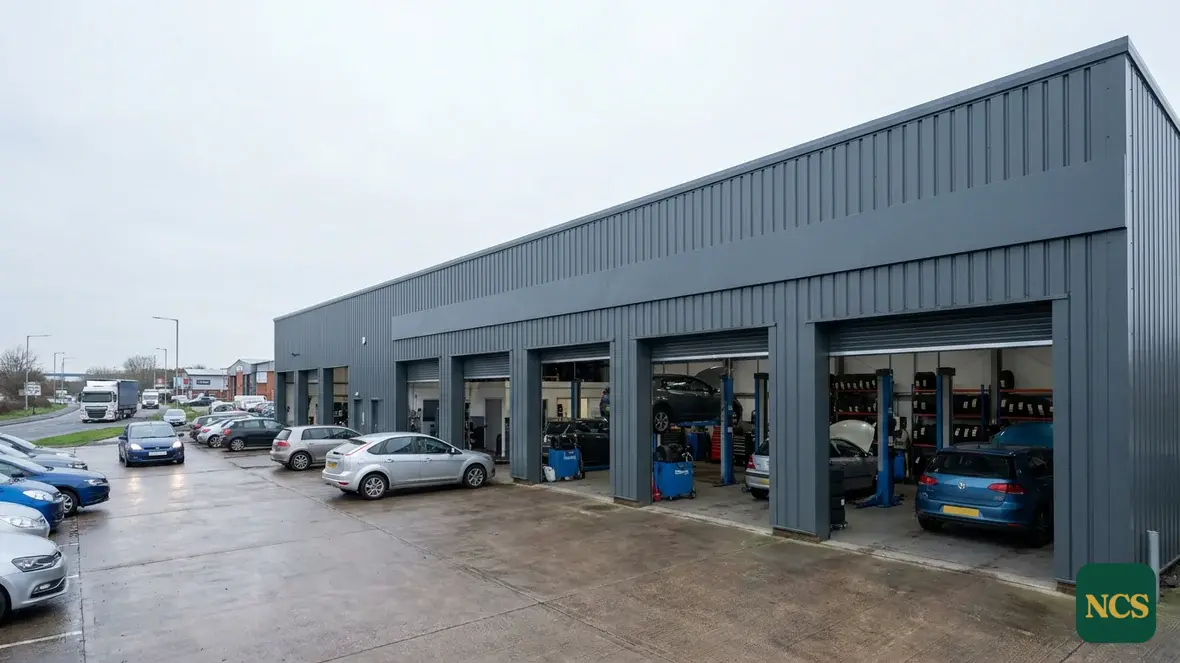
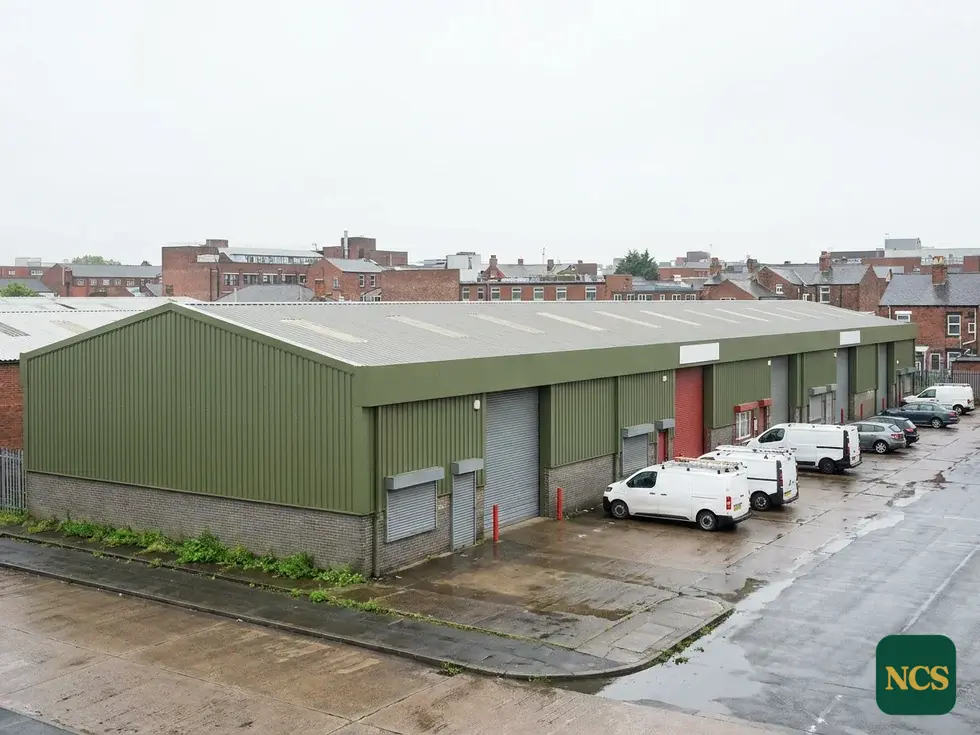
The capital’s clad stock concentrates around its edges and arteries: industrial and distribution estates along the orbital corridors, trade parks, retail sheds, self-storage and leisure buildings, and office facades in profiled or composite panel. Age and condition vary street by street, from 1970s sheet steel on its second or third owner to relatively recent units whose south-facing elevations have already lost their colour. Some of it is roof as well as wall, and we usually survey the two together.
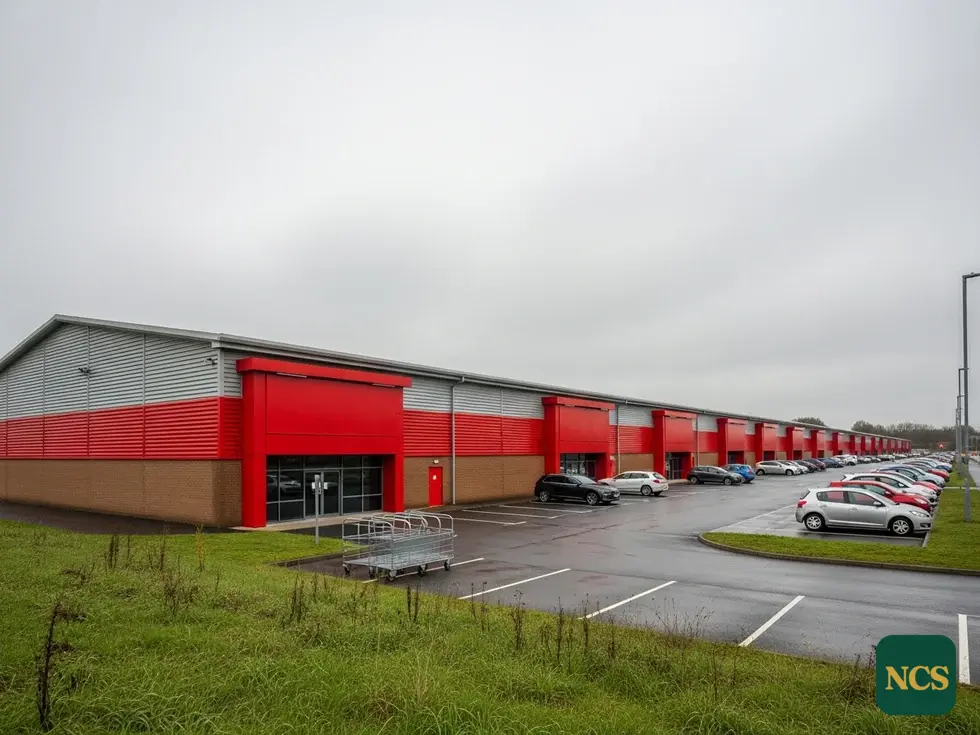
Mixed-age estates bring a cosmetic problem of their own: units recoated at different times in slightly different colours, until the whole estate looks pieced together. A planned respray across several units restores a single scheme in one programme, which is often what landlords are really buying.
In Greater London the limiting factor is rarely the coating. It’s the logistics. Overspray control near parked cars and pedestrians, working around occupied premises and agreeing hours with neighbours are as much a part of the specification as the paint system itself.
The survey-led process on a London site
The survey therefore looks at more than panel condition:
- Substrate type, coating adhesion and the extent of any corrosion
- Repairs needed before recoating: sheets, flashings, sealants, fixings
- Access strategy, from towers and booms to working in restricted hours
- Containment and masking to protect vehicles, glazing and neighbours
- A realistic programme the site can actually support
Everything is quoted from that record before work begins. The method is identical whether the building is in Croydon, Wembley, Enfield or Romford, or anywhere else inside the M25 and beyond it. On occupied estates we also agree the communication up front: tenants told when their elevation is due, parking suspended only where genuinely needed, and access kept open throughout.
Where a London elevation mixes sound panels with damaged ones, the survey maps which get repaired, which get resprayed and which have to be replaced.
The jobs we turn down
We also say no. A coating cannot rescue panels that corrosion has perforated, composite sheets that are delaminating, or facades whose fixings have reached the end of their life. Sometimes the honest answer to a tired building is remedial work first. Where fire-performance or regulatory questions hang over a cladding system, those questions belong with the building’s professional advisers before anyone discusses colour.
If the survey says a respray would be the wrong move, the report will say exactly that, with the reasons set out so you can act on them. That filter protects buyers as much as it protects us.
Why survey-led matters more in the capital
In London, the gap between a smooth project and a difficult one is almost always planning rather than paint. A contractor who has surveyed the site has already answered the questions that stall city jobs: where the access comes from, what gets masked, when the work can run and what condition the substrate is really in. Out-of-hours and weekend working is routine where daytime access is impossible, and the survey establishes early whether that applies.
That is the value of survey-led working here. If you are responsible for clad commercial property anywhere in the capital, start with the inspection and the rest of the project follows in order.