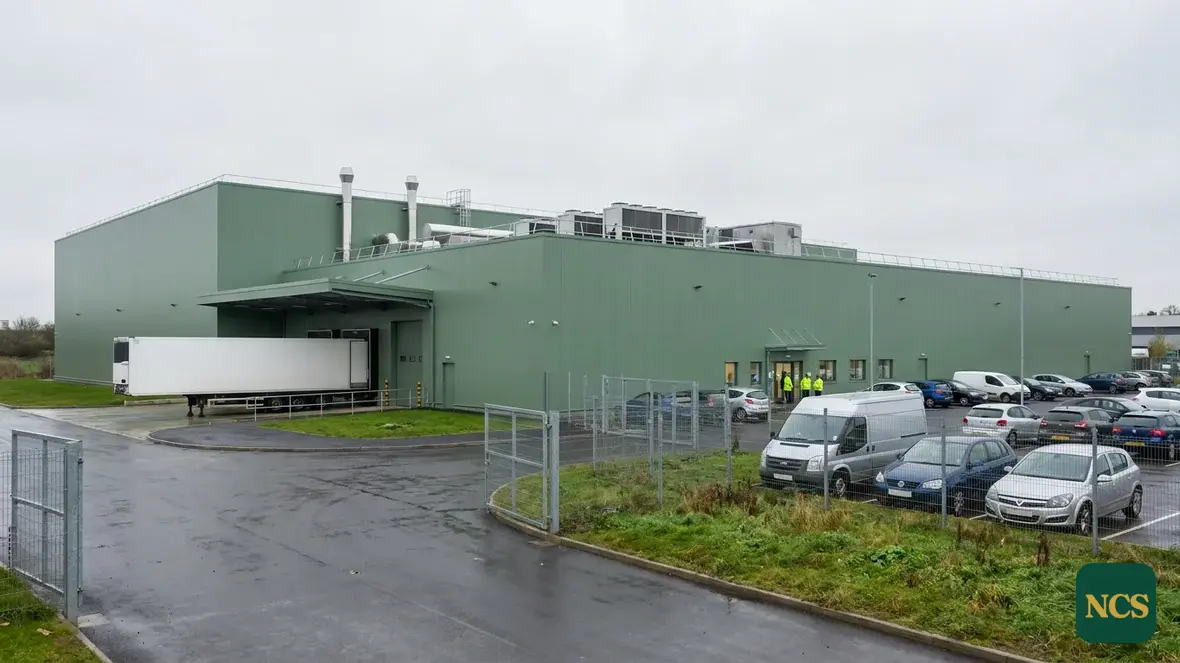
Commercial roof coating in London
London’s commercial roofs are all different. No two are quite alike and the constraints around them vary hugely: tight access, close neighbours, expensive downtime, and buildings spanning centuries of construction. Commercial roof coating in London works with those constraints, not against them. The existing roof stays on, scaffolding and crane needs shrink compared to replacement, and the building keeps running underneath while we get on with the job. We take a survey-led approach to every enquiry because on roof stock this varied, generic answers fail fast.
The capital’s roof stock, honestly described
You’ll find all sorts across Greater London’s commercial roofscape: flat asphalt and felt roofs on office and mixed-use blocks, single-ply membranes on more recent builds, concrete decks, Victorian and Edwardian warehouses and industrial buildings re-roofed in layers over generations, and steel-framed sheds with profiled metal roofs on the industrial estates towards the edges of the city.
Each substrate ages in its own way. Asphalt crazes and cracks, felt blisters and sheds its mineral surface, profiled steel corrodes at cut edges and fixings, membranes give way at seams and details. Age alone decides very little here: a well-detailed asphalt roof from the sixties can outlast a poorly installed membrane from twenty years ago. Liquid-applied and spray-applied coating systems exist for all of these surfaces. Whether your roof is a sound candidate depends on what’s happening beneath the top layer. Nobody can tell you that from street level or a satellite photo.
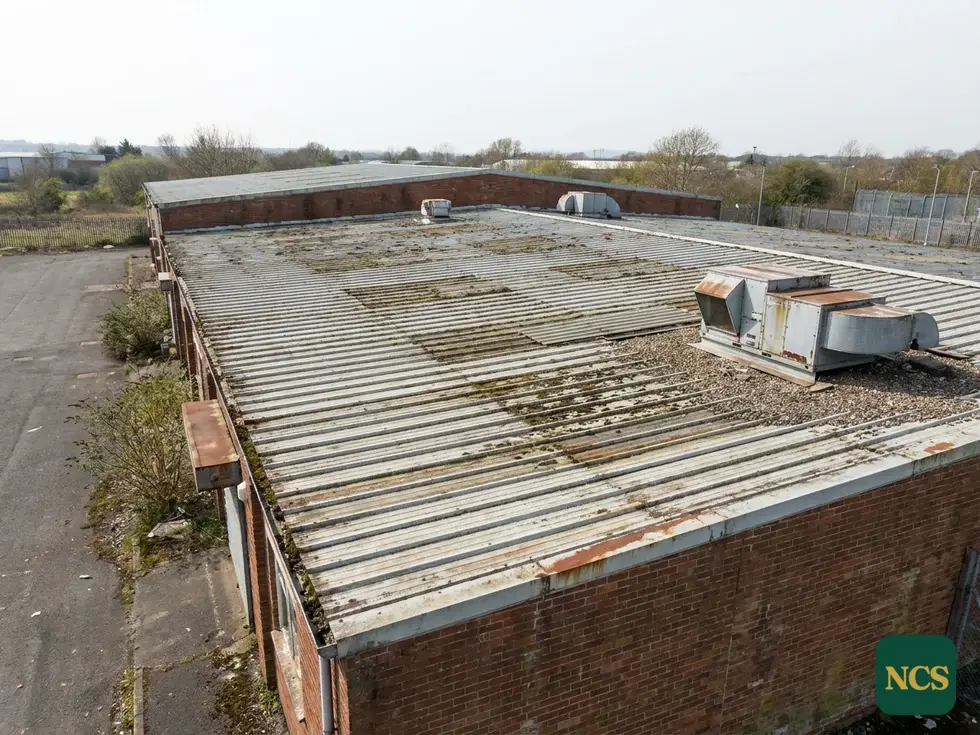
Survey first, everything else after
We always start with a survey visit: a physical inspection, moisture readings on flat areas, checks on seams, laps, fixings, upstands, outlets and flashings, and a photographic record of every defect. We survey across Greater London, from Croydon and Wembley to Enfield and Romford, and we plan visits around your building’s operating hours where access demands it. On occupied buildings that matters as much as the inspection itself: tenants, deliveries and parking all have to be worked around. We need to think about that before the survey, not after the contract is signed.
The report tells you plainly whether coating is appropriate, what preparation and repairs come first, and which system suits the substrate. If the roof needs something else, the report says that instead, in the same plain terms.
Roof painting enquiries from London usually turn out to need some repair first, and the survey works out what gets fixed before anything is sprayed.
Roofs we decline to coat
Honesty is cheaper than failure. We advise against coating where:
- Moisture readings show insulation or build-up layers already saturated.
- The deck itself is failing, whether timber, metal or concrete.
- Ponding is caused by structural deflection that a coating cannot correct.
- The existing covering is too unstable or fragile to prepare properly.
In those situations a coating would buy a year or two of cosmetic cover at the price of a proper repair. We’d rather lose the job than do that to a client’s building. The survey findings are handed over either way, photographs included, for you to use as you see fit.
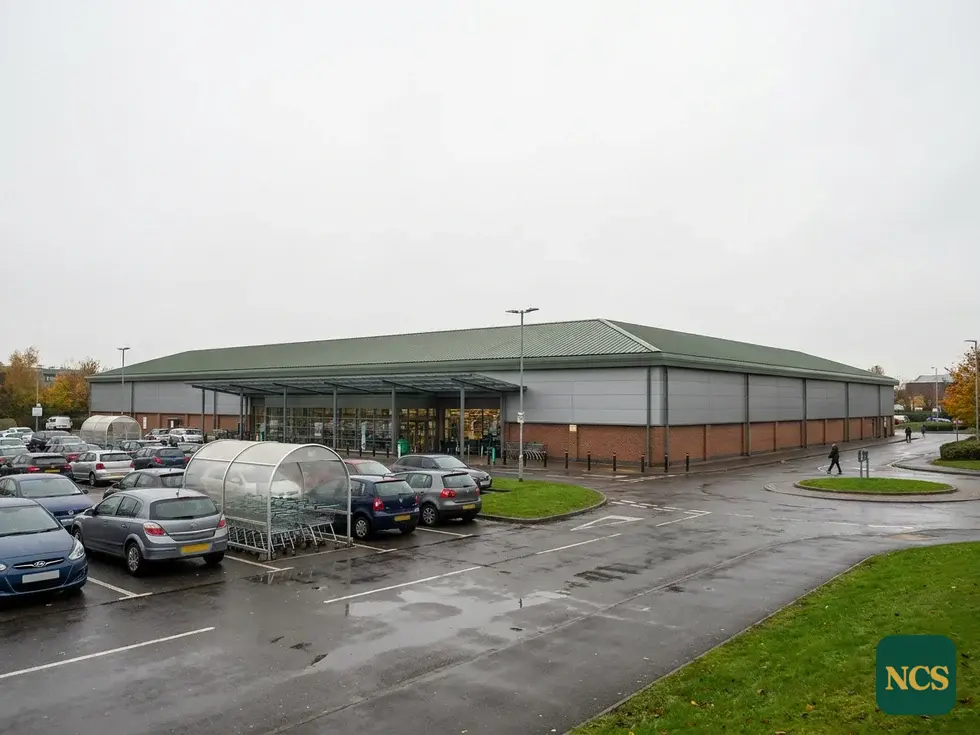
What survey-led means for a London building owner
It means the order of events protects you: evidence, then recommendation, then price. It means the specification is written against the measured condition of your roof rather than copied from a standard template. And it means that when the right answer is not to coat, you hear it directly and in writing, before any money changes hands.
For managing agents and freeholders weighing coating against replacement on buildings that cannot afford to close, that sequence is the difference between a maintenance decision and a gamble. London roofs carry enough risk already. The contractor assessing them should not add to it.