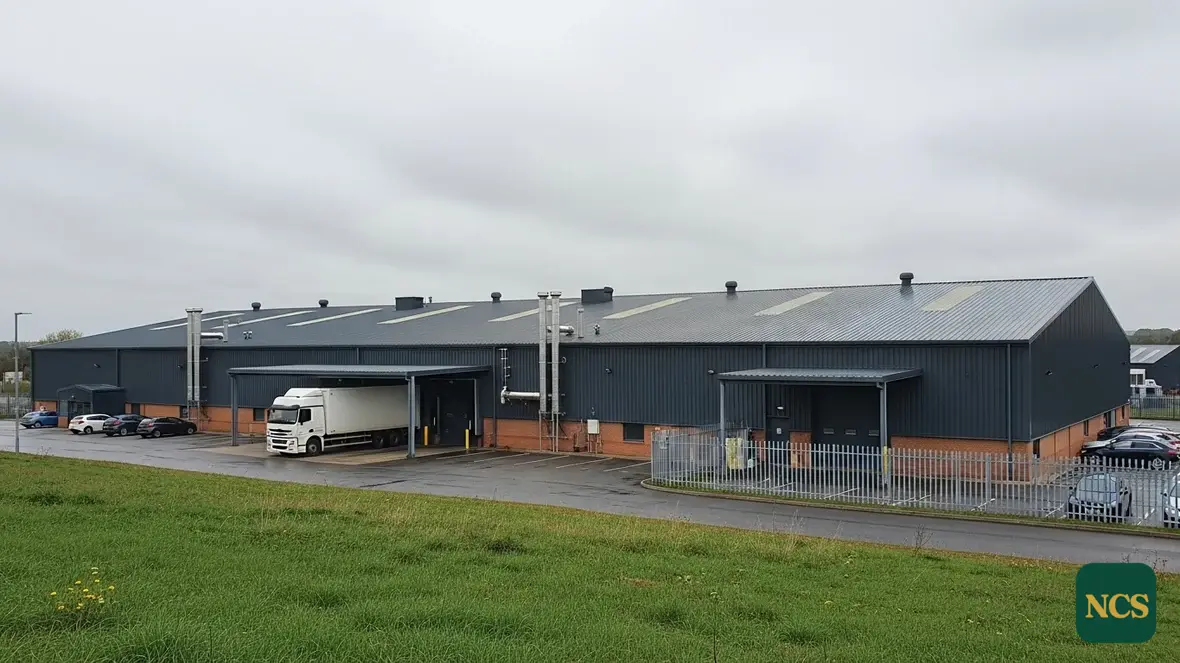
Industrial property in London ranges from inter-war estates inside the North and South Circulars to modern logistics sheds at the orbital edges, with everything between: yards beside railway land, multi-let estates, last-mile depots and older manufacturing units that have changed use three times. What most of them share is a profiled metal roof that is older than anyone’s tenure and a cost of downtime that makes replacement genuinely painful. That combination is why industrial roof coatings get serious attention from facilities and estates teams in the capital.
Why downtime economics favour coating in London
Stripping and replacing an industrial roof means weeks of exposure under temporary coverings, crane movements, waste runs through congested streets and, for many occupiers, an operational shutdown they cannot absorb. Coating removes most of that equation. The existing roof stays in place and watertight, the work proceeds from above in phases, and the yard keeps functioning. On multi-let estates the difference is even sharper, because one tenant’s roof project does not become every tenant’s problem.
Around London we coat and paint profiled metal roofs on working factories, planned so production carries on underneath.
The condition problems city stock shows
Age, not climate, is the main enemy here. Cut-edge corrosion along sheet overlaps is near-universal on metal roofs past their second decade: the unprotected cut ends rust back beneath the finish and eventually thin the sheet. Add perished fastener washers, gutters that have outlived their linings, and rooflights gone brittle, and you have the standard defect list we record on surveys across the city. Urban grime adds one extra step, because thorough cleaning and preparation matter even more when years of airborne deposits sit on the roof surface.

Working on tight, busy and multi-let sites
London sites bring practical constraints that shape how we plan:
- Access equipment chosen for tight yards and shared service roads
- Exclusion zones agreed per tenant rather than per estate
- Deliveries, waste collections and shift changes worked into the programme
- Phased areas so no occupier loses a loading door for long
- A single point of contact for managing agents and site teams
None of this is exotic, but it has to be planned rather than improvised, which is another argument for a survey visit before any pricing conversation.
The straight answer: when coating does not stack up
Plenty of roofs here are good candidates. Some are not, and we say which is which. Widespread perforation, corrosion into the structure, saturated insulation within built-up systems, or fibre cement in poor condition all mean the money belongs in repair or replacement, not coating. Equally, if a landlord is about to redevelop, a coating system intended to serve for years may be the wrong spend even on a suitable roof. Our report gives the condition findings and the recommendation separately, so you can make the commercial call with clean information.
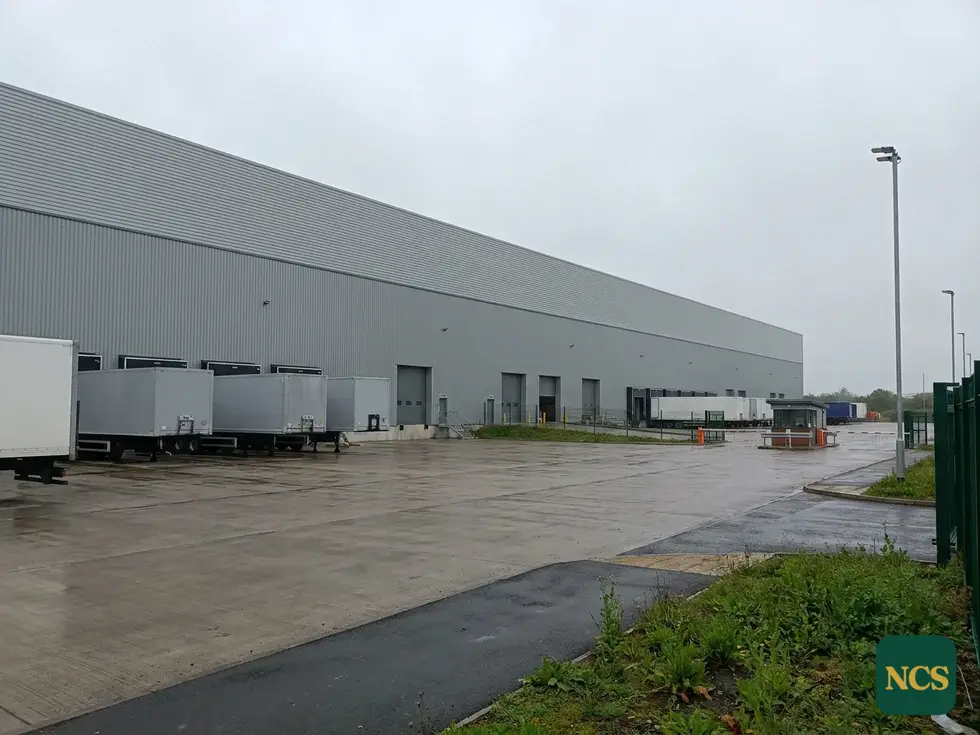
Survey-led, South-East based
We are based in the South-East, so London is home ground, and every project starts with a roof survey rather than an estimate from satellite photos. The survey establishes the spread of cut-edge corrosion, fixing and gutter condition, adhesion of the existing finish and any evidence of deeper failure. You receive a written report either scoping the coating work or telling you honestly that coating is not right for this roof. For estates teams juggling tenants, leases and budgets across the city, that clarity is the useful part.