The countryside around Leicester is classic mixed Midlands farming: gently rolling fields running between the villages, arable and livestock side by side, and farmsteads that have grown a building at a time across several generations. National Coating Specialists is a survey-led exterior coating contractor working across England from a South-East base, and the everyday mix of farm buildings around Leicester is exactly the sort of stock that benefits most from coating done properly rather than guessed.
How mixed-farm buildings age near Leicester
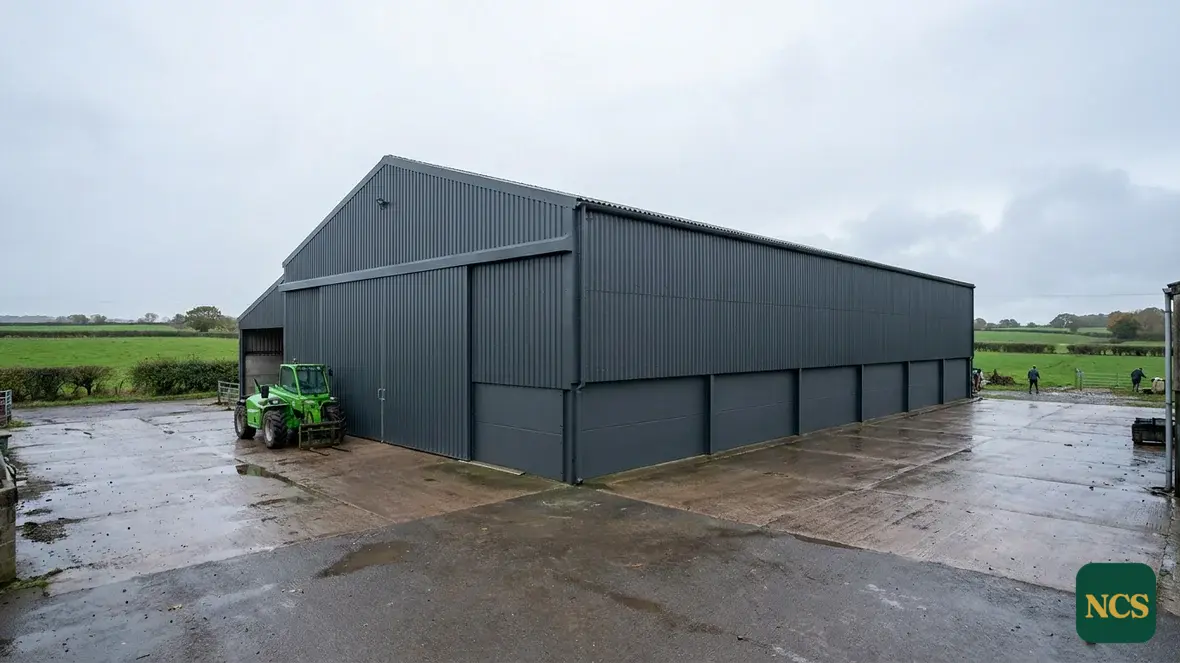
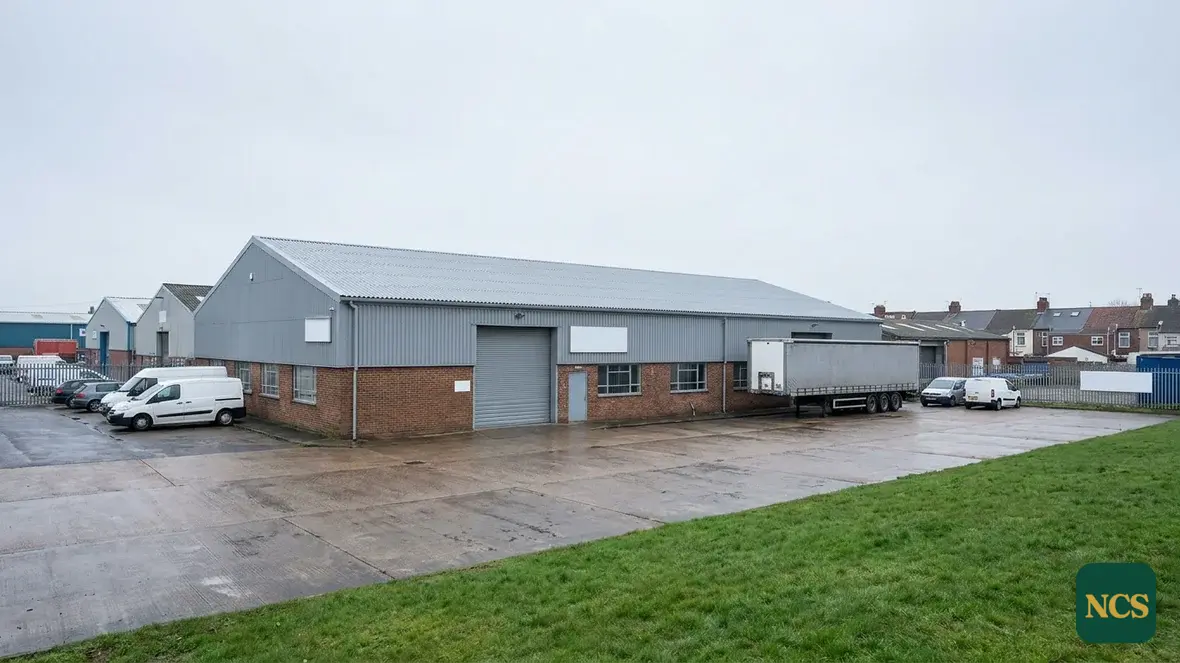
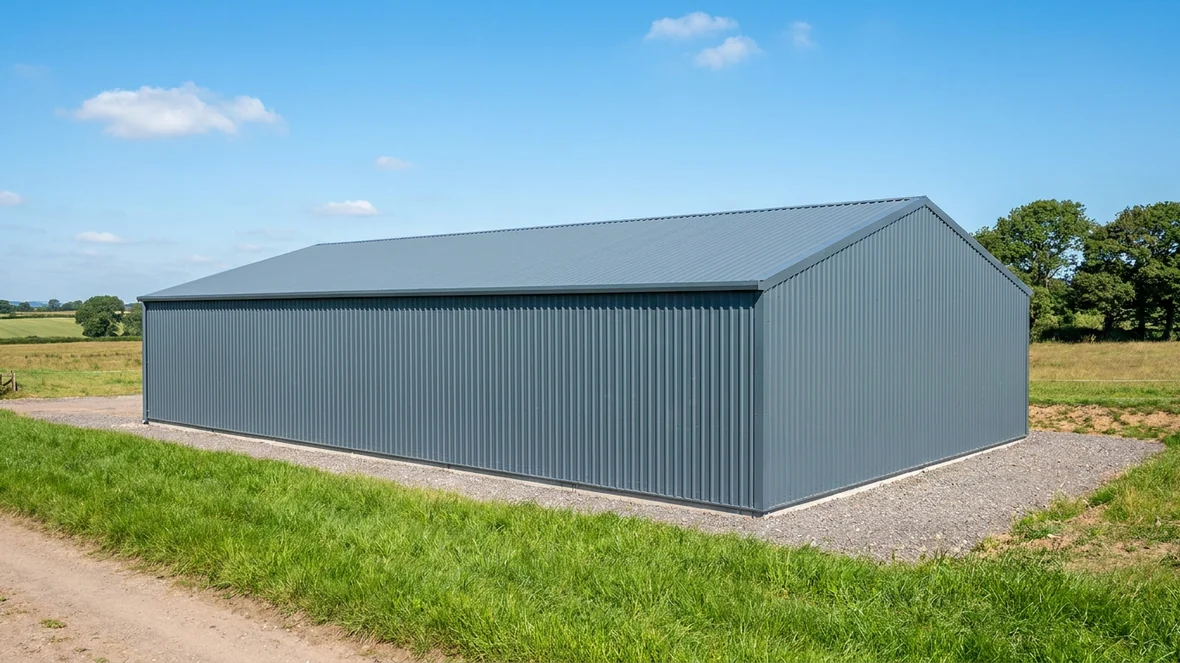
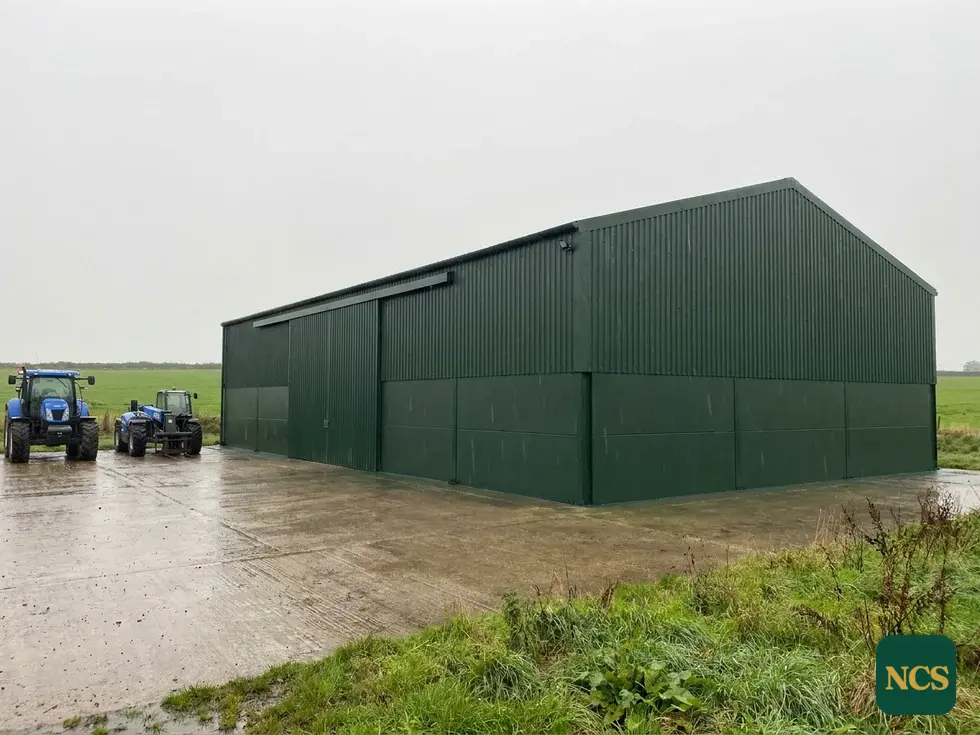
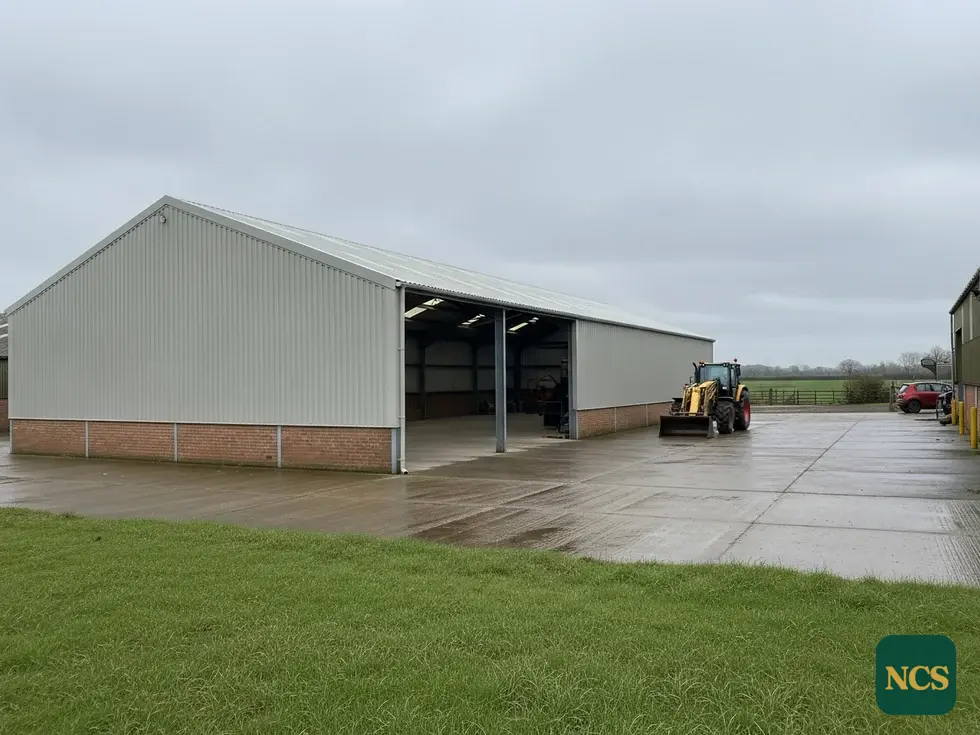
Many holdings here run several eras of building off one yard: an older brick or blockwork barn, a steel portal-frame shed from the seventies or eighties, and perhaps a newer clad grain or machinery store alongside. It is usually the older steel and fibre-cement roofs that need attention first. Factory finishes on galvanised and plastisol sheets break down, cut edges rust before anything else, and fixings leave tea-coloured streaks down the slope. North-facing slopes grow moss and stay damp; south slopes take the UV. None of that means a building is finished. Where the frame is sound and corrosion has not eaten through the sheet, preparation and the right coating system can keep a roof working for many more seasons.
Survey first, then a programme
We do not price farm roofs from the gateway, because the difference between a roof worth coating and one past coating is usually invisible from the ground. Every enquiry around Leicester starts with an inspection, and a typical survey records:
- Sheet condition, including corrosion at cut edges and laps
- Fixings, washers and any movement in the sheets
- Gutters, valleys and rooflights, which often fail before the roof itself
- Internal signs of water ingress: staining on purlins and stored kit
- Access, ground conditions and what equipment the yard can take
You get the findings straight, with photographs, before any figure is discussed. If two slopes need different treatments, the report says so rather than averaging the problem away. Where the building shares a yard with others of different ages, the report sets out a sensible order of work so you can spread the cost across more than one season if that suits the farm better.
Legacy metal and asbestos-cement roofs
A large share of the agricultural roofs we survey around Leicester are legacy metal or asbestos-cement sheet. Weathered but sound asbestos-cement can often be cleaned and encapsulated with a suitable coating, sealing the surface against further deterioration and avoiding the cost of removal. Fragile, cracked or heavily delaminated sheets are a different conversation, and we will tell you plainly when a roof needs a licensed removal contractor rather than a coating. Nobody walks these roofs casually: condition is assessed from proper access equipment before anyone commits weight to a sheet, because that caution is the difference between a safe job and a dangerous one.
Coat, repair or replace: the honest answer
Coating is not always the right call, and we would rather lose a job than coat a roof that should be replaced. Localised damage on an otherwise sound surface usually means repair, widespread surface breakdown on structurally sound sheets is where coating earns its keep, and sheets that are holed, soft or failing at the fixings are usually telling you the roof is done. The survey settles which category your building sits in, and it also fits around your year: grain stores after they empty, livestock housing while stock is out, machinery sheds in their quiet weeks. If the answer is replacement, we say so, so you can plan the spend with accurate information rather than a sales pitch dressed up as advice.