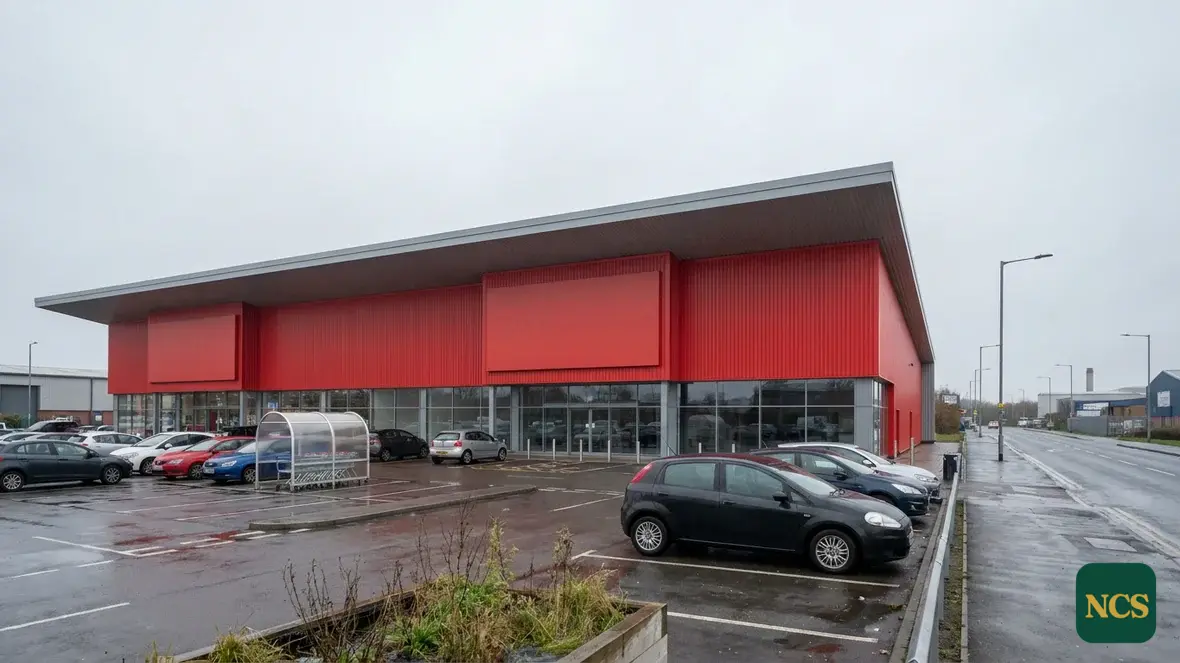
The brown line above the gutter, explained
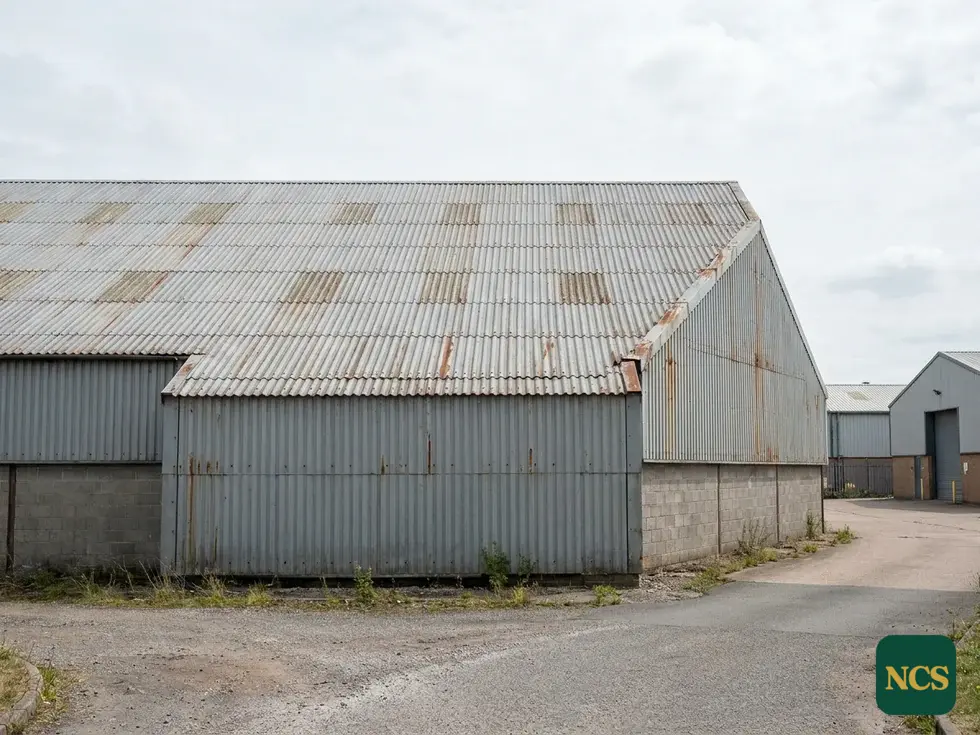
If a metal roof on one of the industrial estates or farms around Lincoln is starting to fail, the tell is usually a rust-coloured line running along the bottom of the sheets. That line has a cause built into the product. Profiled steel sheets are cut to length when they are made, and the cut goes straight through the galvanising and the coloured coating, leaving bare steel at every sheet end and side lap. The coated face protects the sheet for years; the cut edge was never sealed, because nothing covers a line created after the coating.
Water then finds the exposed steel, rust forms, and the corrosion works back under the coating, lifting it from the metal. What you see from ground level is the visible edge of damage that has nearly always travelled further out of sight.
Agricultural and industrial stock across flat country
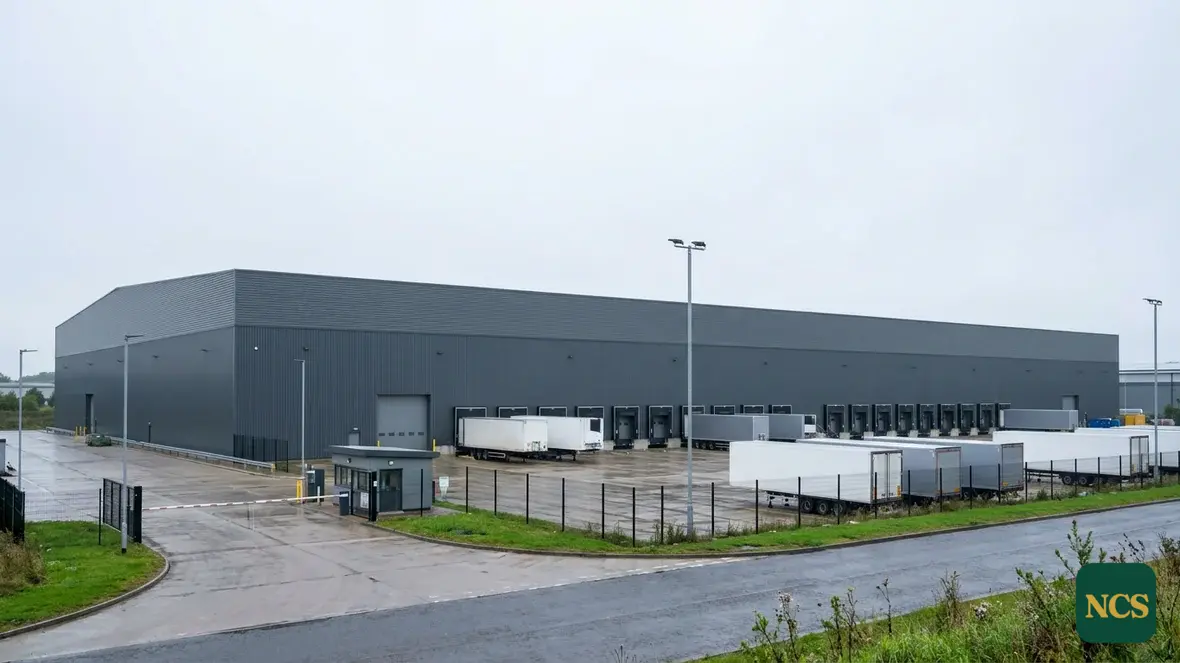
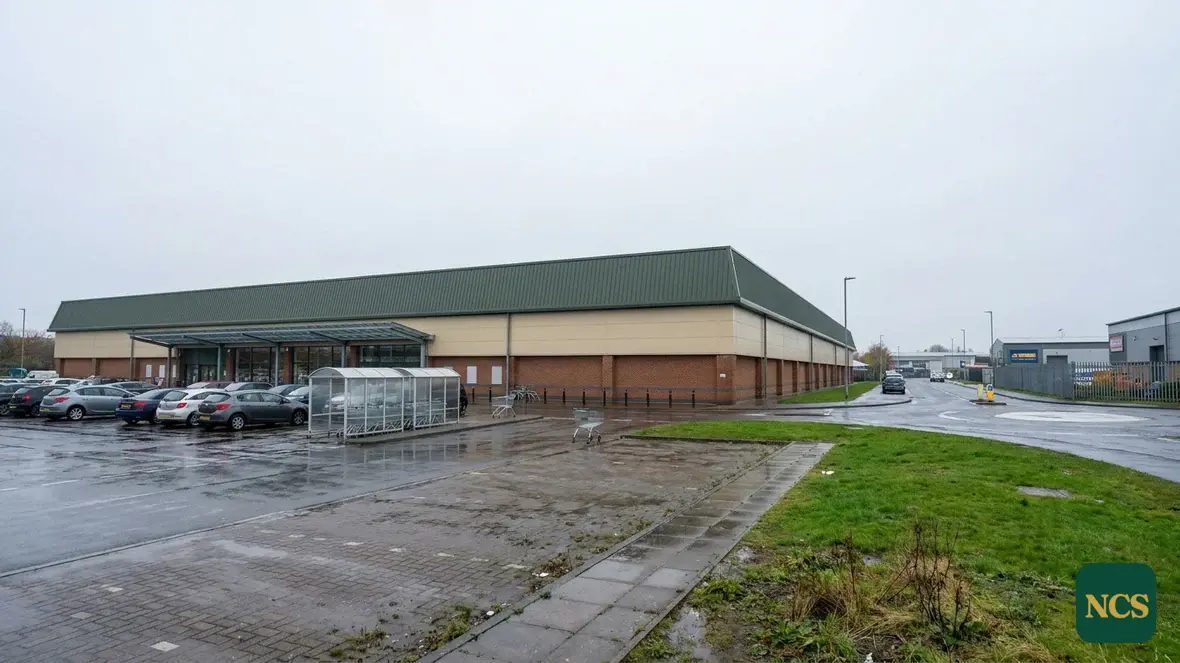
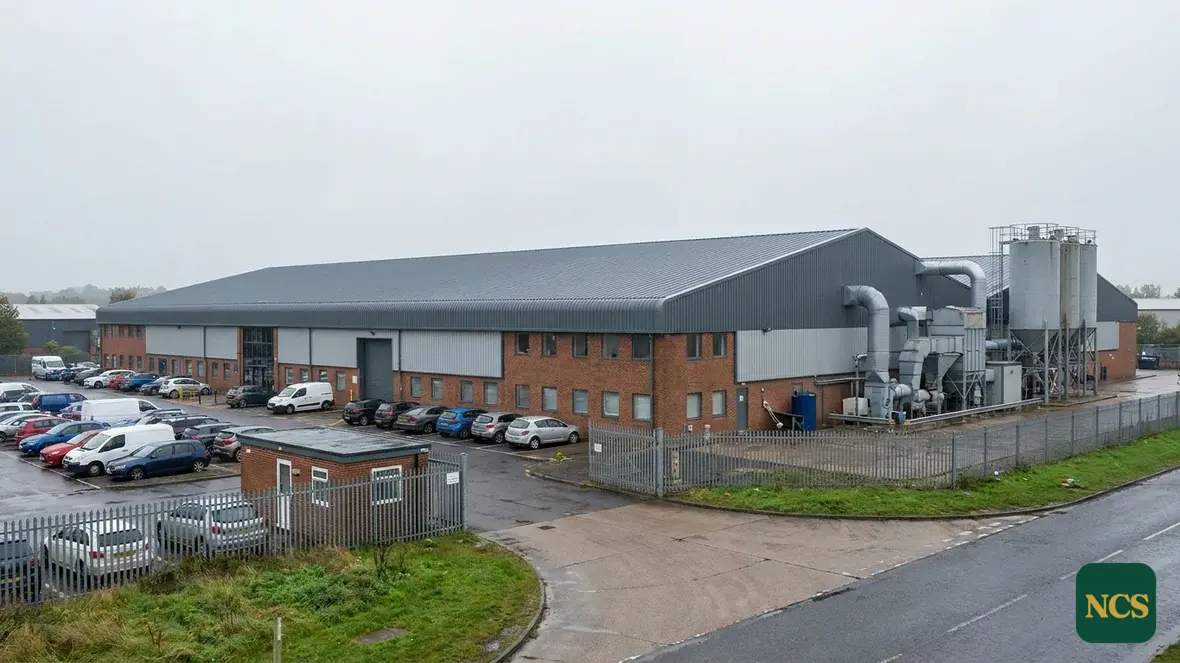
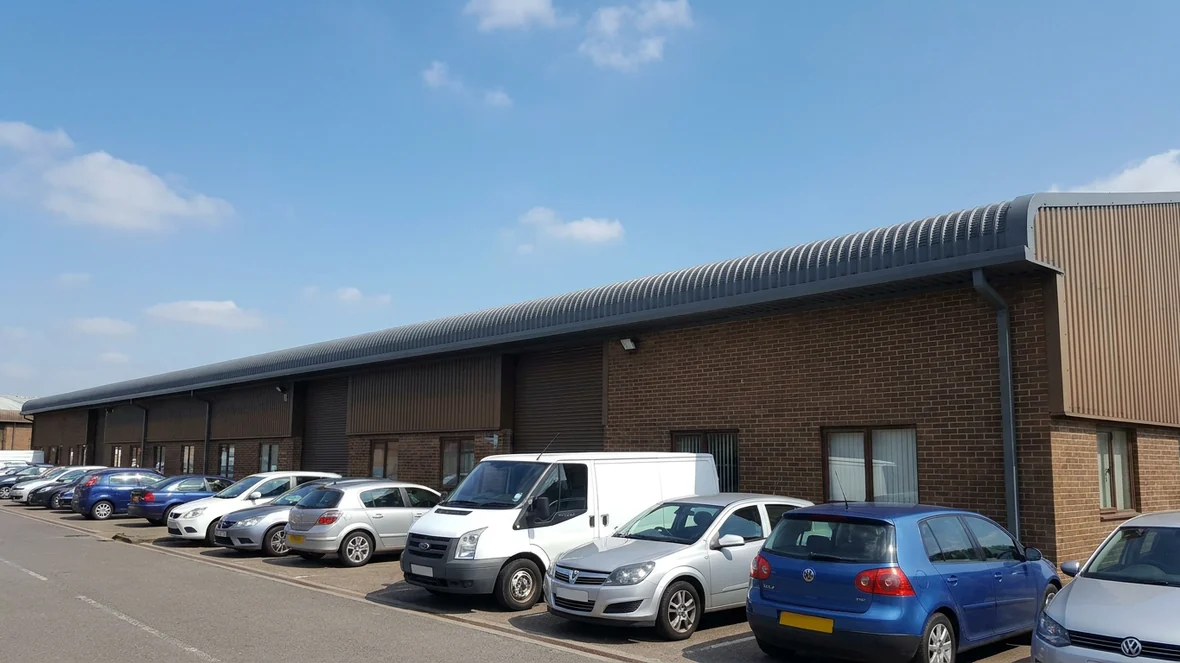
Lincoln and the surrounding county carry a lot of large agricultural barns, grain stores and steel-clad industrial units, much of it on open, flat land. That openness lets wind-driven rain run straight into the sheet overlaps, where capillary action draws it deep into the joint and holds it against the steel. Lincolnshire is not coastal in the way the Wash ports are, but exposed sites and long damp spells keep the laps wet, and agricultural buildings in particular often see edge corrosion early because they are tall, exposed and not always kept under close watch.
Why a shallow problem is a cheap problem
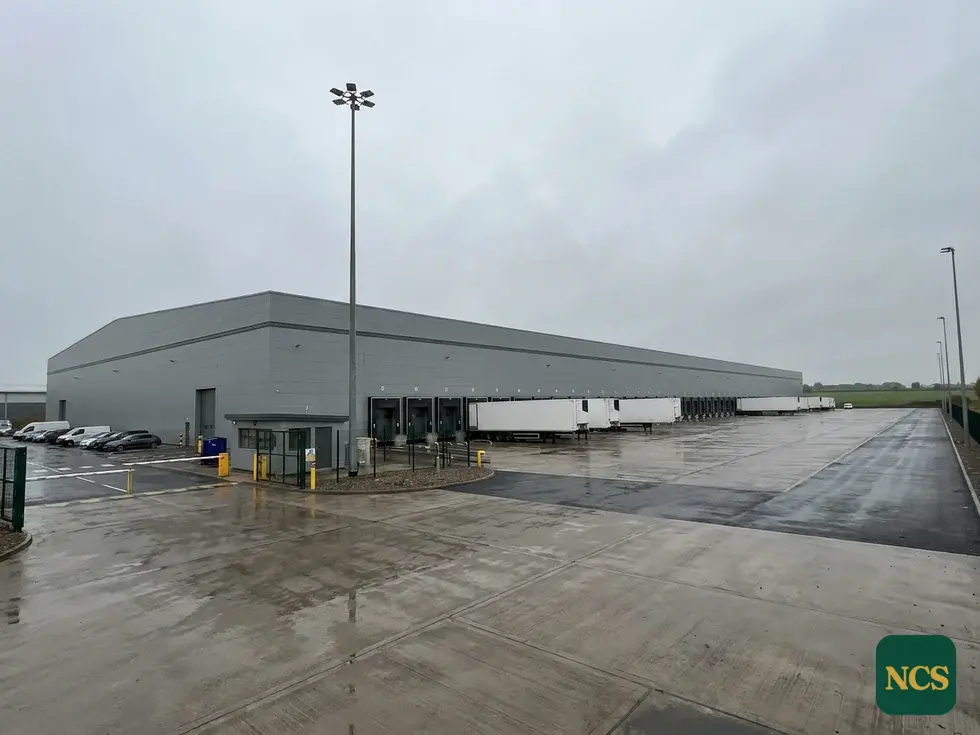
Caught while the rust is still shallow, cut edge corrosion is a contained repair. The edges are mechanically cleaned back to sound metal, then treated, primed and sealed with a flexible coating system designed to flex with the sheet through heating and cooling. The building stays open and the rest of the roof keeps working. Ignore it and a sheet eventually perforates, and a rusted-through sheet cannot be recovered with any coating. That moves you into replacement: access equipment, stripping, new sheets, and disruption to whatever the building is used for. The difference in cost and upheaval between treating an edge and replacing a sheet is the plain reason to act early.
What the warning signs look like
- Rust staining along the eaves, seen from the ground
- Coating peeling or curling at the sheet overlaps
- Corrosion halos around fixings near the sheet ends
- Rust flakes or coating fragments in the gutters
- Damp marks or drips inside the building below the laps
None of these settles the extent on its own. The reliable answer comes from a survey: getting up onto the roof, opening the worst laps where it is safe, and judging how far the rust has reached beneath the surface.
When we tell you the sheets are beyond treatment
We survey before we quote, and sometimes the findings go against us. If sheets are perforated, if corrosion has run a long way under the coating, or if the underside is rusting where no treatment can get to it, we say so plainly. Coating over a failed sheet is money wasted on a finish that fails fast. The honest options then are replacing the worst sheets and treating the sound ones, or an overlay if the roof as a whole is finished. Where the edges are failing while the sheet faces are also chalking and fading, addressing the cut edges as part of a full roof coating is usually the better value, sealing the whole surface in one visit rather than in stages. We are a South-East firm working across England, and any recommendation for a Lincoln roof follows from the survey, not a standard answer off a list.