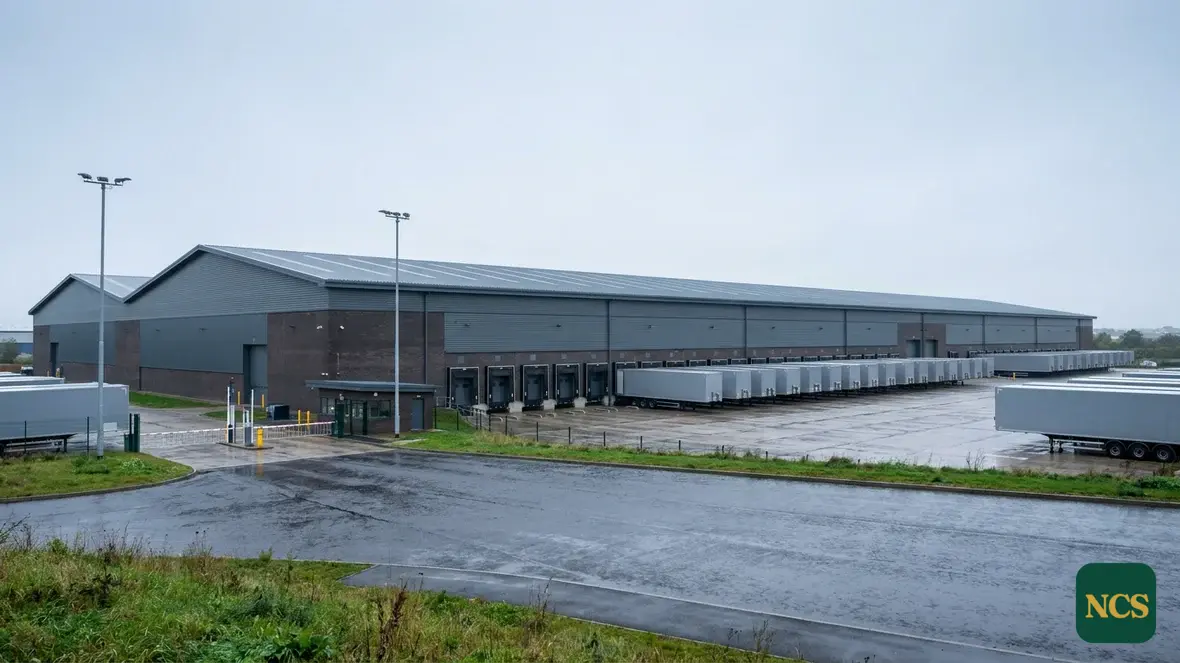
Lincoln’s industrial roofs: a mixed-age problem
Lincoln’s engineering history left the city with industrial stock spanning many decades. The estates around the city and along the bypass add everything from 1970s workshop units to modern distribution sheds. That mix matters for roofing decisions. A coating approach that’s ideal for one generation of profiled metal may be wasted on another. Our work in Lincolnshire is survey-led for precisely that reason. The building tells us what it needs before anyone talks about products or industrial roof coatings.
Our industrial roof painters cover Lincoln and the surrounding estates, and no system is named until the surveyor has walked the roof.
The case for coating ageing profiled metal
Steel sheet roofs rarely fail all at once. The factory finish breaks down first. Then corrosion starts at the points where bare metal is exposed: cut edges, fixings, scratches and laps. At that stage the structure is typically sound. The sheets have plenty of metal left in them. A coating system applied now, over a prepared and repaired roof, protects that remaining life. It’s a fraction of replacement cost and won’t open the building to the weather. Wait five more years and the arithmetic can flip entirely. That’s why timing is the most valuable thing a survey tells you.
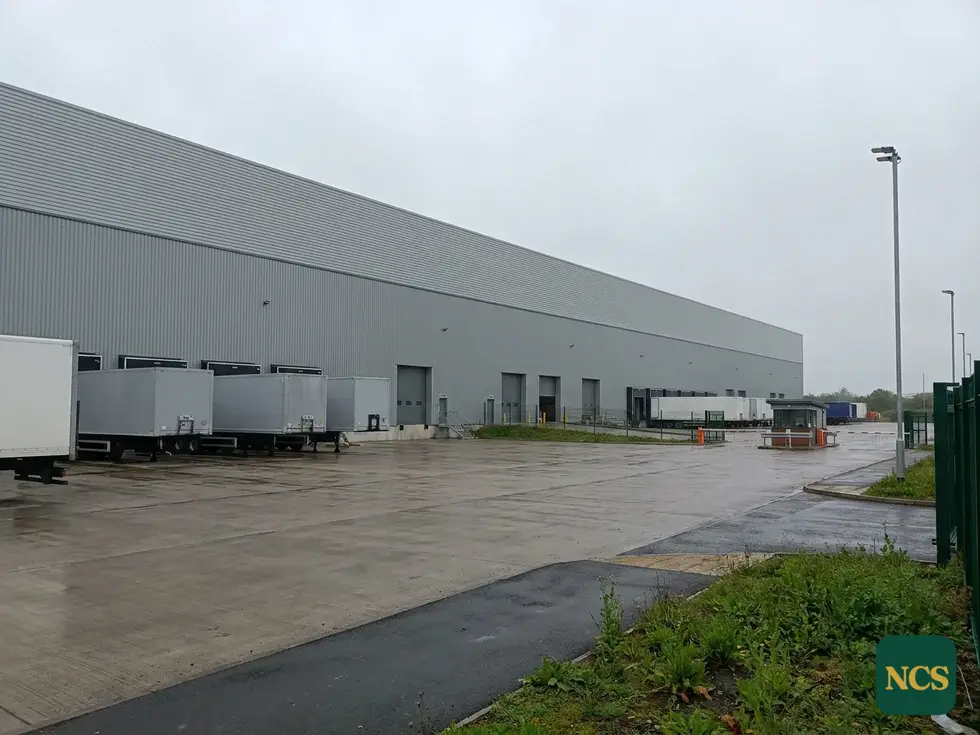
Cut-edge corrosion, gutters and rooflights
Cut-edge corrosion is the headline defect on most industrial roofs we inspect around Lincoln. But it rarely travels alone. Valley and boundary gutters corrode from standing water and debris. Old GRP rooflights become brittle, discoloured and fragile long before the metal around them fails. A credible coating project deals with the roof as a system. That means edge preparation and sealing, fixing replacement where washers have perished, gutter linings where corrosion justifies them, rooflight replacement where needed, then the coating itself. Anything that skips those steps is decorating, not protecting.
Minimal disruption for estates and facilities teams
Agricultural supply, food businesses and manufacturers cannot pause for a roofing programme. With coating, they don’t need to. The roof is never stripped, so the building stays watertight every night of the works. Access, exclusion zones and timings are agreed with site management up front. Phased working keeps loading areas open throughout. Where night or weekend working suits the operation better, that’s agreed at survey stage rather than negotiated mid-project. Occupiers mostly experience the project as some equipment in the yard and a contractor who turns up when the plan says they will.
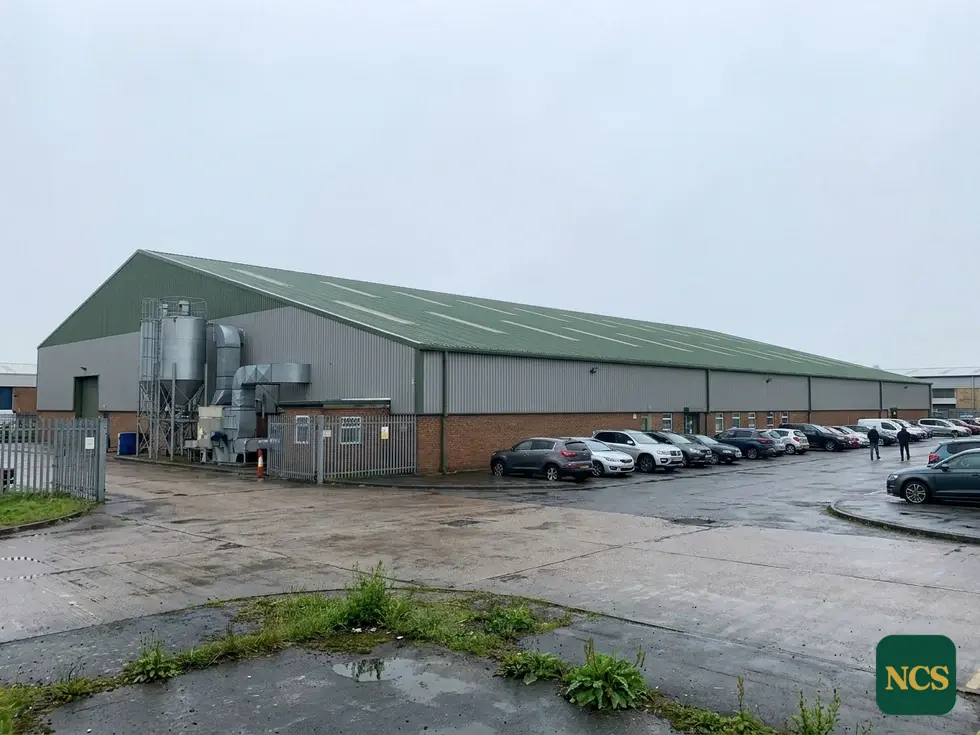
When replacement beats coating
We put this in writing on every survey because it’s the question that matters most. Coating is the wrong answer when:
- Sheets are perforated or severely thinned across significant areas
- Corrosion has spread into purlins, rails or fixings throughout the roof
- Insulation in a built-up system is saturated and holding water
- Fibre cement has degraded too far to prepare and coat effectively
- The realistic cost of pre-coating repairs approaches replacement cost
If your roof is in that territory, our report will say so and set out the evidence. If it’s not, you’ll get a scoped coating specification with a programme built around how your site operates. For industrial buildings in and around Lincoln, that single honest assessment is the difference between maintenance money spent well and maintenance money spent twice.