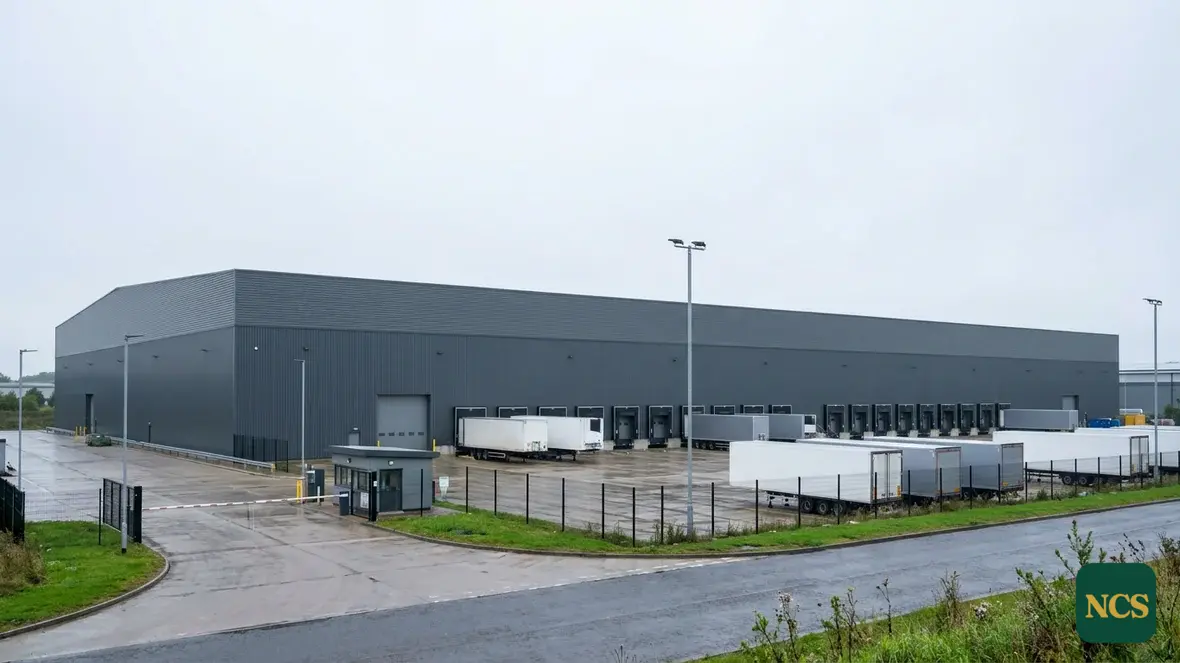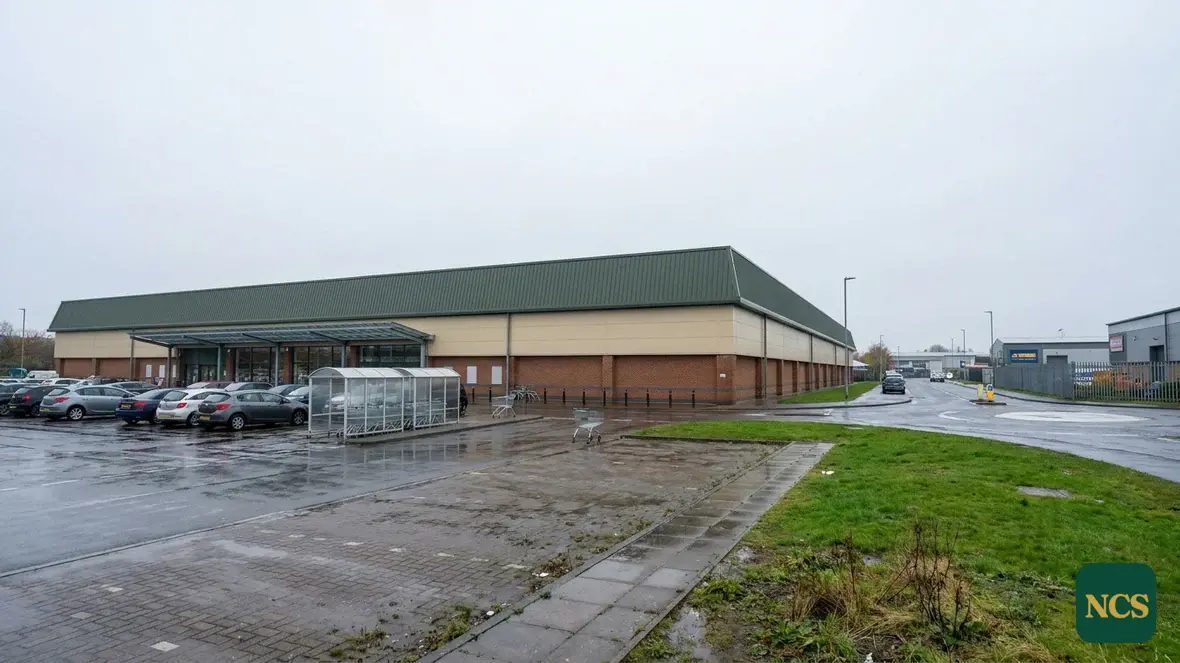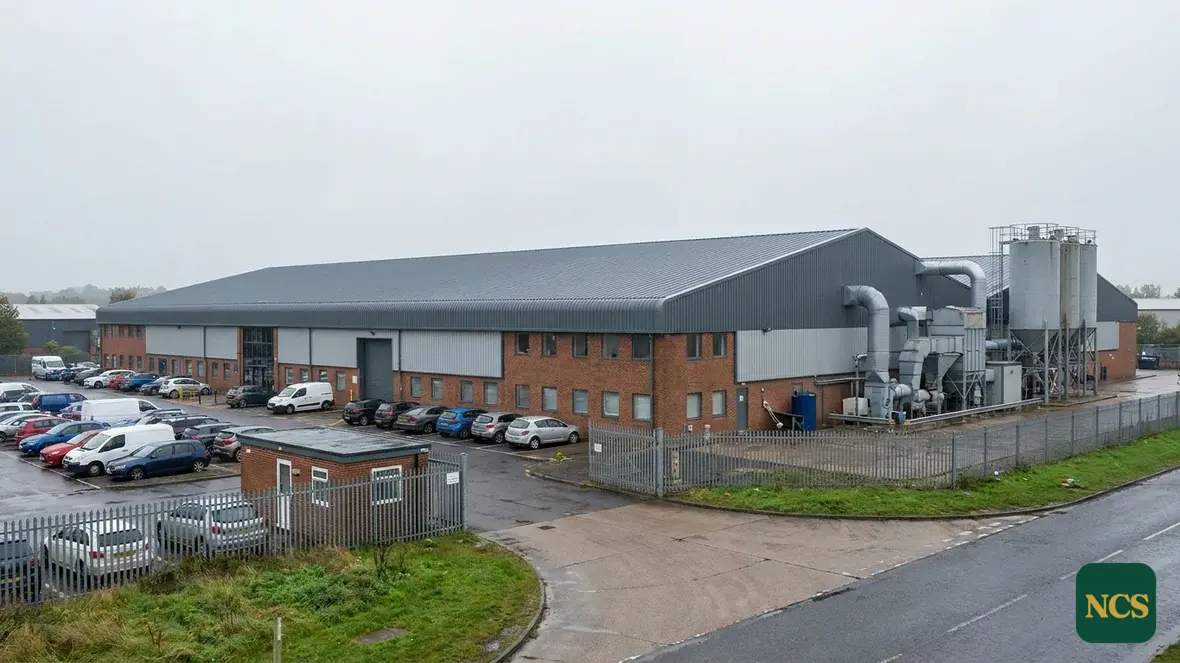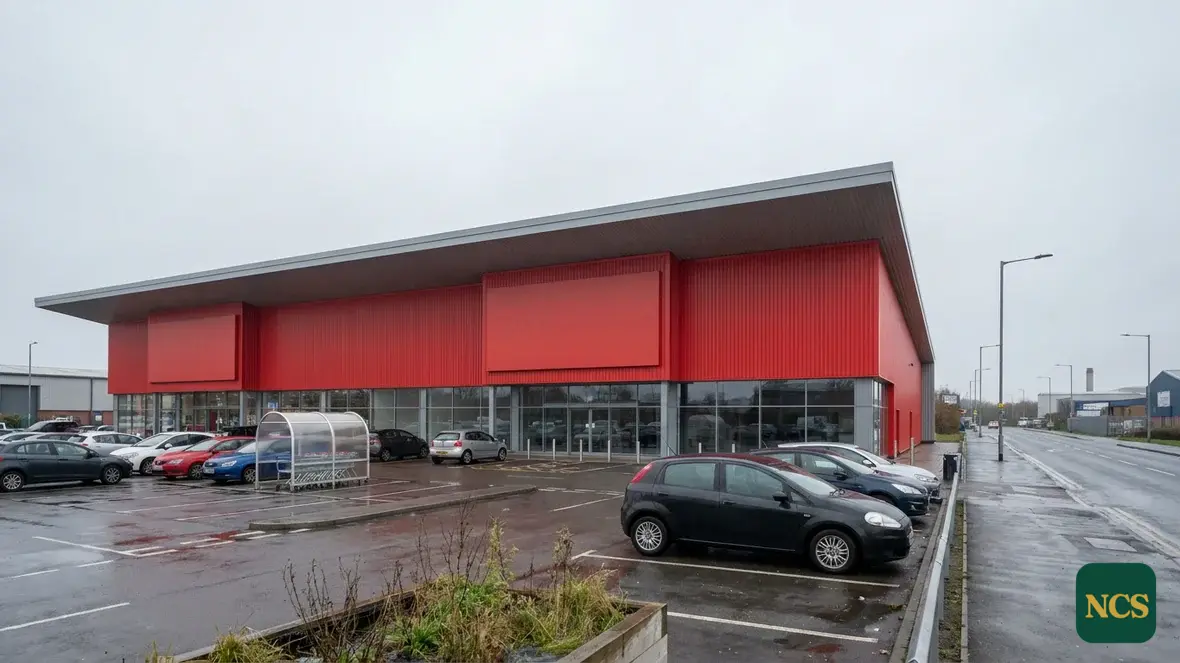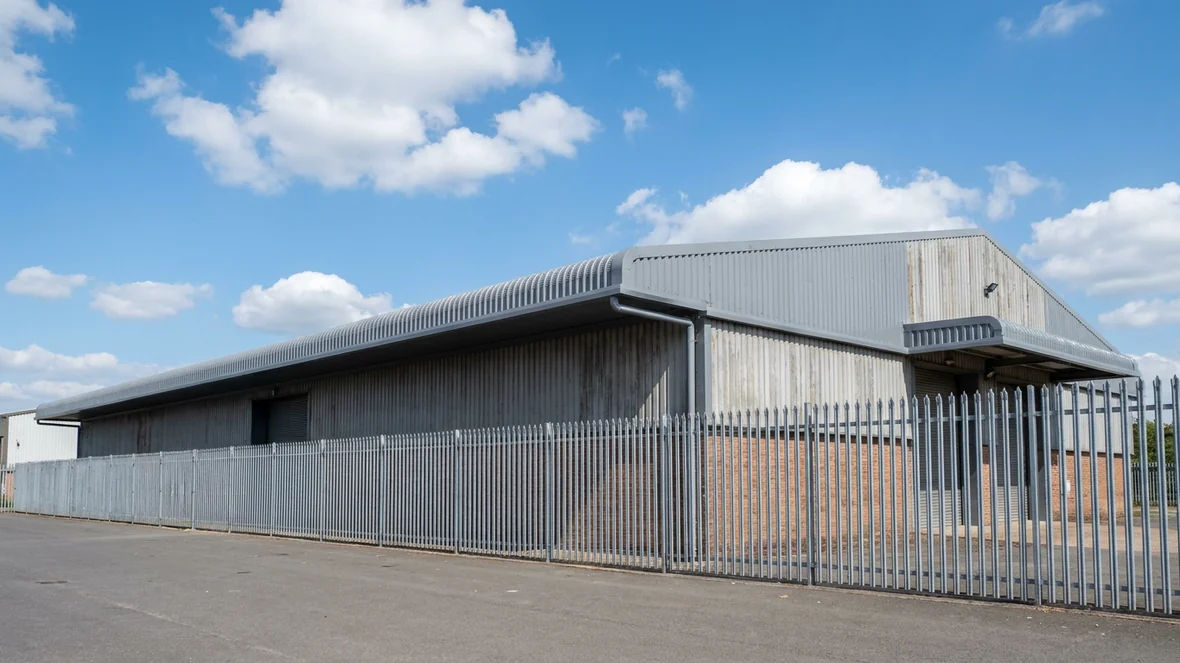
Peterborough has grown into one of the East of England’s busier logistics and distribution centres, and the large profiled steel roofs that come with that role nearly all share the same vulnerable detail: the cut edge of the sheet. A rust band forming along your gutter line, or coating peeling back from the overlaps, is cut edge corrosion in its early stages. The good news is that early is exactly when it is cheapest to treat. The bad news is that it does not wait around for a convenient time.
Where the protection runs out
The factory coating on a steel sheet covers both faces, but the moment the sheet is cut to length a strip of bare steel is left along the cut. On the finished roof those edges sit at the sheet ends, the side laps and the gutters, where rainwater gathers and is slow to drain. The exposed steel rusts, then the rust pushes back under the coating and lifts it. Across Peterborough’s mix of large modern sheds and older industrial units, that means roofs that look fine for years before developing corrosion along most of their sheet ends together.
The spread is what costs you
Once moisture is drawn into the lap by capillary action it has nowhere to dry, so the corrosion front keeps creeping inward. The coating delaminates ahead of it and the steel thins until the ends perforate and water finds its way in. The flat, exposed Fenland landscape around Peterborough does the rust no favours, with wind-driven rain and shallow-pitch roofs that hold water at the very lines where the steel is most exposed. A defect that started as a thin orange line becomes a leak across a whole bay.
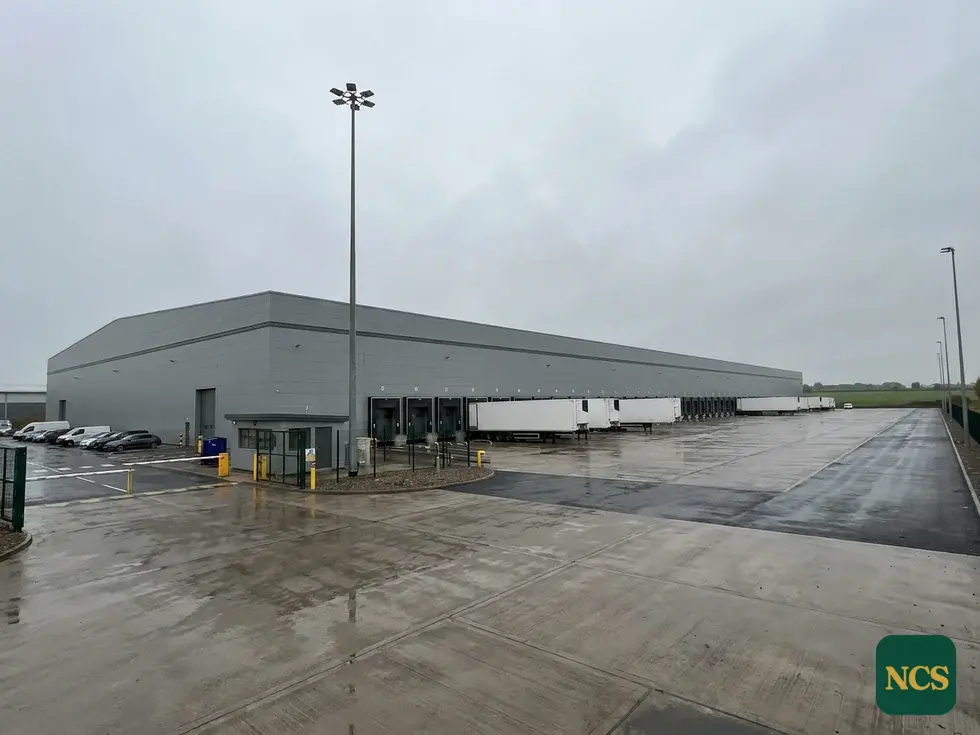
Treat-early economics
Handled at the staining stage, cut edge treatment is targeted and tidy. The corroded edges are cleaned back to sound steel, primed with a corrosion inhibitor and sealed along the laps and gutter lines with a flexible coating that moves with the roof. The work keeps the building operational and the sheets in service. Handled late, the same roof needs sections of sheet replaced, which is slower, costlier and far more disruptive to a working warehouse. Things to check before the next downpour:
- Orange or brown staining along the gutter edges and sheet ends
- Coating lifting, bubbling or peeling at the sheet overlaps
- Gutters holding water or carrying rust flakes and grit
- Damp staining inside that follows the fixing lines
- Light or wet patches showing at the sheet ends from below
The honest limit of edge treatment
Not every roof should be coated, and we will say so. Where sheets have already perforated, where corrosion has travelled deep into the laps over large areas, or where the coating is failing across the whole sheet face, treating the edges is money spent on steel that is past rescue. In those cases the right answer for Peterborough buildings is replacement or over-roofing, and you will hear that from us after the survey rather than after the work has failed.
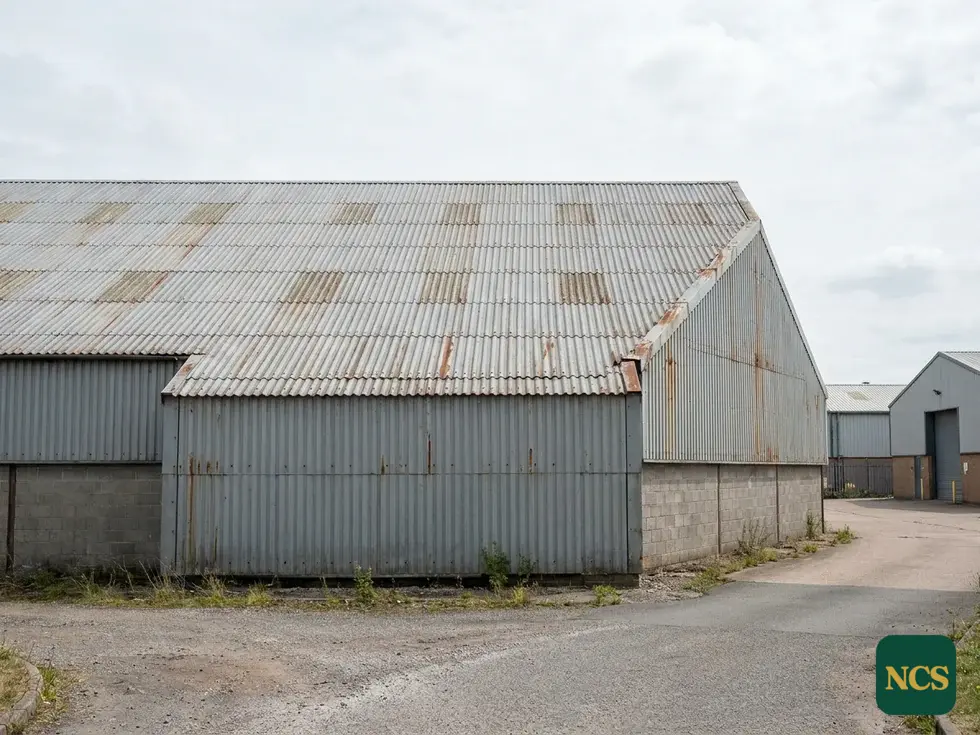
One visit, edges and roof together
We start with a full survey: laps, edges, gutters, fixings and coating, photographed and reported so the scope is based on evidence. Where the factory finish is tired across the whole roof, it is usually more economical to combine cut edge treatment with a full roof coating in a single visit, one set of access costs, one finished roof. We are a South East based contractor working across England, and Peterborough and the wider Cambridgeshire area sit well within our normal range. Send the building details over and we will arrange the survey.