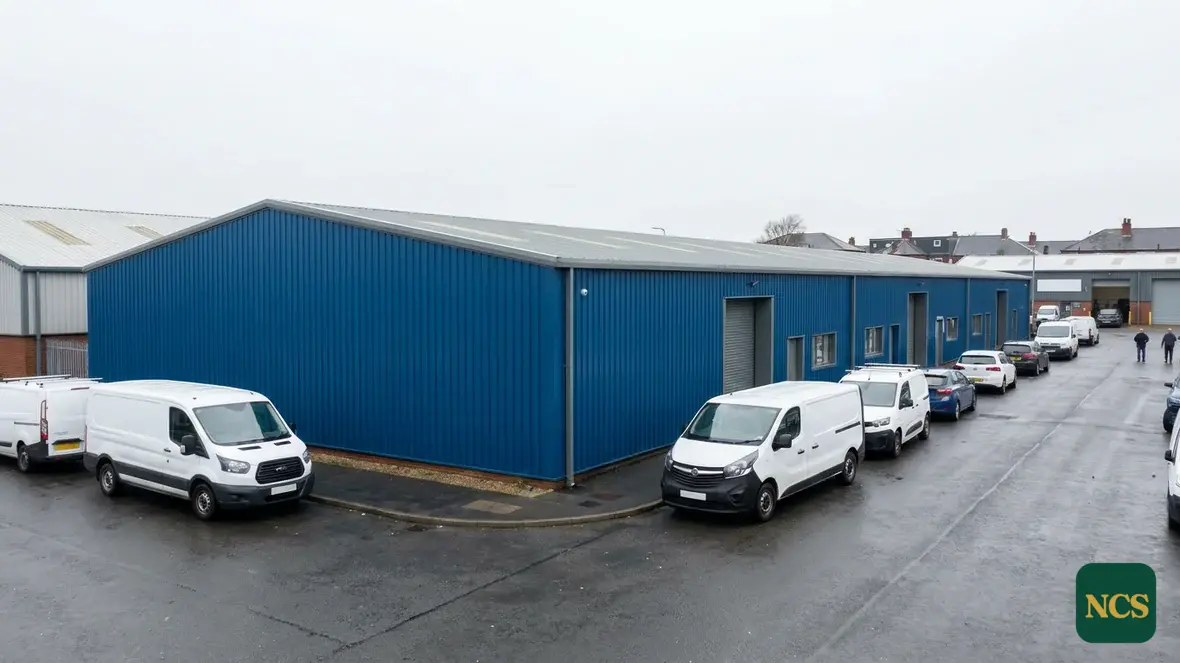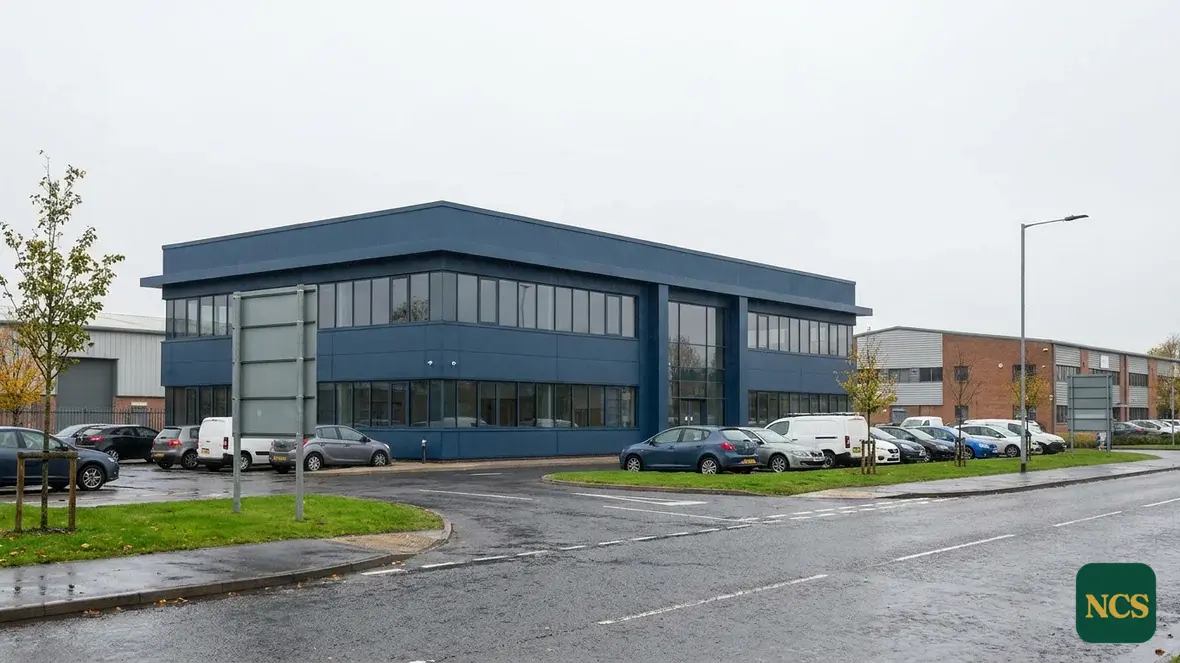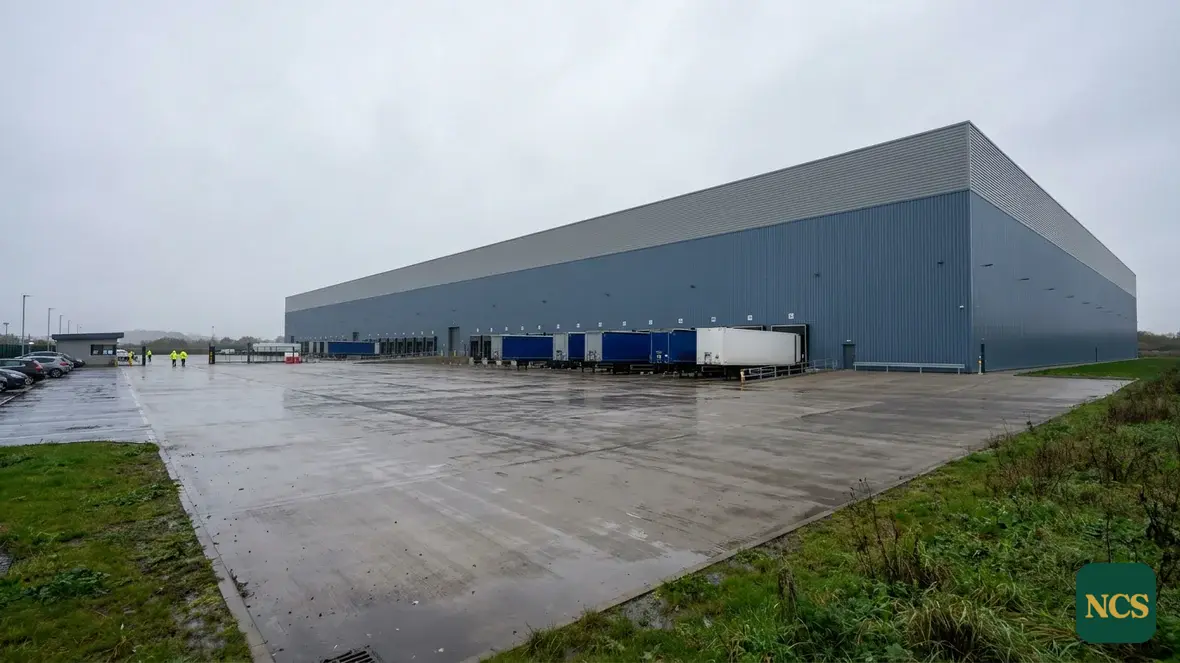
Cladding spraying in Peterborough
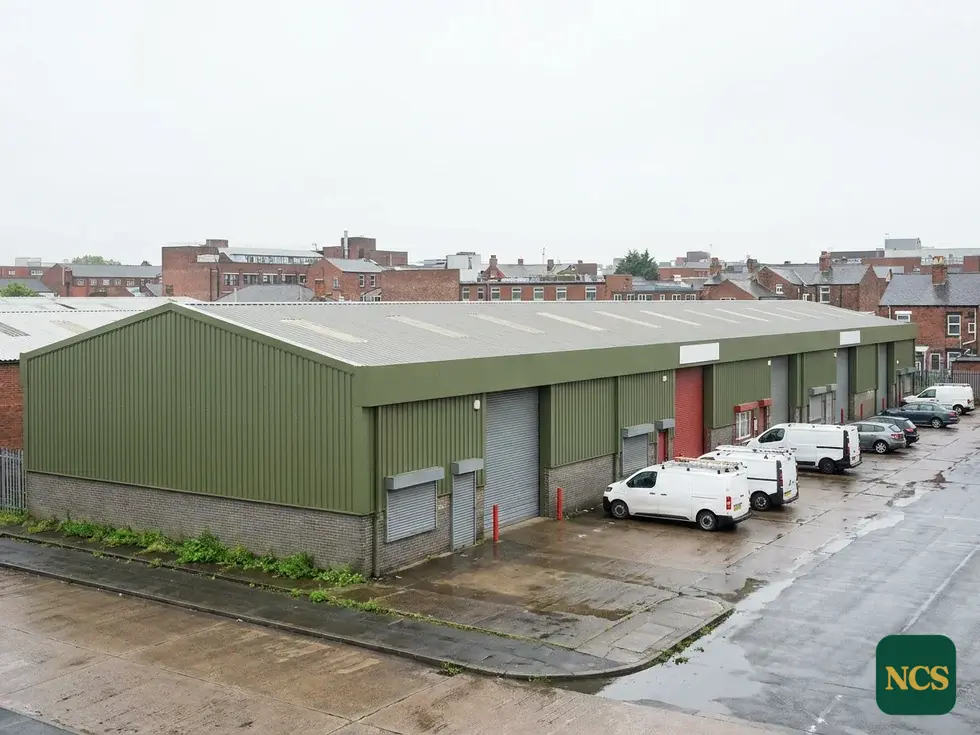
Peterborough has grown into one of the East of England’s busiest distribution locations. The big clad warehouses that drive it cover serious acreage. When elevations on that scale fade, recladding rarely makes sense in anyone’s budget. Cladding spraying does: we prepare the existing profiled steel and composite panels, then respray them in place. It brings back the finish and protection for a fraction of replacement cost, and the building keeps trading while we do it.
We won’t price anything without a survey. On large buildings, especially, the inspection is what keeps an expensive misjudgement off the table before anyone commits. Walls are usually the headline, but gutters, flashings, dock doors and roof sheets all weather on the same clock. We find pricing them within one scope is nearly always cheaper than treating them as separate projects later.
Cladding sprayers who skip the washdown and edge treatment leave Peterborough buildings with a finish that chalks early. Ours do not skip it.
Big sheds, wide skies, exposed elevations
The flat Cambridgeshire country around Peterborough gives wind and weather a clear run at large elevations. South-facing walls take heavy sunlight through the summer. The familiar results are uneven fade across long runs of panel, chalking finishes, and cut-edge corrosion working its way along laps and sheet ends. It’s often worst at loading-dock level where impacts have chipped the original coating.
On warehouses this size, small defects multiply across thousands of square metres. That’s why we map the condition properly during the survey, rather than just sampling one convenient corner. Access is its own planning exercise at this scale: powered platforms, exclusion zones around live dock doors, and traffic management all have to be designed around a site that can’t simply stop receiving lorries for a fortnight.
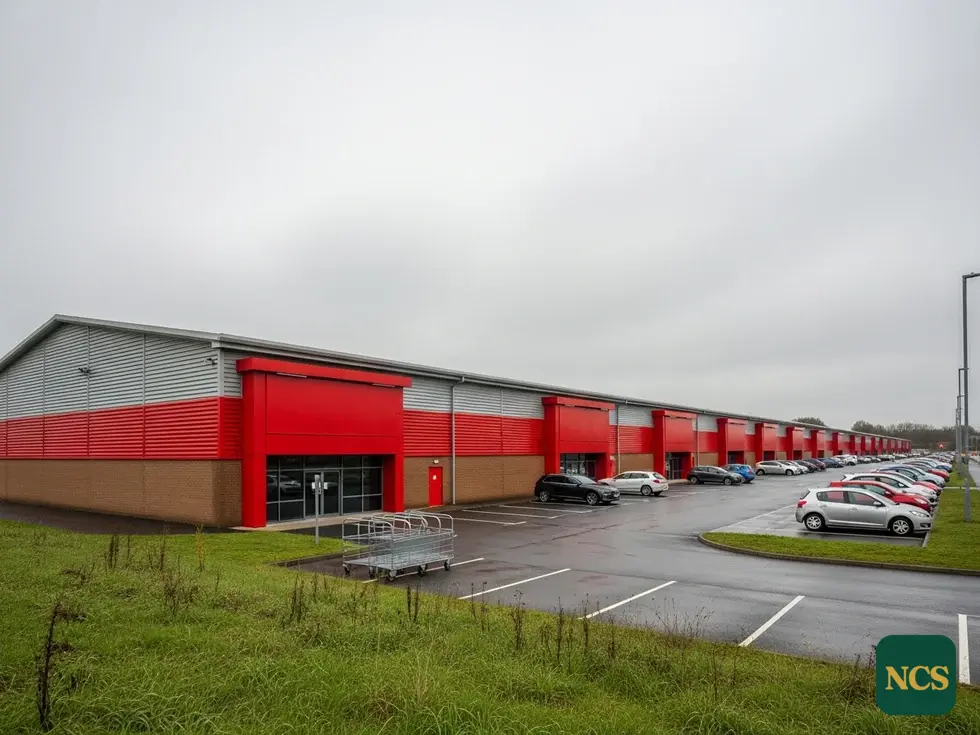
What the survey report gives you
Our surveyor walks the building and documents what the job actually involves. The report sets out:
- Substrate and panel types across each elevation.
- Adhesion findings for the existing finish.
- A map of corrosion, damage and any panels needing replacement.
- The preparation and coating system we recommend, with reasoning.
- Proposed phasing around your dock doors, traffic and shift patterns.
The quote is built from that document, so the figure reflects the building rather than a square-metre guess. We run surveys across Peterborough and the surrounding towns, including Stamford, Wisbech, March and Huntingdon.
The straight answer when coating will not hold
Not every elevation earns a respray. Sheets that have perforated, composite panels with delaminating or damp cores, and walls where fixings have failed in numbers all need replacement before any coating is worth applying. Our reports say so, without dressing it up. On big buildings the finding is usually mixed: most of the cladding sound, a defined area needing new panels, then a full respray to bring the elevation back as one.
You get that breakdown in writing and make the decision with the facts in front of you. That’s a better position than discovering them through a failed coating two winters later. Once the respray is done, a periodic wash-down and a quick annual look at high-traffic areas around the docks will keep the finish earning its money for years.
Why survey-led matters at warehouse scale
On a building of this size, every assumption in a quote is multiplied by the area, in both directions. Surveying first pins down the preparation, the repairs and the system before anyone names a figure. That’s how the figure stays fixed from agreement to handover. It also gives facilities and asset managers a condition record they can put in front of a board or a landlord with confidence. If you operate or manage clad warehousing in Peterborough and the elevations are starting to show their mileage, the survey is the place to begin. It obliges you to nothing more than reading the report.