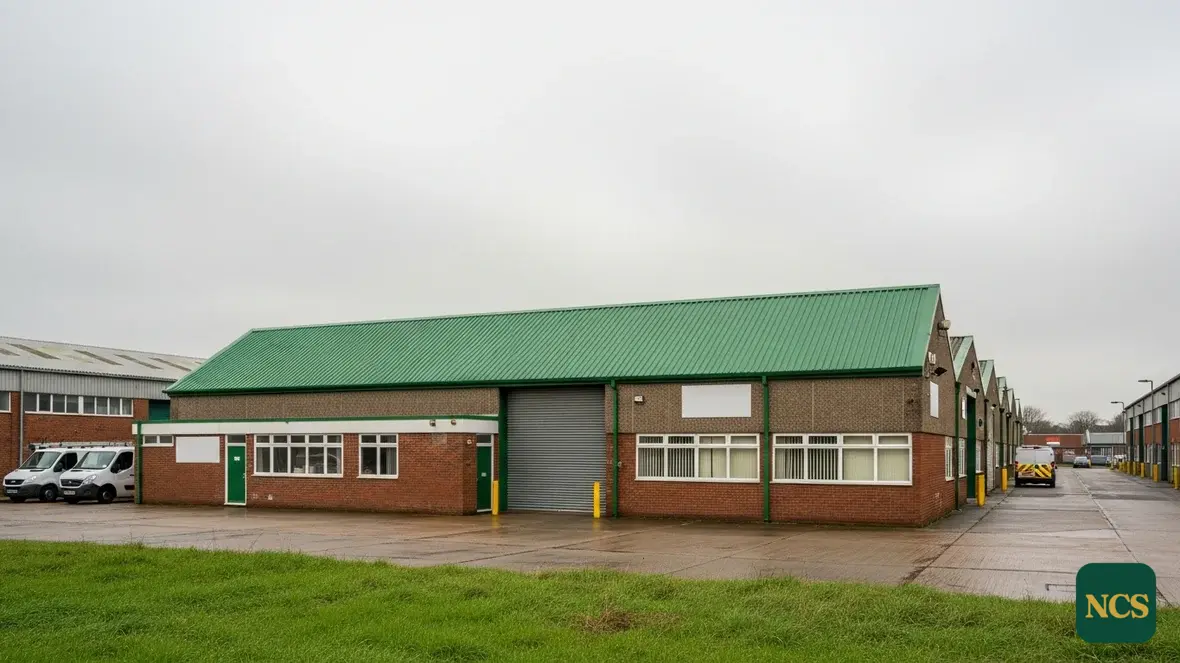




In Peterborough, we often see asbestos roof encapsulation as a smart move for property owners looking to smarten up a building for sale, re-letting or dilapidations. Stripping an asbestos cement roof means controlled removal, hazardous waste disposal and then a whole new roof, often while your building sits empty. Encapsulation, where the sheets are still sound, bypasses all of that, shortening voids and creating a better first impression. The trick is that phrase: “where the sheets are still sound.” Our survey is there to tell you if yours are, whether your building is near the A1(M) or out towards the A47. If you want us to assess yours, request a free quote.
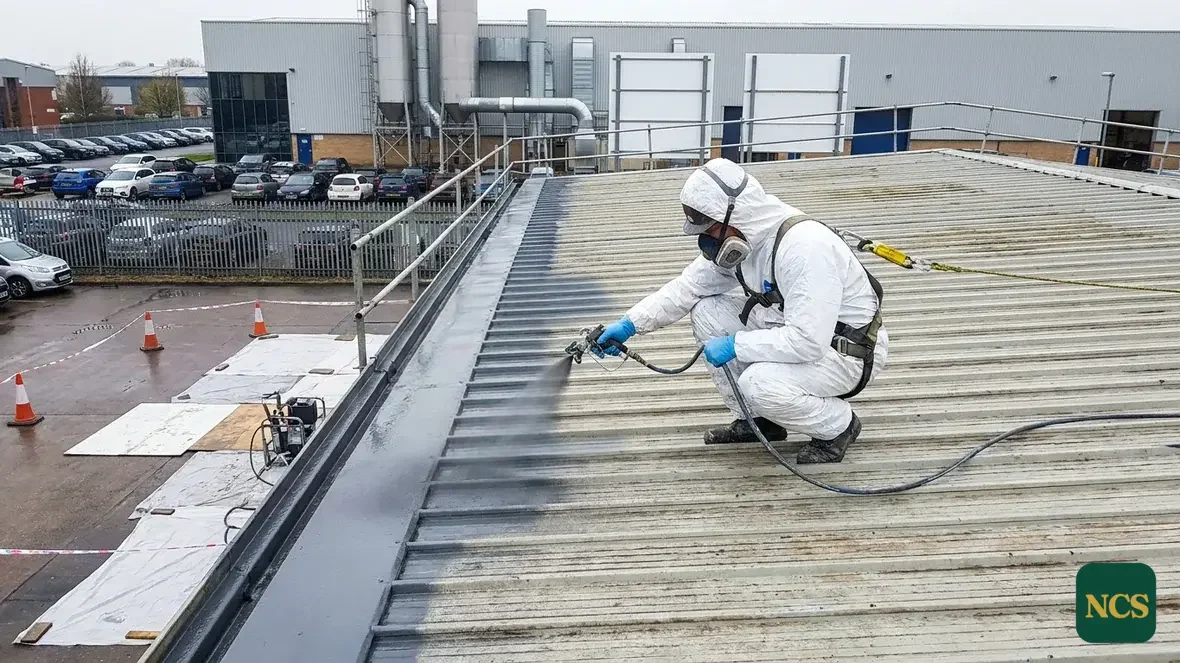
Meeting the standards for asbestos roof encapsulation in Peterborough
Encapsulation is a management measure under the Control of Asbestos Regulations 2012, not a way around them, and it is covered on our own asbestos roof encapsulation service page. Our teams plan every job around the HSE’s asbestos guidance, and we hold CHAS accreditation so the health and safety paperwork a managing agent or estates team asks for is ready before the first van arrives. We understand the pressure to get a property looking its best, quickly and compliantly.
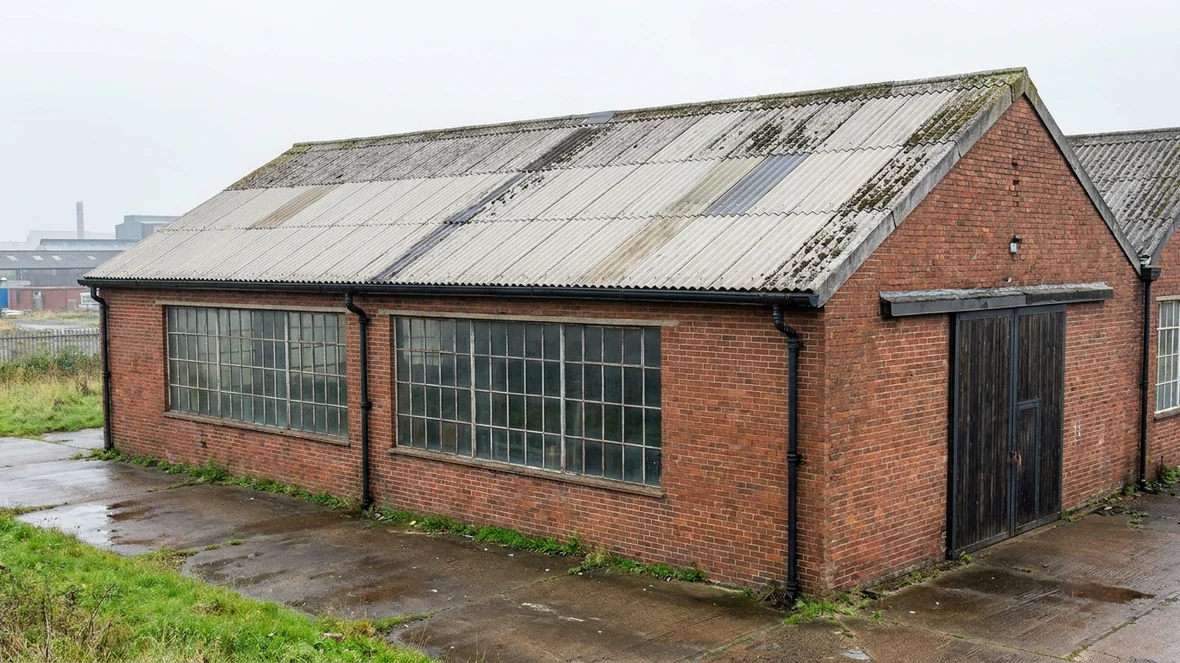
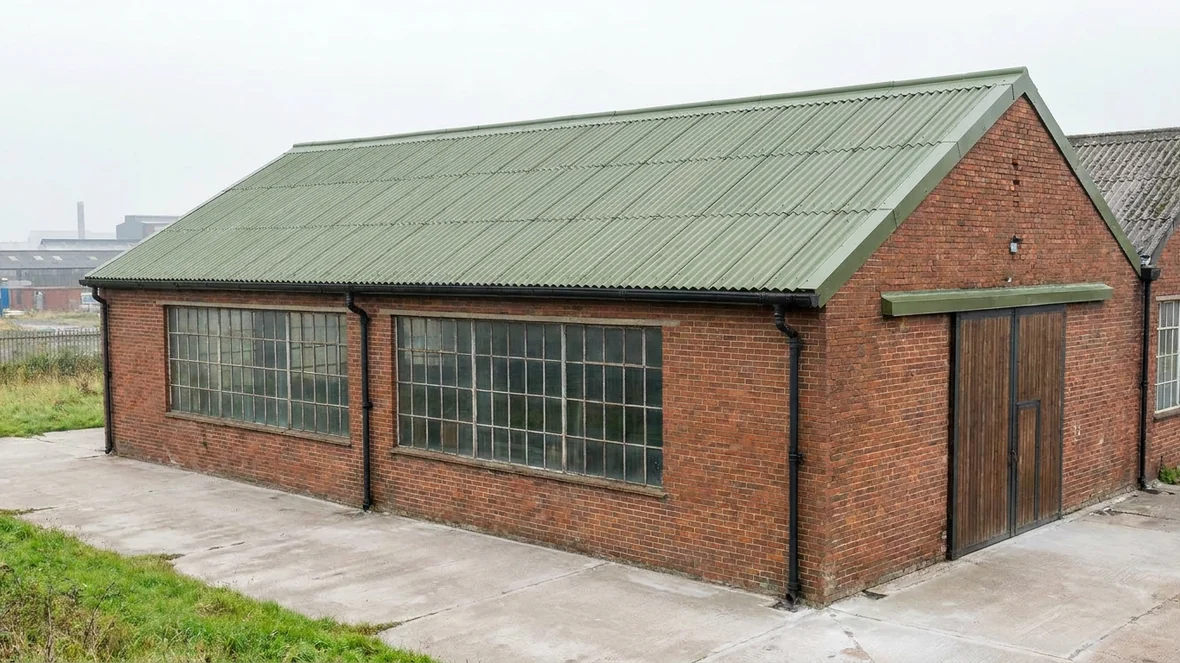
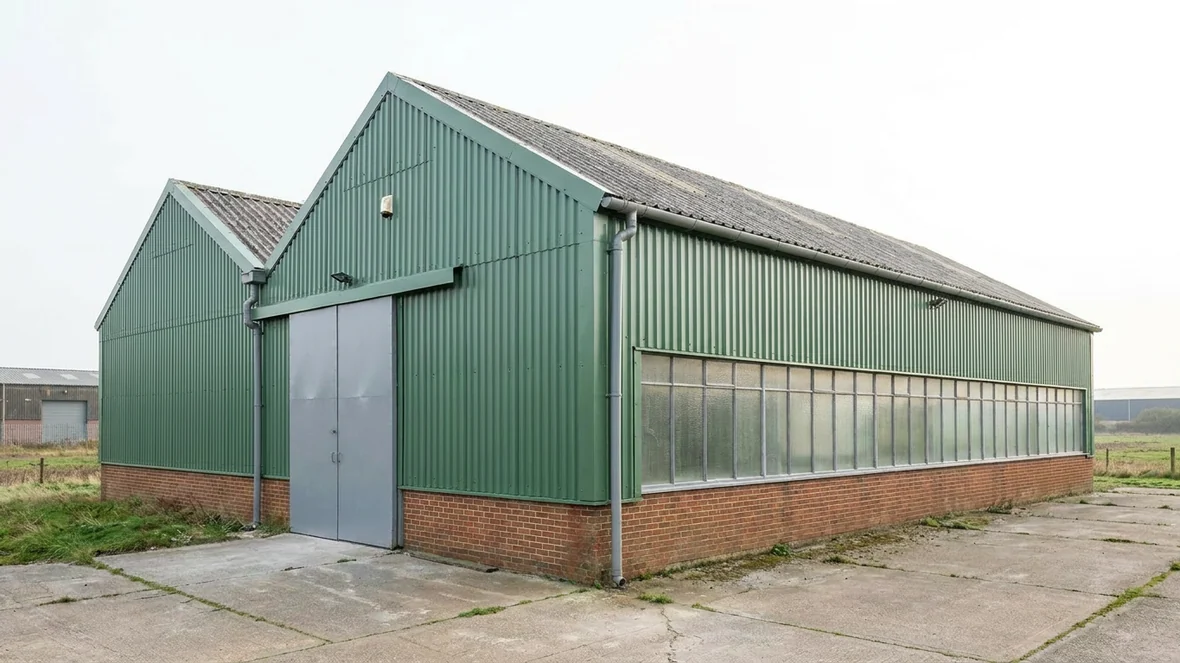
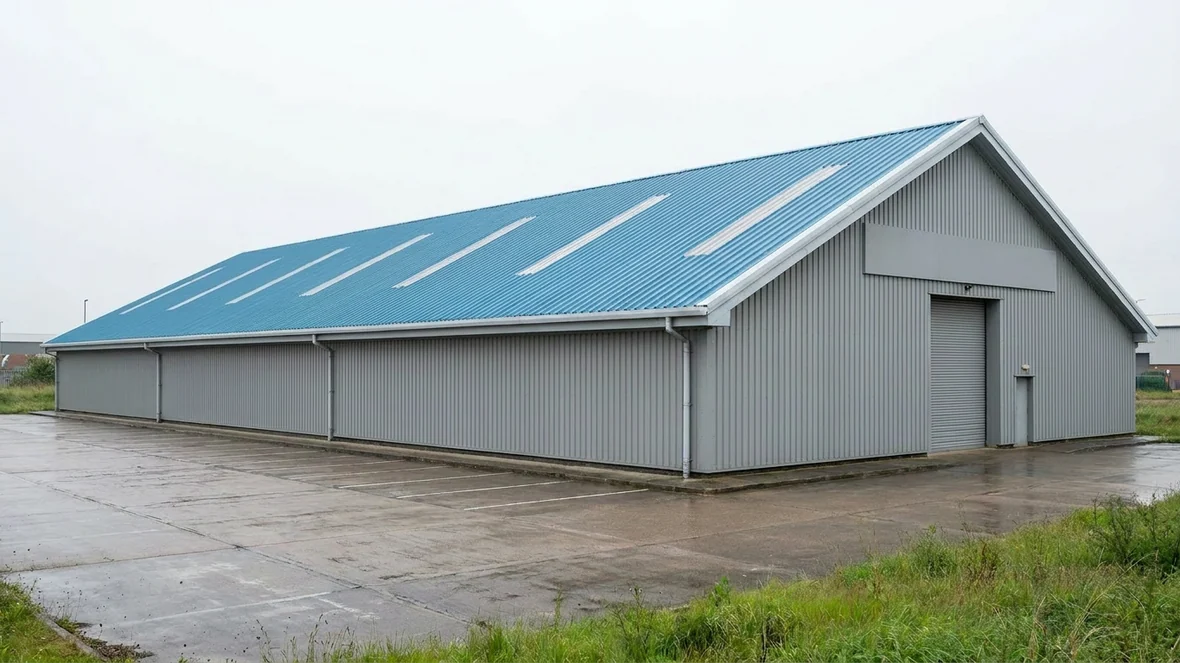
Asbestos roof encapsulation work we’ve completed
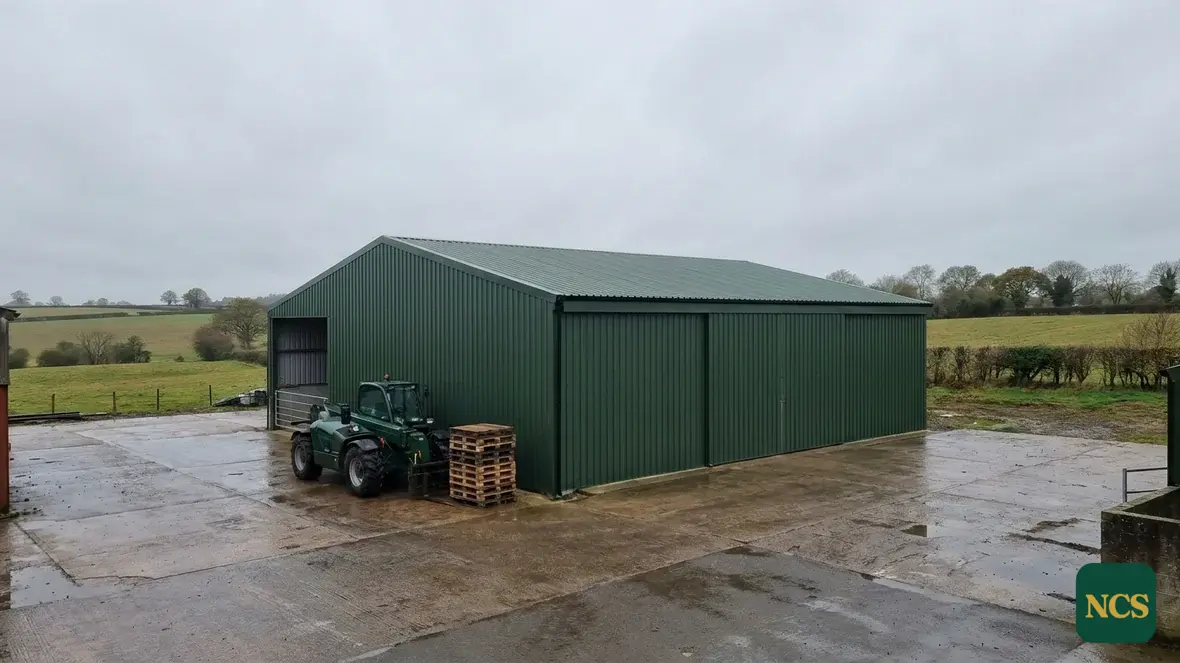
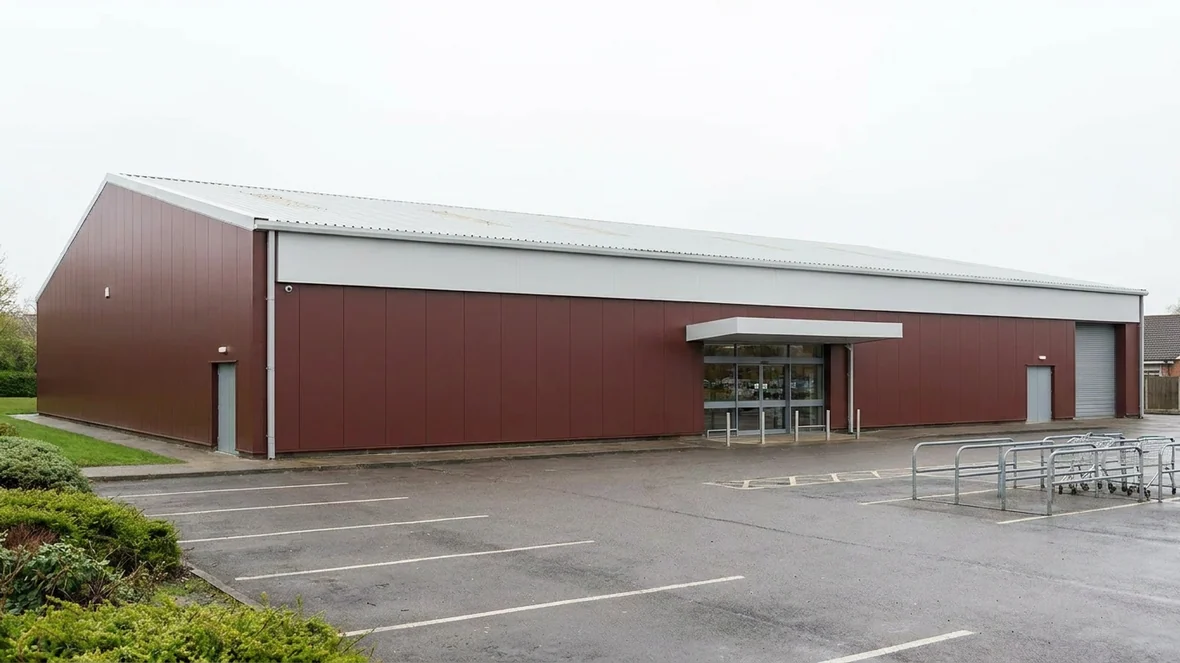
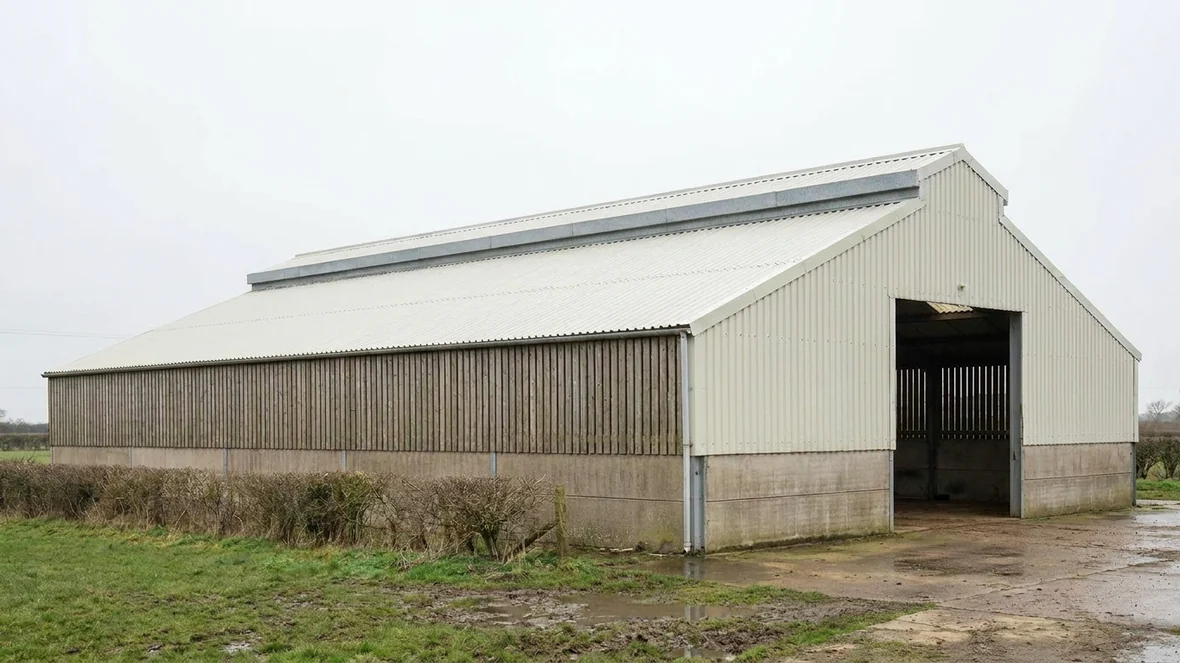
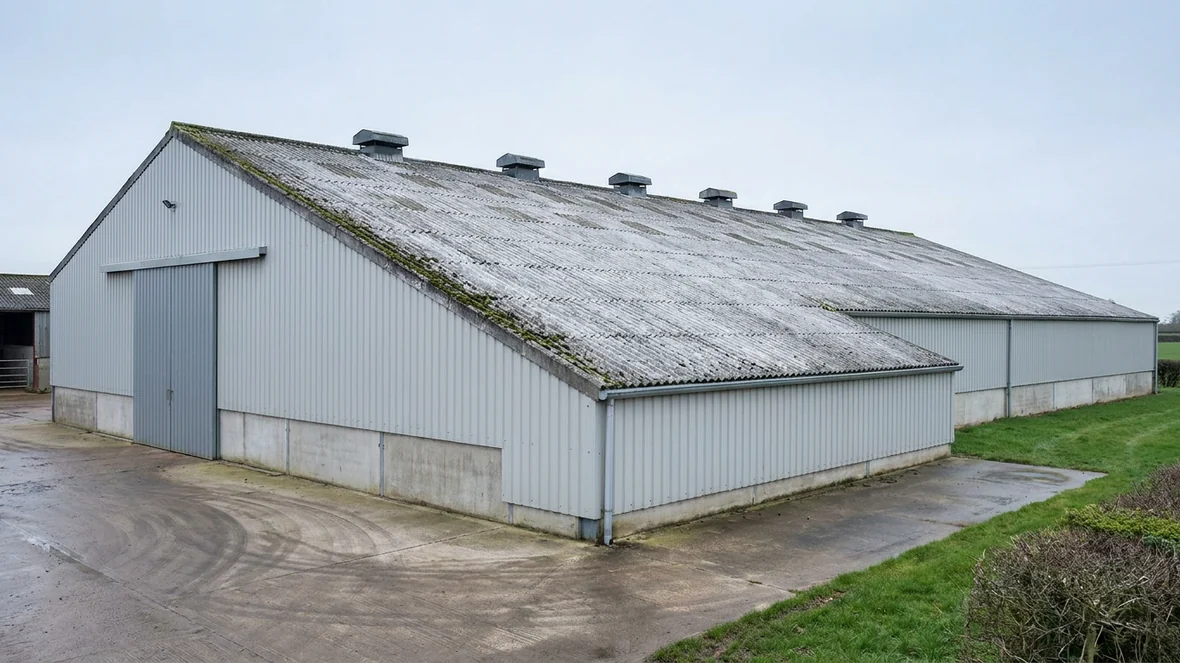
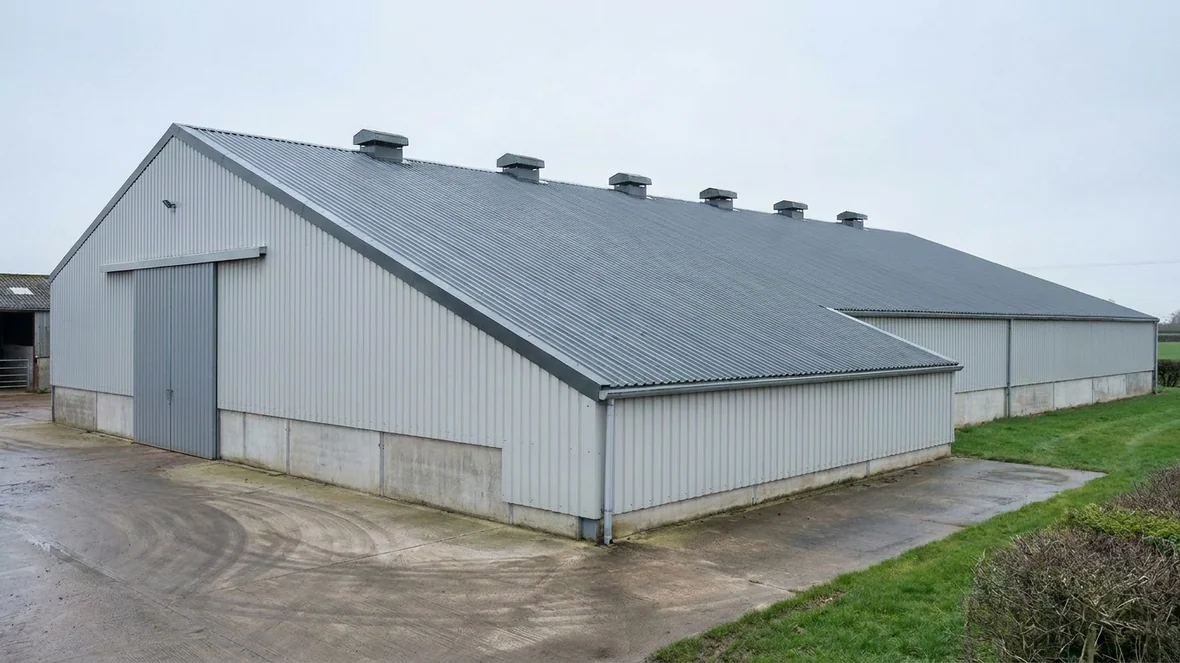
These are our own photographs from jobs of the same type. They are not stock images, and none of them is dressed up as something it is not. The caption tells you where each one was taken. We’ve seen these conditions on commercial and industrial buildings across the UK, including those in areas like Peterborough known for their brick-making heritage and modern distribution.
The types of asbestos roofs we see in Cambridgeshire
Peterborough’s growth after the war left it with a lot of industrial and distribution buildings. The older ones, along with workshops, depots and farm buildings out in the Fens, often have profiled asbestos cement sheeting from the post-war decades. The material has lasted better than anyone expected, but it doesn’t last forever. The cement erodes, the surface gets porous and chalky, moss takes over the north-facing slopes, and fibre release slowly increases as the matrix breaks down. A roof in that state isn’t an emergency, but it is a liability the law expects you to manage, and it certainly won’t help you find a new tenant or buyer.
Keeping your asbestos management plan up to date
Encapsulation is a management measure, so the paperwork is as important as the coating. Our survey findings, the specification, the work we carried out and the recommended re-inspection interval all need to go into your asbestos register and management plan. We give you all that in a format you can file. That leaves you with a documented, defensible position: material identified, condition assessed, deterioration stopped, review date set. This clear paper trail is essential for landlords and agents, offering transparency during pre-sale or re-letting due diligence. We’re based in the South-East and work across the UK; Peterborough and the surrounding area are well within our reach.
What the duty holder’s regulations require
The Control of Asbestos Regulations 2012 says that whoever controls maintenance for a non-domestic building has to identify asbestos-containing materials, check their condition, and manage the risk with a written plan that stays up to date. Removal is one way to tick that box; managing the material in place is another. For asbestos cement in decent nick, HSE guidance generally backs that second option. Encapsulation strengthens that ‘in-place’ route because it stops the deterioration you’d otherwise just be logging at every re-inspection. This active management is a significant plus when presenting a property.

How we apply the coating system
Preparation is most of the job. We clean the roof using controlled, non-abrasive methods, because blasting or aggressive washing would kick up the very fibres we’re trying to contain. We treat any growth, sort out minor defects and loose fixings, safely manage fragile roof lights, then apply the encapsulant coating to the manufacturer’s spec. The finished system seals the surface, sheds water properly and locks the remaining fibre risk inside a maintained coating. We work from outside the building, so your warehousing and production can usually keep going underneath. This efficient approach means less disruption, which is crucial when you’re trying to minimise void periods or prepare for viewings.
We treat every Peterborough asbestos roof as fragile until the survey says otherwise, and the coating or paint system is chosen for the sheets in front of us.
When we recommend removal instead of an asbestos coating
We won’t recommend encapsulation if a roof simply can’t take it. These are the things that make us lean towards removal:
- Widespread cracking, holing or patch repairs across the roof area
- Delamination, or sheets turning soft and friable
- Crumbling edges, laps and fixing points
- Impact or storm damage that has broken sheets through
- A structure or purlins in doubtful condition beneath
- Redevelopment or demolition on the horizon
Find any of those on a Peterborough survey and we’ll tell you the coating budget is better spent on the removal route, done by a contractor working under the proper controls. Our survey is always honest about the best path forward, even if it’s not the one you initially hoped for.
Common questions about asbestos roof encapsulation Peterborough
Can an asbestos cement roof be coated safely?
Yes, provided the sheets are sufficiently sound and the work follows an appropriate asbestos plan of work. We begin with a survey of the roof, access requirements, fragile areas, drainage and surrounding occupied spaces. Preparation methods must minimise fibre release, and debris and wash water must be controlled rather than allowed to enter the drainage system or surrounding ground.
Will encapsulation stop an asbestos roof from leaking?
Encapsulation can resolve many leaks caused by porous sheets, tired fixings, open laps and local defects. It is not a substitute for structural repair. We identify the likely routes of water entry first, then address fixings, joints, cracks, penetrations and interfaces before applying the main coating system.
Can badly damaged asbestos roof sheets be encapsulated?
Not always. Isolated defects may be repairable, but extensively fractured, delaminated or structurally unreliable sheets are poor candidates for coating. If the roof cannot safely support the preparation and application process, replacement is normally the more responsible recommendation.
Can the building remain in use during the work?
Often it can, although this depends on access, occupancy, air intakes and the activities carried out below the roof. We consider exclusion zones, internal protection, delivery routes and the control of debris during the survey. Where operations cannot be adequately separated from the work, temporary restrictions may be necessary.
How long does asbestos roof encapsulation last?
Service life depends on the existing roof condition, preparation standard, coating specification, exposure and future maintenance. A sound survey matters more than a broad lifespan claim. Regular inspections should continue after encapsulation so that damaged areas, blocked gutters and movement around fixings can be dealt with promptly.
Asbestos roof coating or replacement: which is the better option?
Asbestos roof encapsulation in Peterborough can be a practical choice where the sheets remain broadly sound but have become weathered, porous or prone to leakage at laps and fixings. It retains the existing roof covering, limits disturbance and can avoid the wider disruption associated with stripping and replacing asbestos cement sheets.
Coating is not automatically the better answer. Replacement wins when deterioration is widespread, sheets are extensively cracked, the supporting structure requires major work or the roof layout no longer suits the building. It may also be preferable where a refurbishment requires substantial changes to insulation, rooflights, ventilation, drainage or service penetrations.
- Encapsulation is generally suited to a stable roof with defects that can be repaired and prepared safely.
- Replacement provides a new roof build-up and greater freedom to alter thermal performance, detailing and roof configuration.
- Encapsulation usually causes less disturbance to the asbestos-containing material, but it leaves that material in place for future management.
- Replacement removes the existing sheets, but requires controlled removal, transport and disposal together with careful protection of the occupied building.
- Neither option should be selected solely from ground-level appearance; close inspection of the sheets, fixings, structure and internal condition is required.
We assess both routes rather than treating coating as the default. If preparation would be unsafe, repairs would be disproportionate or the substrate is unlikely to support a durable coating system, we recommend replacement instead.
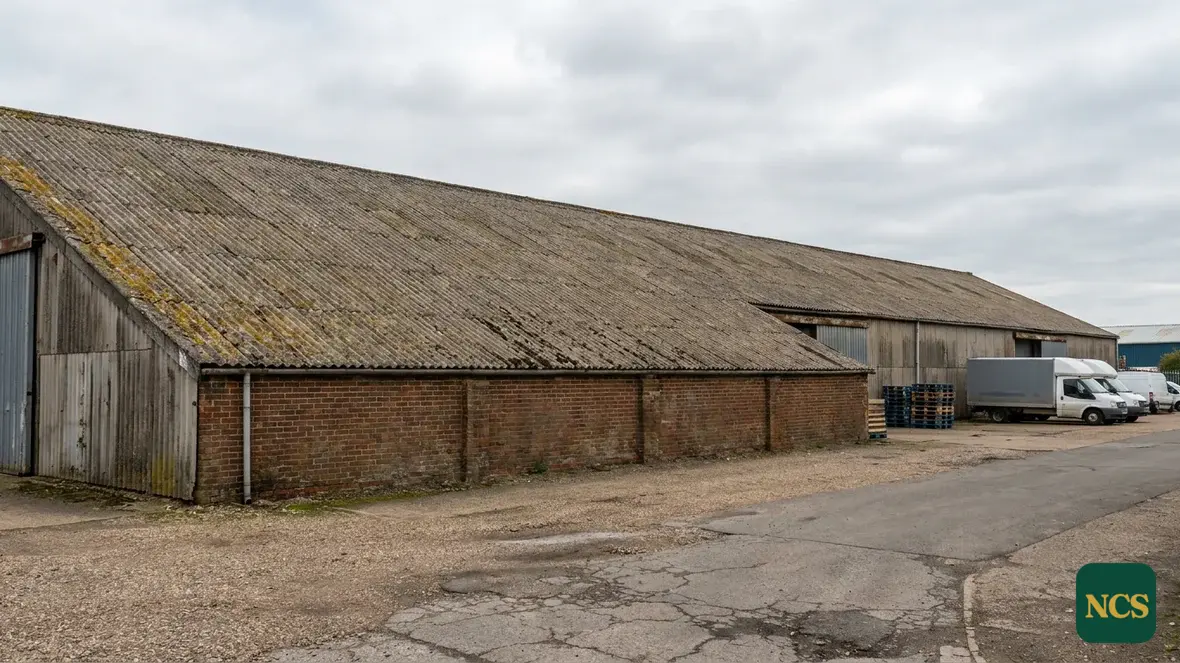
Preparation and detailing before an asbestos roof is coated
The finish coat is only one part of the work. Most avoidable failures begin at preparation and detailing, particularly around fixings, side laps, end laps, rooflights, ridge pieces and penetrations.
We first establish safe access and identify fragile areas. The roof is then cleaned using a controlled method appropriate to asbestos cement. Loose surface growth, dirt and unstable material must be removed without aggressive abrasion. Run-off, residues and debris are contained and handled in accordance with the plan of work.
Once the surface is clean and dry, we examine it again. Defective fixings may need to be secured or replaced, open laps closed, and local cracks treated with a compatible reinforced detail. Particular care is required where asbestos sheets meet metal flashings, masonry, gutters or translucent roof panels, as differential movement commonly exposes weak detailing.
Application conditions also matter. We do not coat a damp substrate or proceed when wind, rain or temperature would compromise coverage, curing or control of overspray. The coating is applied evenly across the prepared surface, with additional attention to repaired areas and vulnerable junctions. Final inspection includes the roof finish, outlets, gutters and any areas protected during the work.