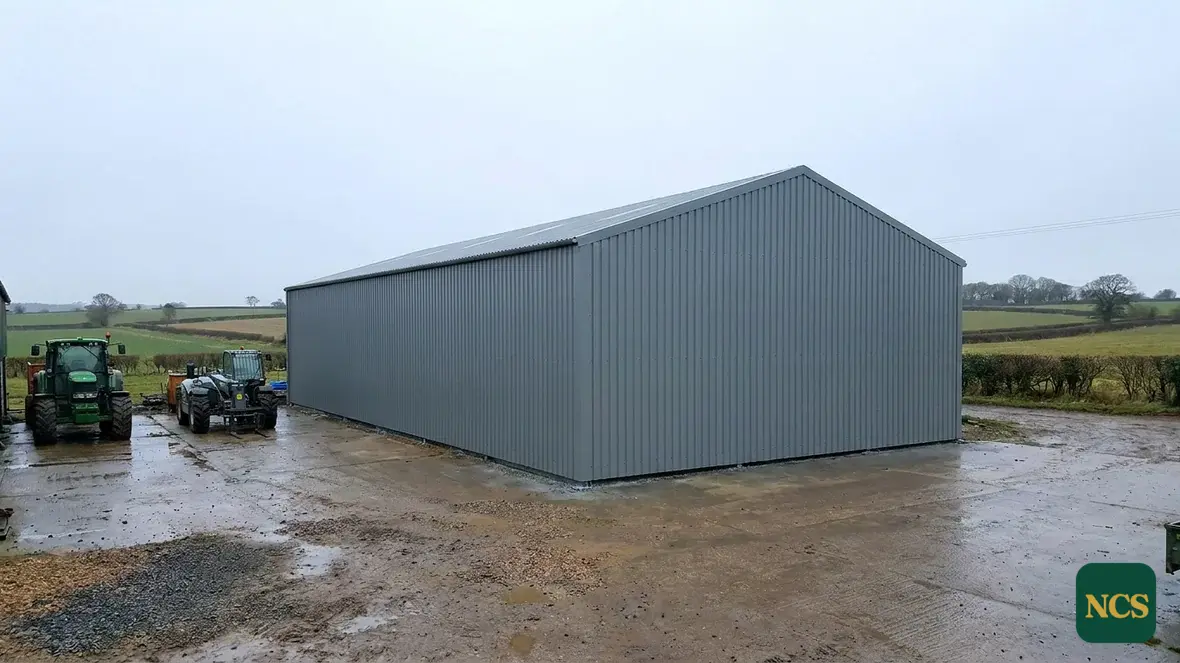
Coating agricultural buildings around Peterborough
The farmland around Peterborough runs from fen-edge arable to mixed holdings. The buildings follow suit: steel portal-frame grain stores, machinery sheds sized for modern kit, older asbestos-cement roofed barns, and on many farms a building or two now earning rent as storage rather than housing crops. Whatever the use, the failure pattern is familiar. Roofs put up thirty or forty years ago have reached the stage where the surface is gone even though the sheet and the frame are not: chalking and rust on profiled steel, porosity and moss on fibre cement, rooflights turned brittle and yellow. A surveyed, properly prepared coating system deals with that stage well. Our work around Peterborough starts with establishing whether your building is at that stage, or past it.
Why preparation decides whether a coating works
The coating itself is the visible part of the job, but the preparation is what determines whether it lasts. That means cleaning the substrate back to something sound, treating cut-edge corrosion properly rather than painting over it, resealing or refixing laps, dealing with failed fixings, and replacing any sheets or rooflights beyond saving before the system goes on. On fen-edge buildings that take wind-driven rain across open ground, laps and fixings are usually where the water is getting in, and agricultural building coatings that ignore them just hide the evidence for a season. Gutters get the same scrutiny: a long-span store draining through corroded bolts and failed joints needs that fixed as part of the package, not left as the next leak.
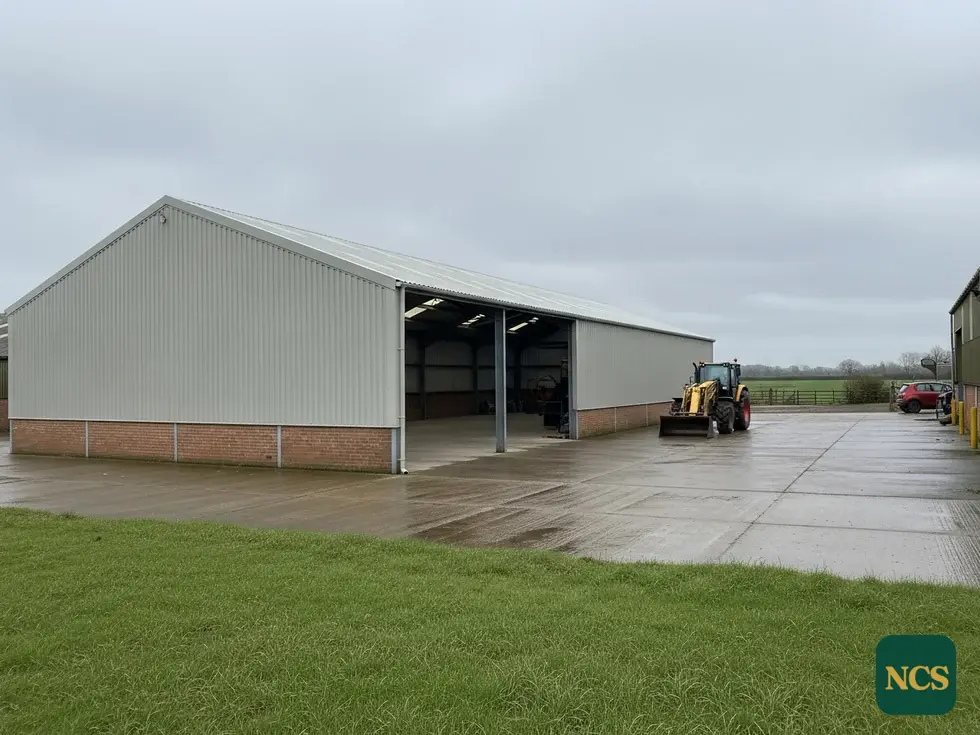
Working to the farm’s timetable, not ours
Around Peterborough the constraint is usually the store cycle. Grain has to be out and the building cleaned before roof work overhead makes sense. Everything has to be finished, cured and tidy before intake. Add cultivations, drilling and the general traffic of a working yard, and the realistic window is often narrower than the calendar suggests. Where buildings are let for storage, the tenant’s contents and access add another layer to plan around. We settle all of this at survey stage and put the programme in writing, including what yard space access equipment needs and how weather contingency is handled. Farms have enough variables without their contractor being one of them.
When we advise against coating
A coating contractor who says yes to every roof is not giving advice, just taking orders. We recommend against coating when:
- Fibre-cement sheets are cracked, delaminating or too fragile for safe preparation
- Steel sheeting is perforated or has lost real thickness, not just its finish
- The structure underneath needs attention that a coating would only cover up
- The building is likely to be replaced, extended or converted in the next few years
- Repair and preparation costs approach the cost of re-sheeting
In those cases the report says repair, partial replacement or full replacement, with the reasoning shown. Plenty of jobs end up hybrid: re-sheet the worst slope, coat the rest, renew the rooflights. The point is to put the budget where the building actually needs it.

Survey first across Cambridgeshire and beyond
We are based in the South East and work UK-wide, so Peterborough and the surrounding fen-edge farmland sit comfortably in our coverage. The survey is the foundation of every job: substrate condition, fixings, gutters, rooflights, previous repairs, current use and future plans, all assessed and written up with a clear recommendation. If that recommendation is not to coat, you will hear it from us first. If your store, barn or shed has reached decision time, book the survey and decide from facts rather than guesswork.