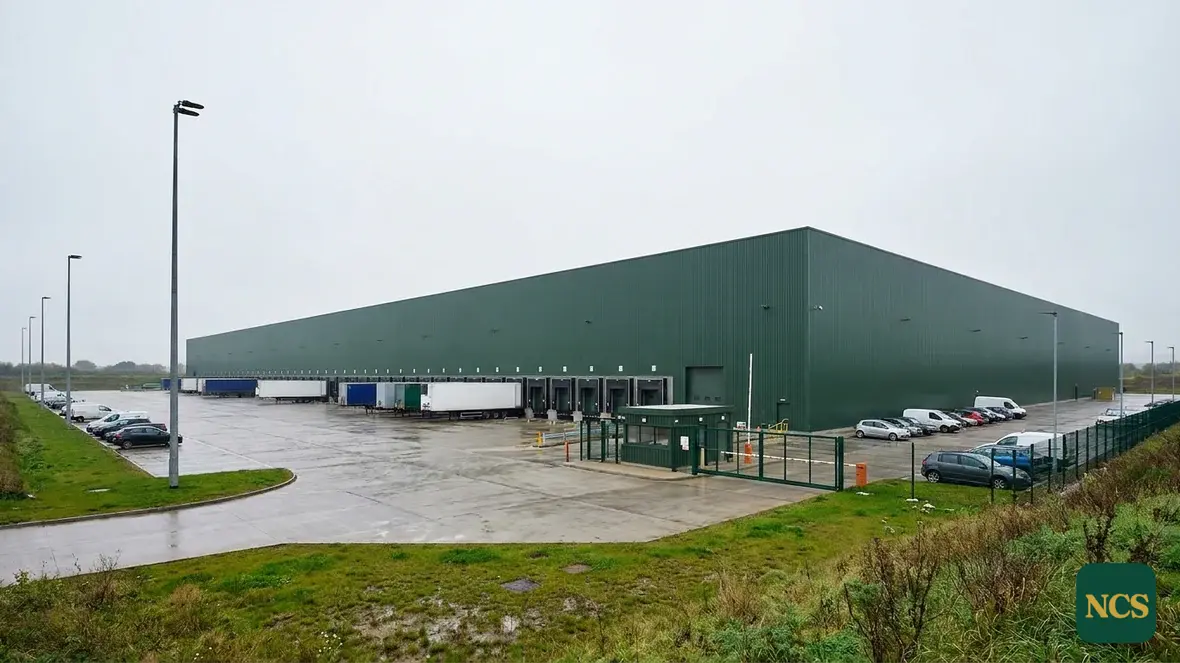
Commercial roof coating in Peterborough
Peterborough runs on logistics, distribution and manufacturing. That means big sheds, often with vast roofs, and when you’re dealing with that kind of scale, small defects aren’t small for long. A recurring lap fault or cut-edge corrosion that’s creeping under the sheeting isn’t a one-off problem; it repeats across hundreds of metres. For commercial roofs in Peterborough, coating is often the most economical way to deal with that kind of widespread wear. It renews the whole weatherproofing surface without stripping the roof or stopping the operation underneath. Whether it’s the right answer for your roof depends entirely on its current condition. We establish that with a survey, not by making assumptions.
Big roofs, flat country, constant wind
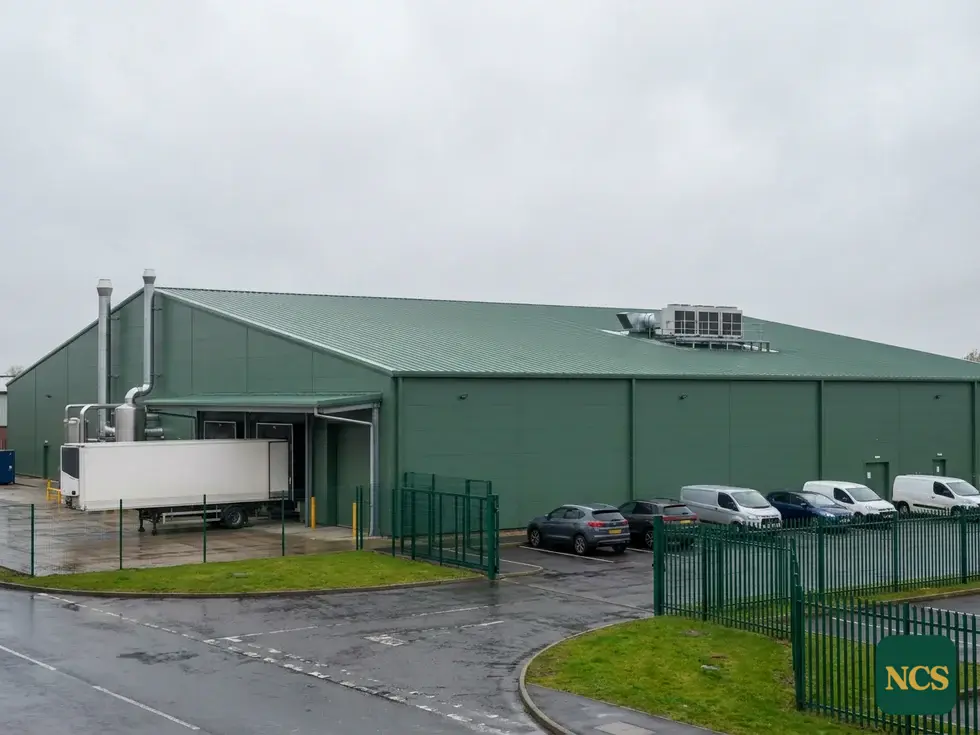
That fen-edge landscape around Peterborough gives the wind a free run. Exposed roofs here really feel it: wind-driven rain getting into laps and flashings, debris scouring long elevations, and uplift constantly testing every fixing line. The commercial buildings across this part of Cambridgeshire are mostly profiled steel on the warehouse and industrial parks. Older fibre cement and asbestos cement units are common on legacy sites and rural-edge buildings. Flat roofs usually cover offices and retail. On metal, we predictably find weathered finishes, cut-edge corrosion and fixing deterioration. Our survey measures exactly how far along that curve your roof actually is.
A proper roof painting job in Peterborough starts on the roof, not in a brochure. The surveyor checks the laps, fixings and cut edges before a system is named.
Survey, report, then specification
A credible price for a large roof always depends on a credible inspection. Our surveyor attends, gains safe access, and works the entire roof systematically. On this scale, sampling a small corner and extrapolating is how you build nasty surprises into contracts. The survey covers:
- The full roof area, not just a token section
- Cut edges, laps, fixings, rooflights and penetrations
- Moisture below the surface and the state of any insulation
- All repairs needed before coating, quantified honestly
- Phasing and access for a building that needs to keep operating
The written report then states clearly whether coating is appropriate, and if it is, exactly what specification we propose. We survey buildings across Peterborough and the surrounding area, including Stamford, Wisbech, March and Huntingdon.
Roofs that should not be coated
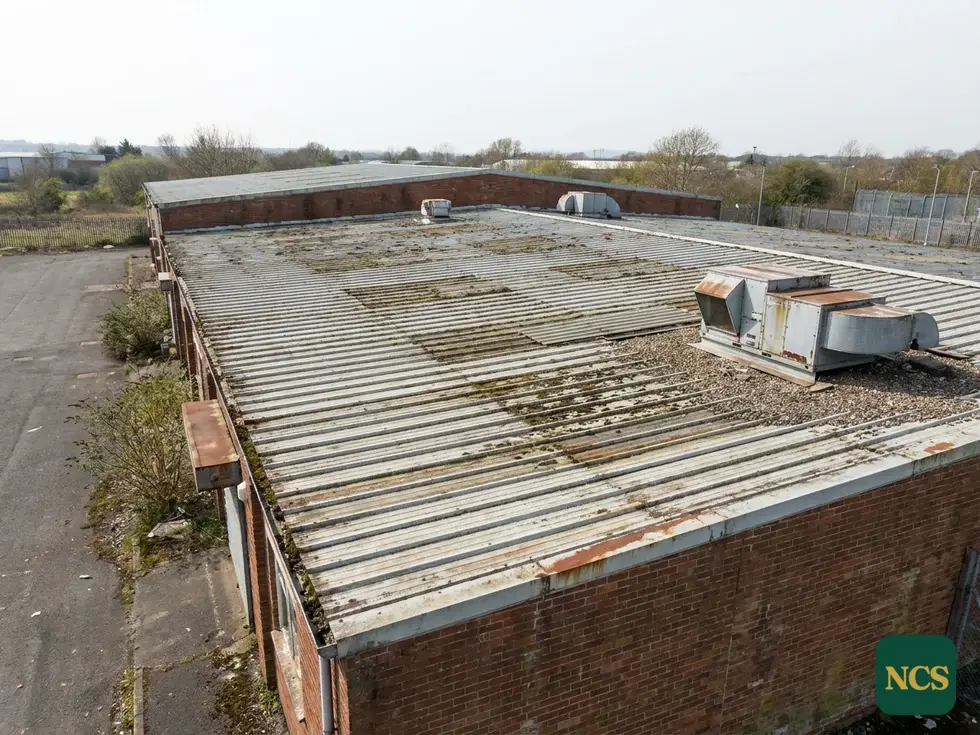
Some roofs just shouldn’t be coated. On big buildings, the cost of getting that call wrong is multiplied by the same areas that make coating attractive in the first place. Sheets perforated by rust, insulation saturated under a long-failed membrane, asbestos cement too fragile to work over, or decking past its structural best: these are all cases for repair or replacement. A coating over them is just money spent hiding a problem that will resurface on its own schedule. If that’s what we find, the report says so in plain terms. An honest ‘no’ on a 10,000 square metre roof is worth a great deal more than a hopeful ‘yes’.
What a survey-led contractor does differently
The difference shows before any work even starts. A survey-led contractor inspects the whole roof, writes a specification you can hold them to, prices preparation as the major item it really is, and tells you straight when coating isn’t the answer. For owners and facilities managers in Peterborough with serious roof area to look after, that approach turns a vague worry into a documented asset decision. The survey costs you a little time. Skipping it, on roofs this size, can cost a great deal more.



