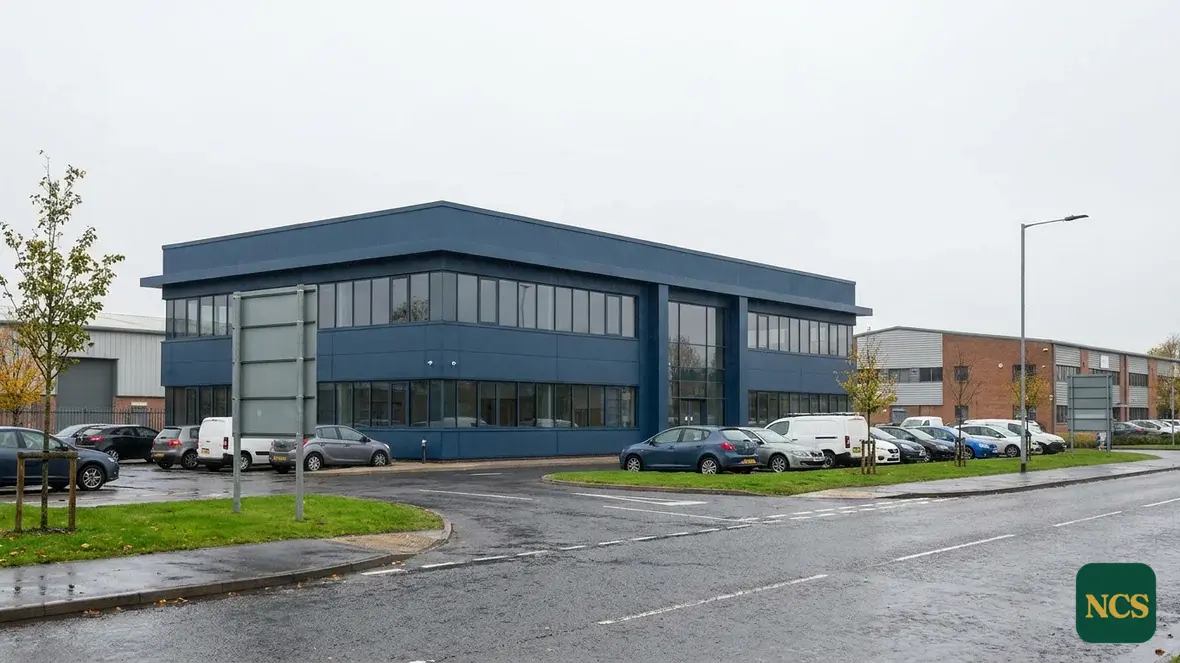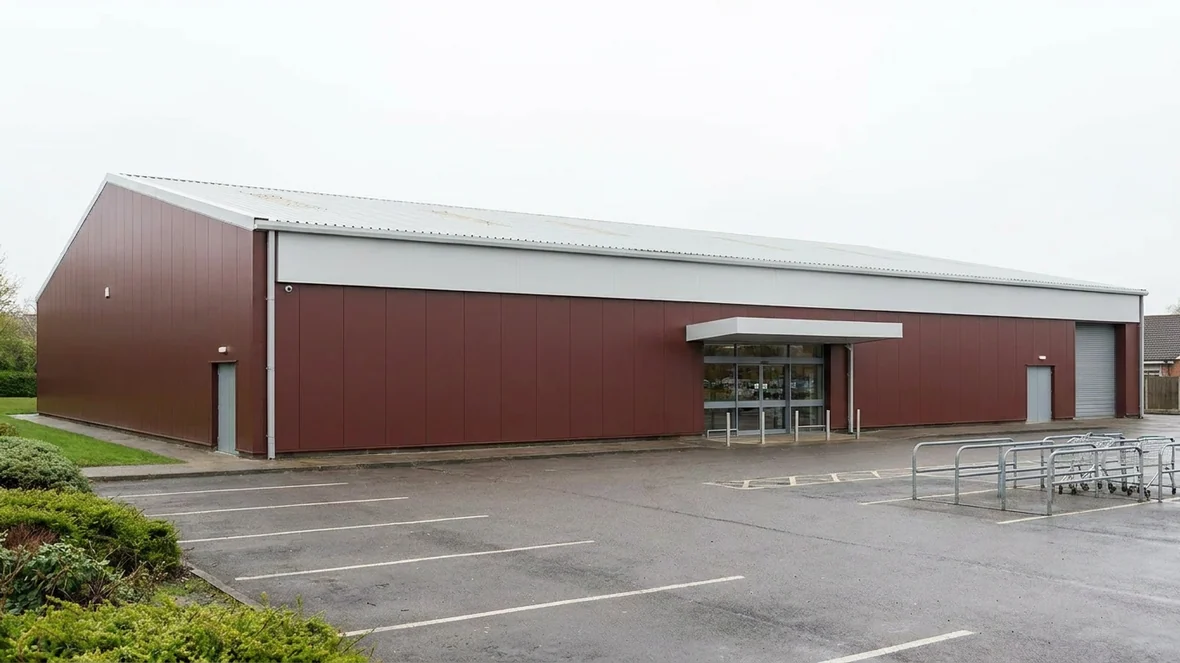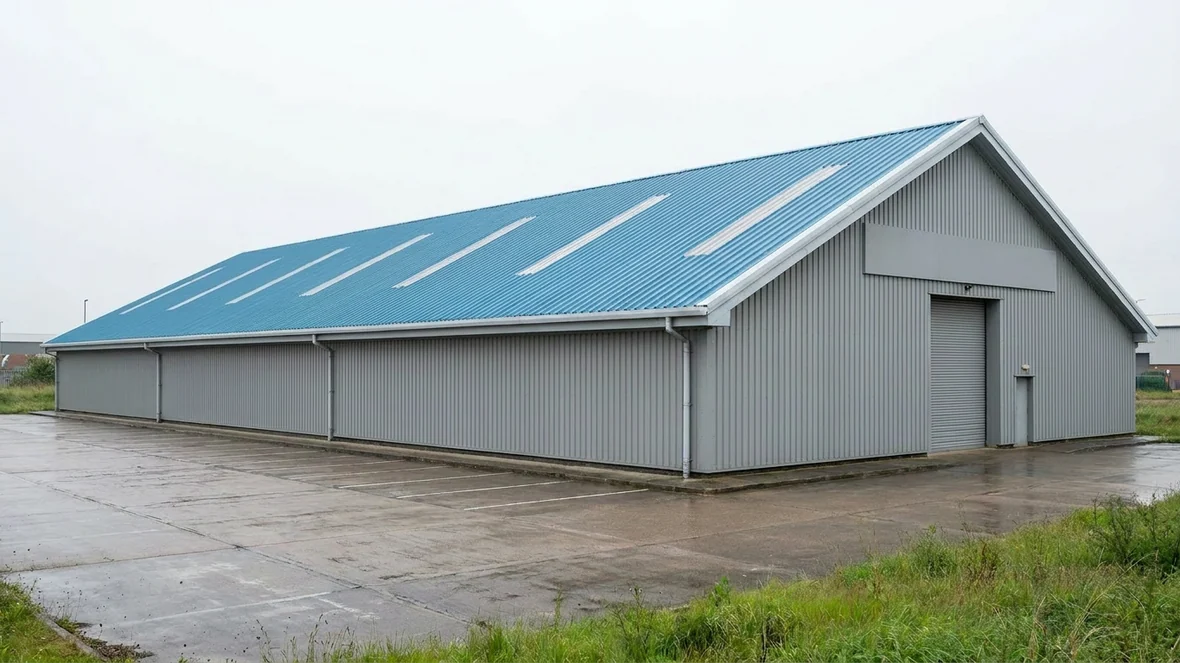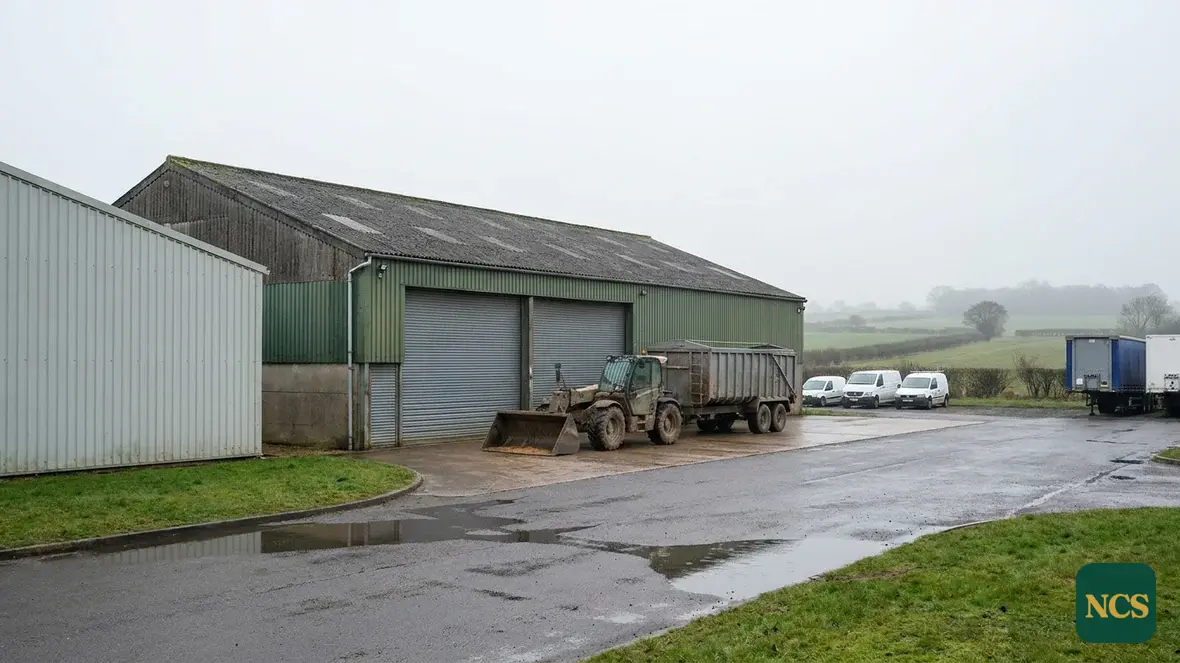




Agricultural Roof Coating Wiltshire from National Coating Specialists means one thing: we survey the building before we specify a system. Our agricultural roof coating wiltshire work covers commercial, industrial and agricultural buildings, and every job starts with a free, no-obligation site survey.
Why farm buildings across Wiltshire need roof coatings
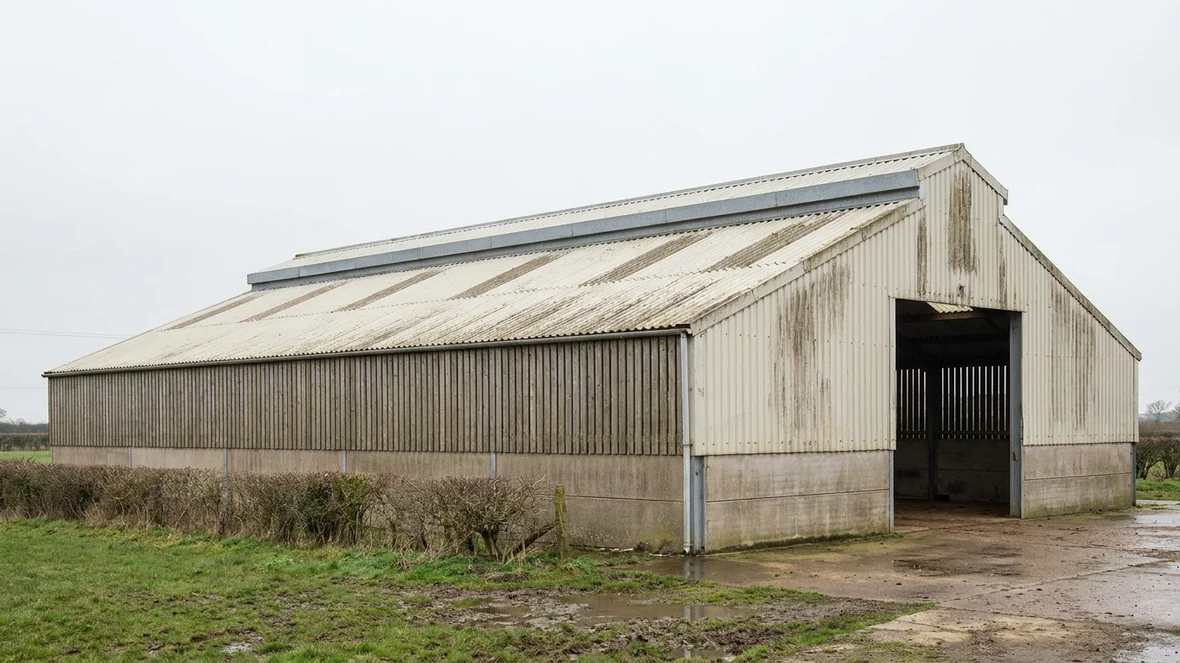
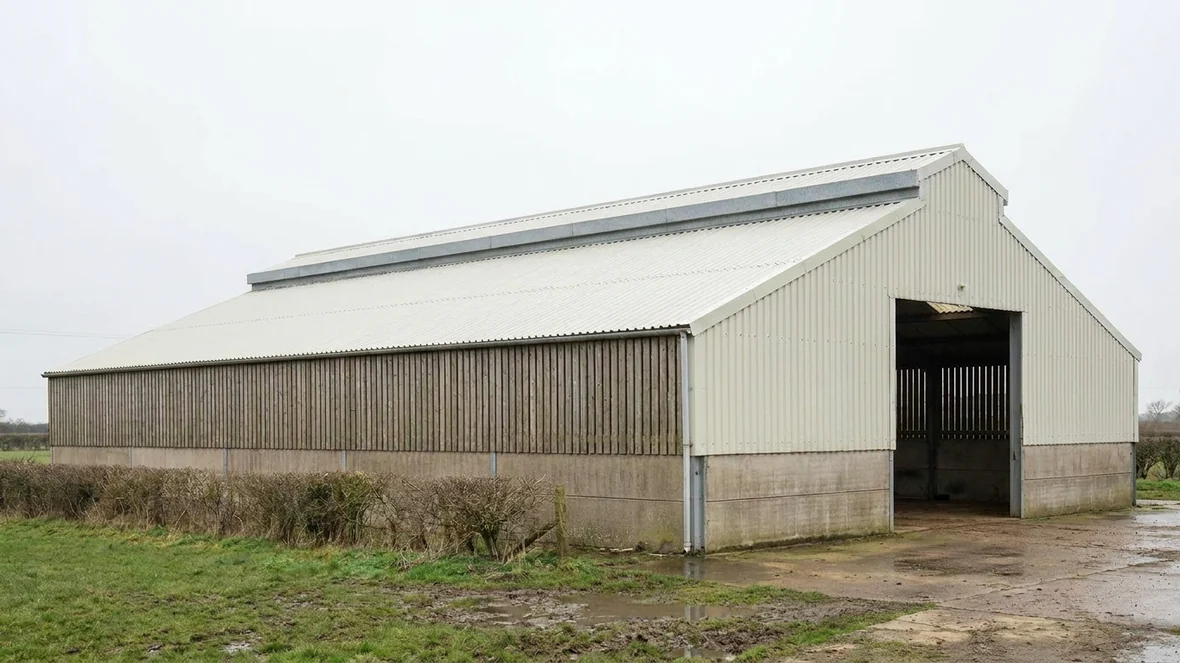
Farm roofs in Wiltshire take a beating. The county’s mix of livestock, arable, and dairy farming means we see everything from cattle sheds near Chippenham to grain stores around Devizes. Those roofs are constantly hit by weather, chemicals, and the building moving. A lot of them get to a point where coating is the smart choice over ripping the whole thing off, especially older asbestos cement or corrugated steel roofs that are still doing their job.
The agricultural roof stock of Wiltshire
Drive through the Vale of Pewsey or past Salisbury Plain and you’ll see the same old roof types. Fibre cement sheets are everywhere on older buildings, that wavy profile is unmistakable. Many have been there for decades, and asbestos cement versions are still common on working farmsteads around Trowbridge and Melksham. Newer builds often use profiled steel, but even those start to play up at the fixings and overlaps over time. The one thing they all share is exposure: UV light breaking them down, ammonia from livestock housing, and that sideways rain that just sweeps across open country.
What agricultural roof coatings achieve
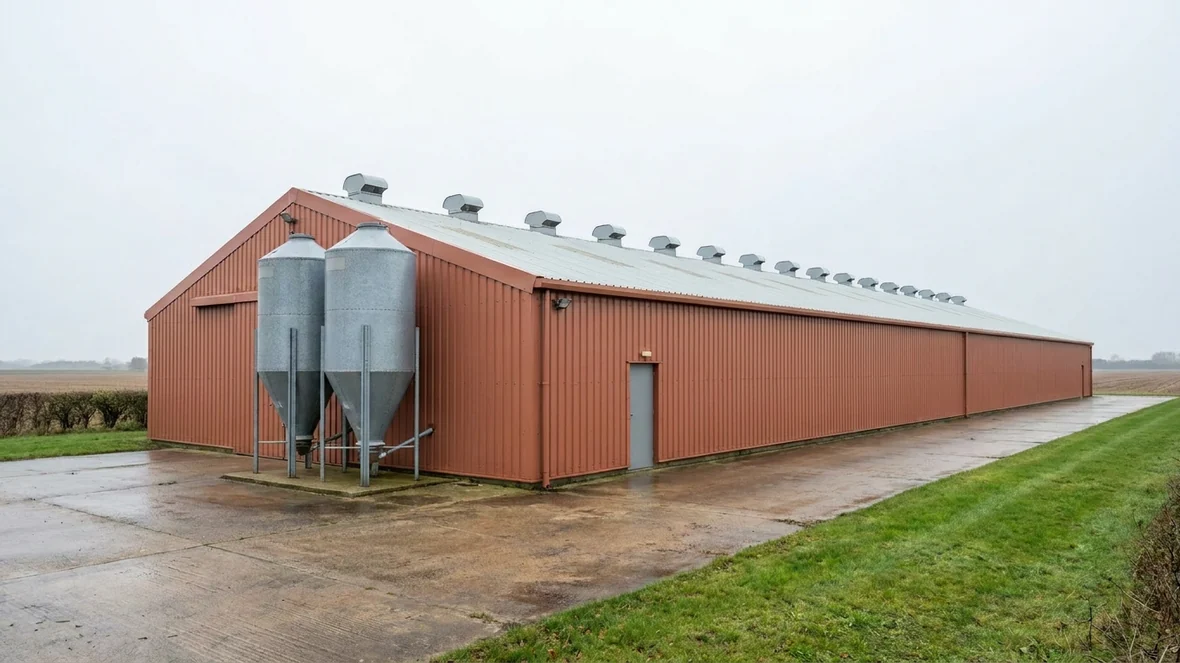
A properly put-on roof coating does more than just stop water getting in. On a grain store near Warminster, it might stop leaks contaminating a harvest. For a dairy unit outside Swindon, it could prevent ammonia corrosion eating away at the sheet edges. The right coating sticks to the roof material, bridging those tiny cracks in old asbestos cement while letting the roof move naturally. Crucially, it turns a constant headache into something you can manage, squeezing years more life out of buildings that would otherwise need pulling down.
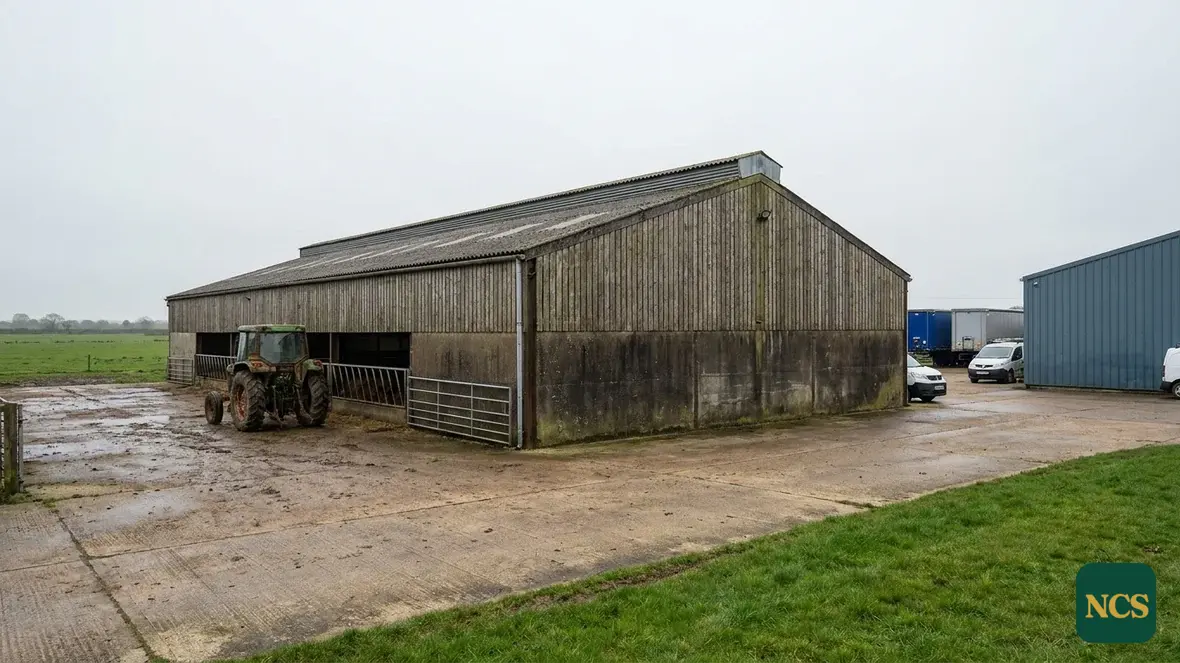
Asbestos cement sheets, cut edges and gutters
Our commercial painting teams always start every farm survey by looking at the usual suspects. On asbestos cement roofs, that means checking cut edges where fibres might be exposed, and the sealant lines where the sheets meet. Steel-framed buildings get our attention at the fastener points, which are prone to capillary action. We inspect all gutters for cracks that can undermine the whole drainage system. These are the weak spots that tell us if a coating alone will do the job, or if we need to fix things first.
Surveying around the farming calendar
We time our surveys to fit around your key operations. That might be after silaging winds down but before you start bringing in winter feed, or during that quieter window between lambing and shearing. It means we can get proper access without getting in the way of critical work. We map out every roof plane, note any leaks or rust blooms, and test the roof’s strength using proper methods. Only then can we say if coating is viable, or if certain sections need repairs beforehand.
- No two farm roof surveys are identical. Conditions can vary wildly even on one building.
- Whether a coating will work depends entirely on how sound the existing sheets are and how much life they have left.
- The prep work often takes longer than putting the coating on.
- Picking the right product is key. The wrong one will fail quickly under farm conditions.
Why the survey comes first
A farm roof isn’t just another painting job. If you don’t understand how ammonia exposure differs between a cattle yard and a poultry shed, or how a south-facing roof near Malmesbury gets hammered by UV, any coating you put on is likely to fail early. Our surveys pin down these variables before we recommend anything. You can learn more about agricultural roof coatings or book a free survey to get your buildings properly assessed.
Common questions about agricultural roof coating Wiltshire
Can a rusty agricultural roof be coated?
Often, yes, as long as the roof sheets are still sound. We check how bad the rust is, paying close attention to fixings, overlaps, cut edges, and any areas around roof vents. Any loose rust has to come off, and those areas need proper preparation before we put on a compatible protective coating. If sheets are severely thinned, perforated, or have lost their strength, it’s generally better to replace them.
Will roof coating stop leaks in a farm building?
Coating can protect a weathered roof, but it’s not a magic fix for leaks. Leaks caused by failed fixings, damaged sheets, open overlaps, dodgy flashings, or blocked gutters all need to be sorted first. We pinpoint likely water entry points during the survey and quote for those repairs separately from the coating work.
Can asbestos cement agricultural roofs be coated?
Some asbestos cement roofs can be coated, depending on their condition and a proper assessment. We have to do the work without disturbing it too much, and use the right access, cleaning, and containment methods. If the sheets are badly cracked, crumbly, or structurally unreliable, coating probably isn’t the answer, and you might need specialist replacement.
Does agricultural roof coating prevent condensation?
No, not on its own. Condensation usually comes down to moisture levels, insulation, ventilation, and temperature differences inside the building. A roof coating protects the outside surface but won’t fix poor ventilation or a badly designed internal environment. We make sure we’ve properly identified condensation versus actual rainwater leaks before recommending any work.
When is the best time to coat an agricultural roof?
The roof needs to be dry enough, and we need the right air and surface conditions during prep, application, and curing. Constant rain, low temperatures, strong winds, and heavy overnight condensation can all throw the programme off. We plan agricultural roof coating in Wiltshire around decent weather, not just putting material on because we’ve arranged access.

Agricultural roof coating or roof replacement?
Coating and replacement tackle different problems. Coating is right when the roof is still doing its job but the surface protection has worn out. After repairs and prep, a coating system can slow down further weathering and corrosion without you having to rip out perfectly usable sheets.
Replacement is the better call when the deterioration is structural, not just cosmetic. It usually wins when sheets are extensively perforated, brittle, badly bent, or just can’t provide a reliable surface for a coating. The same goes for widespread fixing failure, weakened purlins, constant movement, or a roof build-up that just isn’t suitable for a durable repair.
Replacement might also be the simpler route if you’re planning to change the building’s insulation, ventilation, what you use it for, or the roof-light layout. In those situations, trying to keep the old roof can just get in the way of bigger improvements.
Coating usually means less disruption and you keep more of the existing roof, but that’s only a benefit if the parts you’re keeping are actually worth it. We base our comparison on the roof’s condition, access, what you need the building for, and how much repair work is likely. We won’t recommend coating just to put off an unavoidable replacement.
- Choose coating when the sheets are sound and the deterioration is something we can prepare and treat.
- Consider replacing just a few sheets, then coating, if the problems are only in specific areas.
- Choose replacement when the weakness or failure is widespread across the roof.
- Always think about insulation, ventilation, and how you’ll use the building in the future before you decide.
- Make sure you include gutters, roof lights, flashings, fixings, and the supporting structure in your assessment.
How we prepare an agricultural roof for coating
Preparation is everything. It’s what decides if the coating actually sticks to the roof or just covers up existing problems. We start by identifying the sheet material, any old finishes, rust, moss, algae, any muck from livestock, and areas where water just sits after it rains.
Cleaning and contamination control
Dirt, chalking, moss, oils, and other grime all have to come off using a method that suits the roof material. Agricultural buildings can have deposits you don’t spot from the ground, especially near ventilation outlets and livestock pens. We let the cleaned surface dry out completely and double-check that we haven’t just spread the contamination around.
Corrosion, fixings and overlaps
Loose rust and flaking old coatings are removed right back to a stable edge. We assess corroded fasteners properly, rather than just painting over them, and replace any faulty washers or fixings where needed. Side laps, end laps, and cut edges get special attention because trapped moisture and movement often lead to them failing early.
Repairs before application
Split sheets, open joints, failed flashings, and damaged roof lights are all dealt with before we even start coating. We use sealants carefully, and only where the joint design and movement mean they’ll actually work properly. You shouldn’t expect a coating to bridge structural gaps or hold weakened sheets together.
Application and inspection
We only put on the specified system when the roof surface and weather conditions are right. We check coverage across the crowns, troughs, edges, and repaired areas, paying attention to the right film thickness and allowing enough time for curing between coats. Gutters, roof lights, vents, and any nearby surfaces are protected during the work, then we inspect the finished roof for any missed bits, thin coverage, or anything accidentally blocking drainage.
All access and work at height is planned in line with HSE work-at-height guidance.
Recently — July 2026
The starting point is always a proper survey of the sheets, laps, fixings and gutters, written up so you can see the condition for yourself.
Settled summer weather suits coating and spraying work, with stable temperatures and dry surfaces helping systems cure and bond as specified.