



Agricultural Roof Coating Oxfordshire from National Coating Specialists means one thing: we survey the building before we specify a system. Our agricultural roof coating oxfordshire work covers commercial, industrial and agricultural buildings, and every job starts with a free, no-obligation site survey.
Why farm roofs around Oxfordshire reach the coat-or-replace decision
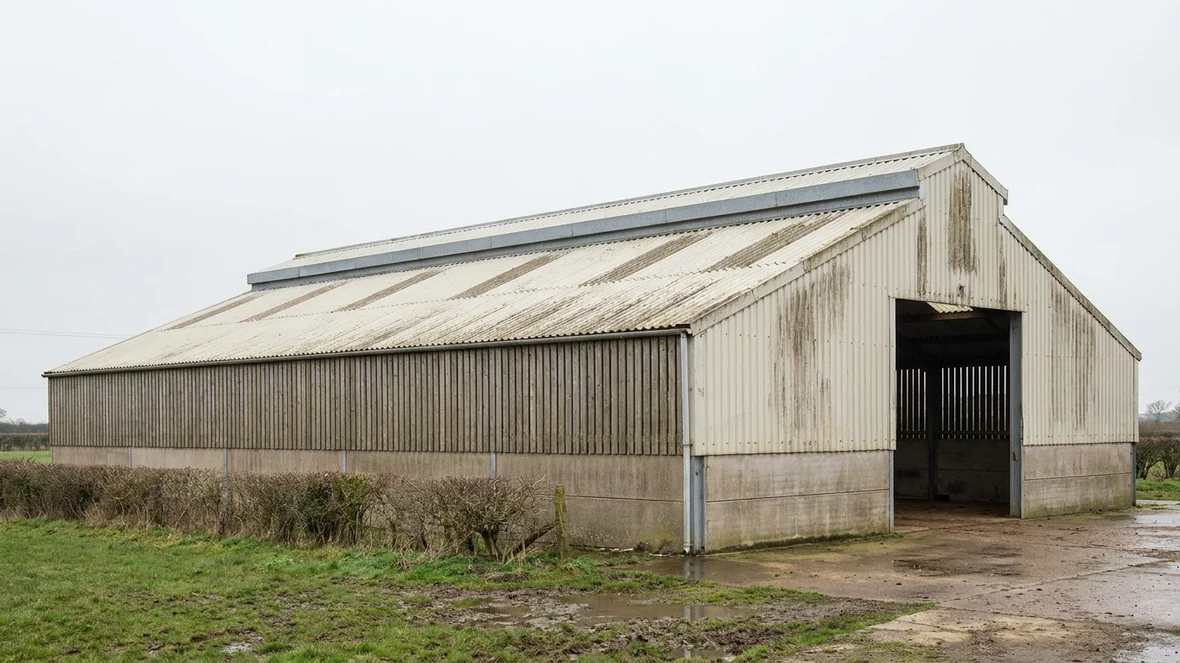
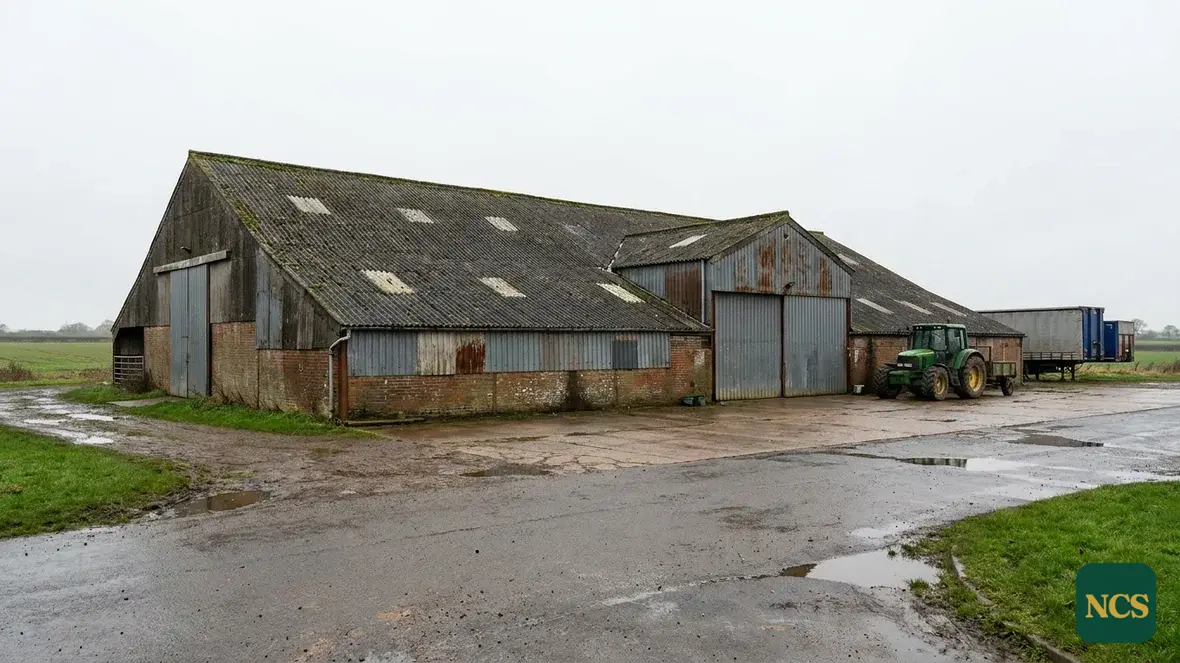
The agricultural buildings of Oxfordshire face a harsh reality after decades of exposure. From the Cotswold stone farms to the livestock sheds near Bicester, time takes its toll on roofing materials. We’ve seen fibre cement sheets become porous, steel profiles show their first rust blooms, and asbestos cement develop hairline cracks along the ridges. For many estates across the county, the choice comes down to a full roof replacement at eye-watering disruption or a professional coating system that buys another generation of dry storage.
The agricultural roof stock of Oxfordshire
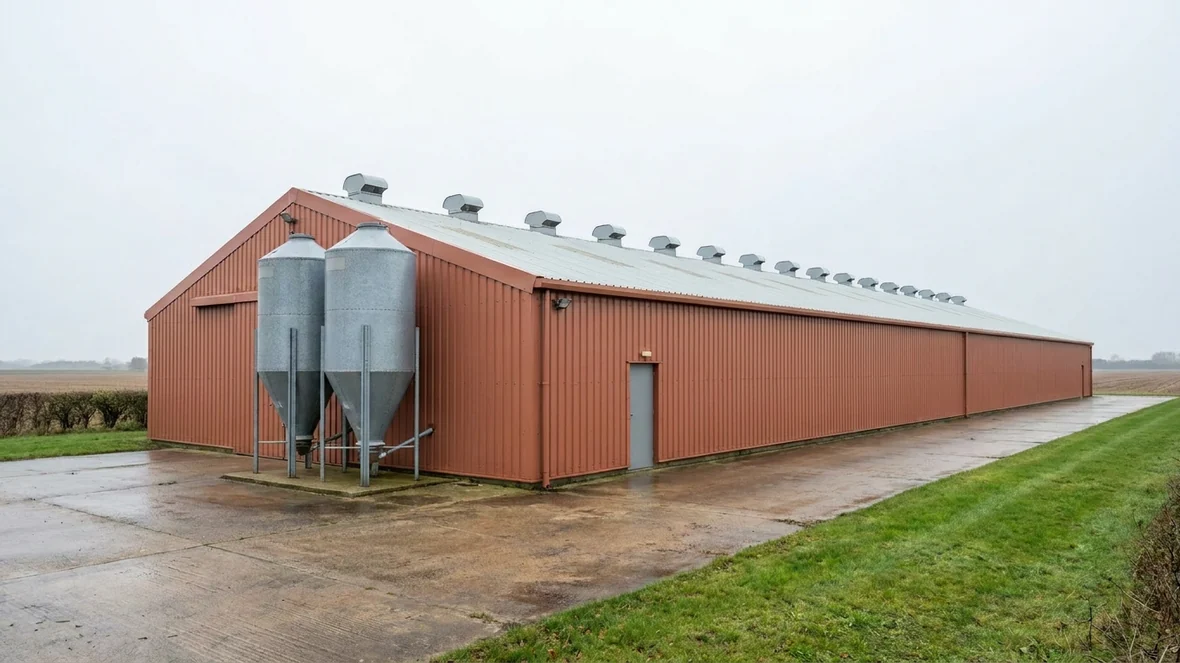
Drive through the Vale of White Horse or along the Thames Valley and you’ll see the same roof types repeating: corrugated fibre cement on grain stores near Wantage, asbestos cement sheets over cattle yards, and box-profile steel on modern poultry units. These materials share one vulnerability. Water finds a way in. The freeze-thaw cycles of Oxfordshire winters open micro-fractures in older fibre cement, while morning mists settle into the cut edges of asbestos sheets around Witney. Even galvanised steel, when scratched by branches or decades of pigeon traffic, starts its slow surrender to rust.
What agricultural roof coatings do
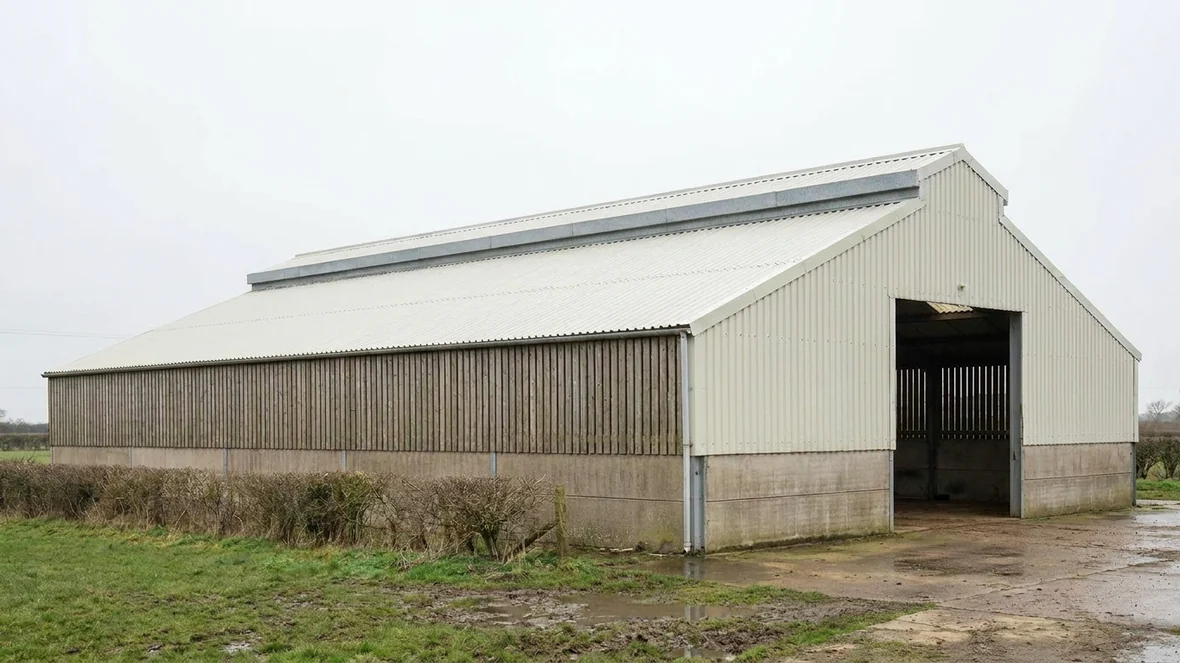
A properly applied roof coating transforms ageing sheets into a continuous waterproof membrane. For fibre cement roofs across Oxfordshire’s farming belt, it bridges hairline cracks and seals the porous surface. On asbestos cement around Abingdon and Didcot, it encapsulates any loose fibres while stopping water ingress at the overlaps. Steel roofs get a corrosion-blocking base layer before the final weatherproof finish. This isn’t just painting a barn roof. It’s a system that must flex with thermal movement, resist UV degradation, and shed water at low pitches common on older buildings.
- Seals leaks at sheet overlaps and fixing points
- Encapsulates asbestos fibres in situ where removal isn’t practical
- Arrests corrosion on steel roofs before perforation starts
- Extends roof life without the cost and mess of full replacement
- Maintains building warranties where coating is specified
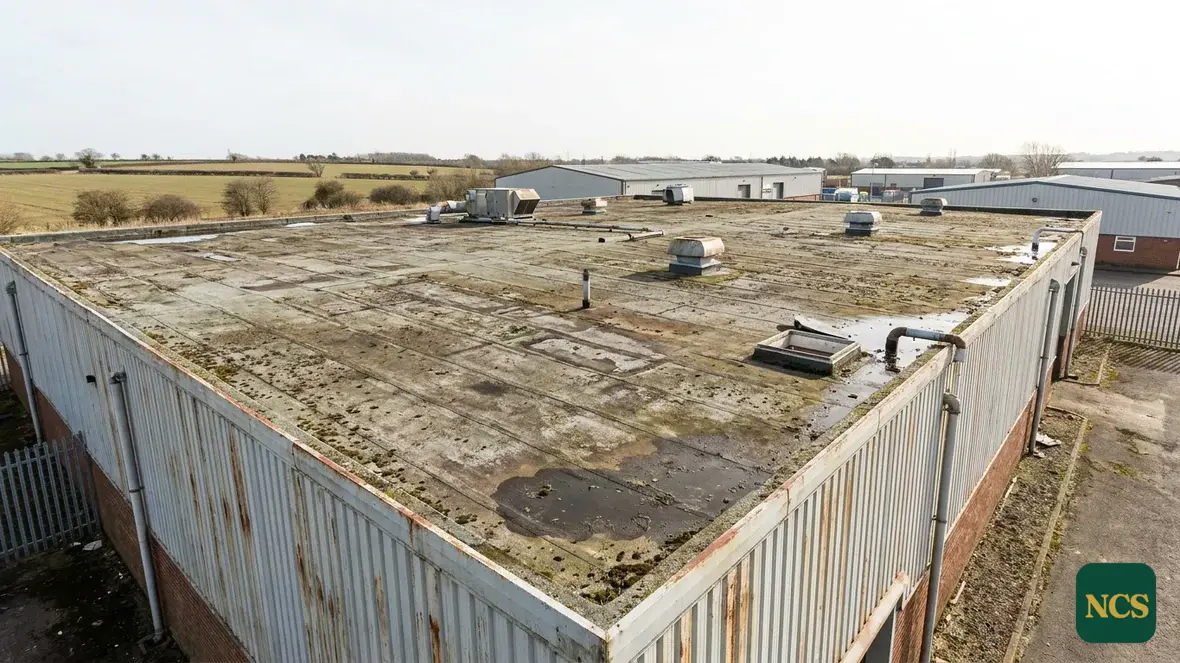
Asbestos cement sheets, cut edges and gutters
Our survey teams pay particular attention to three zones on Oxfordshire’s older farm roofs. First, the cut edges of asbestos cement sheets. These exposed ends wick moisture into the core material. Second, the gutters and downpipes, especially on listed barns where original cast iron is still in place. Third, any areas where roof lights or vents have been retrofitted, as these penetrations often show the first signs of water tracking. We document all this before recommending any coating work, because applying paint over unresolved issues just traps problems under the surface.
Our survey-led process around the farming calendar
Agricultural roofing doesn’t follow a standard commercial schedule. We time surveys between harvests for arable units, after winter housing empties for dairy farms, and during natural quiet periods for poultry producers. The process starts with a full photographic condition report, moisture readings on fibre cement, and corrosion mapping on steel. Only then do we specify whether a roof needs spot repairs before coating, or if the substrate is sound enough for system application. This approach saves Oxfordshire farmers from unnecessary work. We’ve walked away from jobs where replacement was the only responsible option.
Why the survey comes first
No two agricultural roofs in Oxfordshire age the same way. A grain store near Banbury might have UV damage but dry sheets, while a dairy unit in the Cherwell Valley shows condensation issues under apparently sound roofing. That’s why we never quote blind or assume a standard solution. Our surveyors look for telltale shadows under paint that signal substrate failure, test for asbestos in older buildings, and check how roof access will work around slurry stores or feed passages. Only with this local knowledge can we recommend whether coating is viable, or if partial replacement makes more sense for the long term.
Learn more about agricultural roof coatings or book a free survey.
Common questions about agricultural roof coating Oxfordshire
Can a rusty agricultural roof be coated?
Often, yes, provided the sheets remain structurally serviceable. We assess corrosion, fixings, laps, cut edges and any previous coating before recommending treatment. Loose rust and failed material must be removed, while active corrosion requires suitable preparation and priming. Coating is not a substitute for replacing sheets that have perforated, fractured or lost their strength.
Can you coat a fibre-cement farm roof?
Some fibre-cement roofs can be coated after a condition survey. The roof must be stable enough for safe access and compatible with the proposed preparation and coating system. Where sheets may contain asbestos, work must follow the relevant controls and avoid methods that could release fibres. A coating may improve weather protection, but it does not remove the underlying material or make a damaged roof sound.
Do leaks need to be repaired before roof coating?
Yes. Agricultural roof coating Oxfordshire buildings should form part of a planned repair process rather than being treated as a way to cover unresolved defects. We inspect likely leak paths, including loose fixings, damaged sheets, failed sealants, open laps, rooflight junctions, gutters and penetrations. Necessary repairs are completed before the main coating is applied.
Can an agricultural roof be coated in cold or wet weather?
Application depends on suitable weather, surface temperature and drying conditions. Rain, condensation, frost and strong winds can all compromise preparation or curing. We plan work around an appropriate weather window and check that the substrate is sufficiently dry before coating. Exposed sites and shaded roof slopes may require additional drying time.
How long does agricultural roof coating last?
Service life depends on the roof material, its condition, the quality of preparation, exposure, drainage and ongoing maintenance. There is no useful blanket answer for every farm building. A roof beneath trees, close to livestock ventilation outlets or exposed to persistent standing water will face different demands from a clean, well-drained roof. Periodic inspection and prompt attention to local damage help preserve the completed system.
How we prepare profiled agricultural roofing for coating
Preparation determines whether a roof coating can perform as intended. We begin with a close inspection of the sheets and associated details, rather than assuming the entire roof requires identical treatment. This allows us to distinguish between sound areas, local corrosion, failed previous coatings and sections that need repair or replacement.
Cleaning and removal of defective material
Dirt, chalking, moss, organic growth and loose coating can prevent adhesion. Cleaning is selected to suit the roof substrate and its condition. Fragile or potentially asbestos-containing materials require a different approach from sound profiled steel. Wash water, debris and residues must also be controlled so that they do not enter gutters, yards or drainage systems unchecked.
Treating corrosion, laps and fixings
On metal roofs, we remove loose corrosion and unstable coating back to a firm edge. Particular attention is given to sheet laps, ridge details, cut edges and areas around fixings, where moisture is commonly retained. Corroded or loose fixings may need replacement, and perished washers should not simply be buried beneath coating.
- Open or suspect laps are assessed before sealing.
- Damaged sheets are repaired or replaced where coating would be inadequate.
- Rooflight edges and service penetrations are checked for movement and failed seals.
- Gutters and outlets are cleared so that water can leave the roof correctly.
- Bare or prepared metal receives the appropriate preparatory treatment before the main coats.
Applying a continuous, controlled finish
Once repairs and preparation are complete, the coating is applied evenly across the profiled surface, including crowns, valleys and detailed junctions. Coverage is monitored rather than judged solely by appearance. We also maintain clean boundaries around rooflights, vents and other components that should not be coated.
After application, we inspect the roof for missed profiles, thin areas, contamination and damage caused during access. Any necessary local correction is completed before the work is considered finished. This methodical approach is particularly important on agricultural roofs, where complex profiles and numerous fixings can make defects difficult to see from ground level.
Recently — July 2026
Long daylight and warm, dry days are when a coating cures and bonds best, so summer is a sensible time to get the work booked in.
If a coating is not the right call for your building, we will tell you that after the survey rather than sell you a job that fails.
All access and work at height is planned in line with HSE work-at-height guidance.