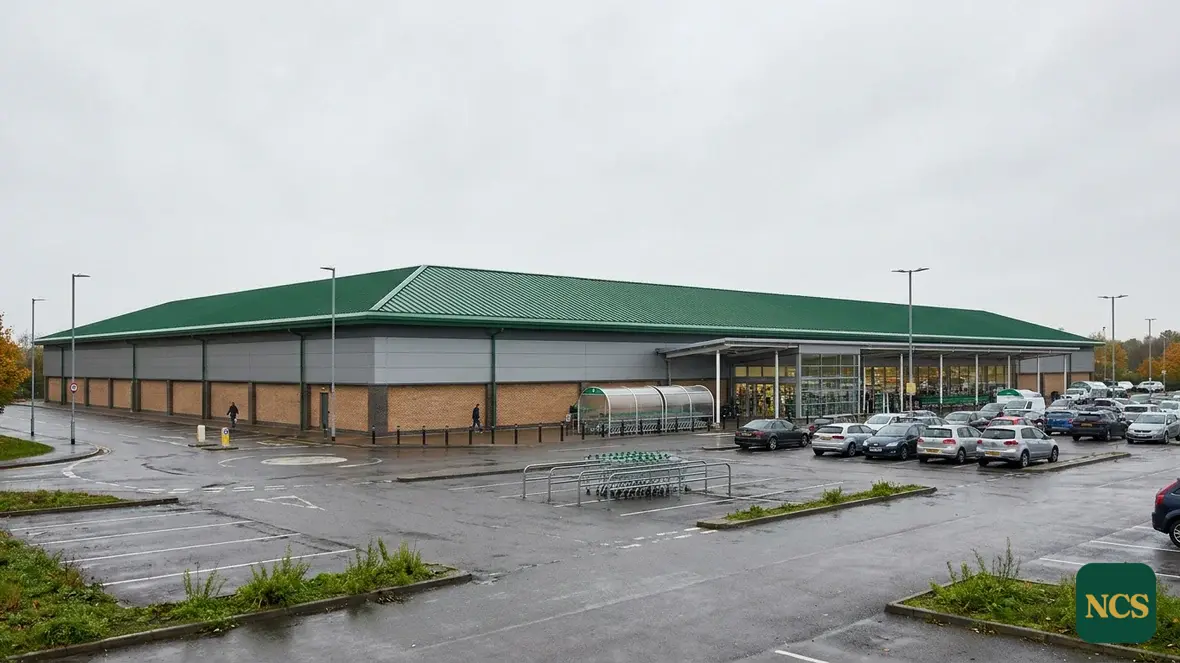
Roof coatings without shutting down your Exeter site
For the team running an occupied warehouse or factory unit, the hardest part of any roof project isn’t the roof itself, it’s keeping the operation underneath going. Around Exeter, with all the business parks and trading estates lining the M5 and on the city edge, taking a building out of service for re-roofing often just isn’t an option. That’s the practical case for industrial roof coatings: we never open the envelope, the building stays weathertight throughout, and we sequence our work around your deliveries, shifts, and yard movements instead of the other way round. We survey and coat industrial roofs in Exeter and across Devon, travelling from our South East base to sites UK-wide.
Warehouse and factory roof painting near Exeter starts at the fixings and cut edges, because that is where the water gets in first.
The South West climate and profiled metal roofs
Devon’s one of the wetter parts of England, and that moisture-laden Atlantic weather is hard on roof finishes. Profiled steel sheets rely on a factory-applied coating that just weathers steadily: it chalks, fades, and thins until you see bare metal. Then corrosion kicks in and speeds things up. In a drier county, that decline takes longer. Around Exeter, roofs spend more of the year wet, organic growth takes hold faster, and the window between it looking a bit tired and the real deterioration starting is shorter than many maintenance plans allow for.
A coating system, put on while the substrate is still sound, replaces that worn finish with a continuous, fully bonded weatherproof layer over the whole roof. It seals the laps, fixings, and details against exactly this kind of climate.

Cut-edge corrosion: catch it early or pay for sheets
The defect that usually decides most industrial roofing budgets is cut-edge corrosion. That’s rust forming on the unprotected steel where the sheets were cut, at the eaves, side laps, and end laps. Wet South West winters feed it. Moisture just sits in the overlap, the edge corrodes, and that deterioration tracks back under the finish, lifting it as it goes. If you catch it early, it’s routine work within a coating project: we mechanically prepare the edges, treat them, and seal them with a dedicated cut-edge system before the main coating goes on. If you leave it too late, when corrosion has weakened the lap itself, those affected sheets need replacing. That’s when the cost conversation changes completely. The difference between those two stages is usually two or three winters of doing nothing.
What we establish before specifying anything
We don’t quote from aerial imagery. Every recommendation we make follows a physical survey that establishes:
- Whether the sheets, laps, and fixings are structurally sound
- How far cut-edge corrosion has progressed, with photographic evidence
- The condition of gutters, valleys, rooflights, and penetrations
- Any internal signs of leaks or saturated insulation
- Whether coating is genuinely the right intervention for this roof
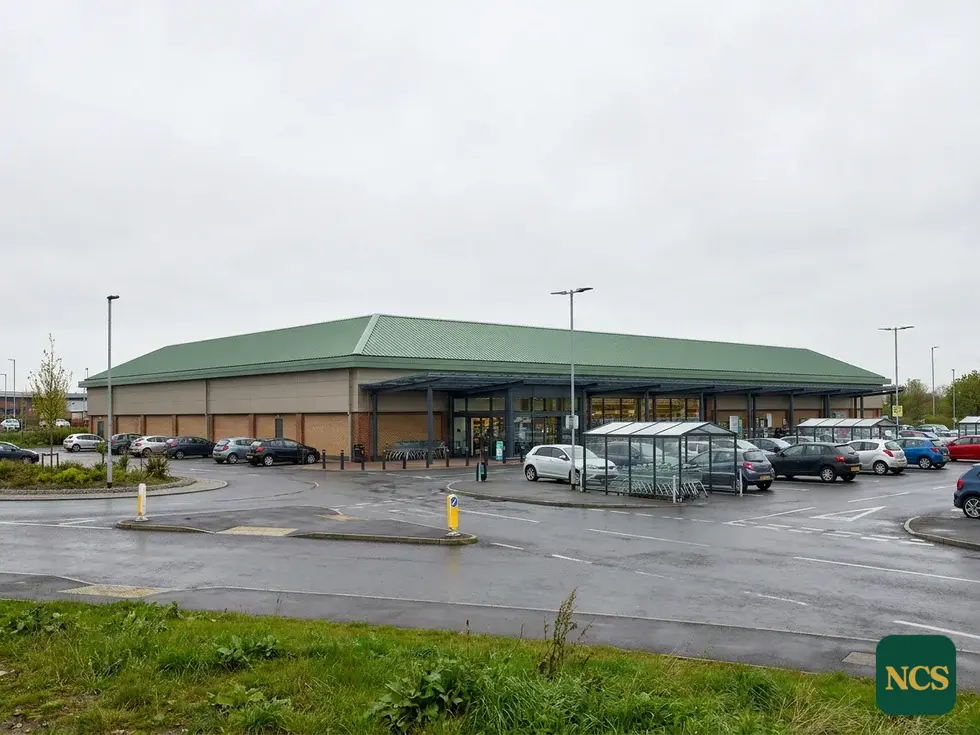
Where coating loses to replacement
Coating extends the life of roofs that still have life to extend. It’s the wrong answer for a roof with widespread perforation, corrosion that’s compromised the sheet strength or fixings, waterlogged insulation in a built-up construction, or permanent ponding caused by structural deflection. In those cases, we’ll recommend repair or replacement and say so in writing, even if it means talking ourselves out of a coating contract. An honest condition report is more useful to an estates team than a tidy-looking roof that fails again in two years.
Most of the roofs we survey haven’t crossed that line yet, and for those buildings, coating is usually the most economical option available. It’s a fraction of the replacement cost, there’s no strip-off waste, and your Exeter site keeps trading from the first day of work to the last. If your roof is showing its age, the survey will tell you exactly where it stands.