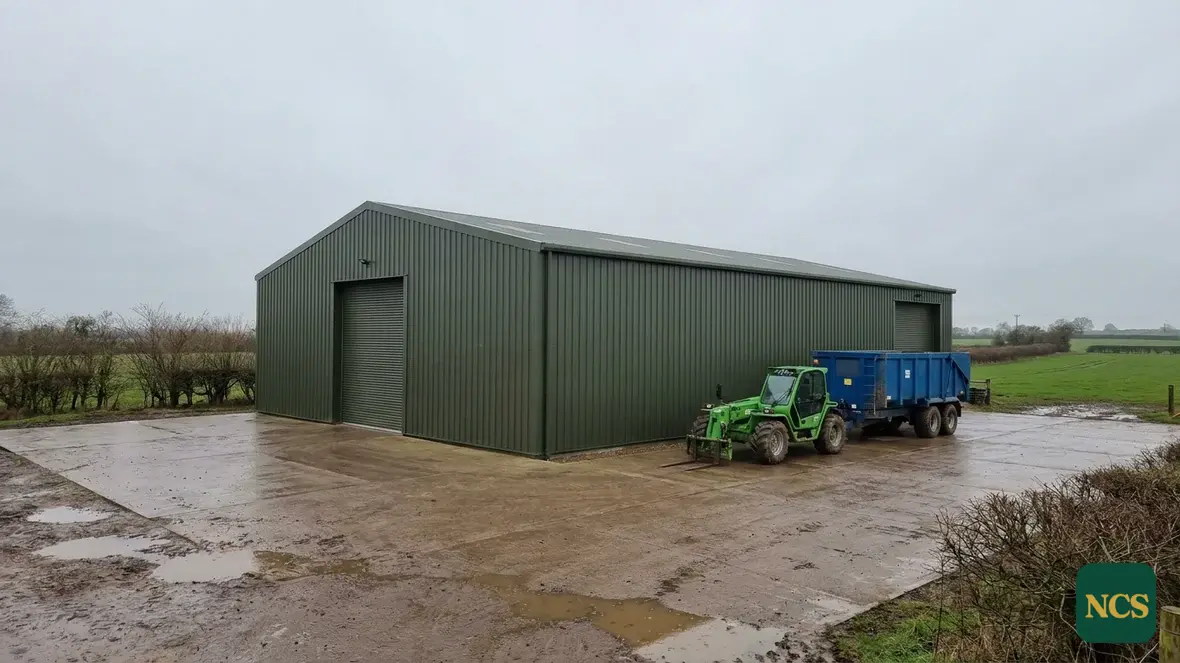
Farm building coatings on the rural edge of Leeds
You don’t have to go far beyond Leeds to reach proper farming country. The land rises towards the Pennine foothills and Wharfedale, mixing livestock pasture with arable on the lower ground. The agricultural buildings here range from old gritstone field barns to steel portal-frame sheds and clad grain and machinery stores. Most are sound structures that need the roof and cladding protected before weathering becomes water ingress. We survey and coat these buildings across the Leeds area, working from a South-East base on an UK-wide basis.
Our farm building painters cover Leeds and the surrounding holdings, and the specification is set by the building, not by a standard farm package.
What Pennine-edge weather does to farm roofs
Higher ground around Leeds takes more wind, more rain and harder frosts than the city sits in. Exposed slopes weather fast, north faces grow heavy moss, and fibre-cement sheets stay damp long enough for the freeze-thaw cycle to open hairline cracks year on year. On steel-clad sheds the factory finish goes first: chalking, fading plastisol, cut-edge corrosion and weeping fixings. Inside, livestock buildings add condensation that attacks steel from the underside. A coating programme protects the outer surface; our survey flags the internal condensation problems that no external coating will resolve on its own, so you get the full picture.
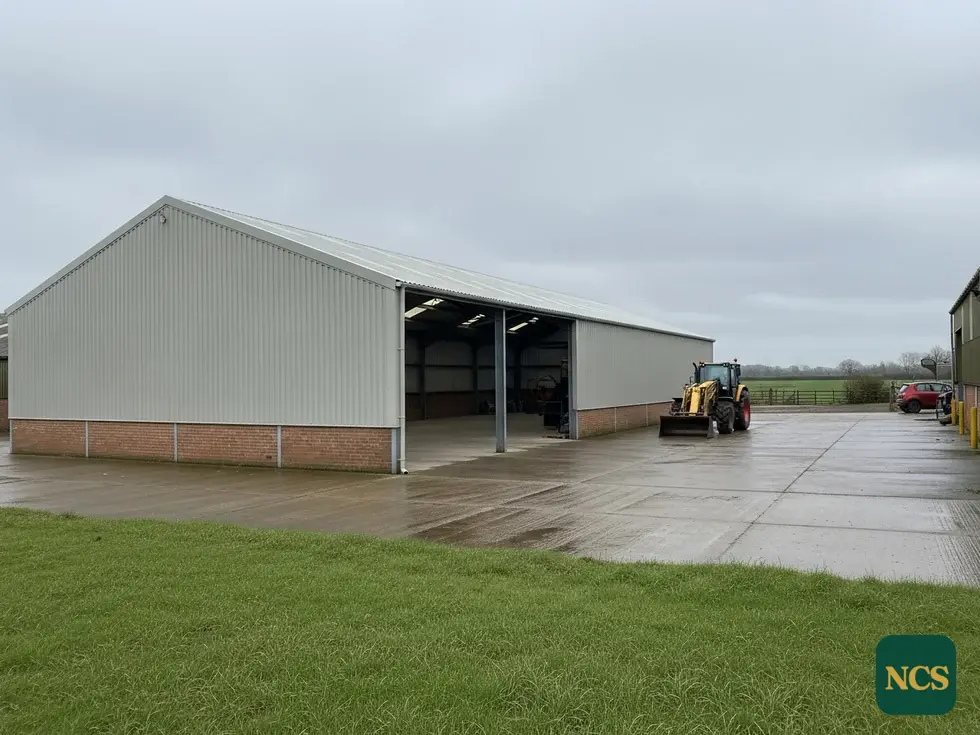
Coat, repair or replace: the honest version
We won’t coat a roof to hide its problems. Asbestos-cement that is porous, mossy and weathered but otherwise sound is often an excellent candidate for encapsulation, and coating it avoids the substantial cost of removal and disposal. Asbestos-cement that is cracked through, spalling or structurally tired is not, and pretending otherwise just defers the bill. The same logic applies to steel: cut-edge corrosion and faded plastisol respond well to treatment and recoating, while sheets rusted through need replacing before any coating goes near them. Our reports separate the three categories honestly: what can be coated, what needs repair first, and what is past the point where coating is good value.
The survey, and what it covers
Two sheds of the same age can be in entirely different condition, so every job near Leeds starts with an inspection on the ground. A typical survey covers:
- Substrate identification: asbestos-cement, fibre-cement, plastisol-coated steel or mixed roofs
- Defect mapping: cracks, holed or slipped sheets, failed laps and corroding fixings
- Rooflights, ridges and flashings, checked separately because they fail differently
- Rainwater goods, including the valley gutters behind a large share of farm leaks
- Access and operational constraints: stock, stored crop and machinery movements
The result is a written report and a recommended order of work, taken as one programme or phased across seasons as budgets allow. It also makes plain what is not worth spending on, which on an older field barn can be as useful as the list of what is. Where a roof sits on the borderline, we explain the trade-off rather than nudging you toward the bigger job, because the point of the survey is an honest decision, not a longer invoice.

Planning around the farming calendar
On these holdings the calendar pulls in two directions: harvest and silage on the arable and mixed ground, and the autumn housing of livestock. We plan to it. Grain and machinery stores get their window once the floor empties. Livestock housing is coated while animals are out at grass, with curing time allowed before they come back in. Coatings need dry substrates and reasonable temperatures, so programmes carry real weather contingency rather than promising the Yorkshire climate will keep to a diary. Where a farm wants the most exposed roof done first, we will phase the work that way and bring the rest of the buildings around Leeds into a rolling plan over the seasons that follow.
We carry out agricultural building coatings work in and around Leeds. For the full survey-led service and how we assess each building, see our Agricultural Building Coatings service, or request a free site survey.