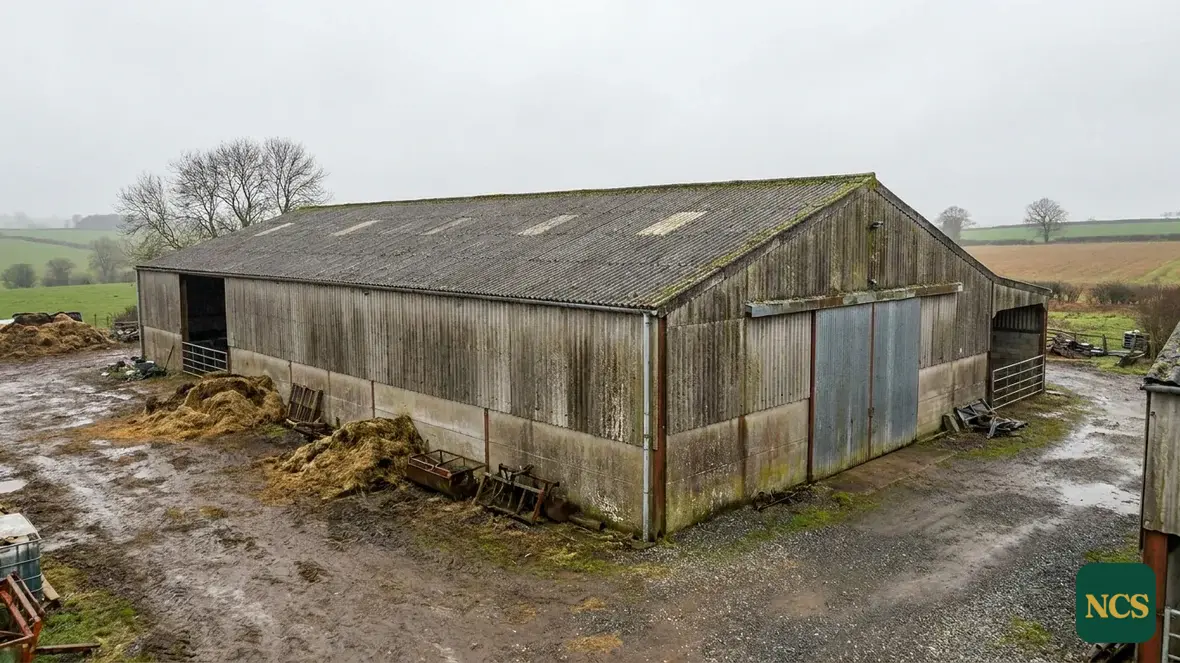
Travel out from Newcastle upon Tyne in almost any direction and the land rises into proper farming country: the mixed and livestock holdings of the Tyne valley, the hill farms climbing towards the Northumberland uplands, and the arable ground that runs down towards the coast. We work across the UK from a South-East base, and the cold, wet, wind-driven weather this far north is a major reason farm roofs around Newcastle upon Tyne wear the way they do. We specialise in agricultural building coatings.
Upland weather is hard on metal
Wind-driven rain, frost and long damp spells punish exposed farm roofs, and the higher the holding the harder it gets. Ridge-top stock sheds take weather head on; sheltered valley buildings stay wet long after the rain stops. Both routes lead to the same place: factory finishes on galvanised and plastisol steel break down, cut edges and fixings corrode, and rust streaks appear on the slope. Most farms here run several eras of building together, from older stone barns to steel portal-frame sheds and newer clad units, and it is the legacy steel and fibre-cement roofs that need attention first. A weathered roof is not a finished roof, though. Where the structure is sound and the sheet has not corroded through, a properly prepared coating can carry a building through many more hard winters.
The livestock calendar runs the programme
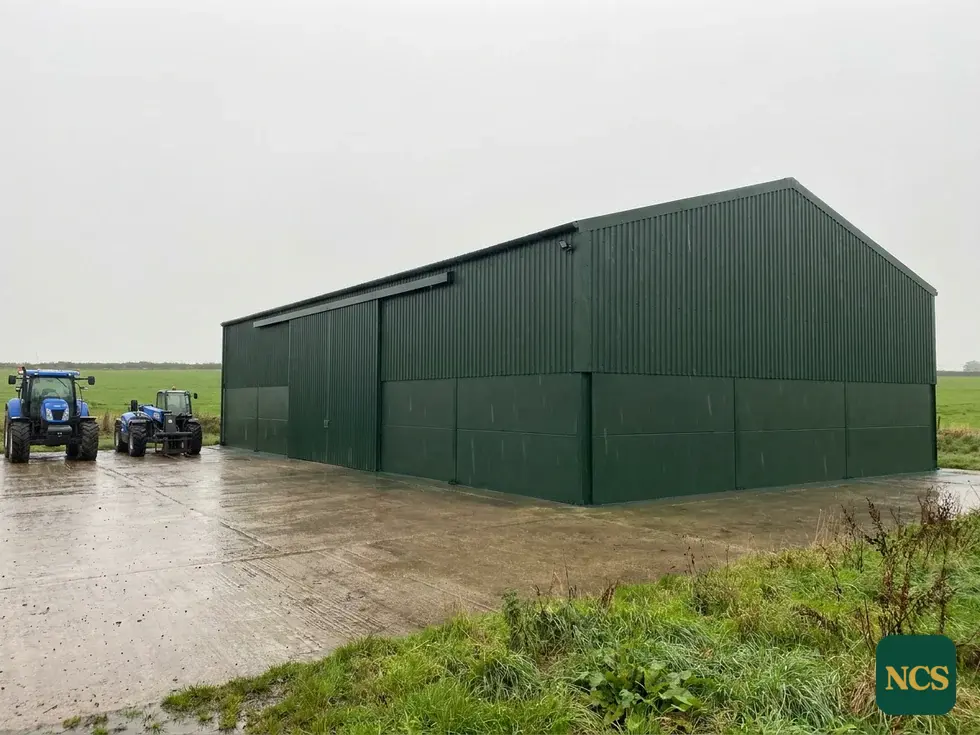
This is stock country, and the diary follows the animals. Cattle and sheep housed through the long northern winter make sheds hard to clear; lambing and turnout fill the spring; gathering and tupping shape the autumn. We plan agricultural coatings for the windows that genuinely suit the farm: livestock buildings in the gap before stock come back inside, feed and machinery stores while they are quiet. The housed winter here is long, so the practical working season is shorter than it is further south, which makes early planning worth the effort. On a working yard we protect feed and water areas, agree the day’s vehicle movements with you, and keep clear of the busy ends of the calendar.
Distance is our problem, not yours
We work this far north from a South-East base, and we organise the job so the travel never becomes your concern. That means surveying thoroughly, planning the work in efficient visits, and being upfront about timing rather than stringing a farm along. A lot of holdings up here sit at the end of a long track or a single farm road, so we check access and ground conditions at the survey and bring the right equipment first time rather than turning up with kit that cannot reach the building. What you get is a contractor that turns up when agreed and does what the survey said, wherever the holding sits.
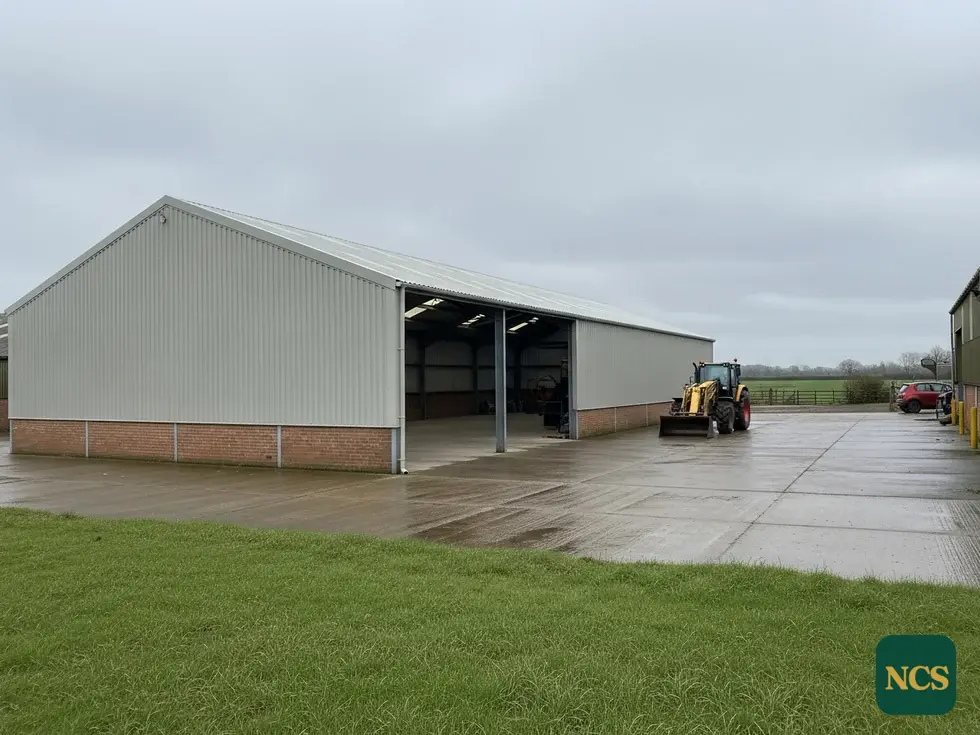
Our farm building painters cover Newcastle upon Tyne and the surrounding holdings, and the specification is set by the building, not by a standard farm package.
What the survey covers
We never price a farm roof from the gateway. The survey is where the real picture emerges:
- Sheet condition, including corrosion at cut edges, laps and fixings
- Sheet movement and the state of washers and seals
- Gutters, valleys and rooflights that often fail before the roof
- Water ingress signs on purlins, frames and stored kit
- Access and ground conditions for the equipment the job needs
You see the findings with photographs before any figure, and we will be straight about repair, coating or replacement. Sound asbestos-cement can often be cleaned and encapsulated; fragile or delaminated sheets go to a licensed removal contractor, not under a coating. If a roof is holed, soft or failing at the fixings, we say it is done rather than coat it to fail again. On a working hill farm that honesty saves money in both directions: it stops you paying to coat a roof that will not last, and it stops you replacing a roof that still has years left in it once it is properly prepared and sealed.
We carry out agricultural building coatings work in and around Newcastle Upon Tyne. For the full survey-led service and how we assess each building, see our Agricultural Building Coatings service, or request a free site survey.