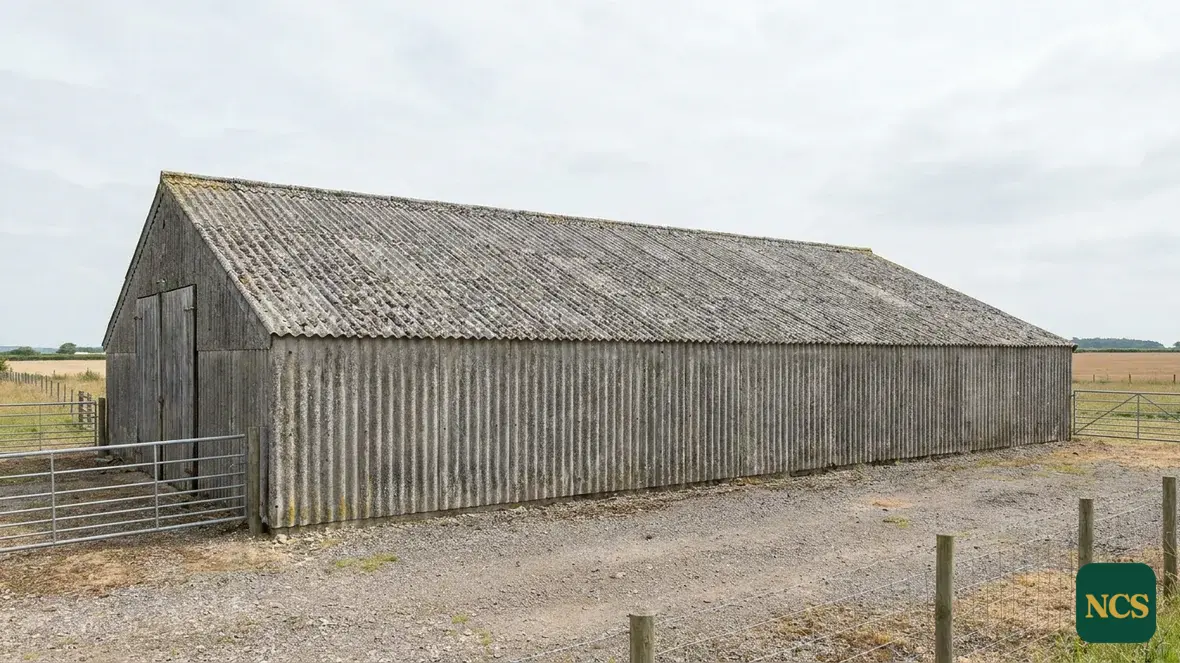
Asbestos cement roofs are still everywhere on Tyneside
Walk around Newcastle upon Tyne and you will still see plenty of asbestos cement roofs. The commercial estates around the Tyne, the workshop blocks, the farm buildings in the wider area, they all used the same corrugated sheeting from the 1950s to the 1980s. It was cheap, fire resistant and quick to install. Now, decades later, a lot of those roofs are still keeping the weather out but the cement is weathered, moss has taken hold and building owners are left wondering what to do. Does the roof have to come off, or can we seal it and keep it in service?
For sheets that are still structurally sound, encapsulation is usually the sensible call. The regulations allow for it.
Your duty to manage under CAR 2012
If you own, occupy or maintain a commercial or industrial building in Newcastle upon Tyne, Regulation 4 of the Control of Asbestos Regulations 2012 puts the duty to manage asbestos on you. You need to find any asbestos-containing materials, note their location and condition, assess the risk and keep a written management plan up to date. The regulations do not demand you rip it out. Asbestos cement that is in good condition and unlikely to be disturbed can be managed in place, and HSE guidance agrees that sealing it is a legitimate way to do that. A properly specified encapsulation, recorded in your management plan, means you are complying, not avoiding the issue.
Asbestos roof painting around Newcastle upon Tyne means encapsulation done under the right controls: an encapsulating paint system specified for asbestos cement, never a standard coat.
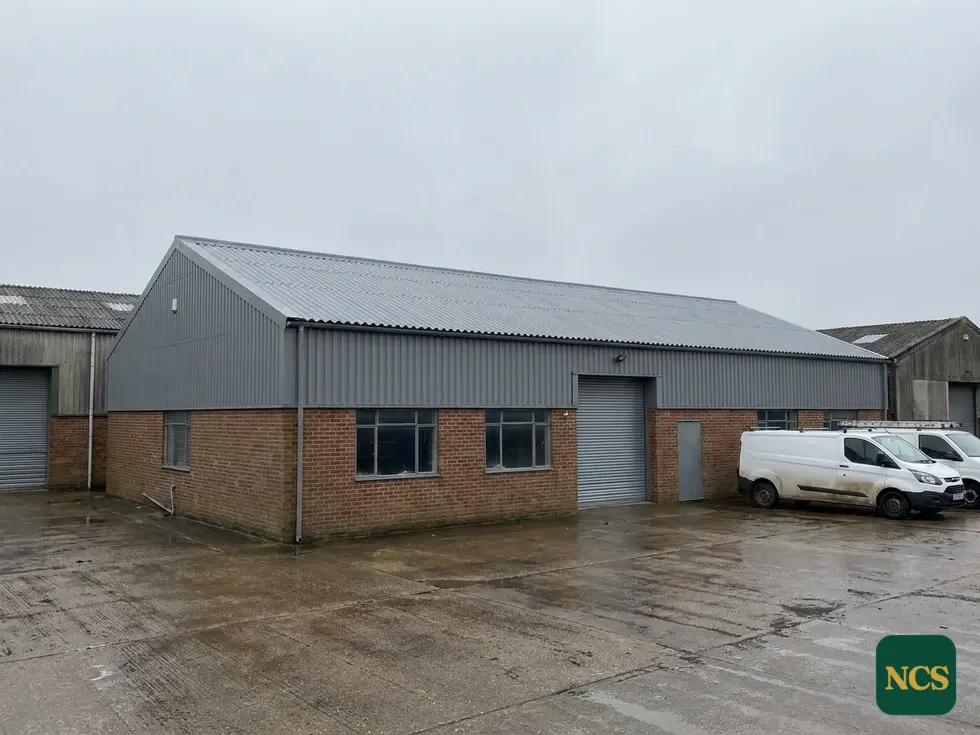
Why encapsulation usually costs less than removal
Stripping an asbestos cement roof means controlled removal, sending the sheets off as hazardous waste, a completely new roof, and disruption to everything underneath while the work happens. Encapsulation cuts out most of those costs. We clean and prepare the roof under controlled conditions, sort out any bad fixings or minor damage, and then seal the sheets with a coating system. That binds the surface and gives you back your weather protection. The building can stay in use the whole time. A roof is usually a good candidate when:
- The sheets are intact, no widespread cracking, holes or impact damage.
- The cement is weathered but not soft, crumbly or delaminating.
- We can repair or replace fixings and rooflights as part of the job.
- The structure underneath is solid and not moving around.
- The material is asbestos cement, not insulation board or sprayed coating.
The honest part: when encapsulation is the wrong answer
Coating a failed roof helps nobody, and we will not do it. If the sheets are extensively cracked, brittle or breaking up, if water has really degraded the cement until it is soft and crumbly, or if the roof has taken a beating from a storm or impact over large areas, encapsulation is just hiding a problem that will come back. And if our survey finds asbestos insulation board, lagging or sprayed coatings, not cement sheeting, that is licensed work. That needs an HSE-licensed removal contractor, not a coating company. If that is the situation on your building, we will tell you plainly and put it in writing. Even if it means we do not get the job.

Survey first, then a straight recommendation
Every enquiry starts with a condition survey, not a quotation. We check the sheets, fixings, rooflights, gutters and structure, photograph what we find, and tell you if encapsulation is right for it. We are based in the South East and we survey and coat buildings across the UK, covering Newcastle upon Tyne and the wider North East with planned visits. If your roof dates from the 1960s to the 1980s and you suspect asbestos cement, a survey and a written answer you can add to your asbestos management plan is the sensible first step.