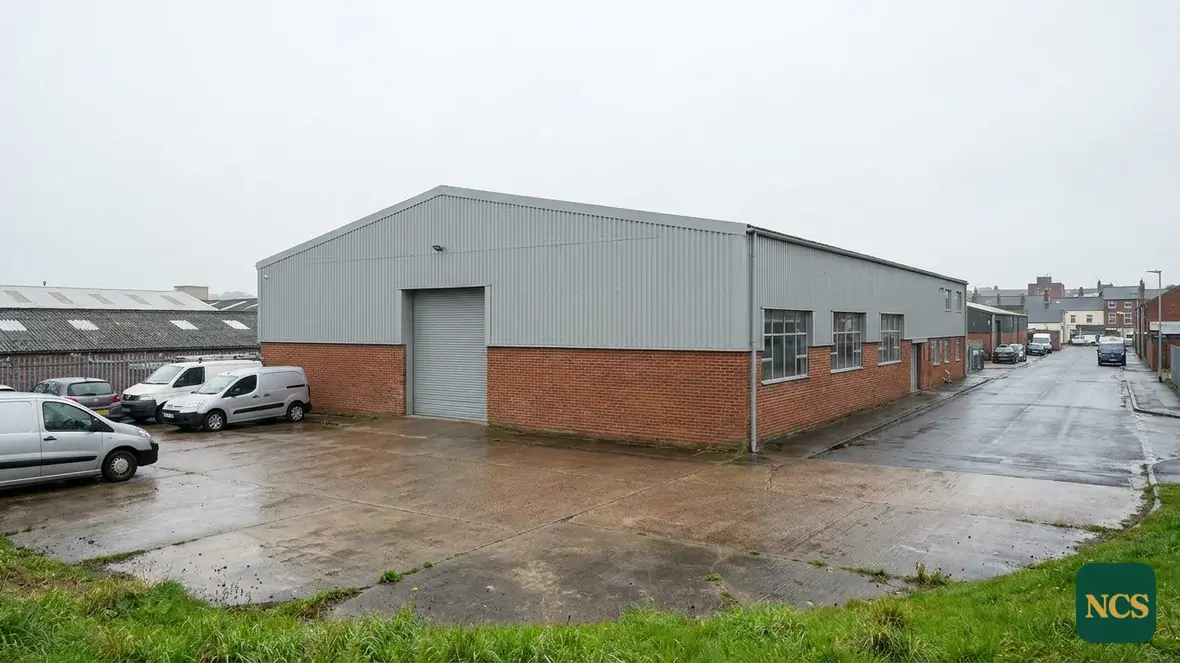
Downland farms and estate roofs around Winchester
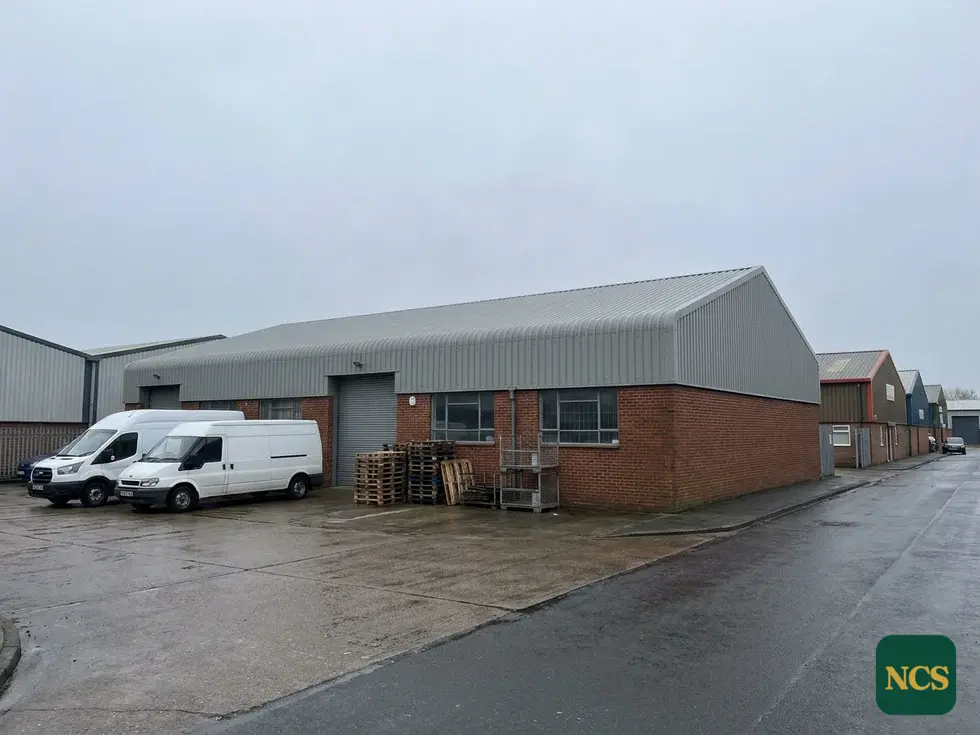
Winchester is a historic city, but the asbestos cement roofs we get called out to aren’t on its grandest buildings. We’re usually up on the downland farms circling the city, the light industrial units on its edges, or the depots, workshops and school outbuildings serving the wider area. Most of these roofs went up between the 1960s and 1980s, when corrugated asbestos cement was the standard sheet for a barn, a grain store, or a portal-frame unit. Years of weather have left many of them porous and moss-covered, often leaking around fixings and laps even when the sheets themselves are still mostly intact. The survey tells us if a roof is sound enough to coat or if it’s too far gone. You can’t reliably judge that from the ground.
Encapsulation as a managed control, not a quick fix
Encapsulation isn’t just a quick coat of paint; it’s a structured process. We inspect the roof sheet by sheet, then clean it under controlled conditions. That means we lift moss and debris carefully, without disturbing fibres or cracking sheets underfoot. We renew failed fixings, carry out minor repairs, deal with brittle rooflights, and then seal the surface with a coating system made specifically for asbestos cement. Once it’s cured, the coating binds the surface, locks fibres in place, gets the roof shedding water again, and adds useful years to its life. For a working farm or estate around Winchester, the big advantage is that the building stays in use throughout the job. No enforced shutdown, no costly temporary relocation of stock or machinery.
The compliance position under CAR 2012
Regulation 4 of the Control of Asbestos Regulations 2012 puts a duty on whoever’s responsible for maintaining non-domestic premises to manage asbestos. You need to identify any asbestos-containing materials, check their condition, record what you find, and manage the risk over time. That duty doesn’t automatically mean removal. Asbestos cement that’s in good condition can stay put, as long as it’s recorded, monitored, and sealed if needed. Encapsulation is a recognised way to meet that duty: it’s a documented, planned measure within your management plan, not an attempt to get around the rules. Something you can clearly show at each review.
Painting an asbestos roof in Winchester is legal and sensible when the sheets are sound and the system is specified for asbestos cement. The survey establishes both.

When encapsulation is the wrong call
There are roofs we’ll turn down. It’s fairer to say so before a survey than after a coating fails. We won’t encapsulate if sheets are extensively cracked or holed, if the cement has gone soft and friable from decades of saturation, or if storm damage or structural movement has broken the roof. This method is also only for asbestos cement. If our inspection finds asbestos insulating board, lagging, or sprayed coatings, that’s licensable material and needs removal by an HSE-licensed contractor. If removal is the right route for your building, we’ll tell you in writing and step aside. We won’t apply a coating that can’t do its job and would only delay the real fix.
How a survey works around Winchester
We work UK-wide from our South-East base, so Winchester and the surrounding Hampshire countryside are well within our survey range. The process is straightforward:
- A close survey of sheets, fixings, rooflights, gutters, and the supporting structure
- A dated photographic record for your management plan and future reviews
- A clear recommendation in writing: encapsulate, repair, or refer for removal
- A specification and price, but only if coating is the right way forward
- Controlled, documented working methods from start to finish
If a building dates from the 1960s to the 1980s and its roof hasn’t ever been properly checked, our survey gives you both a compliance answer and a costed way forward in one visit.
We carry out asbestos roof encapsulation work in and around Winchester. For the full survey-led service and how we assess each building, see our Asbestos Roof Encapsulation service, or request a free site survey.
Recently — July 2026
The starting point is always a proper survey of the sheets, laps, fixings and gutters, written up so you can see the condition for yourself.
Settled summer weather suits coating and spraying work, with stable temperatures and dry surfaces helping systems cure and bond as specified.