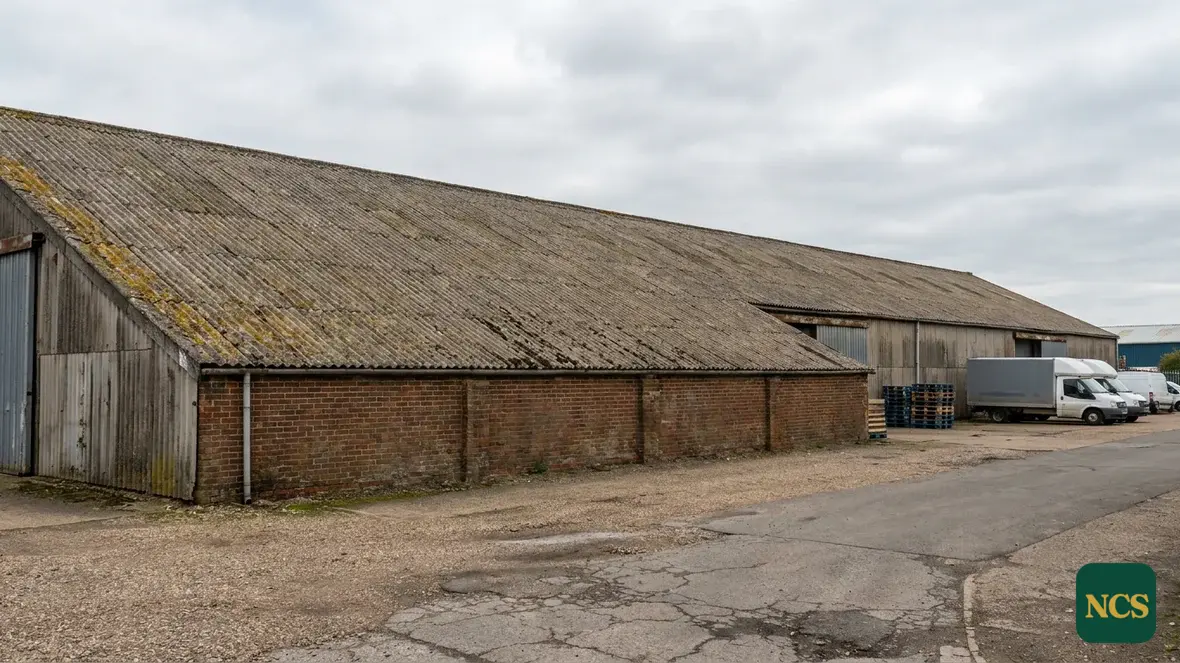
Riverside works and Worcestershire farm roofs
Worcester sits where light industry along the Severn meets open farmland. Both sides of that picture carry asbestos cement roofing. The distribution units and works on the city’s trading estates, the commercial buildings along the river, and the barns, grain stores and livestock units across the surrounding countryside. All were largely roofed in corrugated asbestos cement between the 1960s and 1980s. It was the cheap, standard sheet of its day. Decades on, many of those roofs are porous and moss-covered, leaking at the fixings and laps. The sheets themselves often remain broadly sound. Telling the sound roofs from the failed ones is the whole point of a survey. It decides whether coating is even on the table or if the roof has already gone too far.
Asbestos roof painting around Worcester means encapsulation done under the right controls: an encapsulating paint system specified for asbestos cement, never a standard coat.
What the regulations ask of you
Regulation 4 of the Control of Asbestos Regulations 2012 places a duty to manage asbestos on whoever is responsible for maintaining non-domestic premises. You must identify asbestos-containing materials, assess their condition, record the findings and manage the risk over time. The law does not demand automatic removal. Asbestos cement in sound condition is permitted to stay in place as long as it is recorded, monitored and, where appropriate, sealed. Encapsulation fits squarely inside that duty. It’s a planned, documented control measure, not a way of dodging the rules. It leaves you with a clear record to show at each review of your management plan.
Encapsulation against a full strip and replace
Encapsulation is a proper engineered process, not just paint over a problem. We survey the roof sheet by sheet. Then we clean it under controlled conditions, removing moss and debris without disturbing fibres. Worn fixings are replaced, minor repairs are carried out, brittle rooflights are addressed, and we apply a coating system formulated for asbestos cement. Once cured, it binds the surface, locks fibres in, restores water-shedding and adds years of service life. Against stripping the roof, bagging the sheets as hazardous waste and funding a full replacement, the saving is usually considerable. The building stays in use throughout. For a farm or commercial unit that cannot afford downtime, that continuity is a real part of the value, not an afterthought.
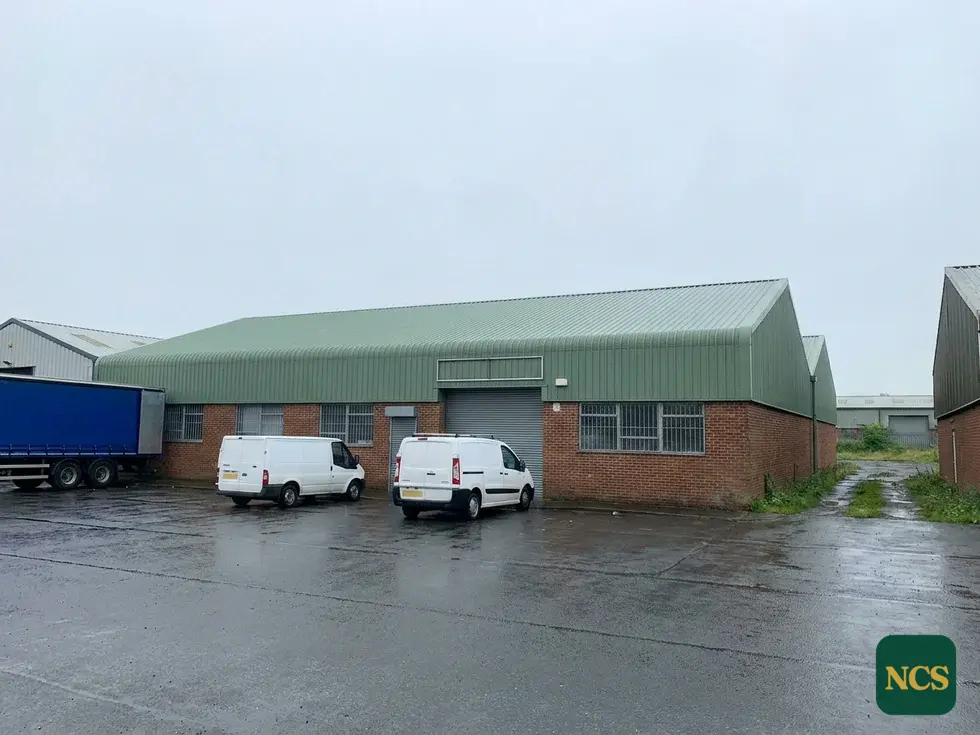
When we will tell you to remove instead
Some roofs should not be encapsulated. You should hear that before a survey, not after a coating fails. We will refuse where sheets are extensively cracked or holed, where the cement has gone soft and friable after years of saturation, or where structural movement or storm damage has broken the roof. Encapsulation is also strictly for asbestos cement. If a survey uncovers asbestos insulating board, lagging or sprayed coatings, that is licensable material and must be removed by an HSE-licensed contractor. Where removal is the right answer for your building, we say so in writing and step aside rather than sell a coating that cannot perform and would only postpone the real cost.
A survey-led service for Worcester and the county
We work UK-wide from a South-East base. Worcester and the surrounding Worcestershire countryside sit comfortably within our survey range. The starting point is always an inspection:
- A condition survey of sheets, fixings, rooflights, gutters and structure
- A photographic record you can attach to your asbestos management plan
- A clear written recommendation: encapsulate, repair first, or refer for removal
- A specification and price only where coating is genuinely the right route
- Work carried out under controlled, documented conditions
If you own a building from the 1960s to the 1980s with a roof that has never been formally assessed, the survey answers the compliance question and the cost question at the same time.
We carry out asbestos roof encapsulation work in and around Worcester. For the full survey-led service and how we assess each building, see our Asbestos Roof Encapsulation service, or request a free site survey.
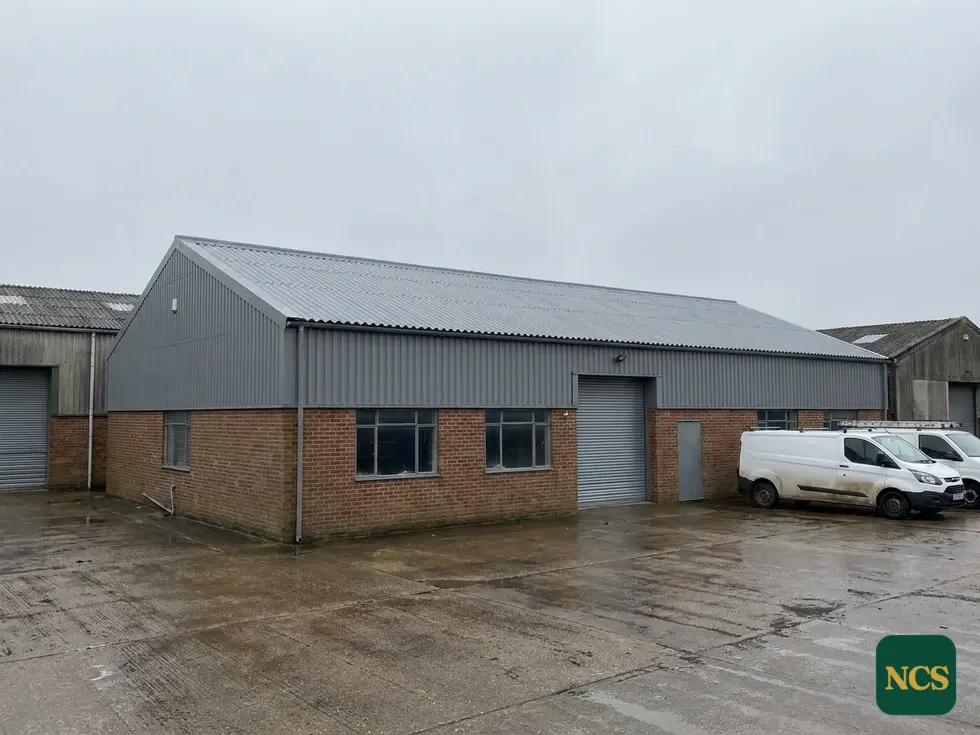
Recently — July 2026
We coat roofs and cladding that still have life in them, and we say so plainly when one is past saving.
A summer survey gives us time to specify and programme the work before the wetter months make access and curing harder.