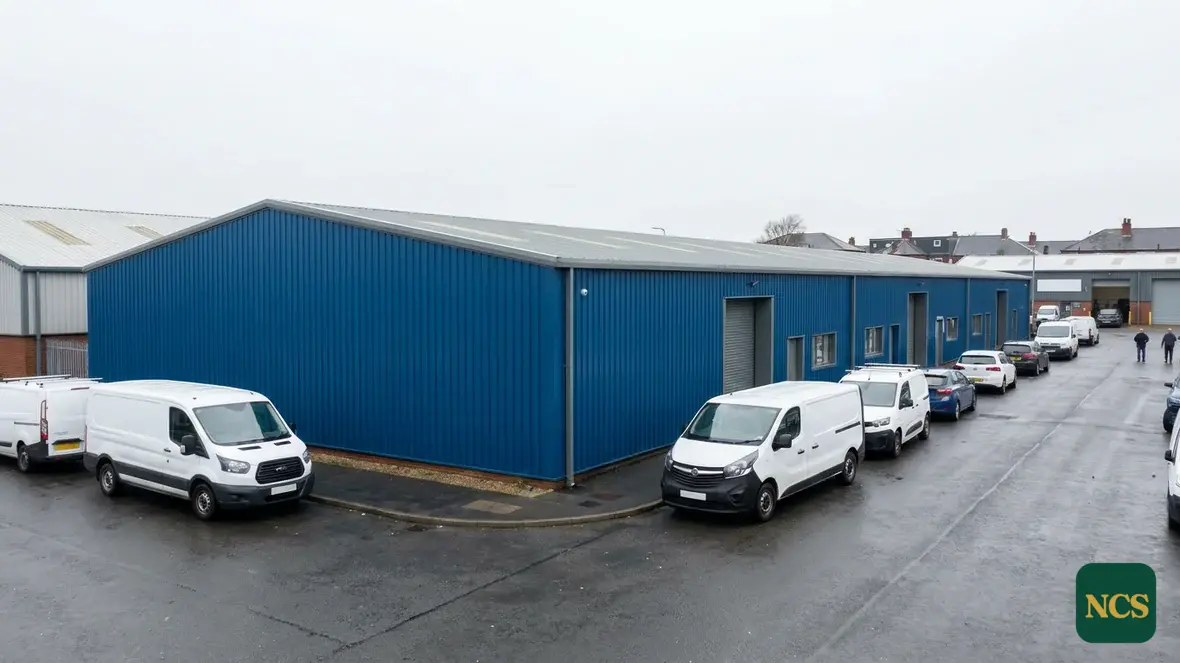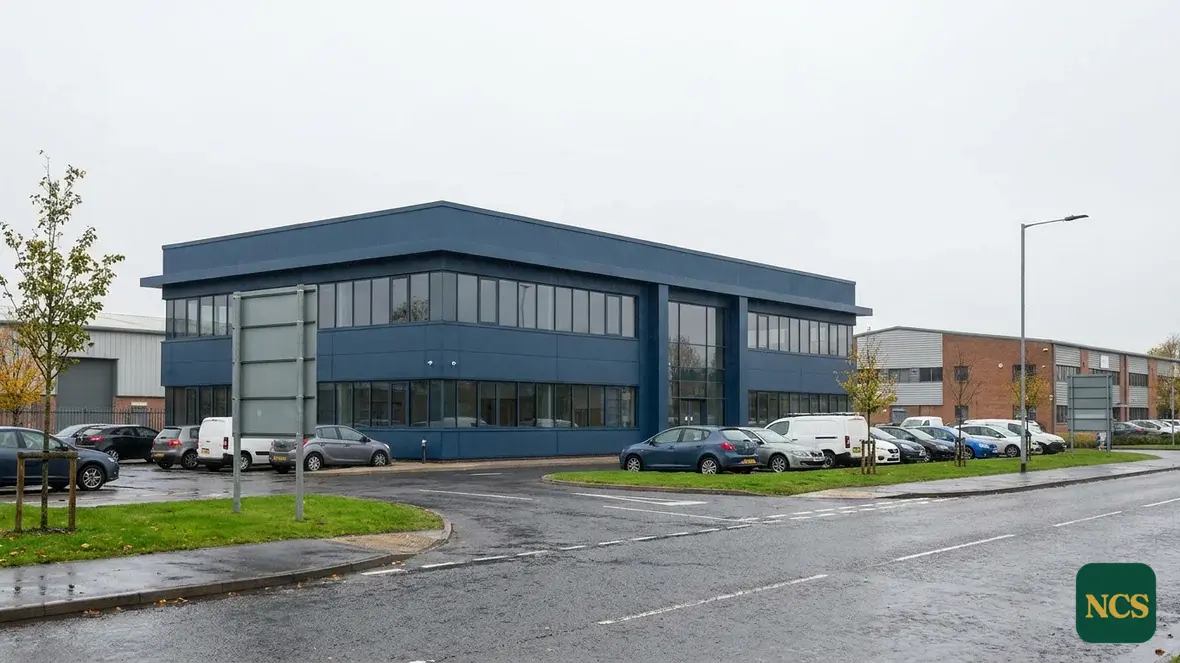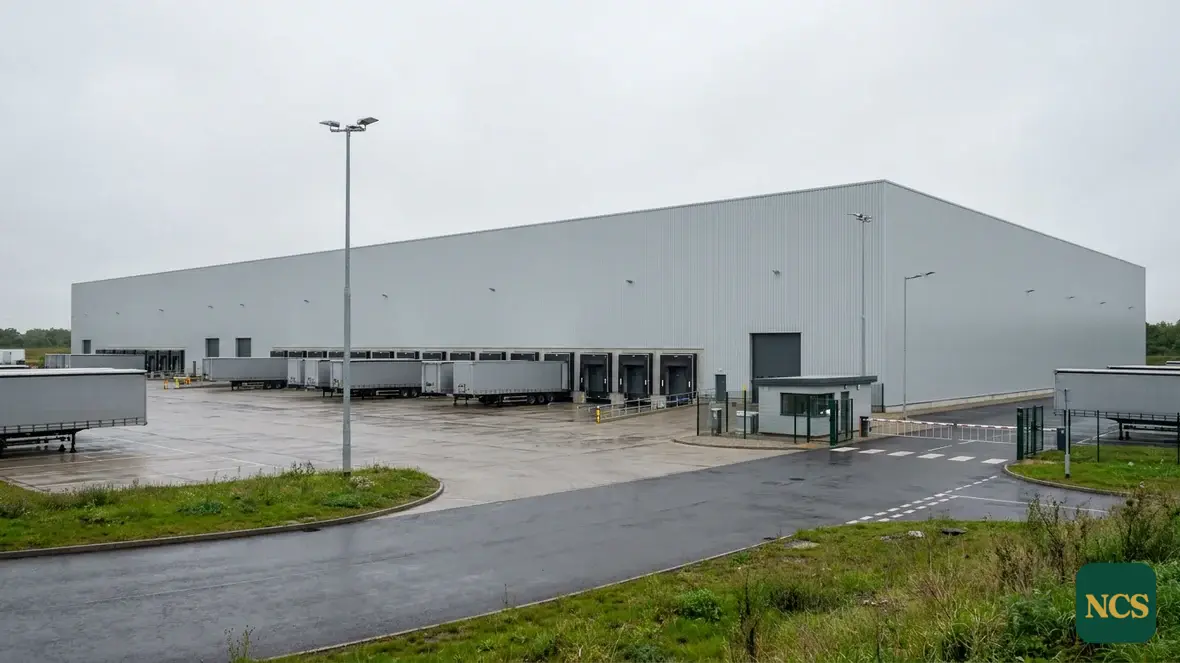
Cladding spraying for Worcester buildings
If you own or manage a clad commercial building in Worcester, you’ve probably seen how quickly an elevation can go from smart to shabby. Cladding spraying gets it back without the cost, waste and downtime of stripping and recladding. We keep the existing panels on the building and apply a specialist coating system on site. It restores the colour and puts a fresh protective layer over the weathered original finish.
The key here is “done properly”. We are a survey-led contractor. That means we inspect the building and test the existing coating before we specify or price anything. No drive-by quotes, no square-metre rates pulled out of a hat from a photograph.
Where a Worcester elevation mixes sound panels with damaged ones, the survey maps which get repaired, which get resprayed and which have to be replaced.
The building stock we typically work with locally
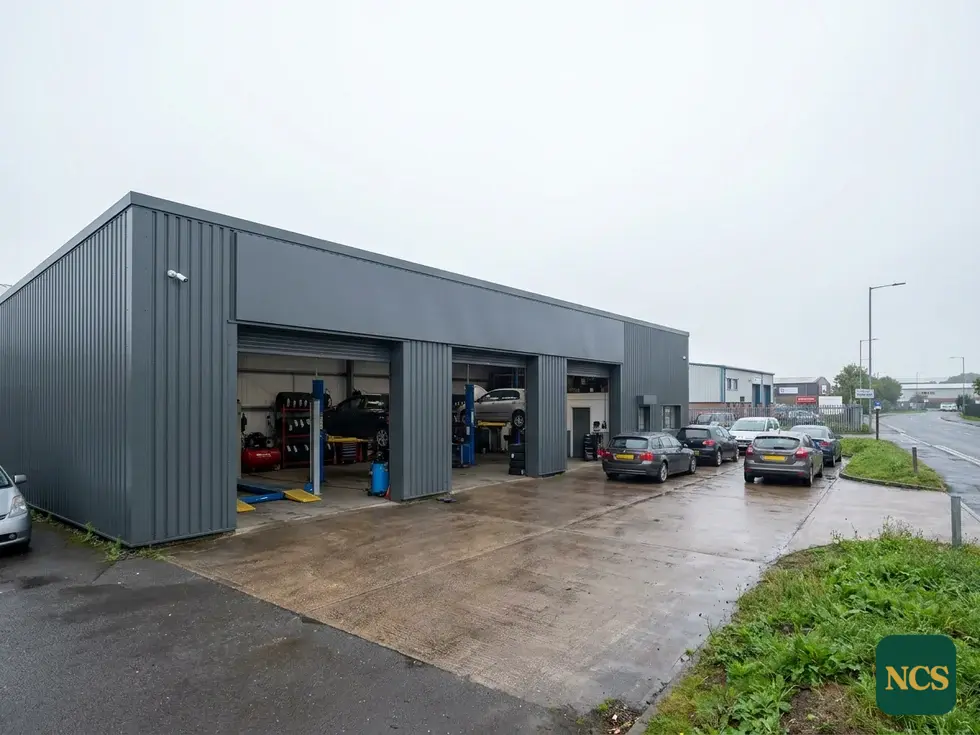
Away from the cathedral and the riverside, Worcester’s working buildings are much like the rest of Worcestershire’s. We see plenty of profiled steel and composite panel units on the trading estates and the retail and trade-counter parks at the edge of the city. Offices and showrooms often have metal fascias, soffits and curtain wall framing. Schools, leisure centres and farm buildings turn up in the mix too, usually with the same finishes and the same complaints. A lot of it was originally finished in plastisol-coated steel. It’s now well past its decorative best, showing the familiar fading, chalking and the first traces of cut-edge corrosion at sheet ends and around openings.
All of these surfaces can usually be resprayed, provided the substrate underneath is sound. Establishing that soundness is exactly what our survey is for. Where panels are dented or scratched, the survey records that too, so any repairs are in scope from the start.
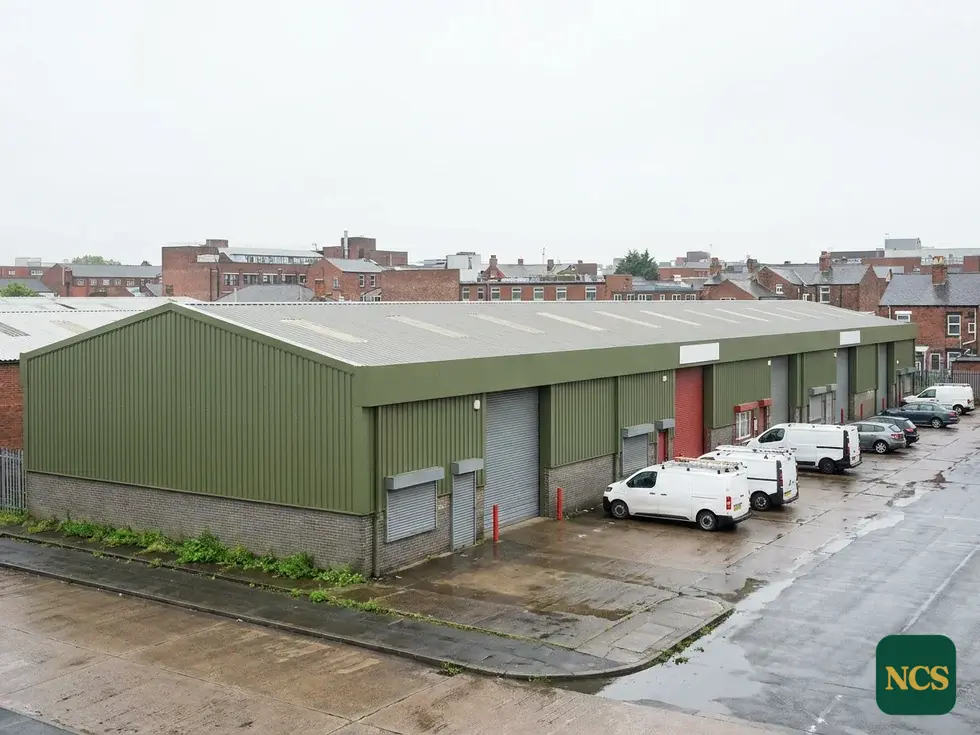
Our survey-first process, step by step
A surveyor visits the building. They test the adhesion of the existing coating, map corrosion and damage, and check the practical details that decide a programme: access, working hours, neighbouring units, vehicles and pedestrians. From those findings, we write a specification. It covers preparation, repairs, corrosion treatment, the coating system and the finish colours. Only then do we price the work.
On site, the sequence is preparation first and colour last. That means washing and degreasing, mechanical preparation where needed, treatment of cut edges and rust, priming of any bare metal. Then comes controlled spray application with full masking of glazing, signage and hardstandings. We respect drying and overcoating times even if it stretches the programme. Rushed coats are where failures start. We cover the county and beyond from the same base. Buildings in Droitwich Spa, Malvern, Evesham and Hereford get the same survey and the same specification discipline.
The honest part: when spraying will not save a building
Some buildings shouldn’t be sprayed, and we will tell you if yours is one of them. Panels corroded right through, composite faces delaminating from their cores, widespread edge corrosion that’s gone beyond treatment, failed fixings, or a requirement for improved thermal or fire performance all point towards repair or recladding instead. Coating over a failing substrate buys a tidy photograph and a short-lived finish. We won’t sell that work. If our survey says no, you’ll get that conclusion in writing along with what we’d do in your position.
Why the survey is the real product
Two quotations can name the same paint and still describe entirely different jobs. The difference is almost always preparation. Preparation can only be scoped from what the surveyor finds on the building. A survey-led contractor fixes the scope before fixing the price. That means the specification is something you can check the finished work against, elevation by elevation. It also keeps the conversation honest at handover, because both sides are looking at the same document. For a clad building in or around Worcester that has lost its colour but not its structure, the survey is the sensible first step.