An ageing industrial roof does not always mean a replacement bill
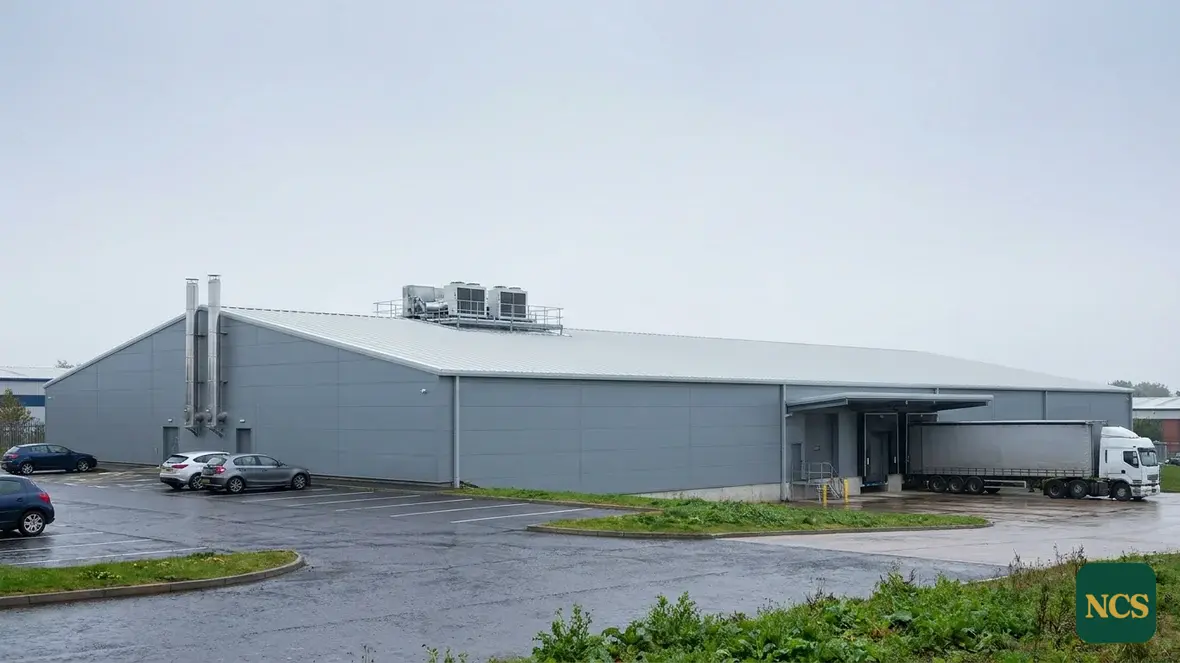
Walk around any of Worcester’s industrial estates or along the M5 corridor and you’ll see the same story: a steel portal-frame unit from the 80s or 90s, a profiled metal roof that’s seen better days, a leak history that keeps growing, and a re-sheeting quote that made everyone wince. We often find a middle path. If the roof structure is sound, a properly specified industrial roof coatings system will stop corrosion, seal the weak points and add years of life. All for a fraction of the cost and disruption of ripping it off and starting again. We’re National Coating Specialists, based in the South East but working across the UK, including Worcestershire. The “survey-led” part is important: we inspect before we recommend, and sometimes a coating isn’t the right answer at all.
What Worcester’s industrial stock typically suffers from
The mix of manufacturing, storage and trade-counter buildings around the city mostly features profiled steel roofs, with some older units having fibre cement. On the steel, cut-edge corrosion is the most common problem we see: rust getting under the factory finish at the cut laps and eaves, eventually lifting the coating in strips. Add rusted fixings, perished washers, dried-out lap sealant and brittle rooflights, and you’ve got the standard condition report for a thirty-year-old roof. The persistent damp air in the Severn valley during colder months keeps surfaces wet for longer, so small corrosion spots don’t stay small. None of these faults are unusual, and we can treat all of them from above, provided we catch them before the roof starts perforating.
How the survey shapes the specification
We walk every roof before we quote. The survey findings drive the whole job:
- Substrate, profile and how the existing coating is holding up, with adhesion checks where needed
- Cut-edge corrosion mapped and graded by how bad it is
- Condition of every fixing across the whole roof area, not just the easy bits
- Rooflights, gutters and penetrations, which are usually where the leaks are coming from
- Photos of every major defect, so the report is based on what we actually saw
From that, the specification details the preparation, how we’ll treat edges and laps, any fixing work, and the exact coating build-up, area by area. Two roofs of the same age rarely need the same industrial roof coatings specification, and they shouldn’t get one.
Factory roof painters around Worcester are judged on their preparation. Rust treated and laps sealed first is what separates a lasting job from an overpaint.
Straight answers: when we will not recommend coating
Coating the wrong roof is a waste of everyone’s time and money. If our survey finds widespread perforation, sheets thinned from the underside, saturated insulation or movement in the structure, then our honest recommendation is replacement. That’s what the report will say. If the building is likely to be redeveloped in a few years, spending on a long-life industrial roof coatings system might not make sense either, and we’ll tell you that too. And if the real problems are only in the gutters or rooflights, we’ll recommend the smaller repair rather than a full system. You’ll get our findings in writing, even if no work comes our way afterwards.
Disruption, weather and programme
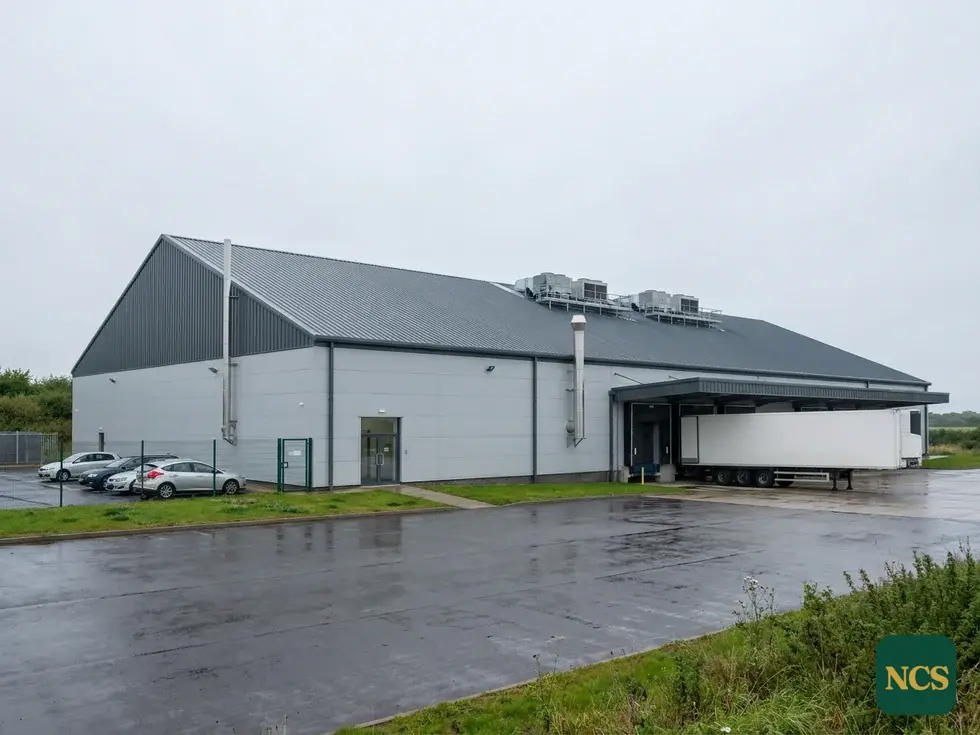
It’s external work. For most occupied units in Worcester, that means production, storage and deliveries can carry on underneath while we work above. We phase the roof in sections so yards and loading doors remain usable throughout. Industrial roof coatings need dry surfaces and suitable temperatures, so we build programmes around realistic weather windows, not optimistic ones. Your facilities contact will get a clear update on progress as the job runs. If you have an industrial roof you’d like us to look at, send us the address and any leak history you have. We’ll arrange the walked survey. That’s how every sensible decision about an industrial roof of this age starts.