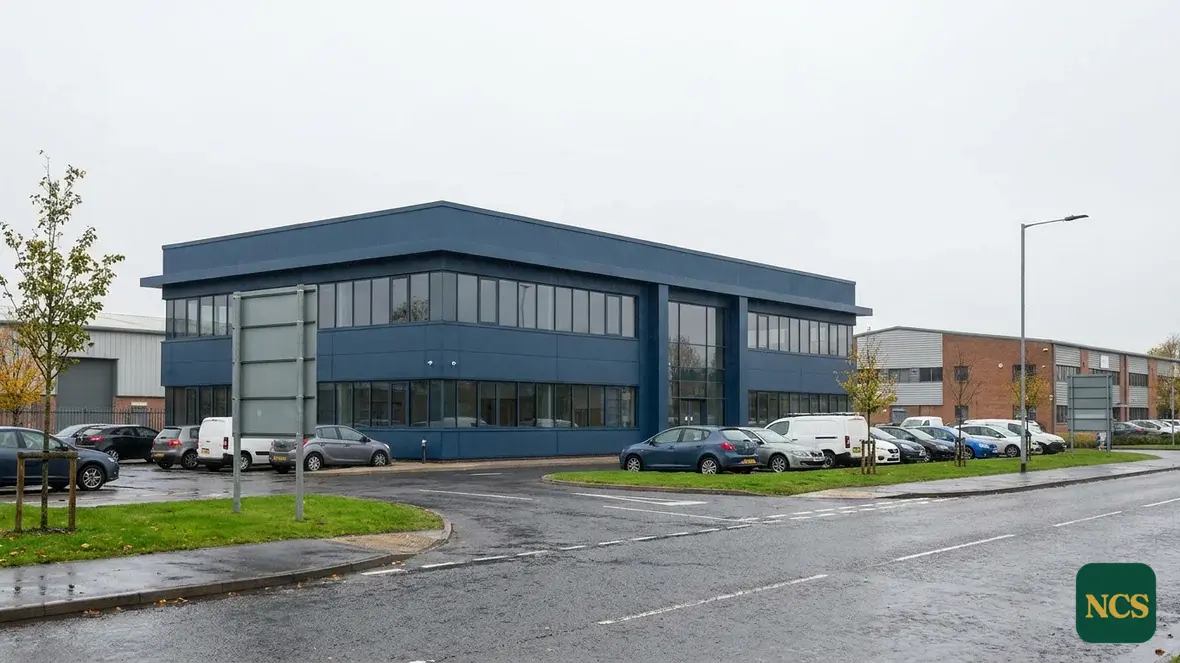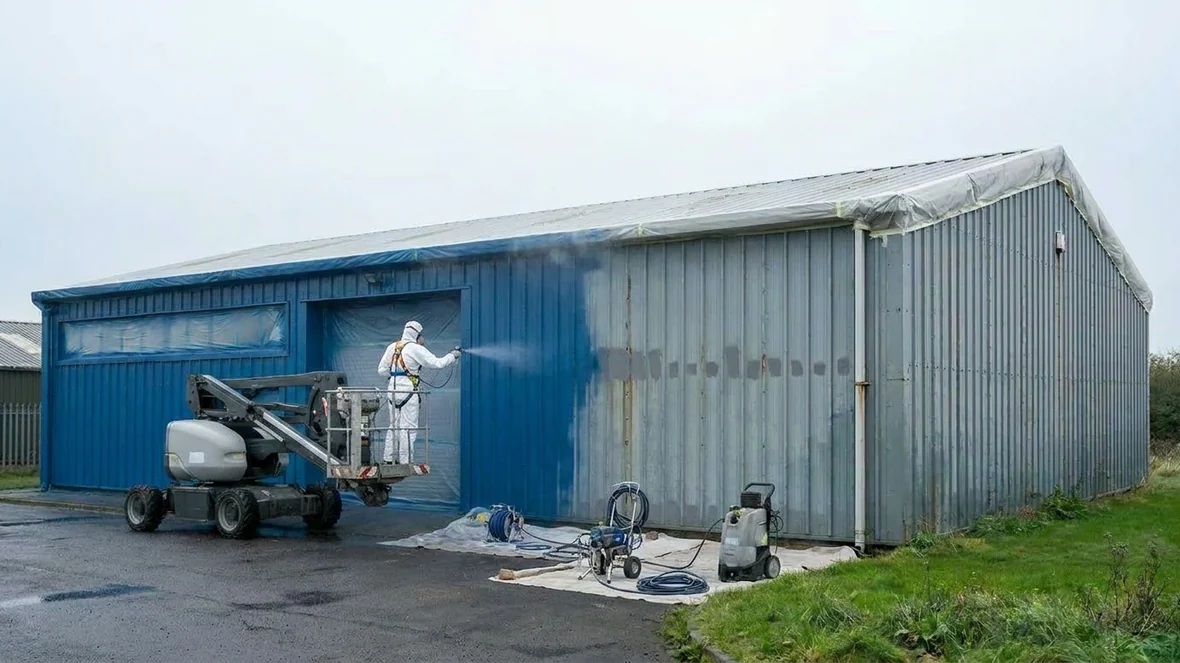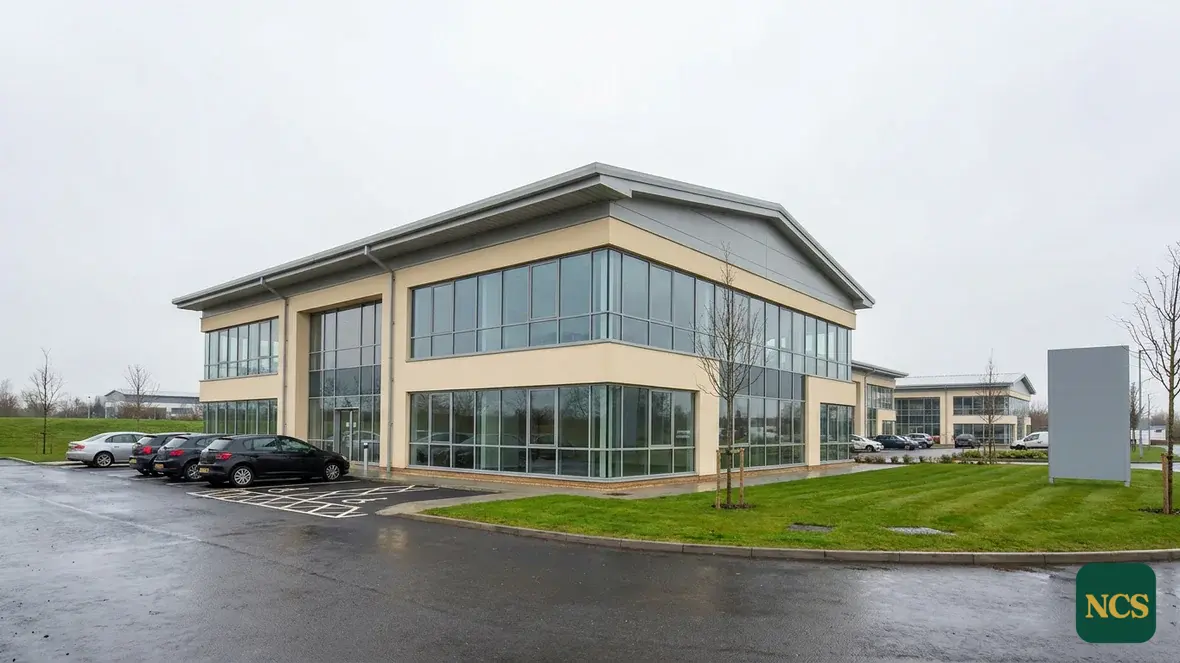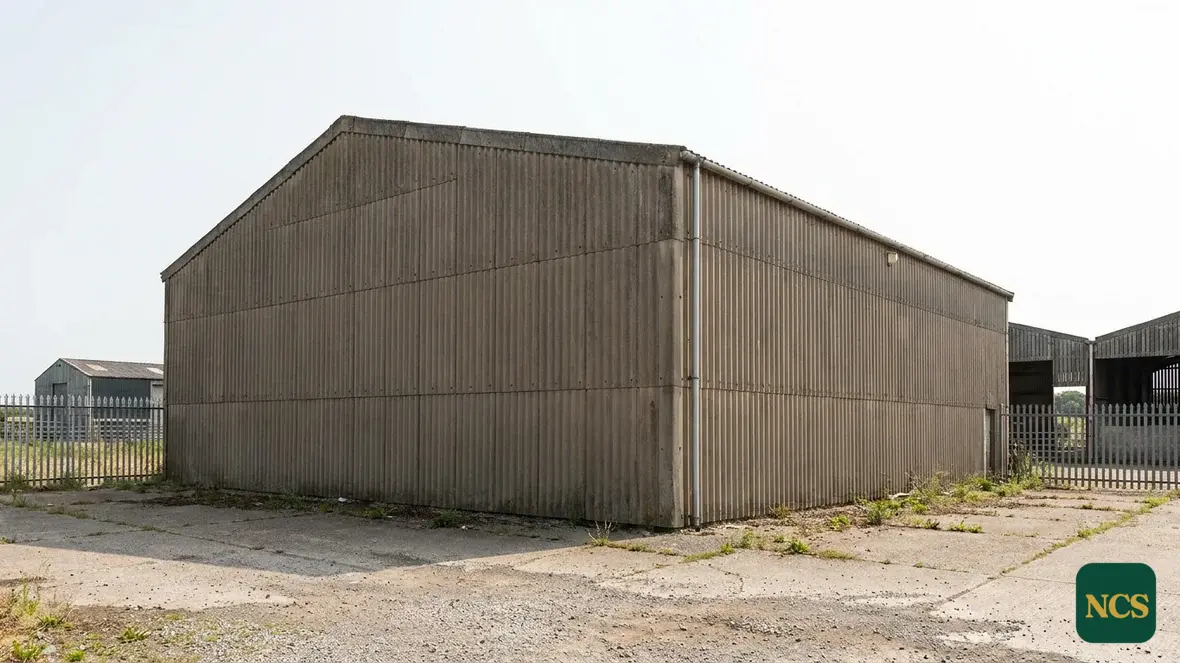
We coat the outside of commercial, industrial, and agricultural buildings, and here in Worcester, that usually starts with a symptom, not a plan. Maybe it’s a rendered elevation that keeps greening over. Perhaps brickwork that just drinks in every wet week the Severn valley sends. Or a frontage that lets the business down each time a customer walks past it. Whatever the issue, keeping water out of your building and stopping rust creep on exposed elevations is critical. Our approach is to treat that symptom as evidence. Before we name any product or discuss any price, we want to know why the wall looks the way it does. The answer changes everything we recommend, especially for the side that takes the prevailing weather.
Commercial wall coating projects in Worcester
Commercial wall coating in Worcester usually starts with a symptom, not a plan. Maybe it’s a rendered elevation that keeps greening over. Perhaps brickwork that just drinks in every wet week the Severn valley sends. Or a frontage that lets the business down each time a customer walks past it. Our approach is to treat that symptom as evidence. Before we name any product or discuss any price, we want to know why the wall looks the way it does. The answer changes everything we recommend.
That survey-first habit matters in a city like Worcester. The commercial stock here spans centuries. No two elevations behave the same way. A coating specified for the wrong substrate, or applied over an unresolved fault, fails early. A coating specified after a proper diagnosis tends to do its job quietly for years, protecting the structure and keeping it weatherproof.
Call it wall coating or exterior commercial painting, the Worcester jobs that last are the ones where the preparation was honest.
How we approach site surveys for buildings in Worcestershire
The sequence is straightforward. We start with a conversation. We want to understand the building, the problem, and what you want from the result. Then comes a site survey, which typically covers:
- The condition and type of the existing substrate or any previous coating.
- Moisture levels and any signs of trapped damp.
- Cracking, spalling, or failed pointing that needs repair before coating.
- Gutters, downpipes, and detailing that may be feeding the problem.
- Access requirements and how work would fit around your trading hours.
Findings come back to you in writing, with a clear recommendation. That may well include repair work before any coating goes on. We work across the wider county and beyond. So premises in Droitwich Spa, Malvern, Evesham, and Hereford are covered by the same survey-led process as buildings in Worcester itself.
When a coating is not the right treatment
Sometimes, the honest recommendation is not a coating at all. Rising damp, failed wall ties, saturated cavity insulation, structural movement, and persistent roof or gutter leaks are building faults, not surface problems. Coating over any of them just hides the evidence while the fault carries on underneath. The coating itself usually fails as a result. If a survey turns up that kind of issue, we say so plainly and explain what should happen first. Drying time matters too. A wall that has been wet for years isn’t ready for a finish the week after the gutter is fixed. A survey-led programme allows for that, rather than rushing it. It’s a slower route to a finished wall, but it’s the only one that holds up, ensuring your building stays watertight.
Typical buildings for external coating work
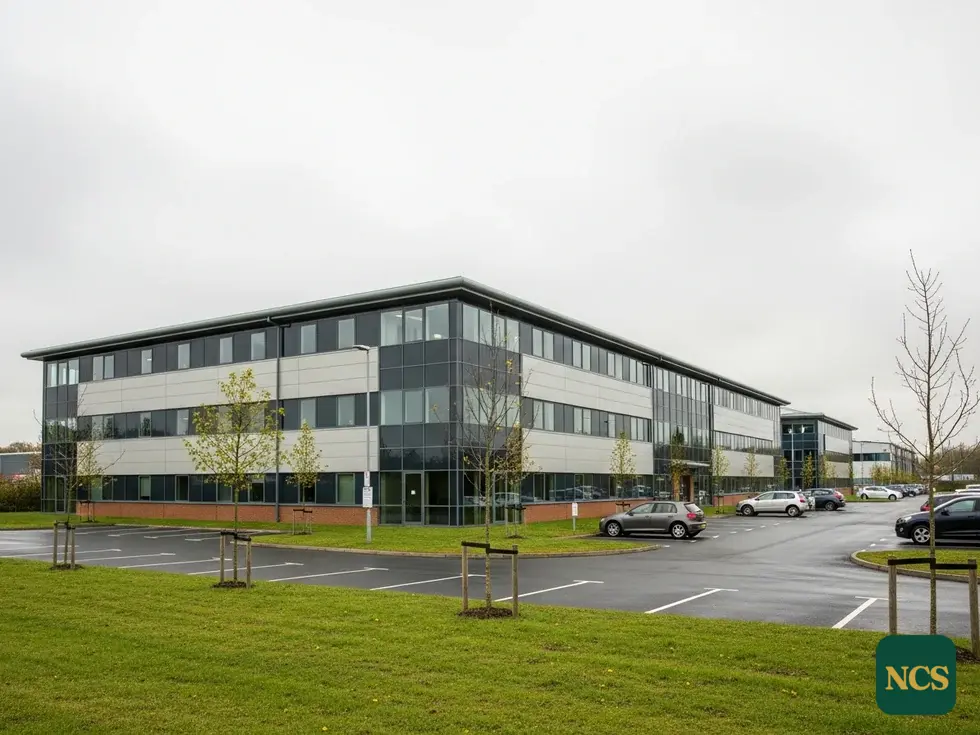
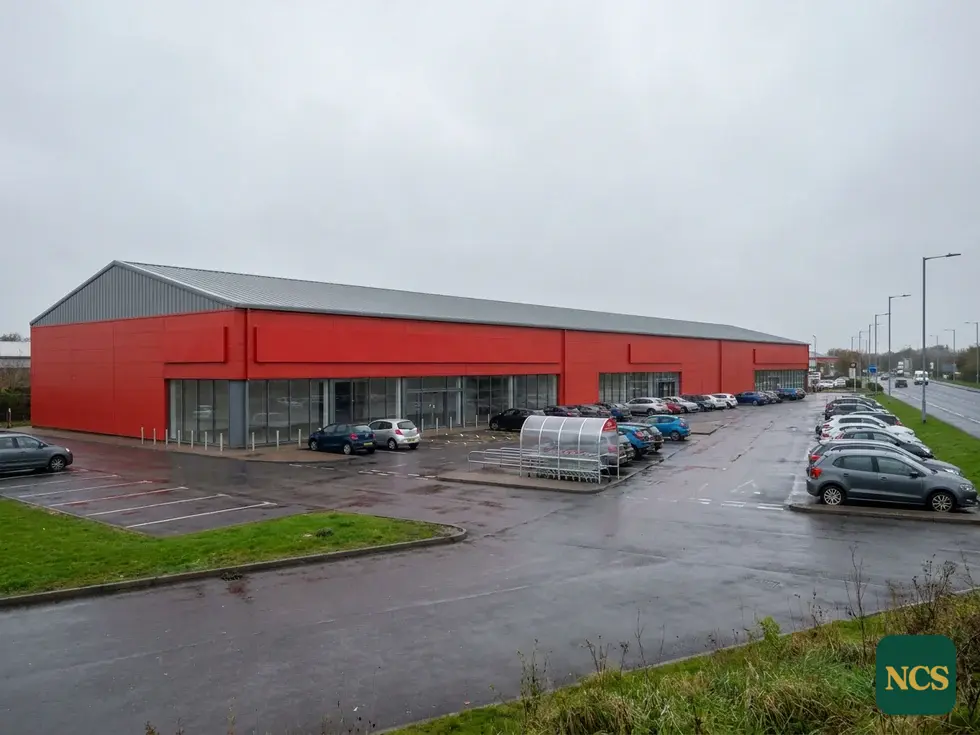
Worcester’s centre holds the kind of mixed-age frontages you find in many cathedral cities. Older brick and rendered buildings trading as shops, offices, and hospitality at street level, often with flats or storage above. Away from the core, the picture changes. You’ll see post-war commercial blocks, trading-estate units, and rendered gable ends that take the brunt of the Worcestershire weather. Each of these presents differently. Painted render wants different preparation from bare masonry. A smooth-faced post-war panel behaves nothing like a soft Victorian brick.
We speak in general terms for a reason. Until a wall has been inspected up close, with moisture readings taken and the substrate checked, nobody can honestly say what it needs to be properly weatherproofed and protected from corrosion.
The value of a survey-led approach to building maintenance
Any firm can quote for square metres of paint. The difference with a survey-led contractor is that the specification follows the diagnosis. Not the other way round. You get a written scope tied to the actual condition of your building. Preparation matched to the substrate. And a contractor who will tell you when coating is the wrong tool for the problem in front of you. For a commercial building in Worcester, where the frontage is part of how the business presents itself and needs to withstand the prevailing weather, that discipline is the cheapest protection there is. It’s about getting the wall right once, for the right reasons, with the paperwork to show why each decision was made, ensuring lasting weatherproofing and corrosion protection.