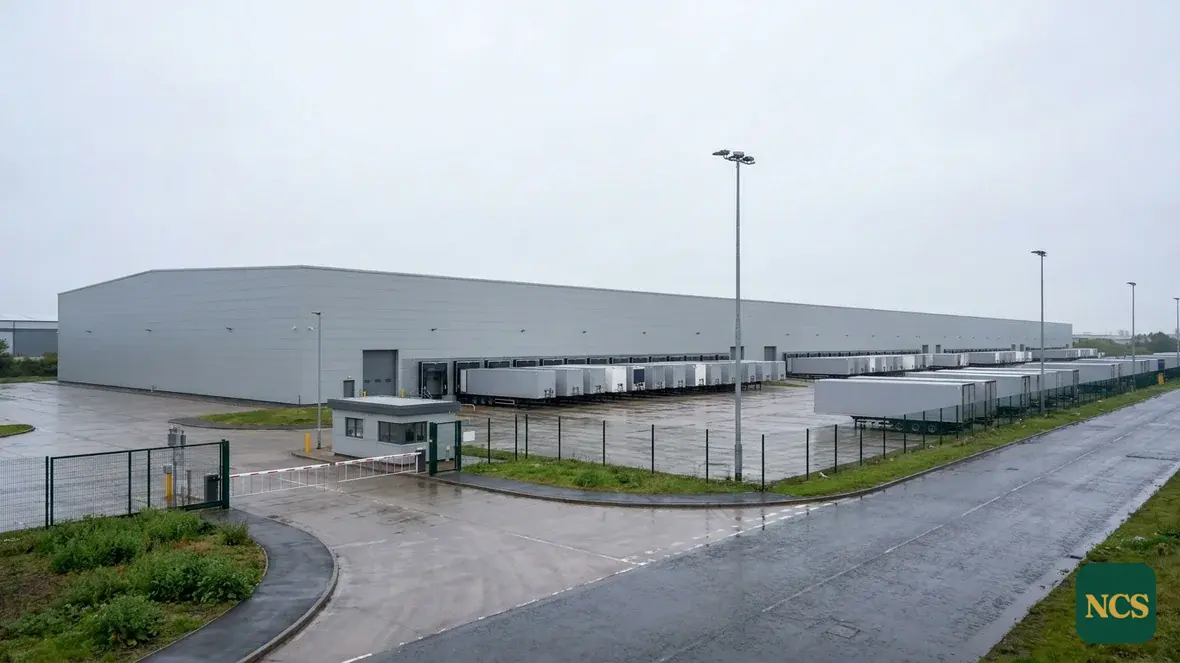
What that rust line along the sheet ends is telling you
Profiled steel roofs always fail from the edges first. When they cut the sheets to length, the bare steel got exposed. The coating system never covered it. Those cut ends then sit in the wettest spots on the roof: over the gutter at the eaves, and inside the laps where water gets drawn in and held. Rust takes hold on that bare edge, then creeps back under the coating, lifting it as it goes.
From the ground, it looks like a brown tidemark above the gutter or some staining where the sheets overlap. Up close, you’ll see lifting coating, flaking steel. If it’s really advanced, the sheet ends crumble around the fixings. This defect just keeps getting worse. It won’t stop on its own. Every wet month, it spreads a little further. The real question isn’t if it will spread, but how far it’s already got. That’s what our survey finds out.
Worcester’s building stock and the Severn valley damp
Walk around the trading estates and industrial areas here in Worcester. You’ll see a lot of coated steel roofing on warehouses, workshops, and manufacturing units, especially those built from the seventies onwards. The farm buildings out in the countryside add plenty more to that mix. A lot of that roofing is now at the age where cut edge corrosion isn’t just cosmetic anymore. It’s active.
The local climate doesn’t help. The Severn valley holds onto moisture. We get river mists, damp autumns, and long, wet winters. That keeps roof edges and gutter lines from drying out properly. A cut edge that stays damp corrodes much faster than one that gets a chance to dry between showers. Roofs that sit low in the valley, shaded by other buildings or trees, often fare the worst.
Owners in Worcester often ask for the rusty edges painting. Done properly that is an edge repair: the corrosion is treated, then sealed, then coated.

Early treatment, sensible money, and the full-roof option
If you deal with this early, it’s contained and it’s economical. We prepare the corroded edges, taking them back to sound metal. Then we treat them with a rust-inhibiting system, and finally seal everything with a flexible, reinforced coating right across the sheet ends and laps. No sheets come off. Your building stays in use. The cost is in a totally different league from stripping and re-sheeting a whole roof.
If the rest of the roof surface is looking weathered too, it usually makes sense to treat the edges and recoat the whole roof in one go. We clean the entire surface, seal all the fixings, and apply a complete coating system. That way, you’re not back on the access equipment in a few years for the next patch job. For an estate unit in Worcester, that’s the difference between one planned piece of work and a rolling maintenance headache. Here’s what to look for:
- Brown staining along the gutter line after rain
- Peeling or blistered coating at sheet ends and laps
- Rust visible inside the gutter against the sheet edge
- Drips or damp patches inside near the eaves
- Coating gone chalky or faded across the wider roof
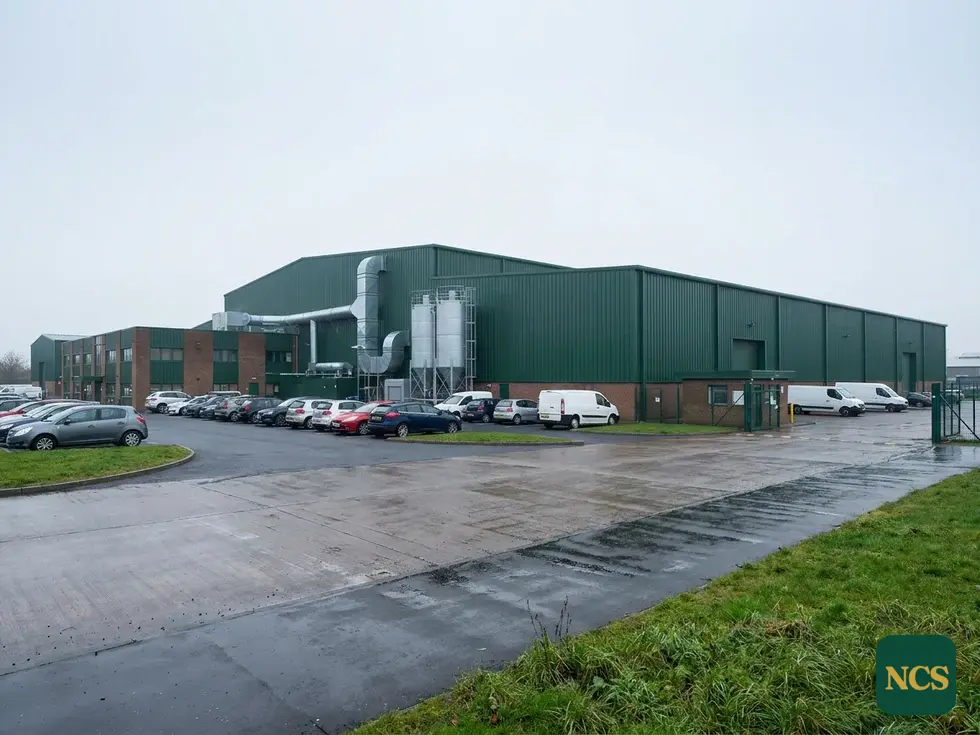
And when coating is not the right call
Some roofs are just too far gone. We’ll always tell you if yours is one of them. Perforated sheet ends, laps rusted right through both thicknesses of steel, or widespread corrosion on the underside from years of condensation. All of that means the metal itself is finished. Coating over that just buys you appearance, not performance. We won’t sell you that. In those cases, our survey report will recommend sheet replacement or over-sheeting instead, with photographs showing you exactly why we reached that view.
The survey is useful either way. It tells you which category your roof falls into, what’s urgent and what can wait. It’s an answer worth having before winter hits, not after.