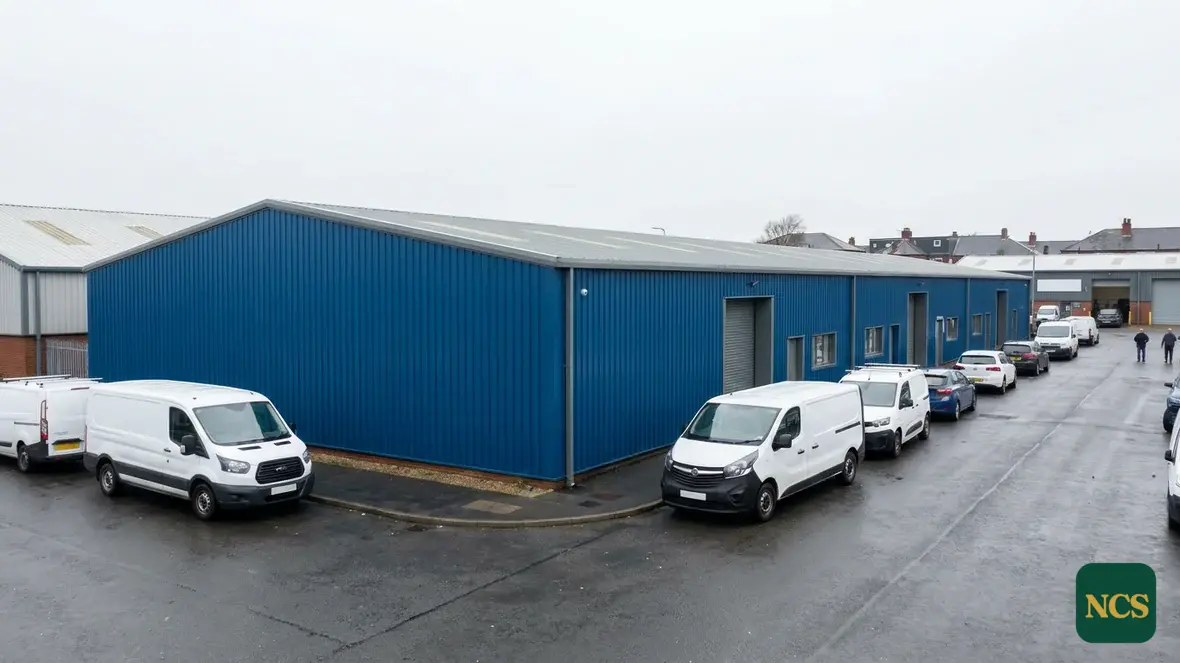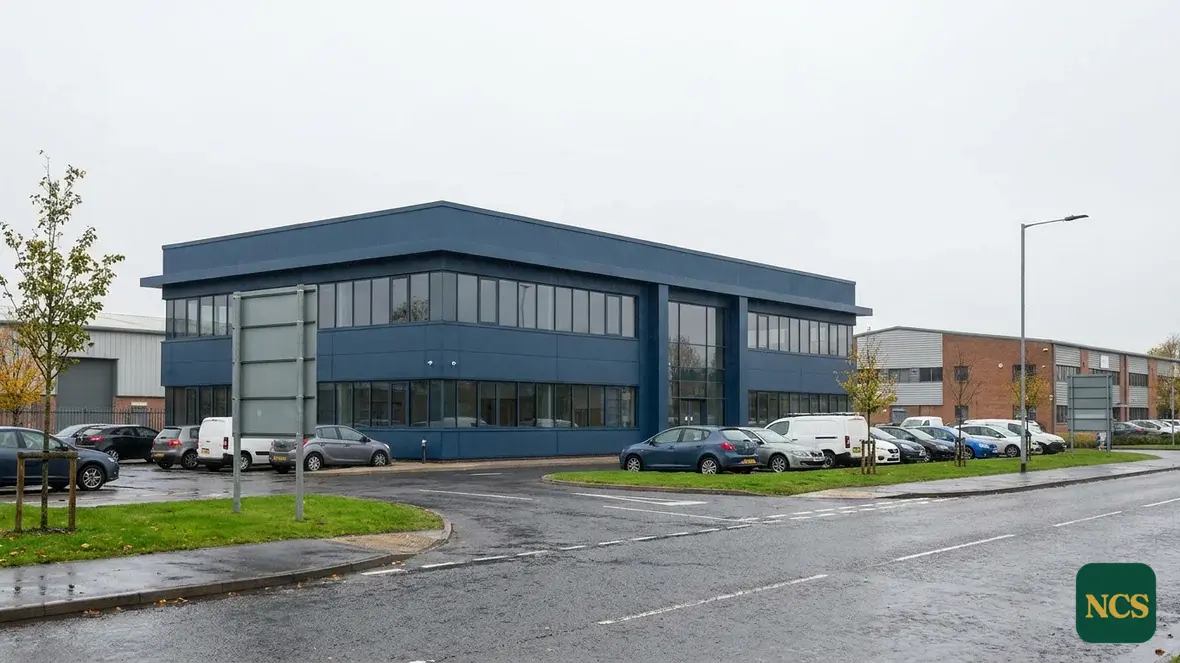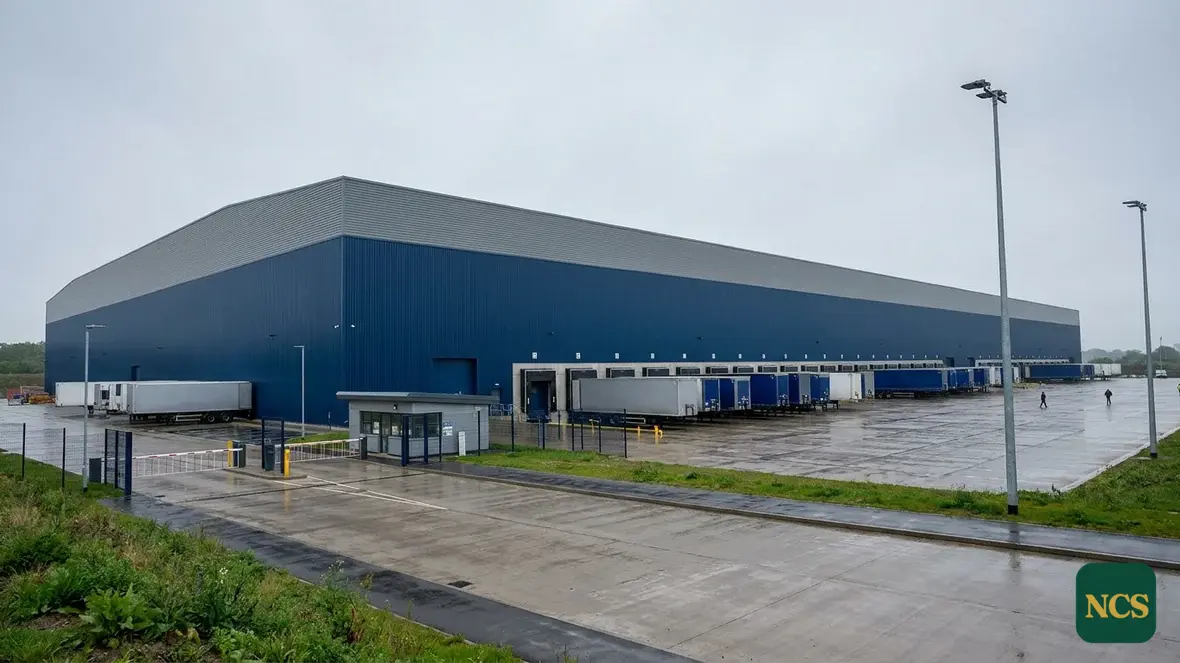
You see a lot of high standards in Cambridge. Folks on the science and business parks expect their buildings to look as considered as the work happening inside them, and a faded or chalking clad wall undermines that faster than anything else on site. We spray cladding in Cambridge to restore coated steel, composite panels, and architectural metalwork right where it is. We get the colour and surface protection back without the waste and hassle of stripping good panels off a sound frame. It’s a far less disruptive way to keep your building looking its best, making sound existing sheets serve on without the upheaval of full replacement. We work across Cambridgeshire, near the M11 and A14, on commercial, industrial, and agricultural buildings.
When we recommend against coating existing panels
Being straight with you now saves a lot of trouble later. We’ll tell you not to spray if the panels are perforated by corrosion, if composite cores show signs of moisture or delamination, if the fixings have failed, or if the building is already set for recladding for thermal or fire-safety reasons. In any of those cases, a sprayed finish would look good for a bit and then fail expensively. No contractor should sell you that. Our survey report will lay out exactly what we found, with photos, so you can plan the right job instead of paying twice for the wrong one. We want to make sound existing sheets serve on for as long as possible, but not at your expense if they’re too far gone.
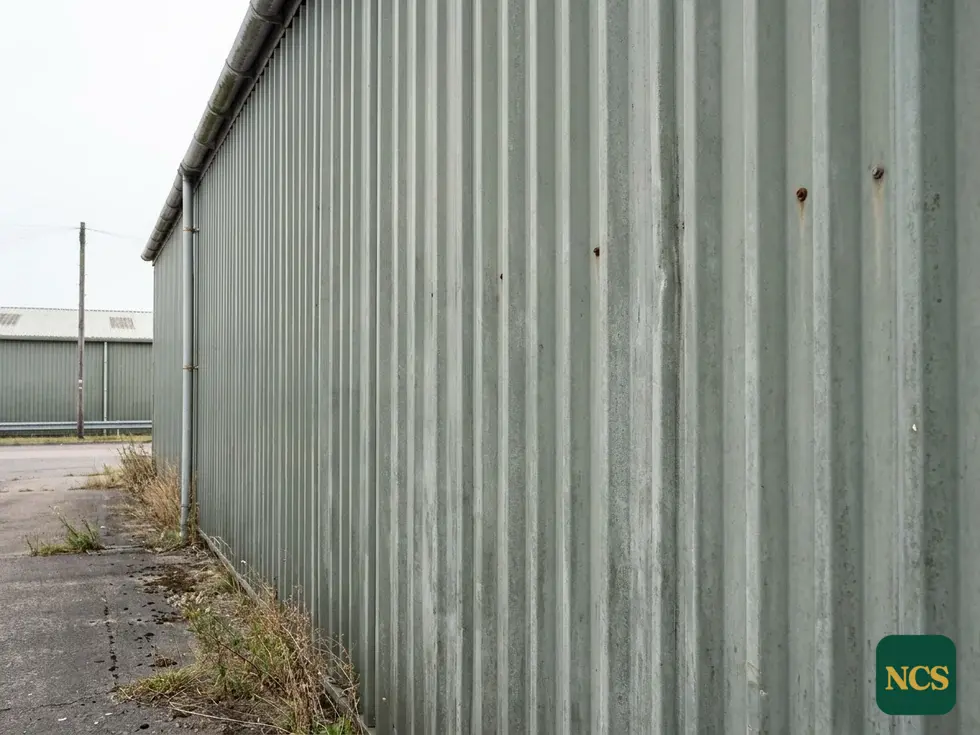
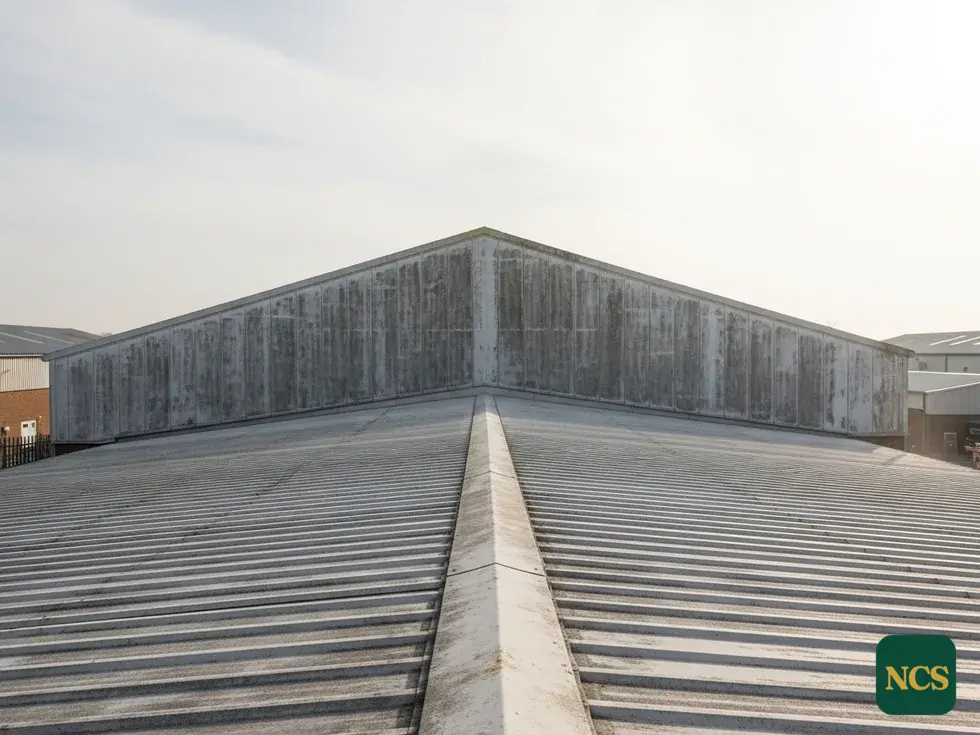
Cladding painting around Cambridge starts at the cut edges. Treat the corrosion first and the finish lasts; paint over it and it comes back through.
Common panel types we assess in Cambridge
The commercial buildings around Cambridge cover a few generations of cladding, and most of it takes well to a spray refurbishment:
- Profiled steel on industrial and research-park units
- Flat composite panels on laboratory and technology buildings
- Plastisol and PVDF finishes that have faded or started to chalk
- Curtain walling, window frames, and entrance framing
- Fascias, soffits, columns, and roller shutter doors
On newer buildings, it’s often all about the colour: a rebrand, a new tenant moving in, or a landlord wanting to bring a dated scheme up to scratch with the neighbours. On older units, it’s usually about protection. Chalking surfaces and early cut-edge corrosion are the big warning signs that the original coating is on its last legs. University, college, and leisure estates around here have similar panel systems on their newer buildings, and we assess them the same way, no matter who owns the wall. Often, coating is a practical alternative to full re-sheeting, keeping disruption to a minimum.
Why we always conduct a site survey first
A spec written after a proper inspection protects both of us. You know exactly what prep work you’re paying for; we know exactly what substrate we’re putting our name to. Quotes don’t suddenly go up, because we’ve counted the corrosion before we priced anything. And when you compare quotes from different contractors, it actually means something because you’ve got a document to compare against. If your Cambridge building turns out to be a poor candidate for coating, you find that out from our report, not from a finish that lets go in its second winter. That’s the whole reason for doing things this way, and it’s why we won’t work any other way. It’s about making sure your existing building serves you well, without unnecessary expenditure.
Our approach to cladding spraying in Cambridge
We always survey first. Before we talk about specs or money, we inspect the building. That way, the coating system, how we prep it, and how we get to it all reflect what’s actually on your wall, not just what a photo might suggest from a distance. We spray cladding in Cambridge to restore coated steel, composite panels, and architectural metalwork right where it is. We get the colour and surface protection back without the waste and hassle of stripping good panels off a sound frame, ensuring your building stays in use.
Planning work around your busy Cambridge building
Labs, cleanrooms, and busy offices can’t just down tools for us, so getting the sequence right is just as important as the workmanship. Our survey doesn’t just check condition, it figures out the constraints: air intakes, sensitive gear, parking, deliveries, and when the building is occupied. The written spec then covers cleaning, corrosion treatment, priming, masking, and the coating system itself. We programme the work elevation by elevation, around your operation, not through it. Access gets sorted at the same stage, from powered platforms to scaffold, so the quote already includes it. We can also agree sample areas before the full spray if you need sign-off on a colour or finish from more than one person. Our teams work in Ely, Newmarket, Huntingdon, and Royston on the same basis, which works well for organisations with buildings spread across Cambridgeshire and the surrounding counties. Our aim is to ensure your building remains operational throughout the coating process.