Commercial wall coating in Cambridge that starts with the wall
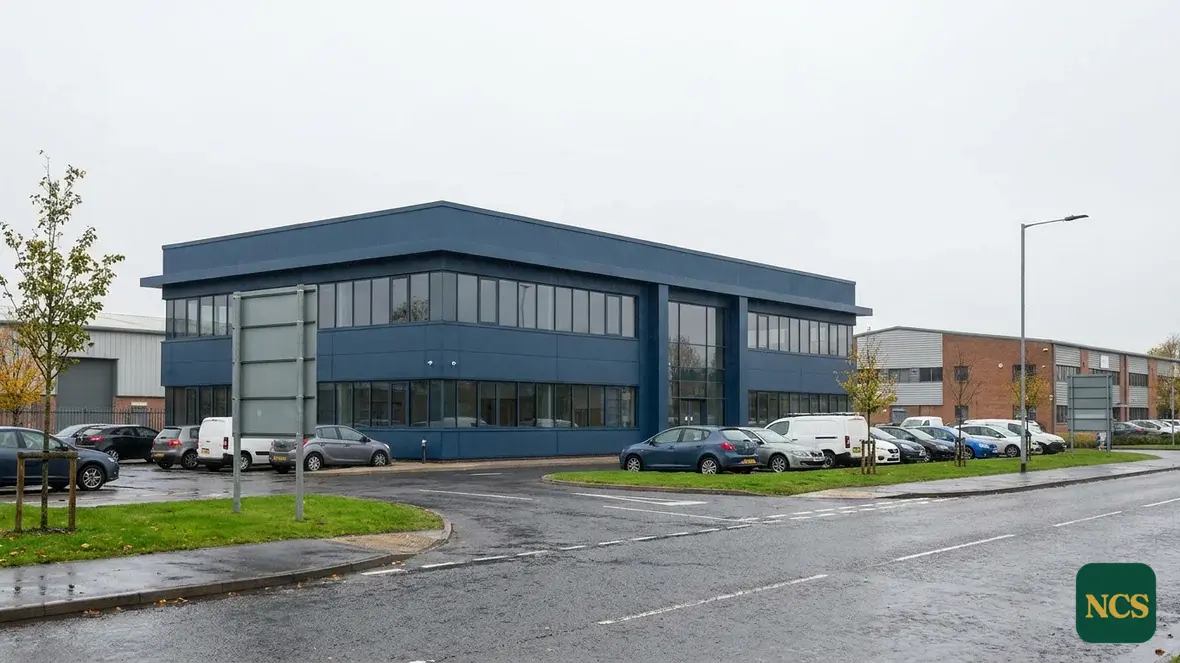
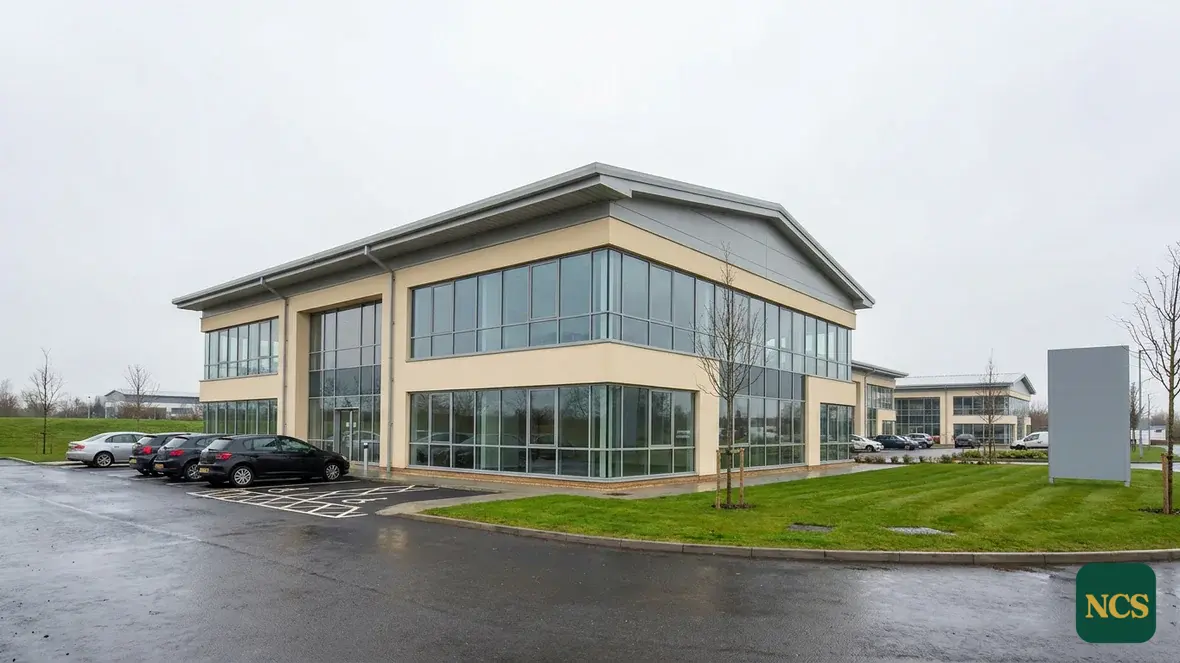
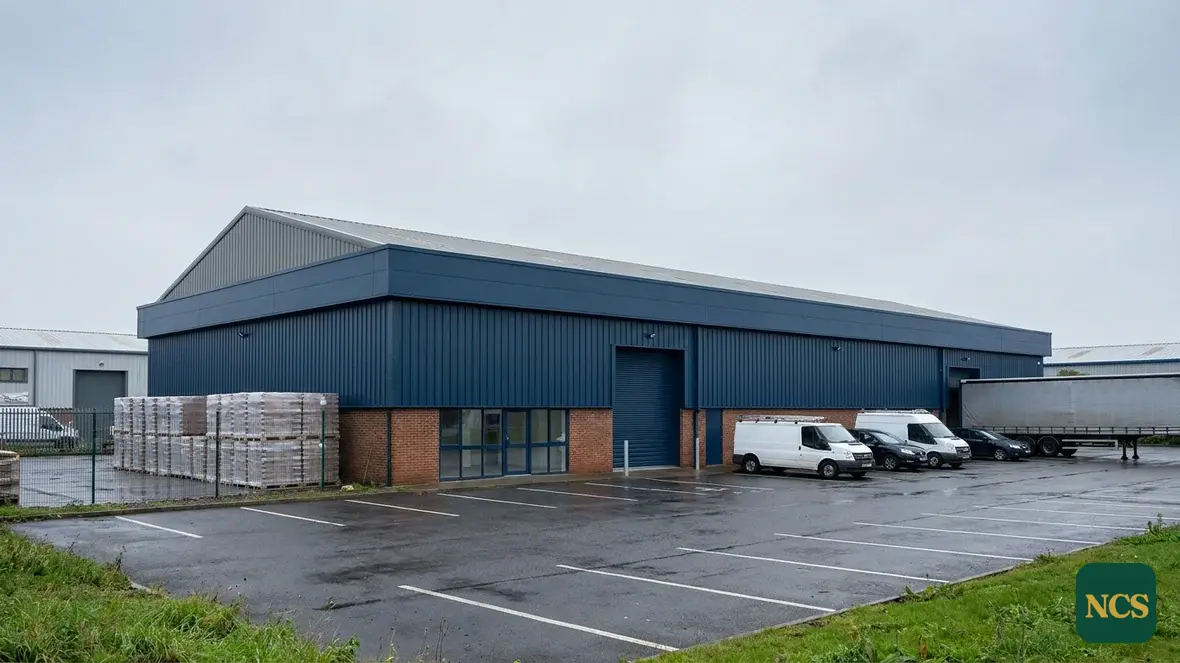
Cambridge has one of the more varied commercial estates in the east of England, and commercial wall coating in Cambridge needs to respect that variety. A rendered office frontage near the centre, a brick industrial unit on an established estate and a newer building on one of the business and science parks each weather differently and each needs its own specification. We’re a survey-led exterior coating contractor: every recommendation we make follows an inspection of the actual elevations, because the substrate and its condition decide the system, not the other way round. You wouldn’t paint a wall you haven’t looked at. We won’t either.
What Cambridgeshire weather does to commercial elevations
This part of Cambridgeshire is comparatively dry by national standards, but flat, open country brings wind exposure, and elevations still take driven rain, frost cycles and strong UV through the summer. Generally, the symptoms we’re most often asked to survey are faded and chalking masonry paint, fine cracking in render, staining where details such as sills and copings have failed, and older coatings peeling from poorly prepared substrates. UV degradation in particular catches buildings out here: a finish can look intact while it has gone brittle and stopped shedding water properly. That’s when you start seeing water ingress.
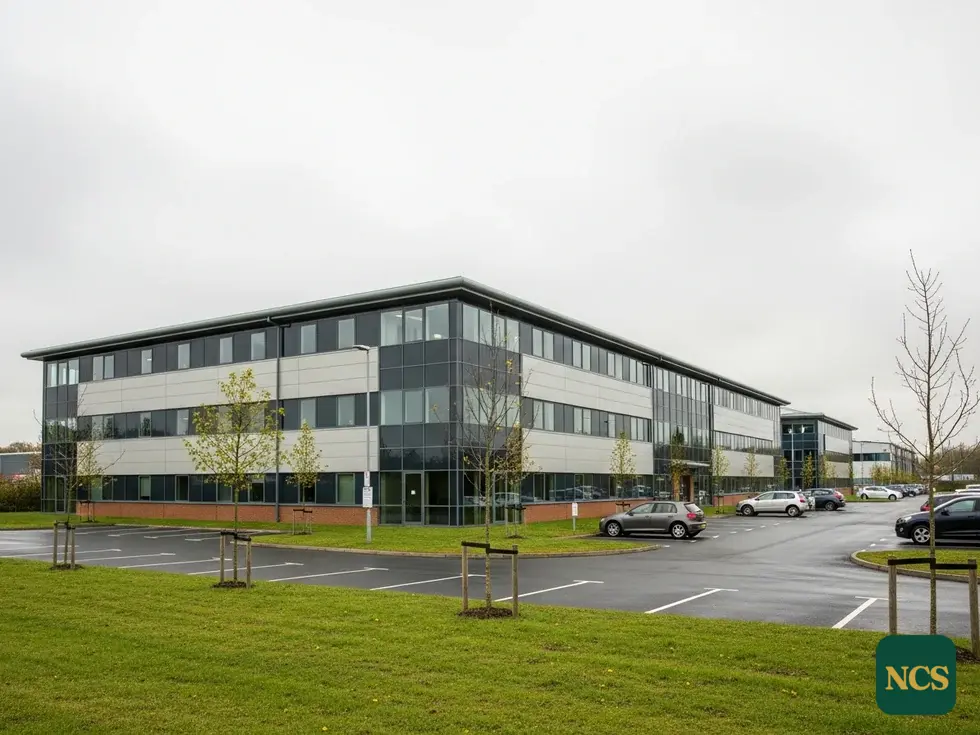
Survey first, specification second, coating last
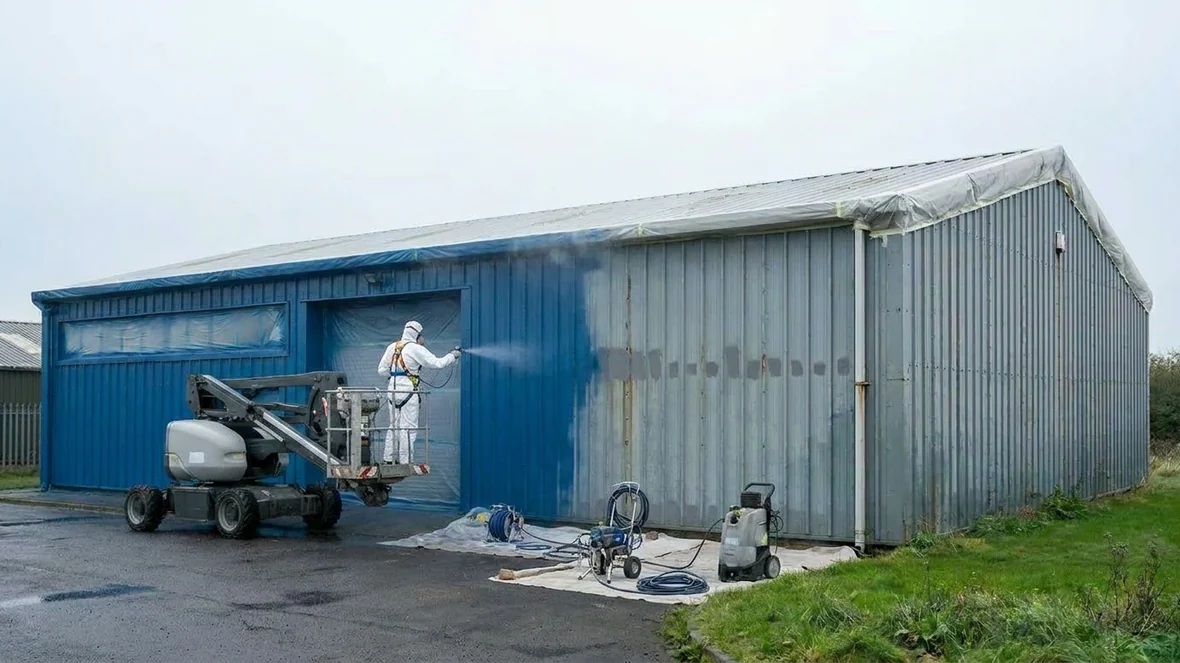
Our process is deliberately unexciting. We survey the elevations, identify the substrate and any existing systems, trace the causes of cracking or damp, and put the findings into a written specification covering repairs, preparation and the proposed coating. Only then do we price and programme the work, scheduled around your operating hours where access allows. We cover Cambridge itself and work across the surrounding towns, including Ely, Newmarket, Huntingdon and Royston. That suits organisations with sites spread around Cambridgeshire and its borders.
Our commercial painting work around Cambridge is exterior only, and it always begins with the substrate: render, masonry and concrete are put right before the coating.
When we advise you not to coat
Part of being survey-led is reporting what we find even where it loses us the application work:
- Damp walls need the source fixed and drying time before any coating. You can’t paint over a leak.
- Large areas of hollow or detached render call for re-rendering first. We won’t paint render that’s falling off.
- Breathable historic masonry can be damaged by sealed film coatings. Sometimes the best thing is to leave it alone.
- Structural movement cracks need investigation, not decoration. A coating won’t stop the building moving.
- Sound, recently coated walls sometimes need nothing at all. If it’s doing its job, don’t fix it.
We put these findings in writing so you can plan and budget on facts. No surprises.
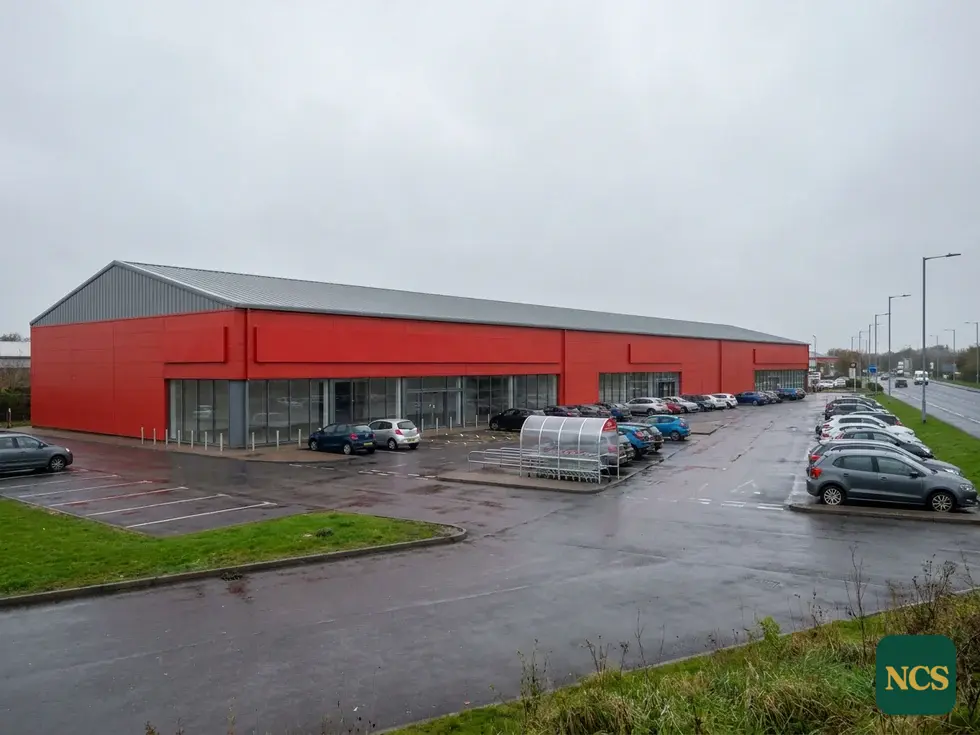
Choosing a contractor on method, not paint tins
Most coating products perform when they’re applied to a sound, prepared, dry substrate, and most failures happen because one of those three conditions wasn’t met. That’s why we ask Cambridge clients to judge contractors on method: did anyone inspect the wall, diagnose the defects and write down the preparation, or did the quote arrive from a photograph? Our surveys exist so the answer to that question is never in doubt. If you manage commercial property in Cambridge or the wider area, ask for an inspection and a straight written report before you commit to anything. You’ll thank us later.