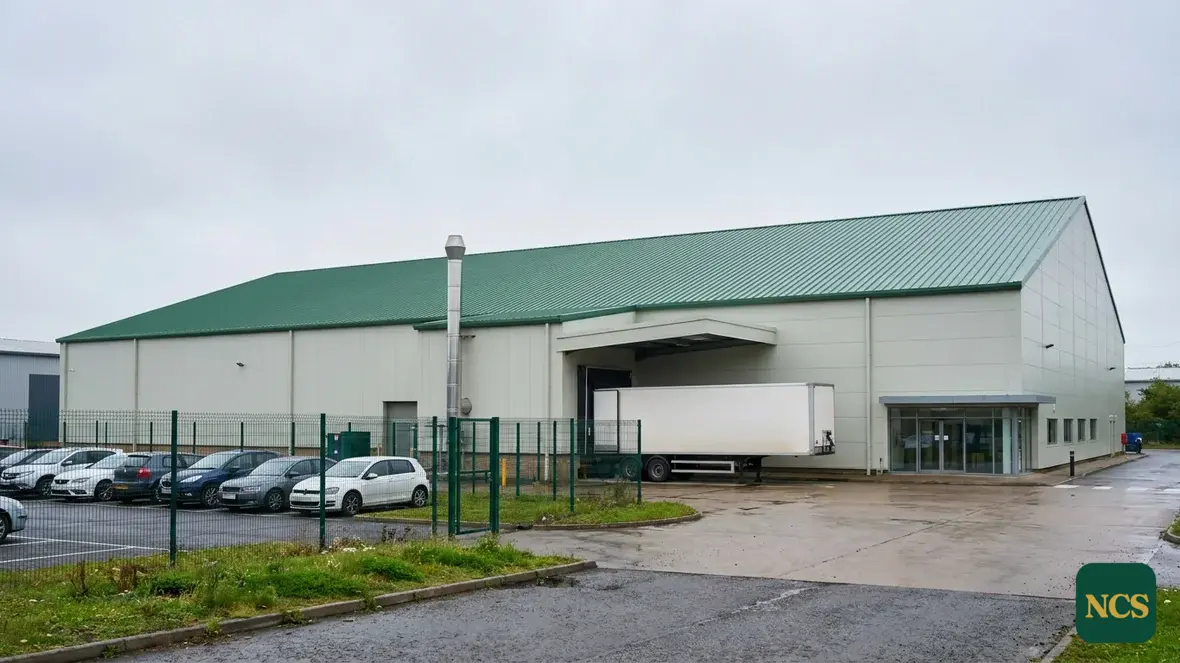
Commercial roof coating in Sunderland
Salt defines roof maintenance on this coast. The wind off the North Sea carries it well inland and it picks at every exposed metal surface in the city, roofs included. Commercial roof coating in Sunderland is less cosmetic, more a matter of corrosion management: the right system, applied properly over treated steel, slows the salt-driven decay that would otherwise end a roof’s life years early. Stick it on a roof that’s already too far gone, though, and it achieves nothing at all. Our Tyne and Wear surveys exist to establish which of those two roofs yours is.
If you have been quoted for roof painting in Sunderland, compare the preparation, not just the finish. The treatment of the sheets and fixings decides how long any coat lasts.
What coastal weather does to commercial roofs here
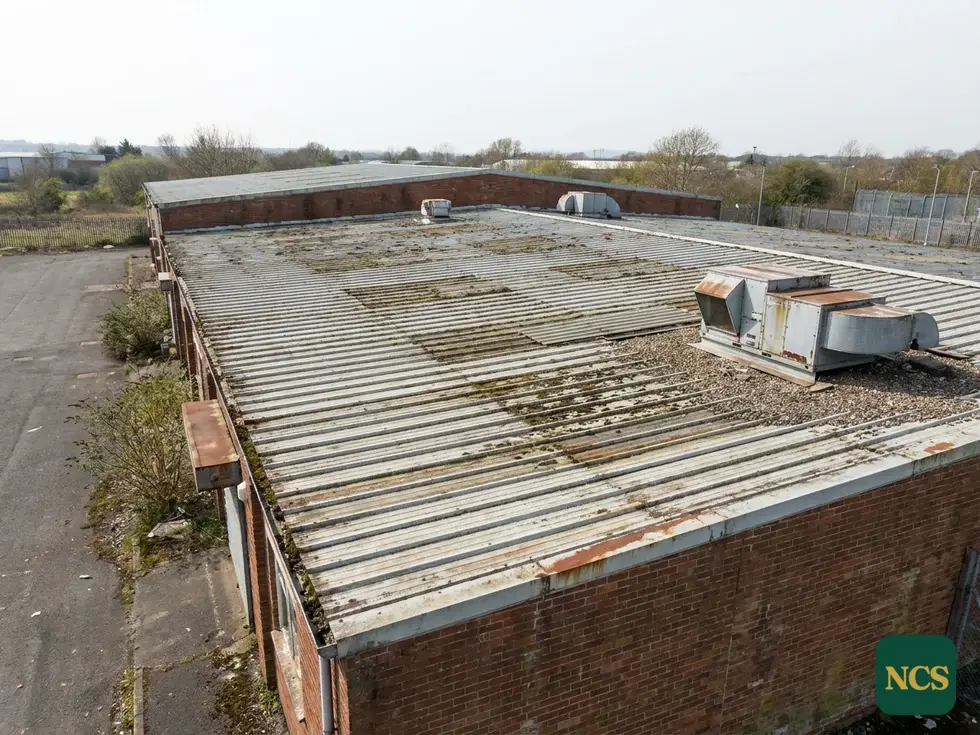
Sunderland’s commercial buildings range from manufacturing and supply-chain units to trade estates, storage buildings and port-related premises. Most of them carry profiled metal roofs. On this coast those roofs show cut-edge corrosion earlier and more aggressively than their inland equivalents. You also see rusting fixings, failed lap seals and finishes stripped back by wind-driven rain. Older buildings add asbestos cement sheeting, which grows porous with age, and you’ll find felt flat roofing on offices and smaller premises. None of this is unusual in itself. What’s different here is the speed at which it progresses, which makes the timing of any intervention matter. Rooflights and their seals also fail faster in this exposure, so we check them alongside the sheets rather than treating them as an afterthought.
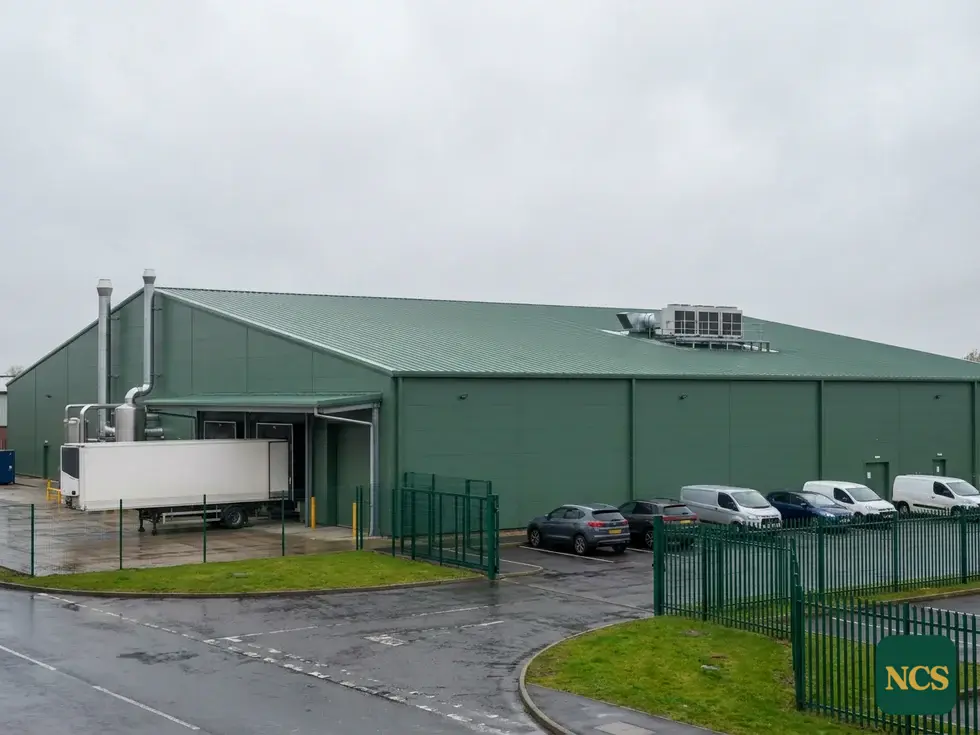
Survey first: how we decide what to recommend
An inspection of the roof itself settles the question. We assess how deep the corrosion runs, whether the sheets retain structural integrity, the state of laps, fixings, flashings and gutters, and whether water is already inside the building. The recommendation arrives in writing: coat, repair and then coat, or do not coat at all. Work on occupied buildings is planned so operations continue underneath. Where the forecast leaves only narrow weather windows, the programme is built around them rather than around our diary. From Sunderland the team covers the wider North East as standard, including Newcastle upon Tyne, Durham, Washington and South Shields.
The roofs we refuse to coat
On coastal stock the line between saveable and finished is crossed sooner, so we are blunt about it. Sheets perforated by corrosion cannot be coated back to health. They need replacing. A roof with widespread deep corrosion may be cheaper to re-sheet than to prepare properly. Brittle asbestos cement is a hazard to work on and a poor substrate to coat. Saturated flat-roof build-ups must not be sealed over, because the trapped moisture keeps working on the deck. If your roof sits in one of these categories, the survey will say so, and we will recommend the repair or replacement route with the reasoning documented, so you can test it against any other opinion you gather.
Why a survey-led contractor matters on this coast
Corrosion depth cannot be judged from the ground. On salt-exposed roofs the gap between looks-fine and rusted-through can be two winters. Contractors who quote without inspecting are guessing about precisely the variable that decides whether coating works here at all. A survey-led approach replaces the guess with measurement, the generic product with a specified system, and the sales pitch with a documented recommendation you can hold us to. For commercial building owners in Sunderland, that is what buying roof work on evidence looks like. On this coastline, anything less is a gamble against the weather.
- Corrosion-depth assessment before any recommendation
- Cut-edge treatment and fixing repairs specified up front
- Systems chosen for coastal exposure, not a generic spec
- Written survey findings you keep, whatever we advise