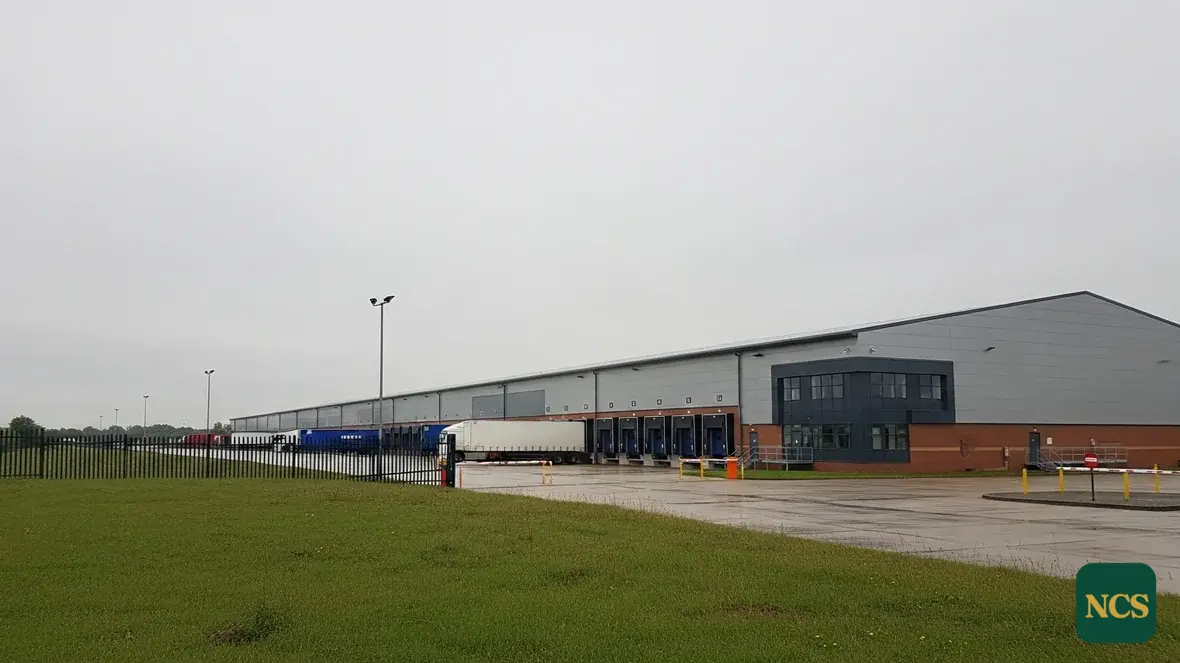
Sunderland’s industrial roofscape was built for hard work: manufacturing units, distribution sheds and workshops clad in profiled coated steel, much of it now decades into service within reach of the North Sea. Coastal air and an exposed north-east climate make this one of the tougher environments in England for steel roofing, and the cut edges of the sheets are where that toughness shows first.
Where the rust starts and why
The faces of a coated steel sheet are protected; the ends, cut to length during installation, are not. Those bare ends sit at the eaves and inside the end laps, collecting and holding moisture. Salt in coastal air does two unhelpful things at once: it speeds up the corrosion reaction and it keeps steel damp in conditions where an inland roof would dry off. Rust takes hold on the exposed edge, then undercuts the coating, peeling it back and widening the band of failing metal year on year.
Left alone, it only goes one way
Cut edge corrosion does not pause. The lifted coating traps moisture against fresh steel, the rust front advances up the sheet, and at some point the lap perforates and the roof leaks. By then the conversation has changed from treatment to replacement. On a production or storage building in Sunderland, that change carries consequences well beyond the roofing bill: interrupted operations, wet stock, and access works wrapped around a building that needs to keep running while the work happens above it.

The strong case for catching it early
Treated while the corrosion is still confined to the edge zone, the remedy is contained and predictable: mechanical preparation to sound metal, rust-inhibiting primer, and a flexible seal over the laps and sheet ends. The building stays in use, the existing sheets stay on the roof, and the cost stays in maintenance territory rather than capital works. Every year of delay transfers money from your side of the table to the problem’s side, because the area needing preparation grows and the chance of perforation rises with it.
When we say no to treatment
Some roofs are past it, and pretending otherwise wastes your money. If our survey finds perforated laps, sheet ends that break up under preparation, or corrosion running well beyond the edge zone beneath the coating, we will report that treatment is no longer viable and that the affected sheets need replacing. That is not the answer anyone wants, but it is the one that lets you budget for the real job rather than paying for a cosmetic one first and the real one second.
Completing the job with a full roof coating
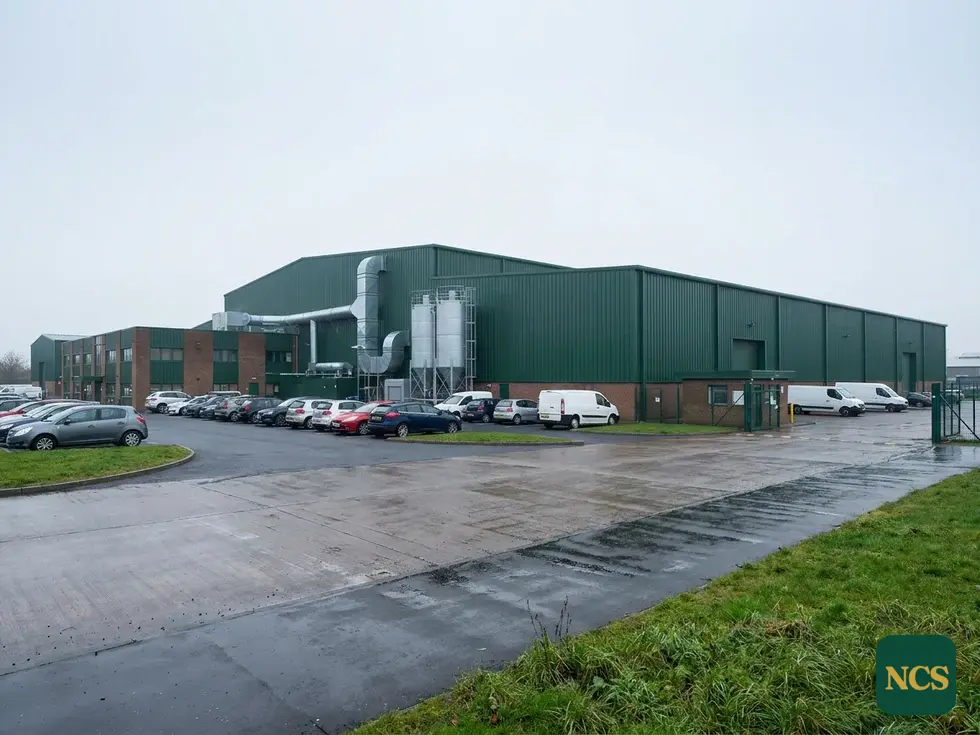
On a coastal roof the rest of the surface is weathering nearly as hard as the edges, so it is usually false economy to treat the laps and leave a chalking, brittle topcoat everywhere else. Combining edge treatment with a full roof coating renews the entire surface in a single programme with one set of access costs. National Coating Specialists is South East based and works across the UK; Sunderland and the wider North East sit within our normal coverage, and every job begins with a survey of what is actually up there.