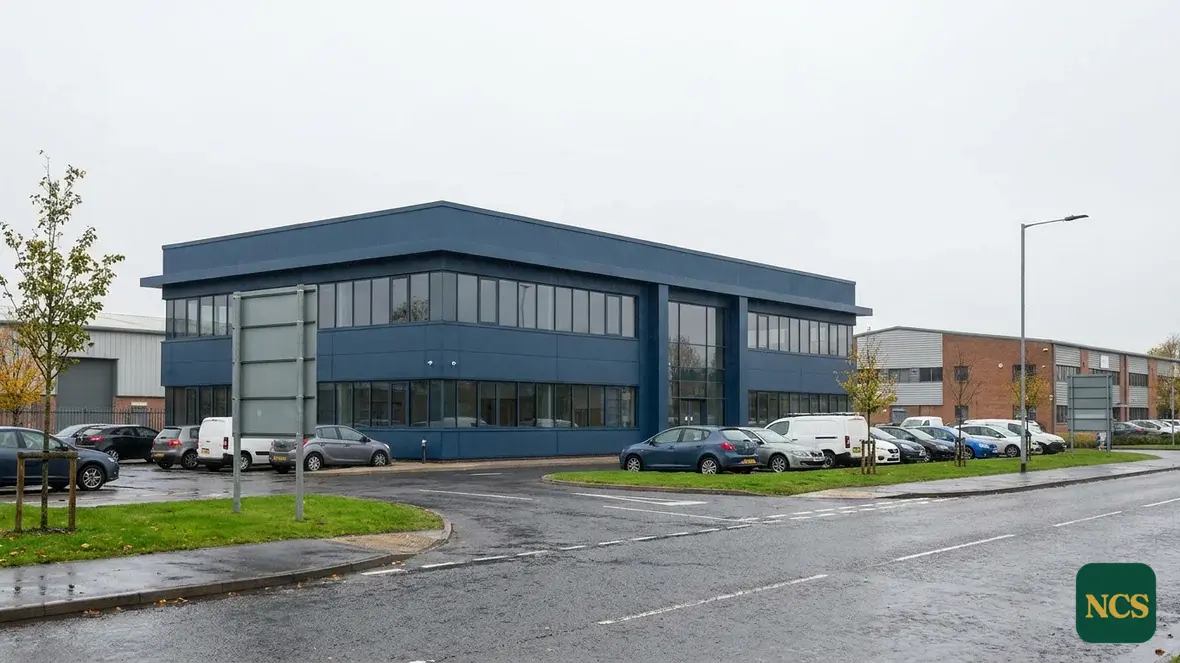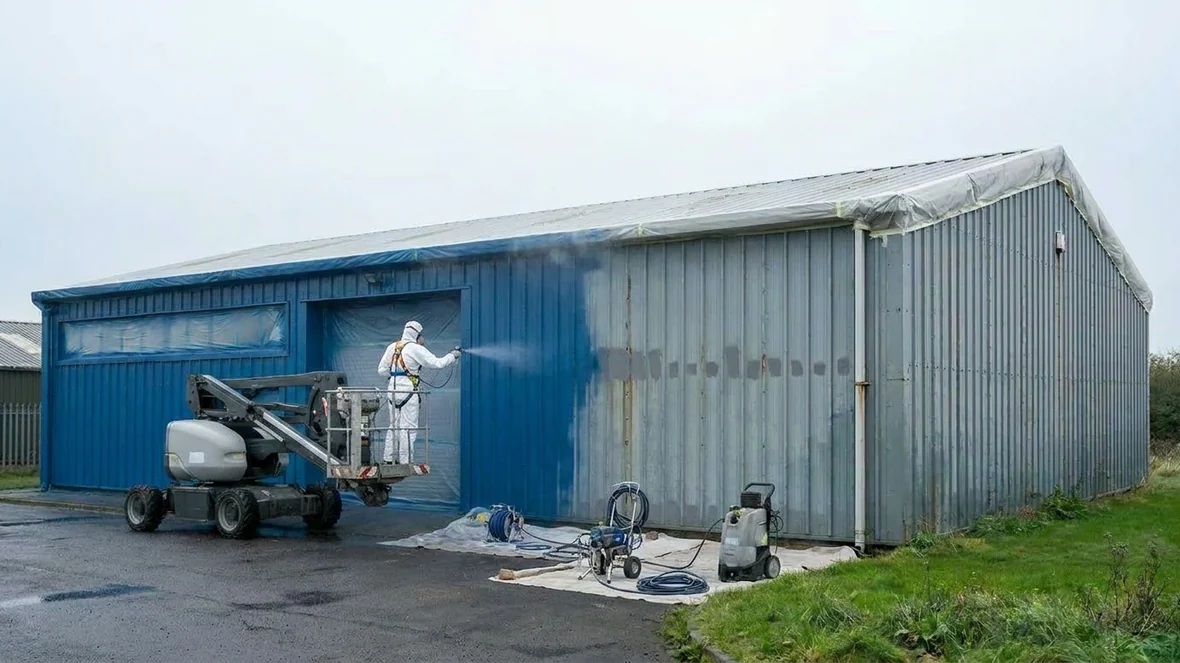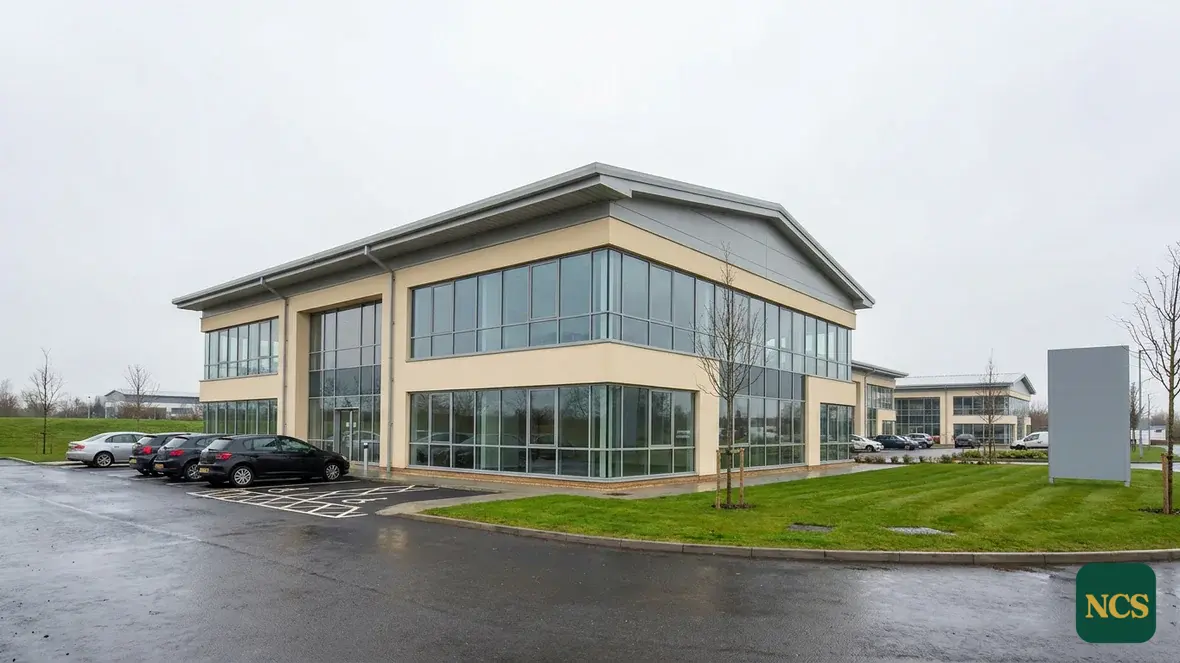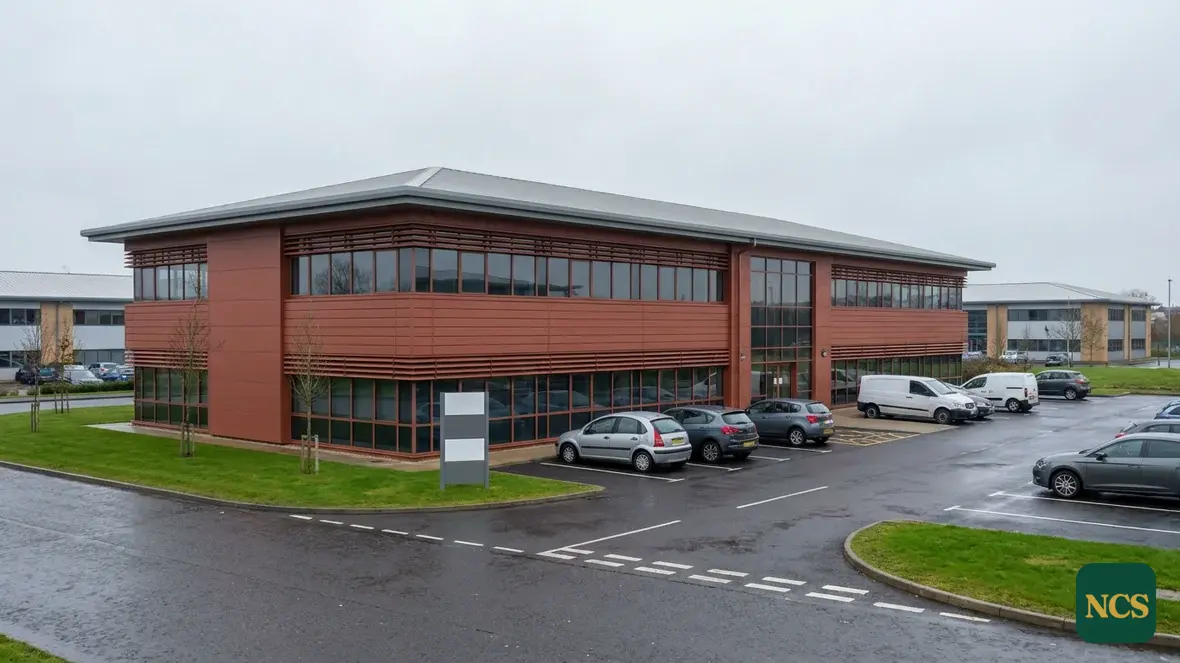
Commercial wall coating in Sunderland
Up here, the North Sea dictates how we approach any exterior work. A commercial wall coating in Sunderland has to stand up to the salt in the wind, the hard winters, and those long stretches where a wall barely gets a chance to dry out. That sort of environment shows up shortcuts fast: if you put a finish on a wall that’s not been prepped right, or is still damp, it’ll be screaming about it within a winter or two. So we flip that on its head. Every job starts with a survey, and it’s the wall’s condition, not some product catalogue, that tells us what to recommend.
This isn’t to say don’t coat. When it’s done right, an exterior coating is one of the smartest ways to protect a commercial building here. It’s about doing the work in the proper order, and that’s the bit of the trade most people skip.
The shape of the local commercial stock
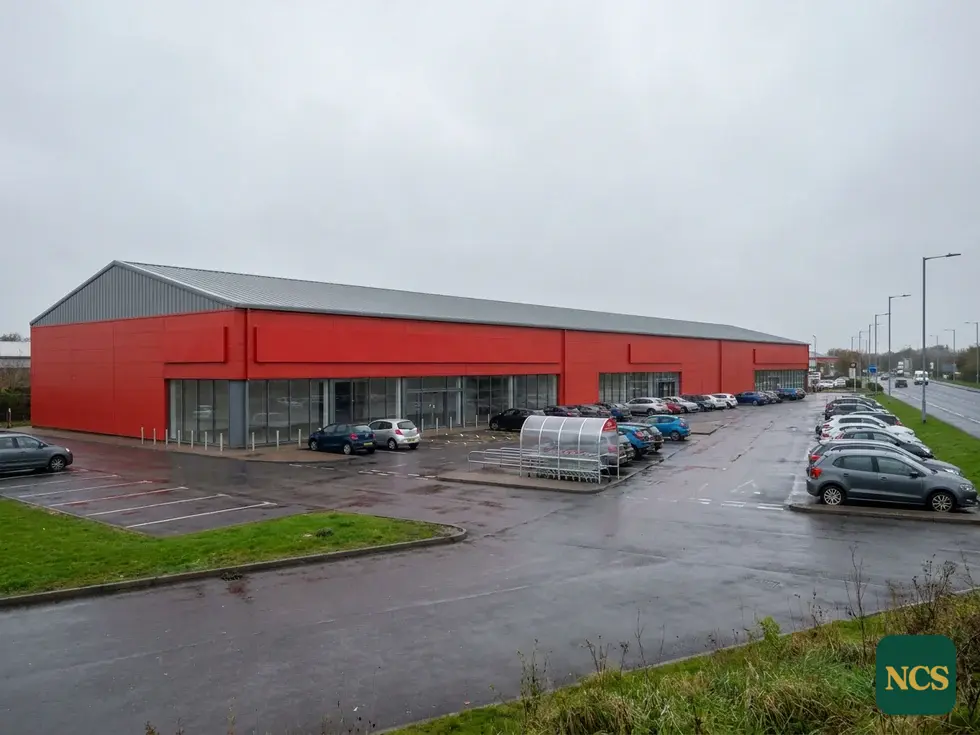
Sunderland’s buildings tell the story of the city, from the older brick frontages on the high street, through rendered conversions and post-war blocks, right up to the big, modern units on the business and industrial parks around the city and out towards Washington. Generally speaking, older, exposed brick needs to breathe. Rendered walls need their cracks and blown patches dealt with honestly before anything goes over them. Modern masonry units usually just need the right prep and a system that can handle the coast. Wind exposure is another factor; a wall facing the sea or open ground lives a much harder life than the same wall two streets back. What any specific wall in Tyne and Wear actually needs? Only an inspection will tell you.
Owners in Sunderland ask for painters, coating specialists or render contractors, and the same survey-led job answers all three.
How the work is sequenced once surveyed
After we’ve had an initial chat, we inspect the building. We take moisture readings, figure out the substrate, and then put all our findings in writing with a clear recommendation. If you decide to go ahead, the on-site sequence is always deliberate:
- Repairs come first: cracks, pointing, render patches, any failed detailing.
- Preparation is matched to the wall itself, no generic wash-downs.
- We only apply coatings when the weather’s sensible.
- Detailing around windows, doors, copings, and rainwater goods is done properly.
- A final walk-round against the written scope, every time.
We cover the wider North East on the same basis, so if your premises are in Newcastle upon Tyne, Durham, Washington, or South Shields, you’ll get the exact same survey-led process. Distance doesn’t change our standard; the survey and the written scope travel with us.
Where we draw the honest line
No coating will fix rising damp, active structural movement, failed wall ties, saturated cavity fill, or a roof that’s pouring water into the wall below. On this coast, coating over a fault like that is worse than useless, because then the sealed-in moisture and the weather just work on the wall together. When our survey finds a building defect, our report will name it and tell you what needs doing before any coating is even considered. Sometimes that means we end up doing less work than you first asked for. That’s the right outcome, not a flaw in our process.
Why survey-led is the right way to buy this work
A survey-led contractor sells you a diagnosis and a reasoned specification, and then the labour to carry it out. A quote-led contractor sells you the labour and crosses their fingers. For commercial property in Sunderland, where access, scaffolding, and disruption to your business all cost real money, the first model is the only one that makes financial sense. The wall gets exactly what it needs, the paperwork shows you why, and the finish has the best possible chance against the North Sea weather it’ll live with for years. Every recommendation we make is traceable back to something we’ve observed and written down about your building, not just pulled from somewhere else’s.