Why surveying is crucial for cladding on the coast
Inland, a poorly scoped coating job fails slowly. On the coast, it fails fast. Every missed cut edge and every skipped stage of preparation gets attacked from day one. A survey-led contractor closes those gaps before they get painted over. The scope is grounded in tested evidence, not assumption. The system matches the exposure, not just habit. And the finished work can be checked against a written standard. For clad buildings in Sunderland and across Tyne and Wear, that discipline isn’t just a refinement of the job. It is the job. We won’t quote until we’ve tested the existing finish.
Exterior panel painting for Sunderland properties
Coastal weather is brutal on clad buildings, and Sunderland gets more than its share. Salt-laden air chews at every cut edge and scratch, and North Sea wind and rain strip the life out of factory finishes years quicker than inland. Cladding spraying in Sunderland is as much about protection as it is about looking good. Get the right system on properly prepared panels and you put a fresh barrier between the steel and the salt, while bringing the colour back. Exposure varies so much from one site to the next. We won’t specify anything until we’ve surveyed the building and tested the existing coating. Two similar units a mile apart can need completely different levels of preparation, and the only way to know is to test them.
If your Sunderland unit needs the cladding painted, the survey decides if a respray restores it or the panels are past saving, and you get that answer straight.
The commercial property types we coat in Sunderland
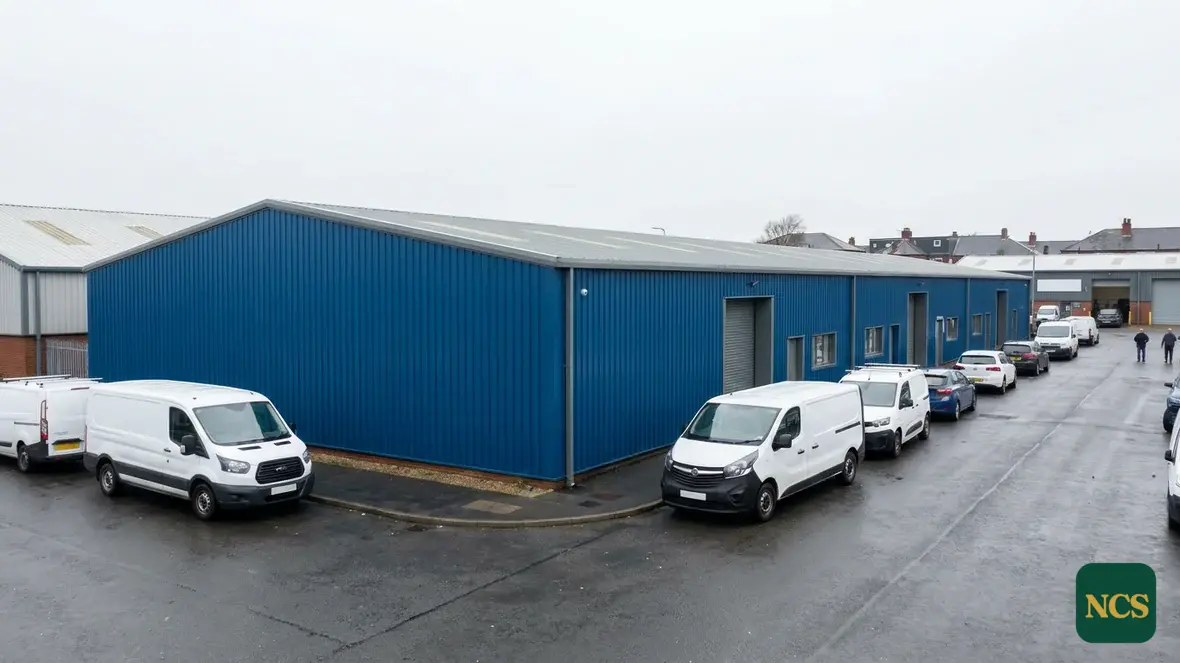
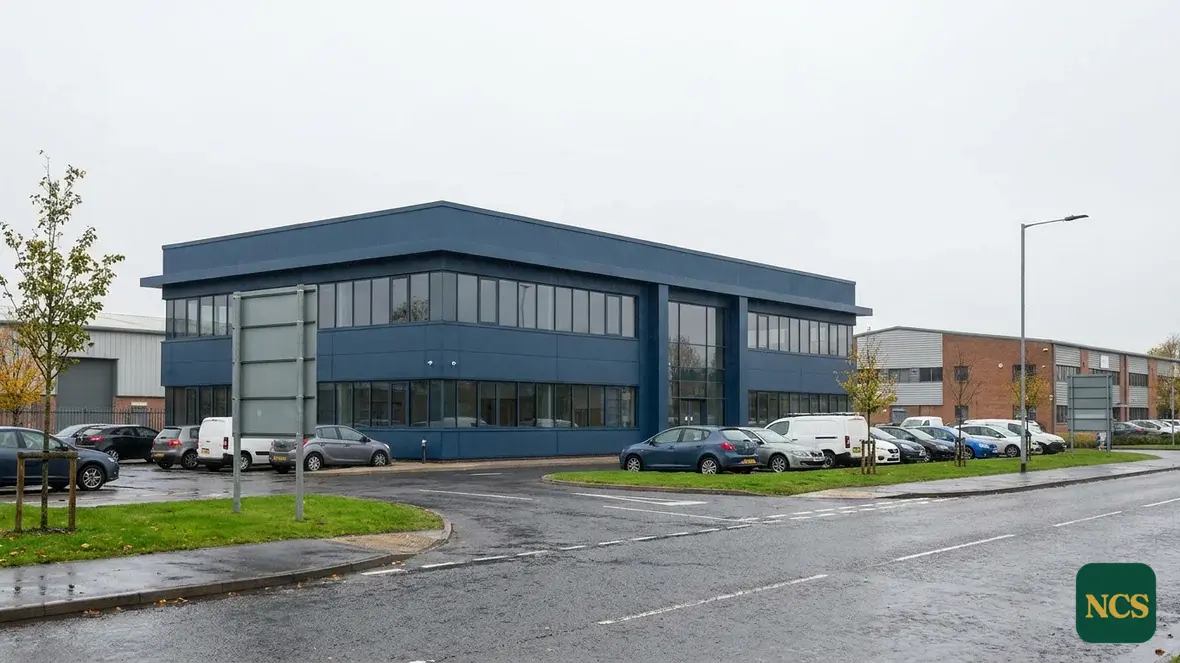
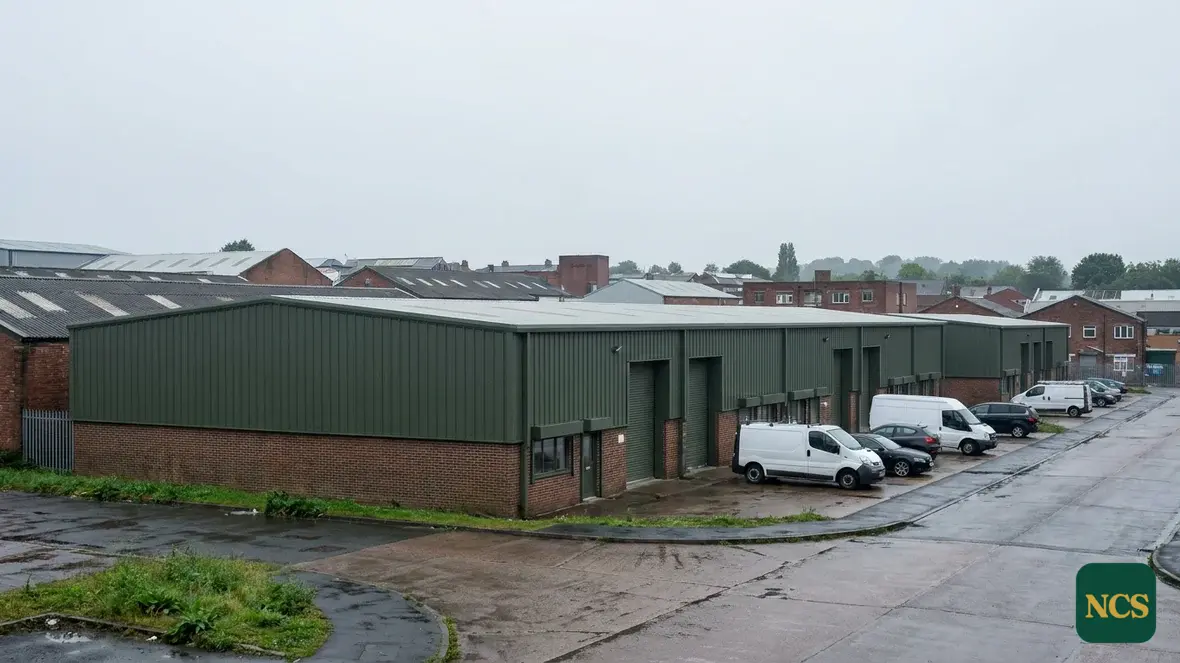
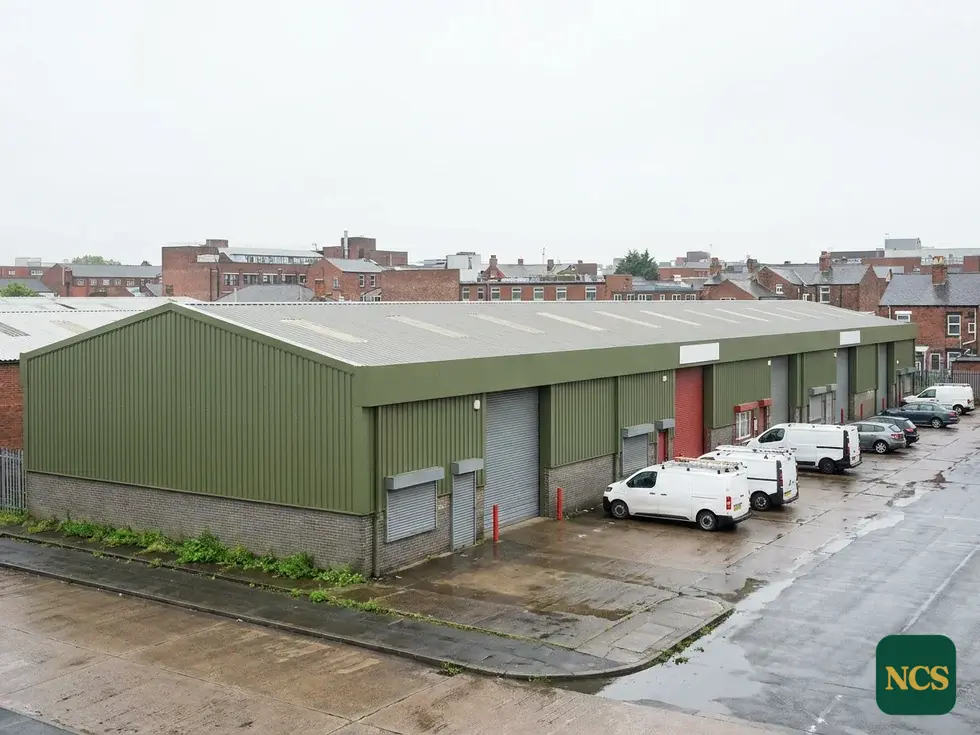
Tyne and Wear’s commercial areas are packed with exactly the buildings that spraying suits: big manufacturing and logistics units in profiled steel and composite panel, trade parks and retail sheds, workshops, depots, and offices with powder-coated framing, fascias and rainscreen details. On the older stock, the original plastisol is often chalked flat, and you’ll see the tell-tale orange of cut-edge corrosion creeping along sheet ends, laps, and around openings. Newer composite-clad buildings hold up better, but even modern finishes lose their gloss and depth fast this close to the sea. Dented or scratched panels give the salt a way in. The pattern is consistent: appearance goes first, edges go second, and the sheet itself goes last. A respray timed between the first and second of those stages is far more valuable than one delayed to the third. This is particularly true if you’re smartening up for a new tenant or sale.
When a cladding respray isn’t the right answer
Salt air eventually pushes some buildings past the point of respraying, and we’ll tell you when yours is one of them. Perforated sheets, composite faces lifting from their cores, edge corrosion that has destroyed the sheet end, and fixings that no longer hold cannot be coated back to health. A respray also won’t substitute for thermal or fire-performance upgrades if those are needed. When our survey finds any of this, the report says so in plain terms, with our view on repair, partial replacement or full recladding instead. That honesty sometimes costs us a job. It’s still the only way to run a coating service worth recommending. We’ll always give you a clear, written report.
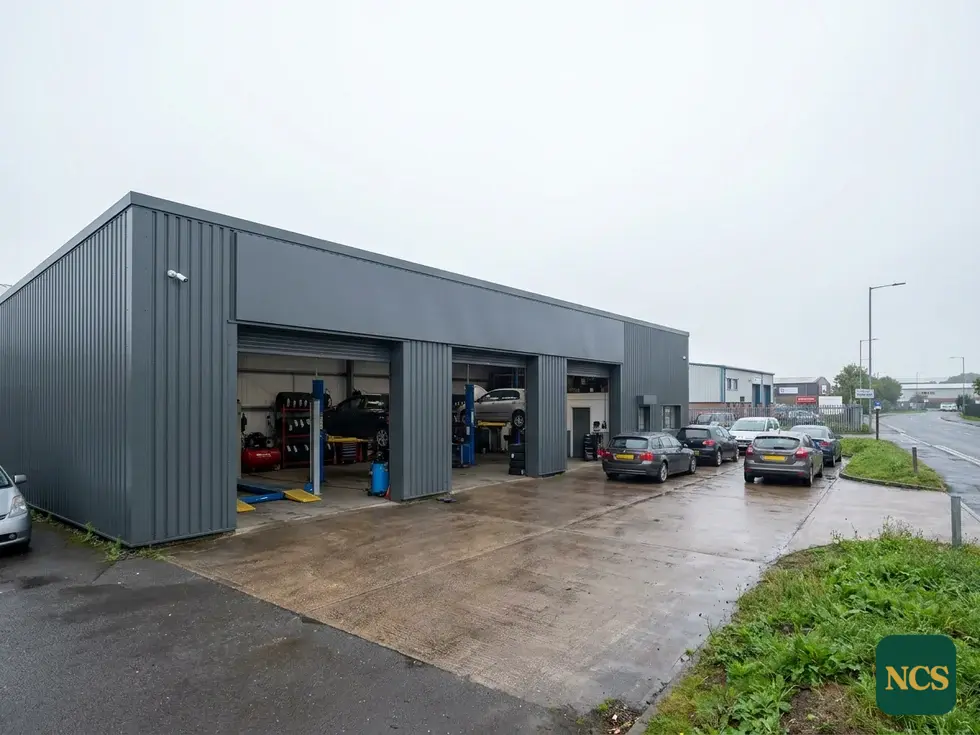
Our approach: survey first, then the system
The survey is where you win or lose a coastal job. We test the adhesion of the existing finish, elevation by elevation. We map the corrosion, paying close attention to cut edges and fixing lines, and we assess the building’s exposure. That way, the specification matches the conditions, not a brochure. Preparation, edge treatment, priming of bare metal, and the coating build-up are all written down before we give you a price. The work on site follows that document. On site, the sequence is set:
- Thorough washing and preparation of all surfaces.
- Targeted corrosion treatment and panel repairs.
- Primer application where bare metal needs protection.
- The full coating system applied under controlled conditions.
- Everything nearby masked and protected throughout.
We check each stage before starting the next. Our teams cover the wider North East on the same basis, so buildings in Newcastle upon Tyne, Durham, Washington and South Shields get the same survey, the same testing and the same written specification