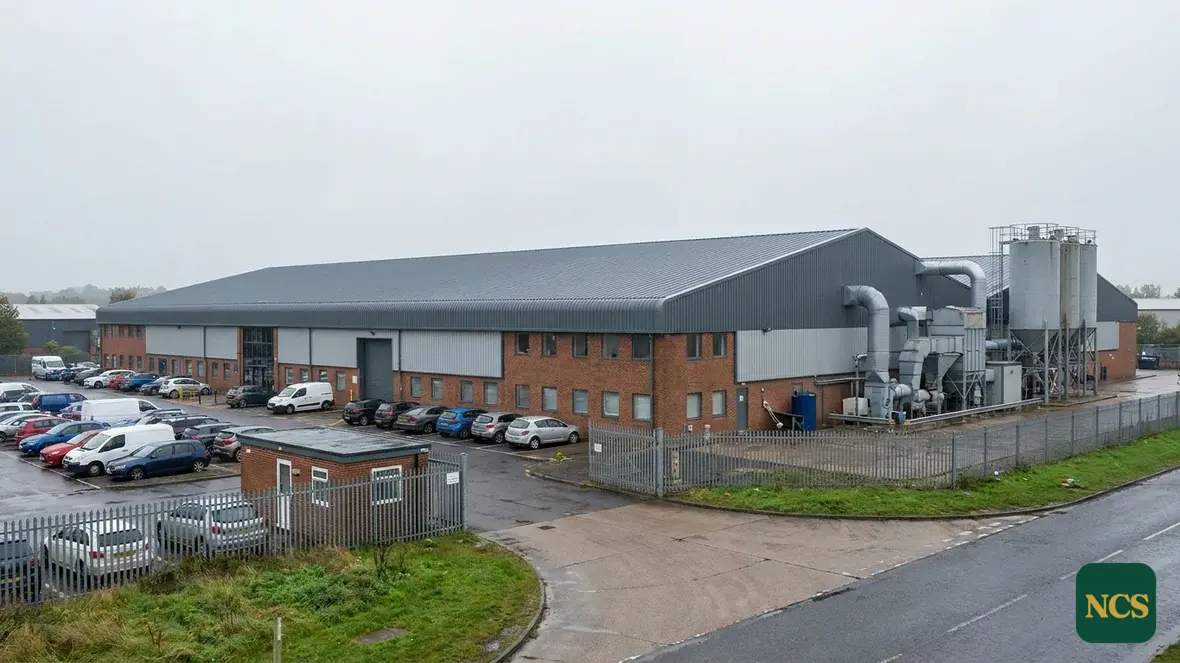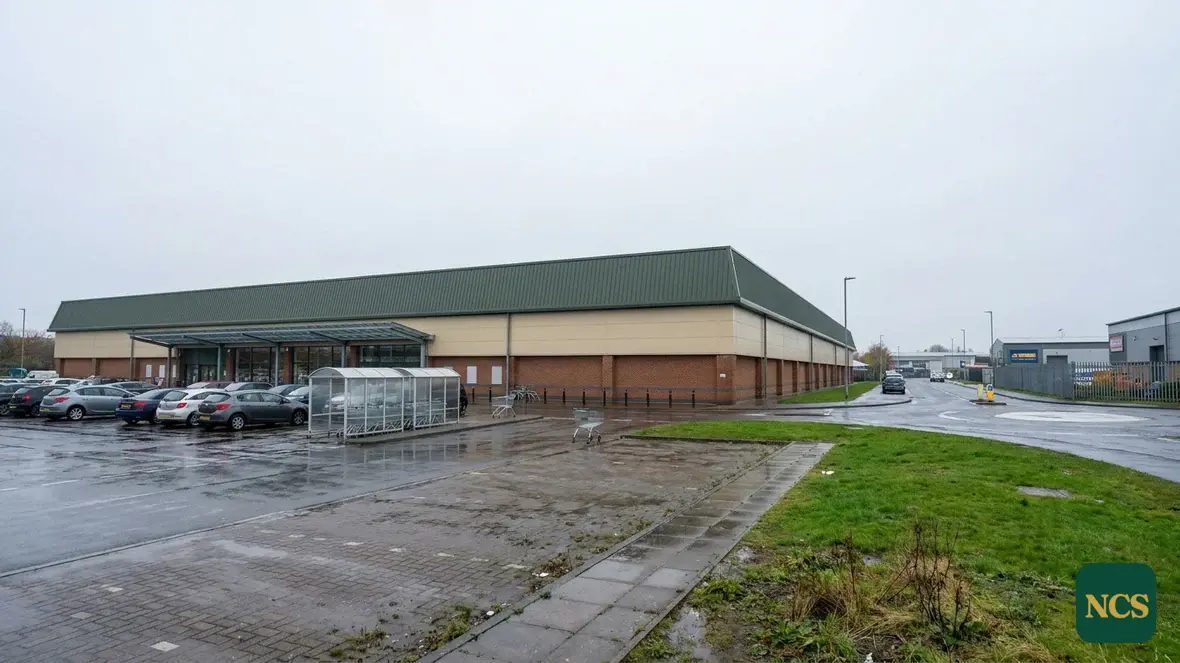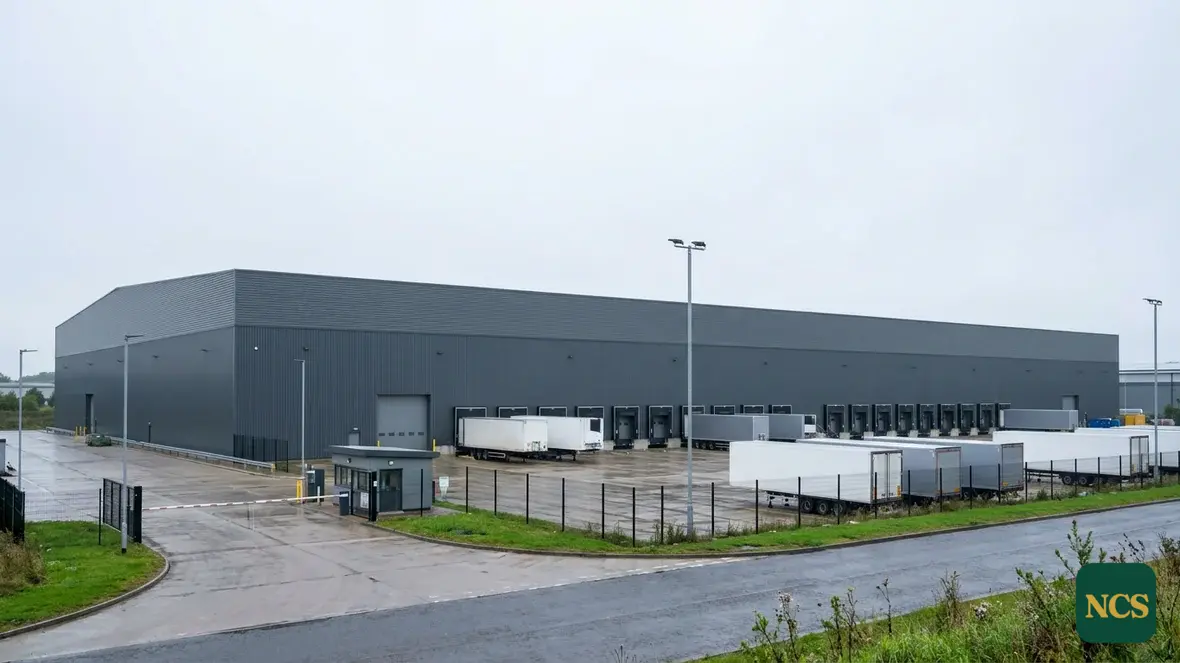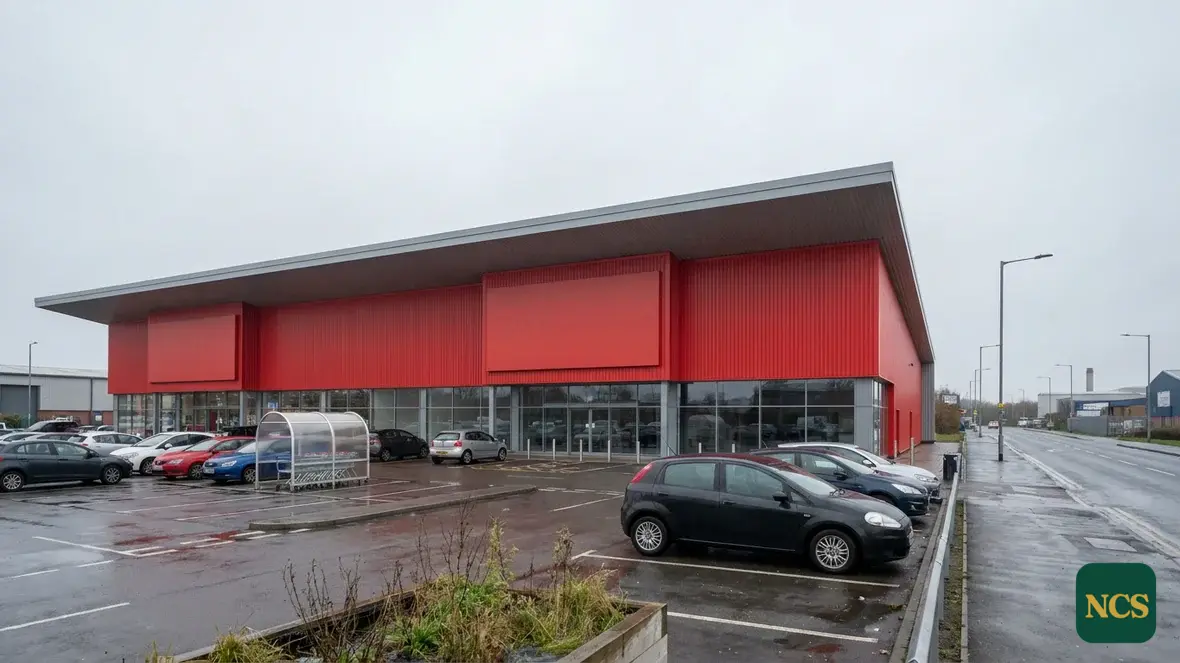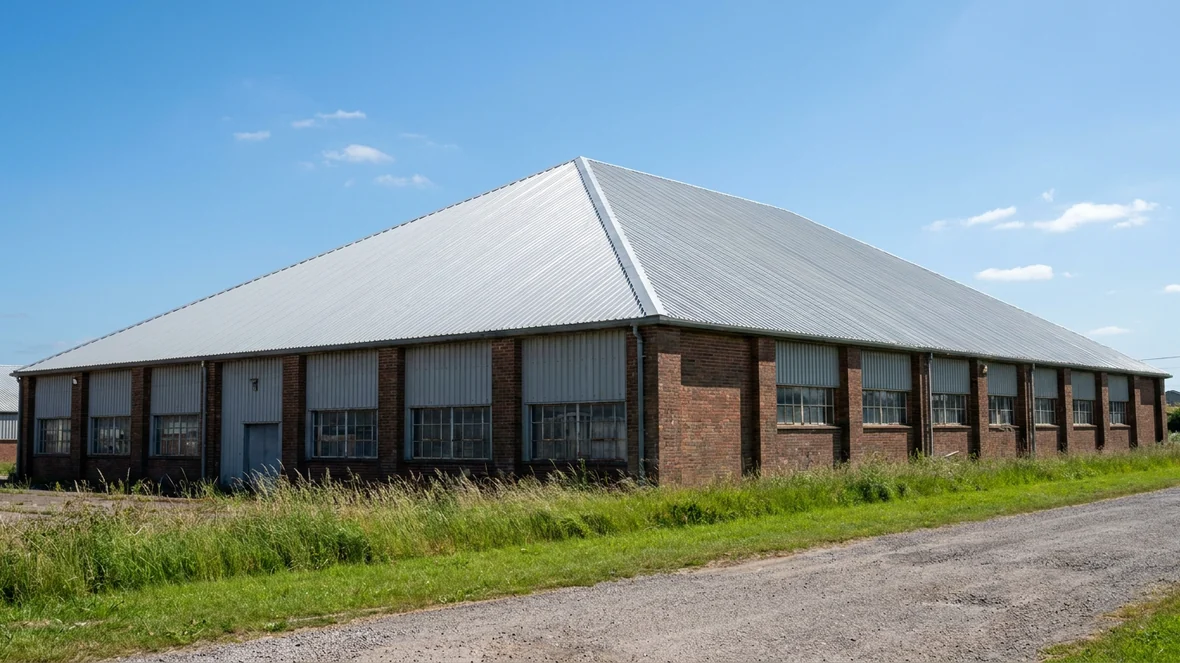
Coating large industrial roofs in Truro
Most of Truro’s industrial floorspace sits on trading estates around the edge of the city, in steel portal-frame units with profiled metal roofs that have been doing their job since the 1980s and 1990s. Those roofs are now well into the second half of their design life, and the question facing facilities and estates teams is rarely whether something needs doing, but what, and how soon. National Coating Specialists is a survey-led exterior coating contractor based in the South East and working across England, Cornwall included. We start every enquiry the same way: with a candid assessment of whether the roof is a sensible candidate for coating at all.
Where it is, the case is strong. A coating system applied to a structurally sound metal roof arrests corrosion, seals minor leak paths and extends serviceable life without stripping a single sheet. Tenants stay in occupation, racking stays in place and production carries on underneath while the work happens above.
Why cut-edge corrosion is the recurring fault here
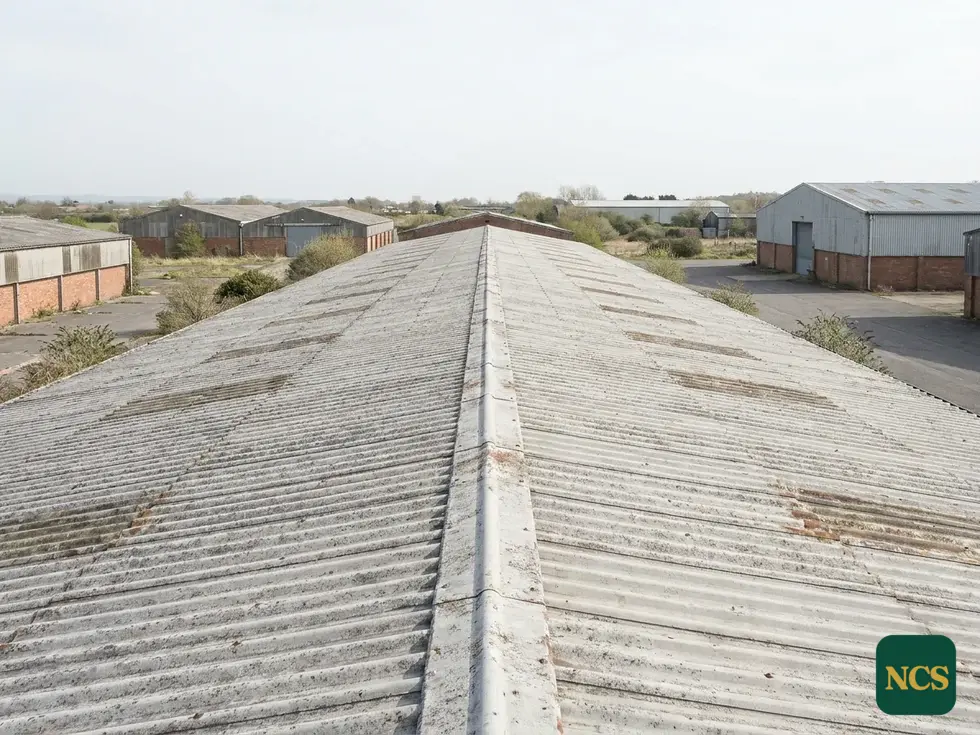
Profiled steel sheets are factory coated, then cut to length. The cut edge at every lap and eaves detail exposes bare steel, and over time the factory finish peels back from that edge as rust creeps underneath. This is cut-edge corrosion, and it is the most common defect we record on industrial roofs of this age anywhere in England. Around Truro the coastal climate does it no favours: salt-laden air arrives off both coasts, and wind-driven rain works moisture into laps and fixings for more of the year than inland sites see. Caught early, cut-edge corrosion is treatable with localised preparation and a lap and edge sealing system. Left for another decade, it becomes perforation, and perforation changes the conversation entirely.
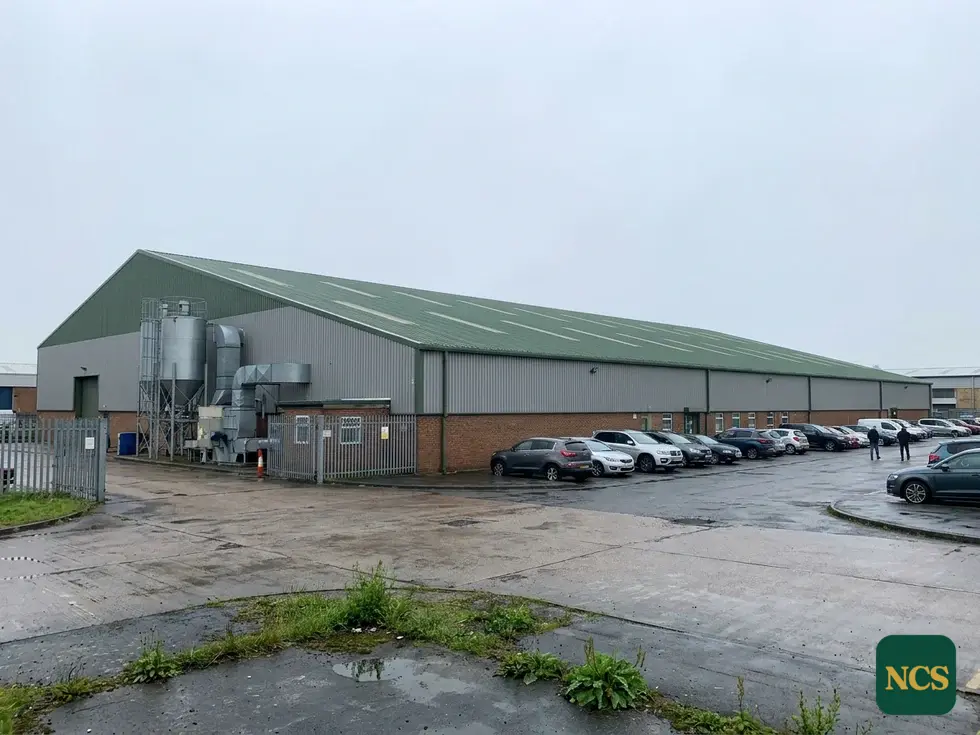
What our survey records before anyone quotes
We do not price industrial roof coatings from aerial photographs. A surveyor walks the roof, photographs the detail and reports on:
- Sheet profile, substrate type and the condition of any existing factory or site-applied coating
- The extent and severity of cut-edge corrosion at laps, eaves and verges
- Fixings: rusted heads, proud screws, cracked or missing washers
- Rooflights, their fragility and whether they should be replaced during the works
- Gutters, joints and outlets, often the true source of reported leaks
- Adhesion and moisture readings where an overcoat is being considered
The report tells you what the roof actually needs, in plain terms, even where the answer is not a coating.
When coating is the wrong answer
Some roofs are past the point where a coating makes sense, and we would rather say so at survey stage than discover it halfway through a job. Widespread perforation, sheets corroded thin from the underside, saturated insulation or movement in the frame all point towards re-sheeting or overcladding rather than coating. Equally, if the survey shows the leaks are coming solely from failed gutter joints or brittle rooflights, you may need targeted repairs rather than a full roof system, which costs considerably less. Coating a roof that should be replaced wastes your budget; replacing a roof that could have been coated wastes even more of it. The survey exists to put you on the right side of that line, with photographic evidence behind whichever recommendation we make.
Working around a live site
Almost everything we do happens outside the building envelope. For most occupied units in Truro that means no internal access, no decanting of stock and no interruption to shifts. We agree delivery windows, protect rooflights and walkways, phase the roof in sections so loading and unloading continue, and keep the noisier preparation stages away from the hours that matter most to the occupier. If your site runs around the clock, the method statement is written around that, not the other way round. To arrange a survey of an industrial roof in or around Truro, send us the site address along with any photographs or leak history you hold, and we will take it from there with a walked inspection and a written report.