Knowing when a coating isn’t the solution
A wall that is wet from a failed gutter, a leaking parapet, rising damp or saturated fabric does not need paint. It needs a repair, and then time to dry. Coating over an unresolved fault in this climate fails faster than almost anywhere else, because the trapped moisture has nowhere to go and the weather keeps adding more. If our survey finds that kind of problem, the report says so directly, with the order of works we would recommend. We put that honesty in writing because it is the part of the trade most often skipped, and the part that determines whether the finished job lasts. The patience is cheaper than it sounds; a coating applied to a dry, repaired wall is the one that does not have to be bought twice.
Exterior wall coating for Truro’s commercial properties
Salt rarely appears on a quotation, but in Cornwall it decides how long an exterior finish lasts. Truro sits only a few miles from both coasts, and the air carries enough salt and moisture to test any coating applied without respect for the conditions. Coating a commercial wall in Truro is a weather job before it’s a decorating job. The specification has to suit a climate of Atlantic fronts, wind-driven rain and brief drying windows, or the finish will be letting go at the edges within a couple of winters. It is also a planning job. Reliable drying windows are scarce here outside high summer, so an honest programme is part of an honest honest specification. We say so up front, rather than discovering it halfway through the work.
For a Truro frontage that needs repainting, the real question is why the last coat failed, and the survey answers it before anything is specified.
Our survey process for Truro’s coastal buildings
Our process begins with a site survey: substrate identification, moisture readings, a close inspection of cracking, detailing and previous coatings, and an honest look at how exposed the elevation really is. The findings come back in writing with a recommended scope. Where scaffold or towers are needed, access is planned around trading hours and neighbouring premises at survey stage, rather than improvised later. Programme matters more here than in most of the UK, because application needs proper weather windows, and we plan for that rather than pretending Cornwall is dry. The same survey-led approach covers the surrounding towns. We assess buildings in Falmouth, Redruth, Newquay and St Austell under exactly the process we use in Truro itself.
How the Cornish weather impacts commercial walls
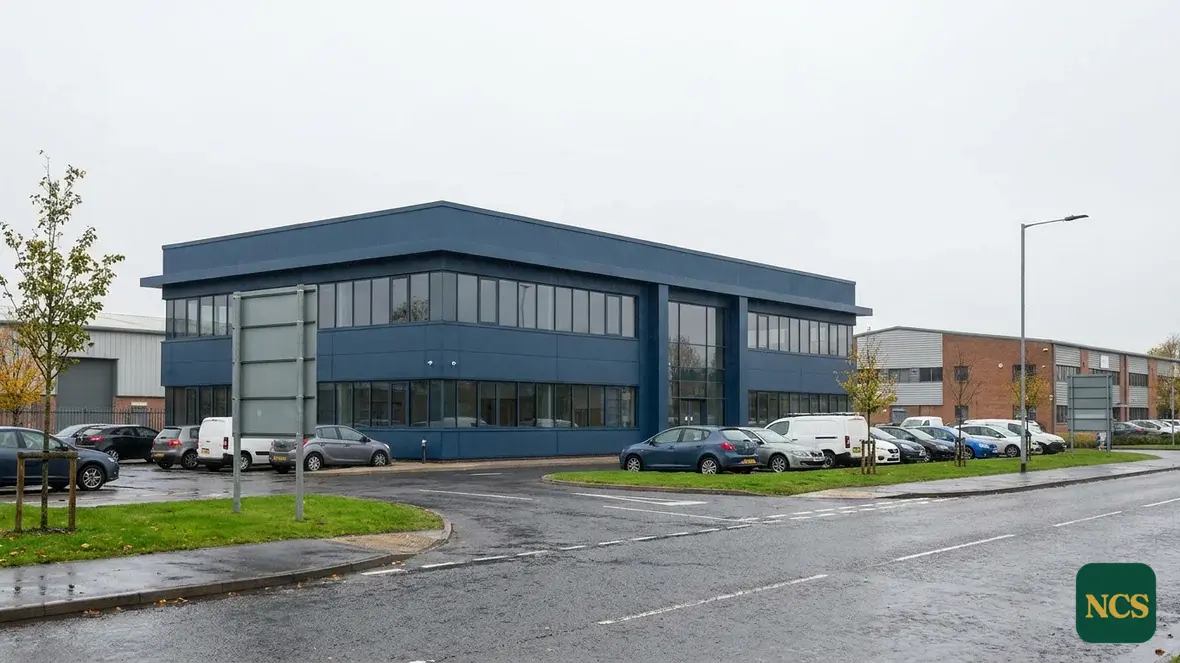
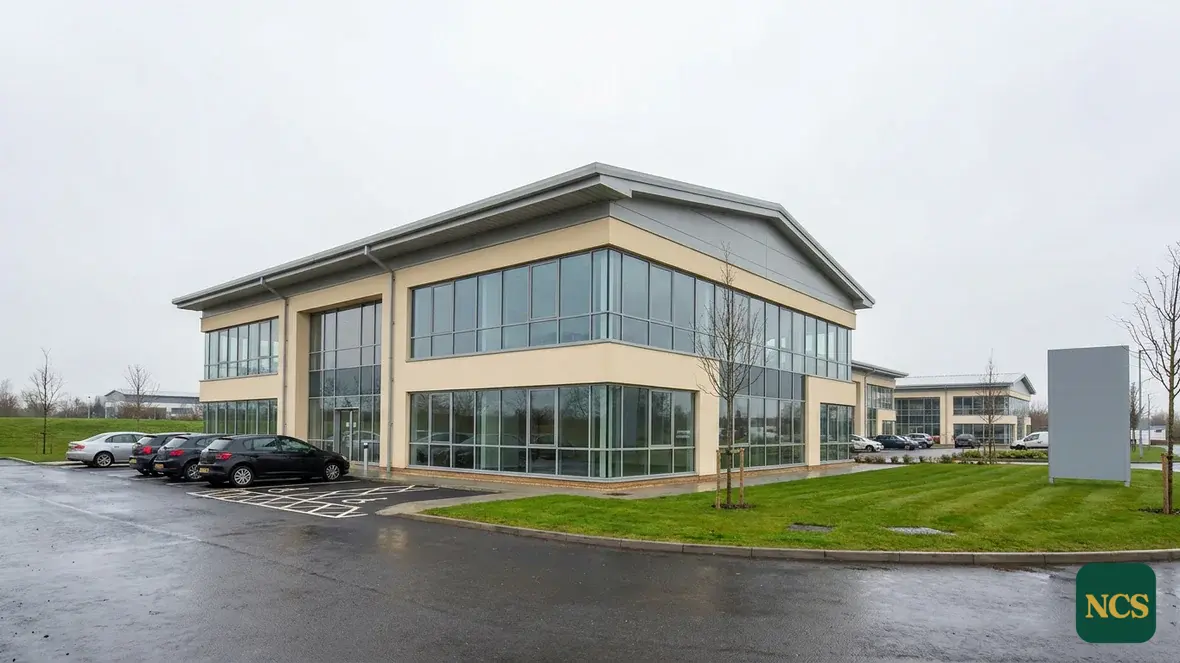
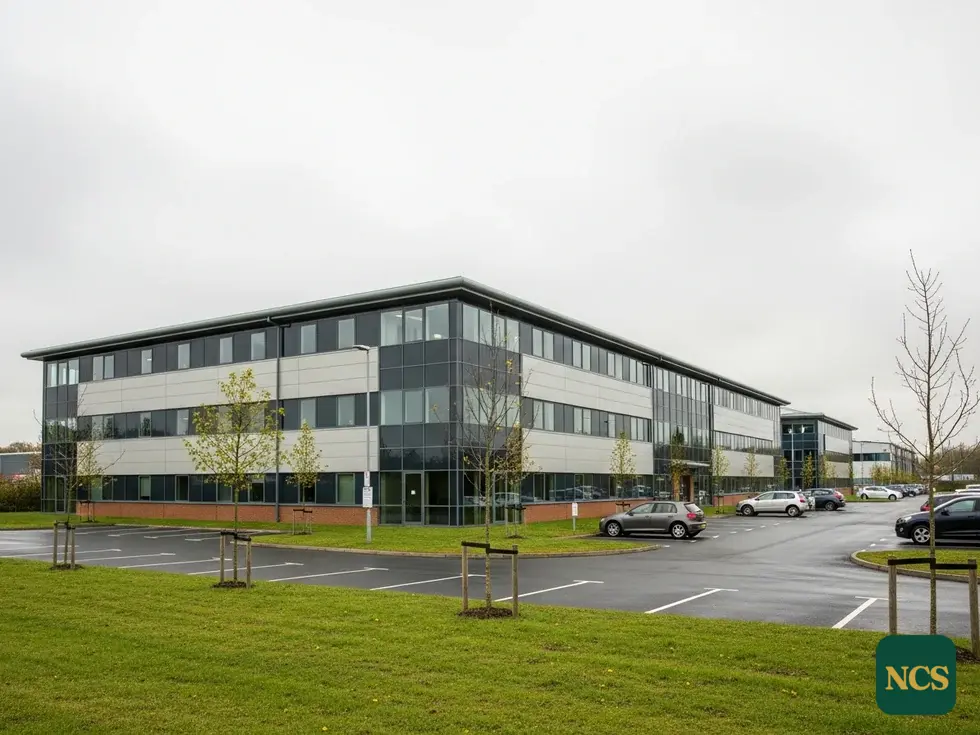
The commercial buildings around Truro are generally a blend of older stone and rendered frontages in the city centre, and modern rendered or masonry units on the business parks and industrial estates. The failure patterns we most commonly see on commercial walls in this part of the South West include:
- Painted render chalking, blistering or peeling on exposed elevations.
- Cracked render letting wind-driven rain track behind the surface.
- Persistent green algae growth on walls that never fully dry.
- Salt-related breakdown of finishes on exposed, weather-facing walls.
- Older stonework suffering under sealed, non-breathable coatings.
Every one of those has a different cause, and several of them are warnings against coating anything until something else is put right first. Algae in particular is a symptom before it is a nuisance: a wall that stays green is a wall that stays wet, and the useful question is why.
Keeping your Truro business moving with coating, not replacement
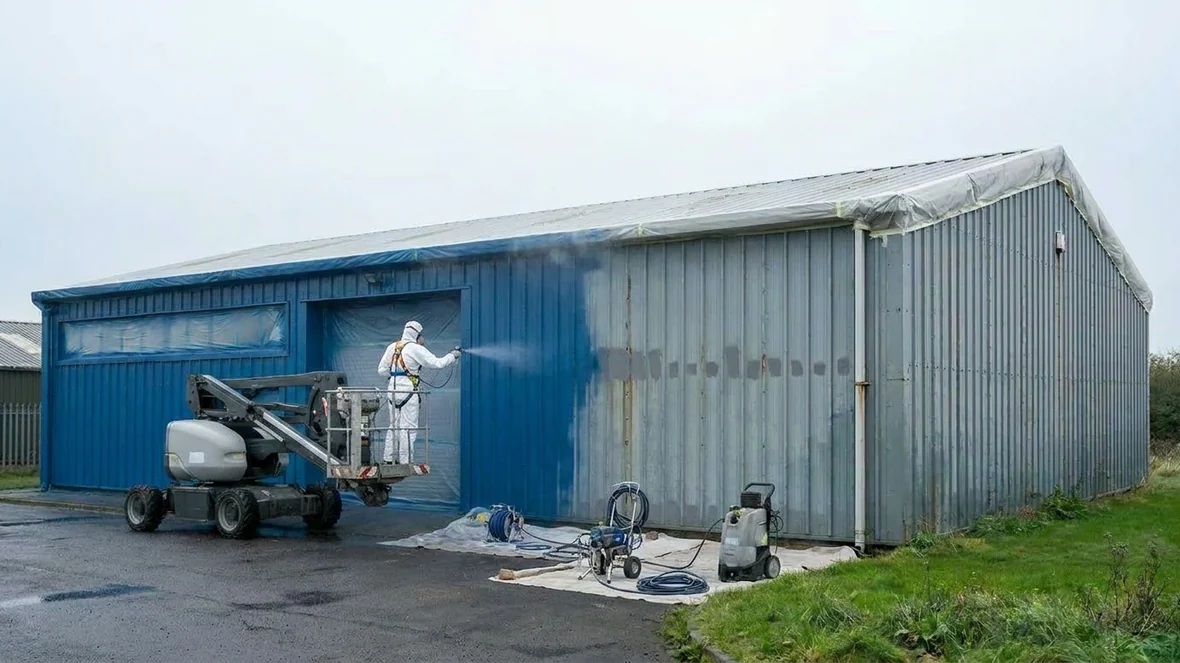
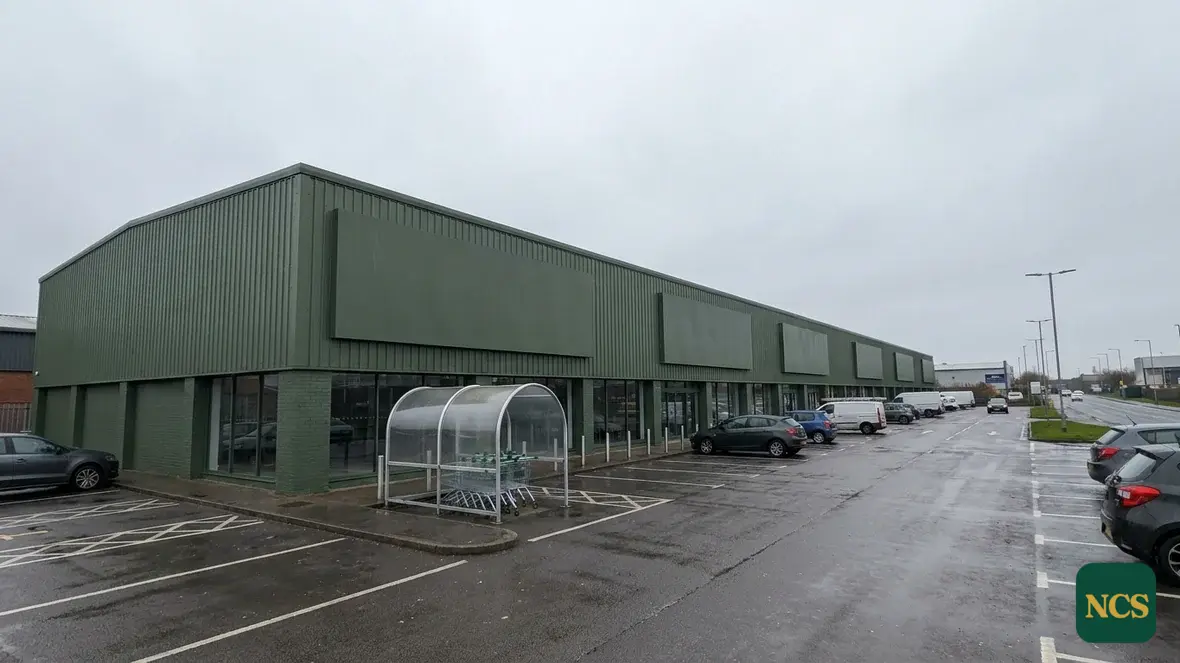
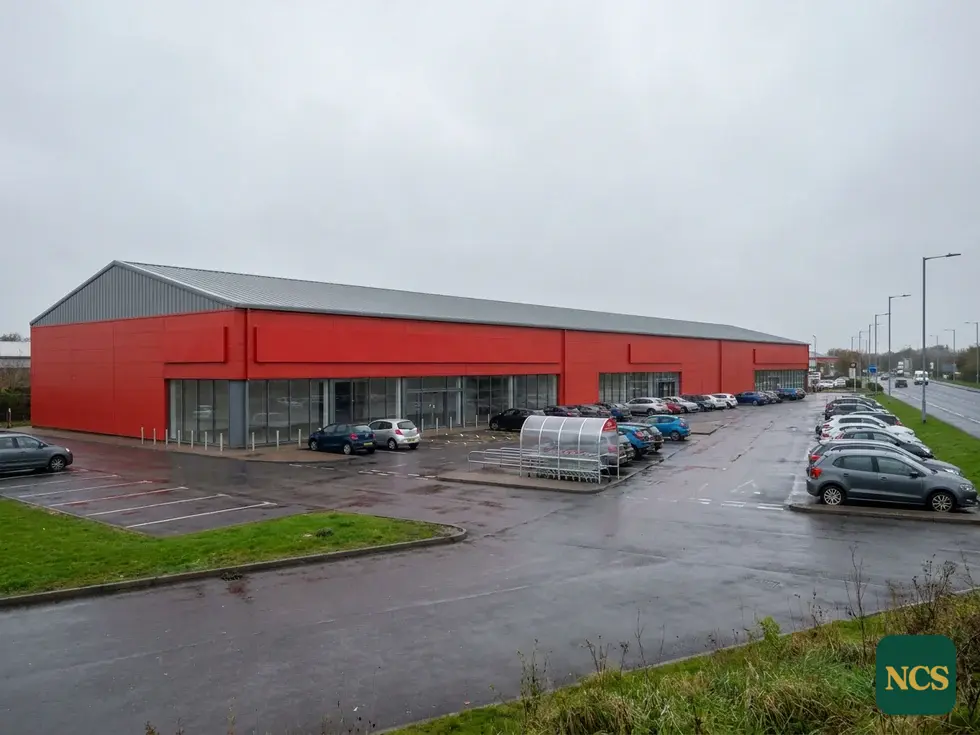
When profiled steel, fibre-cement or asbestos cement sheets are sound but look past their best, a complete re-sheet means shutting down, or at least major disruption. Our approach of coating existing surfaces avoids that. We can work around your operations, keeping your building open and productive. This is especially true for large agricultural buildings or industrial units near the A30 or A39, where the logistics of full replacement can be a nightmare. We treat cut-edge corrosion, encapsulate asbestos roofs and restore cladding, all while minimising the impact on your day-to-day.
The advantage of a detailed survey for coastal commercial walls
Coastal conditions punish guesswork. A survey-led contractor gives you a documented diagnosis, a specification with reasons