Coating farm buildings in the damp Cornish climate
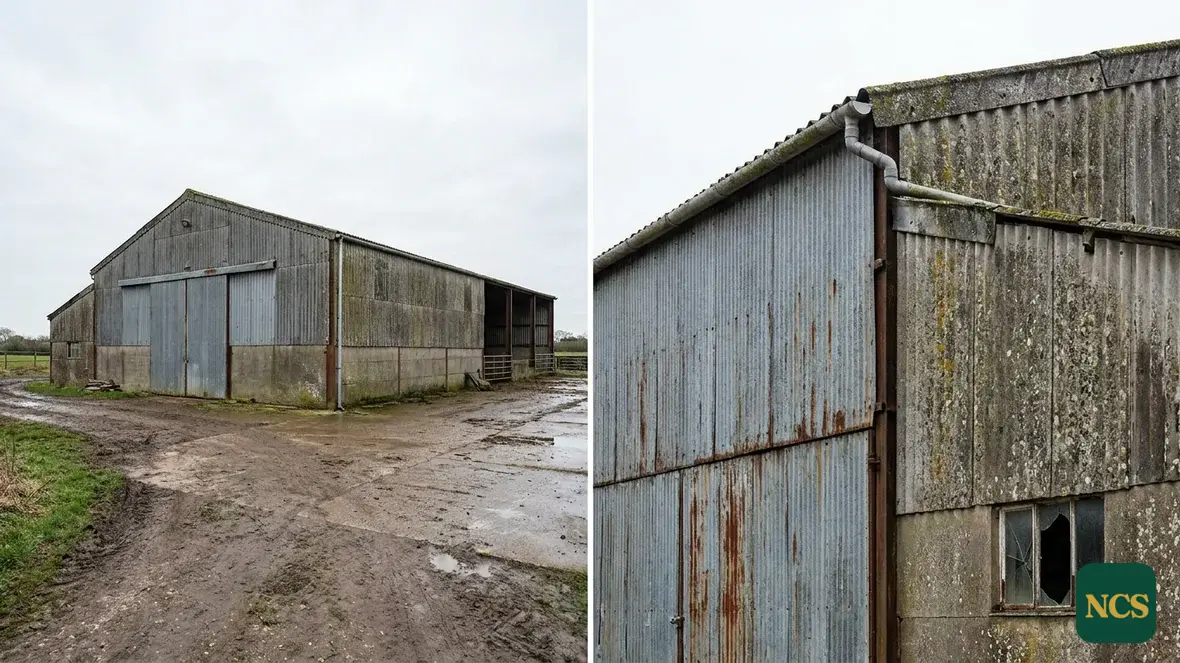
Around Truro, the farming is mostly dairy and livestock. The climate defines everything here: mild, wet, and exposed to wind-driven rain and salt air off the Atlantic. That combination is brutal on roofs. Moss and algae take hold on shaded slopes, the organic growth holds moisture against the sheet, and the constant damp keeps corrosion ticking along even in a mild winter. The building stock is the usual Cornish mix of stock housing, milking buildings, and general sheds, much of it profiled steel with patches of older fibre cement.
Our agricultural building coatings work near Truro is as much about managing moisture and growth as it is about the coating itself. That’s why we treat the cleaning and preparation stage as seriously as the application. A roof that looks merely dirty from the yard can be carrying a surprising weight of moss once you are up on it. That growth has often been holding damp against the same patch of sheet for years.
Preparation matters more in the wet
A coating is only as good as what it bonds to. In the Cornish damp, that surface is often hidden under moss, algae, and years of biological growth. Skipping the clean-down to save time is a false economy here, because the new system will simply lift. We strip the growth back, treat the surface, and only then assess whether the sheet is sound enough to coat. It is at that point, with the roof actually clean, that you find out what condition it is genuinely in rather than what it looked like under the green.
Timing matters too. The dairy calendar around Truro means the best window for working on housing roofs is when stock are out at grass. The application itself needs a genuinely dry, settled spell, which the maritime climate does not hand out freely. We plan around that scarcity rather than against it, surveying ahead so the work is ready to go when the weather finally cooperates.
Barn painting around Truro is survey-led like everything else we do: wash back, treat the rust, repair what needs it, then spray a system built for farmyard life.
An honest three-way sort
Every roof we survey falls into one of three outcomes. We are clear about which from the start, rather than coating everything by default. Getting that call right is the whole point of the survey. A coating put onto the wrong roof is money spent twice. The list below is what we are weighing up.
- Coat: a sound sheet, properly cleaned of moss and algae, that will hold a new system
- Repair: localised corrosion or failed laps that must be put right first
- Replace: a sheet too far gone for any coating to save
- Assess: older fibre cement needing a proper check before any work
When we say replace, not coat
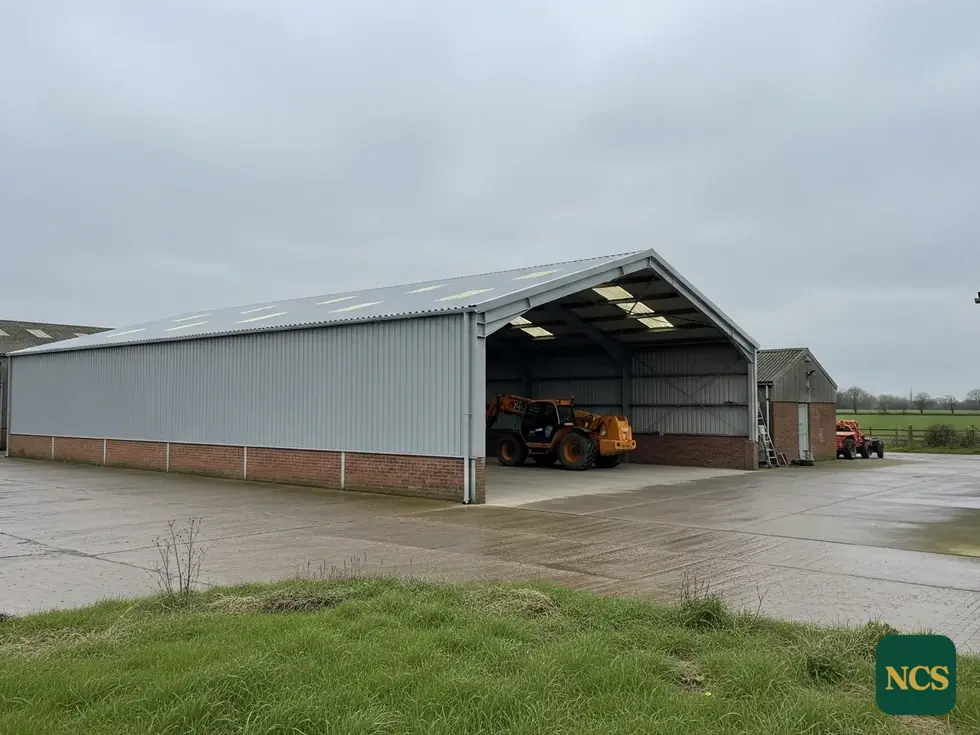
In a damp climate it is tempting to coat everything, but we won’t. If moss-held moisture has already corroded a steel sheet through, or a fibre cement roof has gone brittle and porous, a coating buys very little and we will say so. Repair or replacement is the honest route in those cases. We would rather give you that answer now than take a deposit for work that will not last. Older fibre cement also needs careful treatment because it may contain asbestos. Work on it is regulated and requires a proper assessment, and overcoating is never a default. We do not invent warranties, and we do not promise a coating will hold on a roof that is already failing.
Booking a survey near Truro
If your farm roofs around Truro are green with moss and starting to corrode, the first step is a survey rather than a quick price. We will see what the damp has done, judge honestly whether our agricultural building coatings are worthwhile, and plan the clean-down and application around your calendar and the weather. Until the moss is off and the sheet is properly exposed, nobody can say for sure what state it is in, so the survey is where the real answer comes from. Send the details through the quote form.
Recently — July 2026
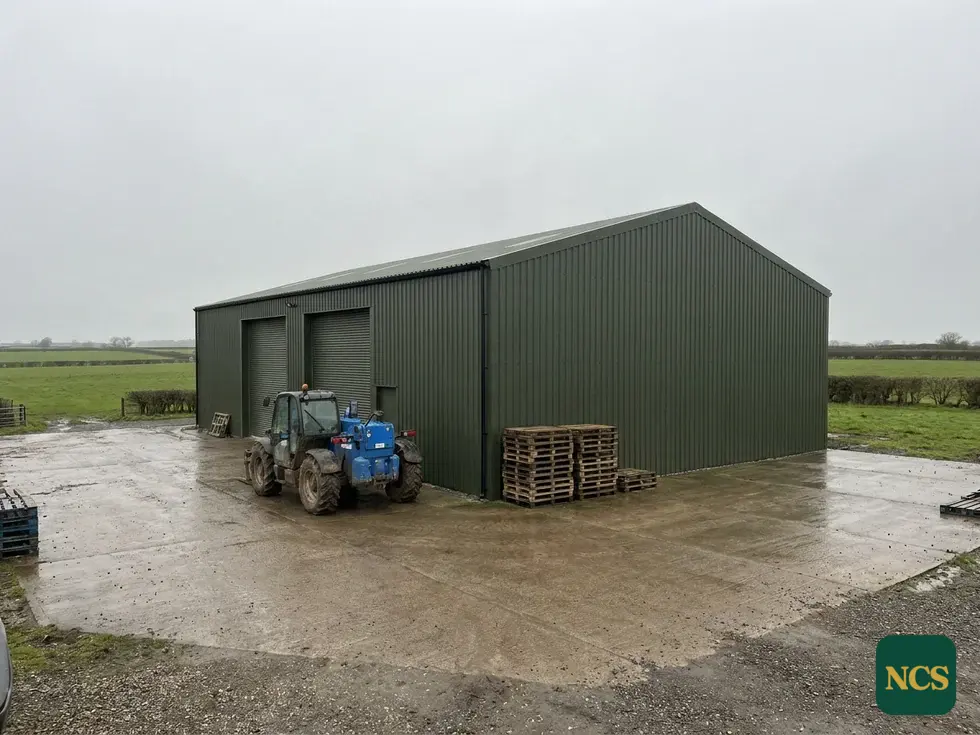
We plan the work around how your site runs, so the building stays in use while we are on the roof.
Settled summer weather suits coating and spraying work, with stable temperatures and dry surfaces helping systems cure and bond as specified.