Cladding spraying in Truro
Cornwall is unforgiving territory for coated metal. We see it all the time around Truro: buildings weather noticeably faster here than their inland equivalents, with salt in the air across the county. Cladding spraying in Truro deals with that reality on site. We clean, prepare, and repair the existing profiled steel or composite panels, then spray them with a system specified for the substrate’s condition and the severity of the exposure.
We won’t just specify that system over the phone. Every job starts with a survey and adhesion testing, because Cornish exposure punishes assumptions. The aim is a finish that stands up to the local conditions, not one that just looks right for its first summer.
The buildings this usually involves locally
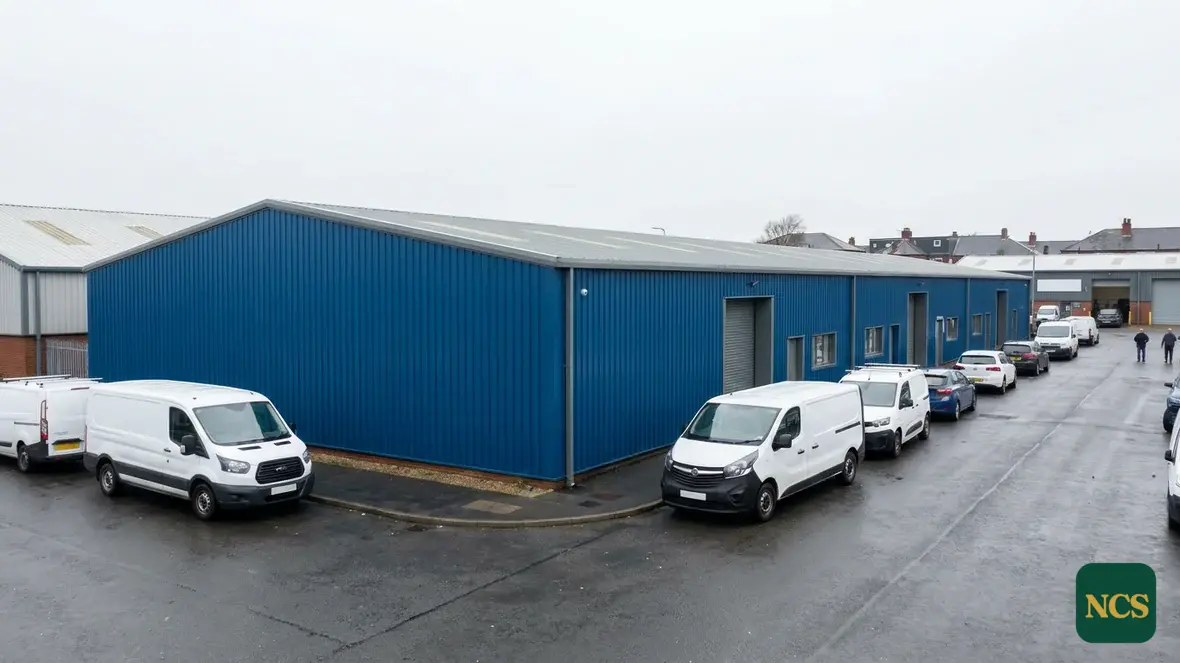
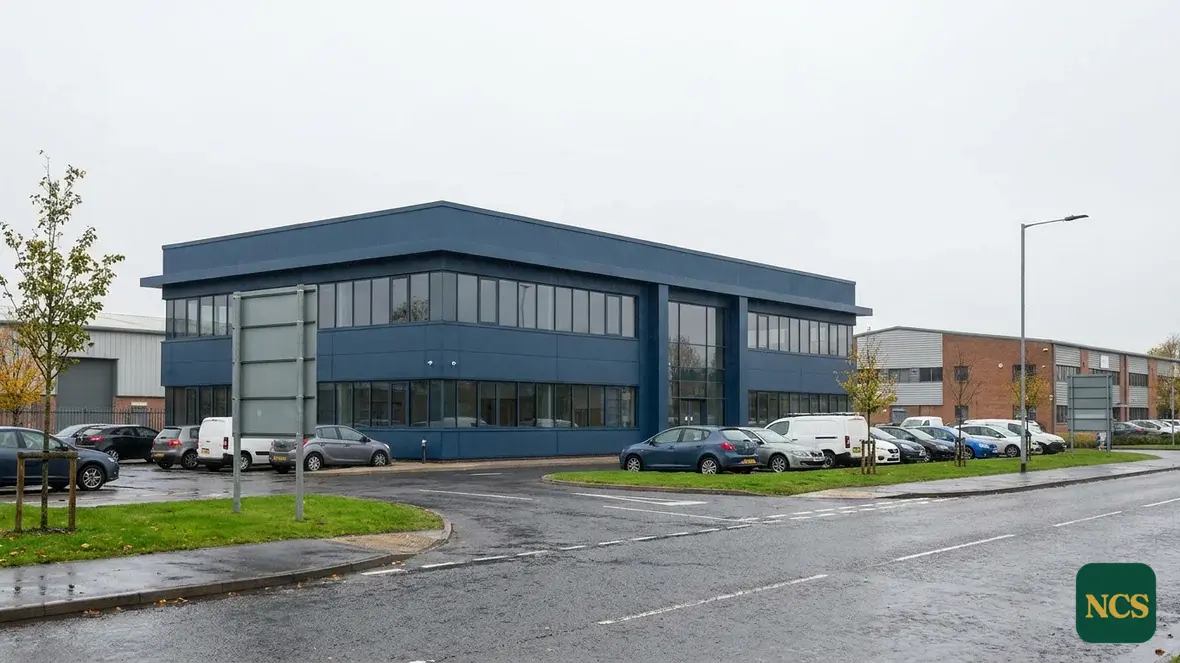
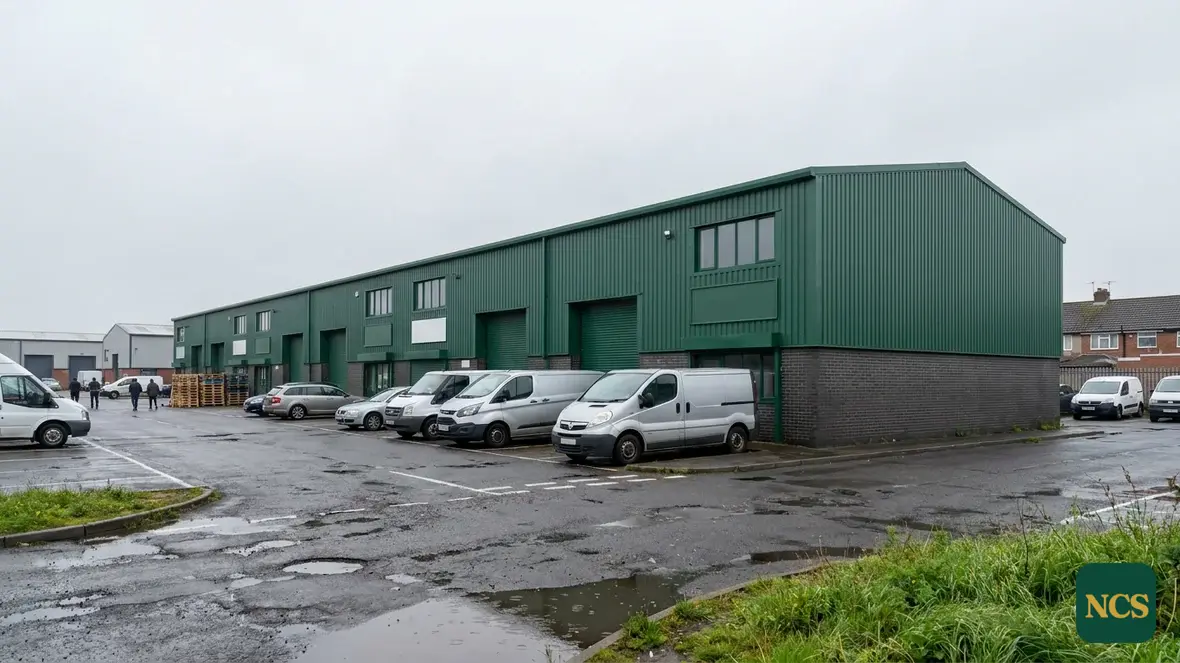
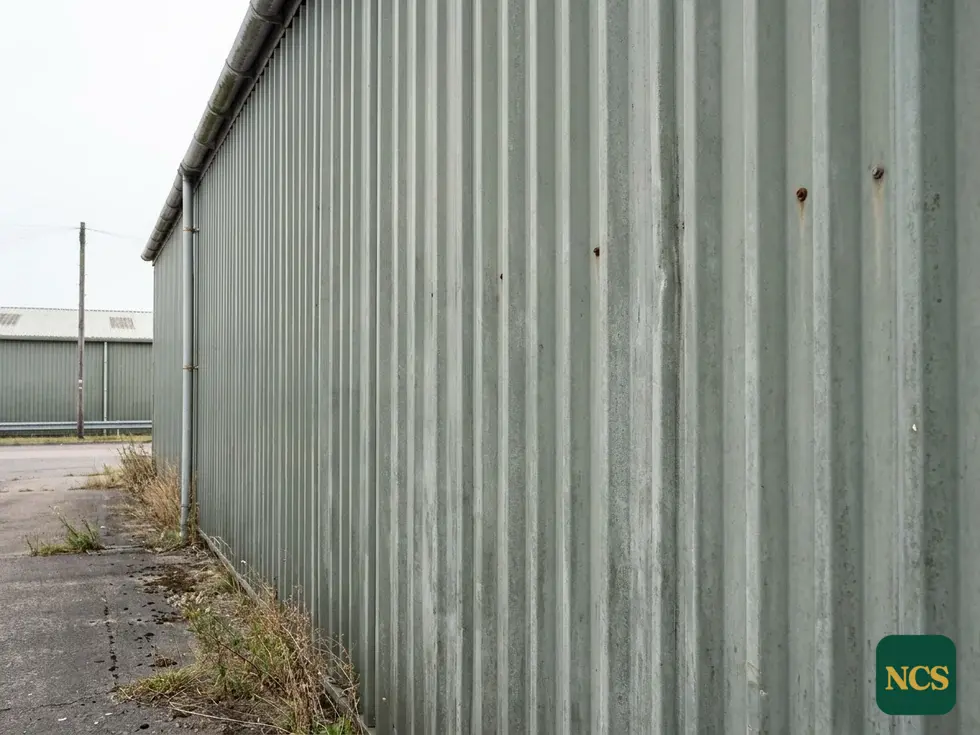
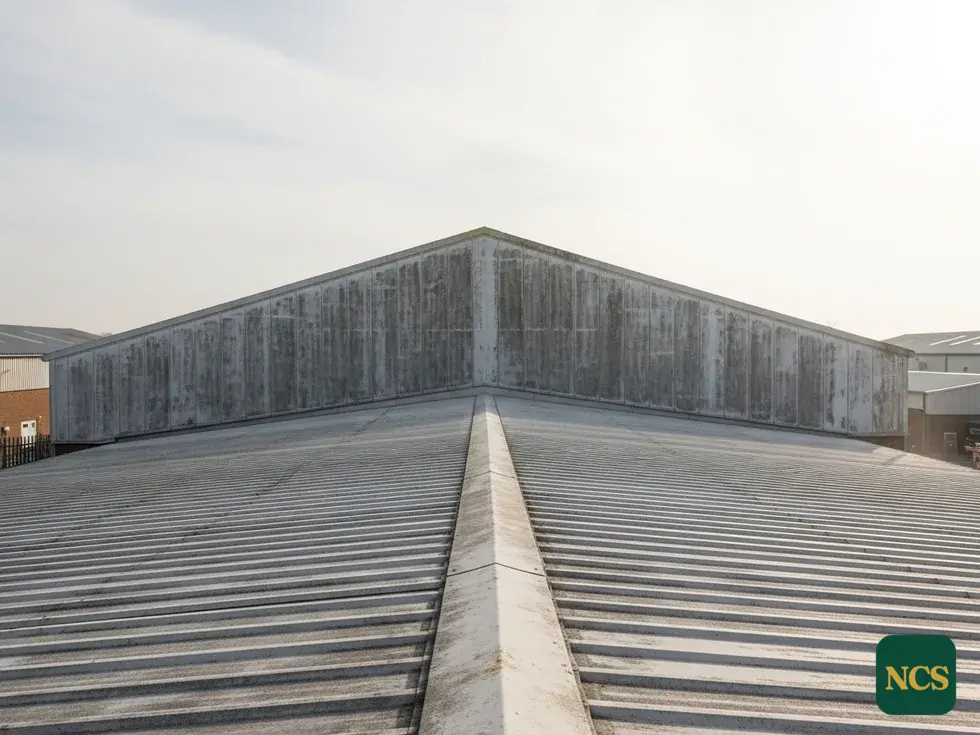
We work on a real mix of stock around the city: trade and retail units on the business parks, industrial and workshop buildings, depots, agricultural sheds, and leisure and visitor-facing premises with metal fascias and trims. The defects follow the climate. Plastisol chalks and fades quickly on exposed elevations, algae and staining build on the sheltered ones, and cut-edge corrosion appears early at sheet ends, laps, and around openings. Caught in time, all of it is treatable. Left for years, the sheet ends themselves start to go.
Mixed construction is common across Cornwall. Where coated cladding sits alongside render or blockwork, we can usually bring the elevations into a single coherent scheme. Roofs, gutters, and flashings can join the specification where their condition justifies the work, making better use of the access while it’s in place.
Enquiries from Truro arrive as cladding painting, respraying or refurbishment, and they all point at the same faded elevation.
The survey-led sequence
First, the survey. We carry out adhesion tests on the existing coating, map corrosion with close attention to edges and fixings, check gutters, flashings, and sealants, and make an honest note of anything that needs repair before coating. Then comes the written specification, covering preparation, treatment, repairs, the coating system, and the colours. Only then do we give you the price and the programme. Coastal jobs are also planned around the weather window, because application conditions, temperature, moisture, and wind decide as much of the outcome as the products do.
- We do an on-site survey and adhesion testing before any quotation.
- We select an exposure-appropriate system, not a one-size default.
- Cut-edge corrosion gets treated and primed before topcoats.
- We mask and protect glazing, signage, and neighbouring areas.
- We carry out a handover inspection against the written specification.
We apply the same process across the rest of the county, with buildings in Falmouth, Redruth, Newquay, and St Austell surveyed and delivered on identical terms.
When we say no
Some buildings have simply gone too far. Coating them would be taking your money for a finish with no future. Sheets perforated by rust, composite panels delaminating, edge corrosion that has consumed the metal, or failed fixings all need repair or replacement first. And where a building requires insulation or fire-performance work that only recladding achieves, a respray is the wrong project entirely. If the survey reaches any of those conclusions, you’ll get them in writing rather than a quote. Partial answers are common here too: replace the worst sheets or sheet ends, treat what remains, then coat the building as a whole. The survey is what separates that judgement from guesswork.
Why survey-led suits this coastline
The gap between a coating that lasts and one that peels is almost always about preparation. The right preparation can only be scoped by someone standing in front of the building. A survey-led contractor fixes that scope before the price, matches the system to the exposure rather than to habit, and leaves you with a written specification to judge the work against. For clad buildings in Truro and across Cornwall, that approach respects both the building and the climate it lives in. It’s the way we would want our own buildings treated, and it’s the only way we work.