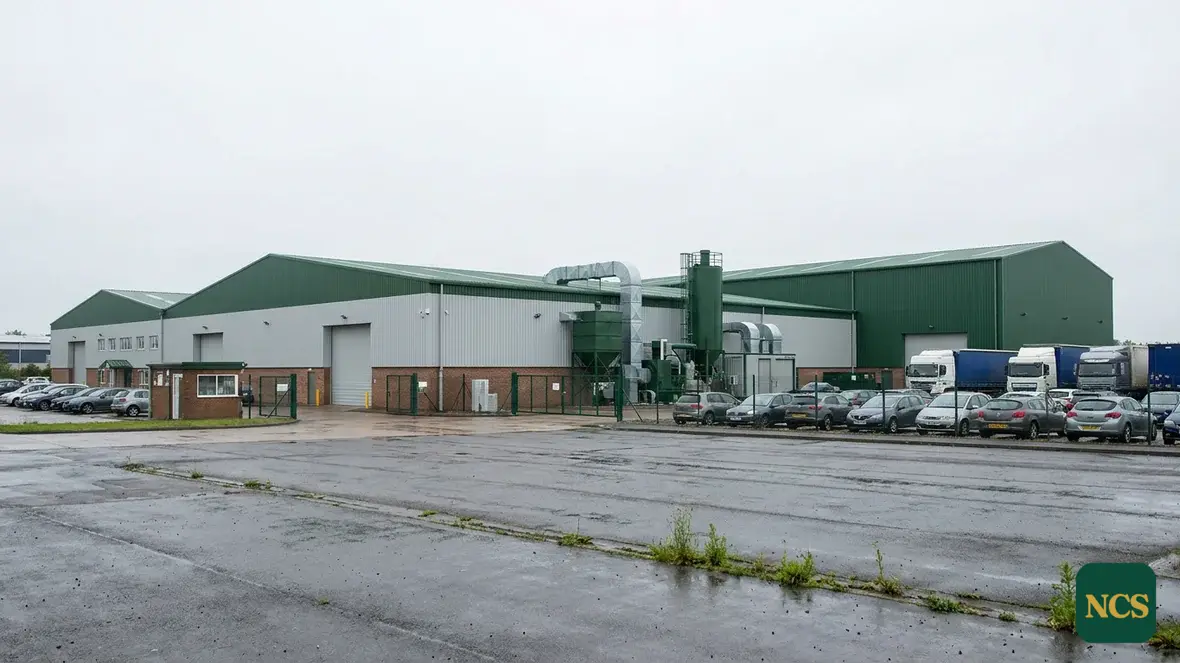
We see a lot of failing roofs in Cornwall. Often, it’s those tell-tale lines of brown rust along the roof sheet ends, or signs of water ingress near the eaves. That’s cut edge corrosion, and it’s a major problem for many commercial, industrial and agricultural buildings around Truro. We don’t just treat the rust we see; we survey for all the small defects that can grow into big ones, from failing fixings to early coating breakdown, giving you an honest opinion on what needs doing now and what can wait. We’re here to help building owners in and around Truro keep their roofs sound, whether that’s with a small, focused repair or a complete roof coating.
From cut edge treatment to total roof protection
If the sheets are sound, treating cut edge corrosion often makes the most sense as part of a full roof coating. We’ll treat the edges and laps for corrosion, then clean and recoat the entire roof. This seals up all the fixings and refreshes the weathered surface, all in one go. For an ageing metal roof this close to the Cornish coast, that’s usually the difference between repeating spot repairs every few years and resetting the whole roof in one visit.
If you’ve spotted rust lines on a metal roof in or around Truro, ask us to take a look. The survey is straightforward, the report is in plain English, and our advice is always solid, whether you use us for the work or not.
Rust on sheet edges means more than just a surface mark
Cut edge corrosion is exactly what it sounds like: rust eating into the ends of profiled steel roof sheets. It starts because the cutting process, whether at the factory or on site, exposes bare metal. The original coating system never protected those cut edges. Around Truro, you’ll see it most often along the eaves, above the gutters, and at the overlaps between sheets. That’s where rainwater sits longest, just waiting to get in.
It usually starts as a thin brown line. Ignore it, and that rust will creep under the factory finish, lifting and peeling it back as it goes. What began as a little tidemark at the gutter edge soon becomes a band of flaking steel. Eventually, the sheet end loses its thickness, and then it can’t hold a fixing or shed water properly anymore. That’s why planned maintenance and catching issues early is so important.
Painting over rusted edges is the repair that fails first. Around Truro we treat the steel, seal the laps and then coat, in that order.
Act early and the repair costs stay manageable
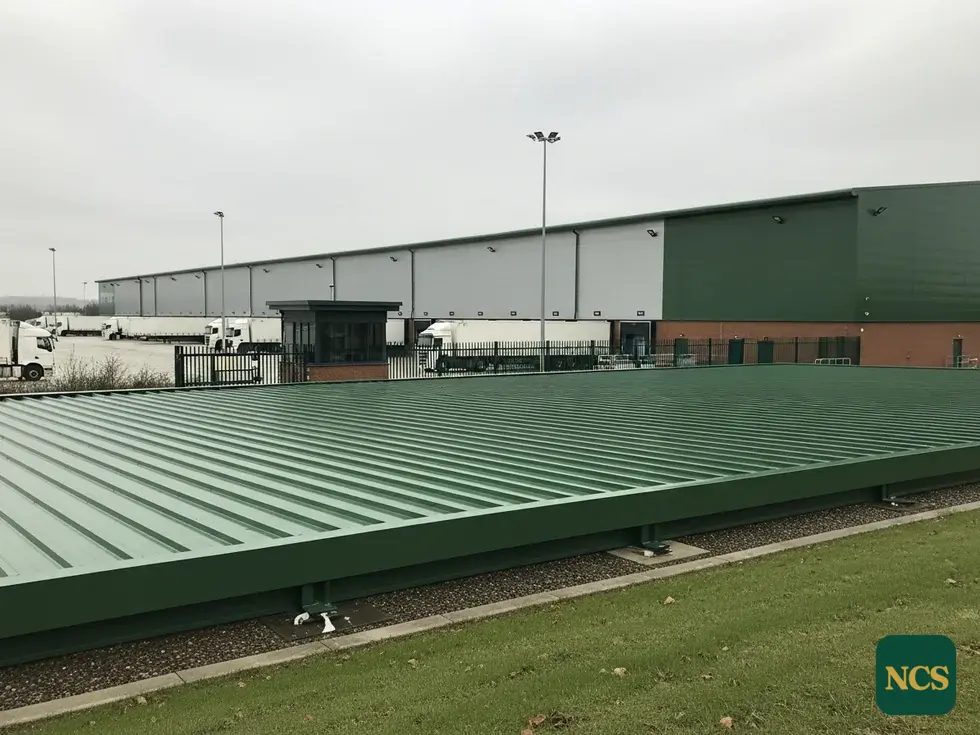
Catch cut edge corrosion early, and it’s a localised repair. We’ll prepare the affected edges back to sound metal, treat them with a rust-inhibiting system, and then seal everything with a flexible, corrosion-resistant coating. If needed, we’ll bridge the lap joints. The rest of the roof stays untouched, and you can keep using the building throughout the work.
Wait too long, and it’s a completely different job. Once rust has worked deep into the laps or perforated the sheet ends, you’re looking at replacing sheets, the access costs for strip-and-refit, and probably internal repairs from water that’s already found a way in. The sooner those edges are stabilised, the smaller the bill. That’s why an inspection at the first sign of staining is usually money well spent. You can often spot the signs from the ground:
- Brown staining or streaks along the gutter line
- Coating peeling or blistering at sheet ends
- Visible rust at side and end laps
- Damp patches or drips inside near the eaves
- Debris-filled gutters holding water against the sheets
Why coastal conditions in Truro accelerate roof decay
Truro is never far from the sea, and that salt air travels. Salt holds moisture against metal, so a cut edge that might dry quickly inland stays damp here for days. Throw in those wind-driven winter rains and the mild, humid weather Cornwall is famous for, and the corrosion cycle rarely gets a break.
The local buildings don’t help either. A lot of the steel-framed units on the trading estates around the city, and the farm sheds further out, were roofed in plastisol-coated steel decades ago. Those coatings have largely done their job, but the cut edges were always the weakest point. On roofs of that age, many are now actively corroding, and you can see it plain as day. Proactive maintenance is a must.
When cut edge corrosion treatment isn’t the answer
We always survey before we quote, and sometimes that survey tells us a coating won’t cut it. If the sheets are perforated, if the corrosion has eaten through both layers of a lap, or if the underside of the roof is rusting from condensation as fast as the topside is from rain, a coating will just hide a failing roof. In those cases, we’ll tell you honestly that sheet replacement or an over-roof is the right call, and we’ll show you the photos to prove why. We’d rather lose a coating job than treat a roof that can’t be saved.