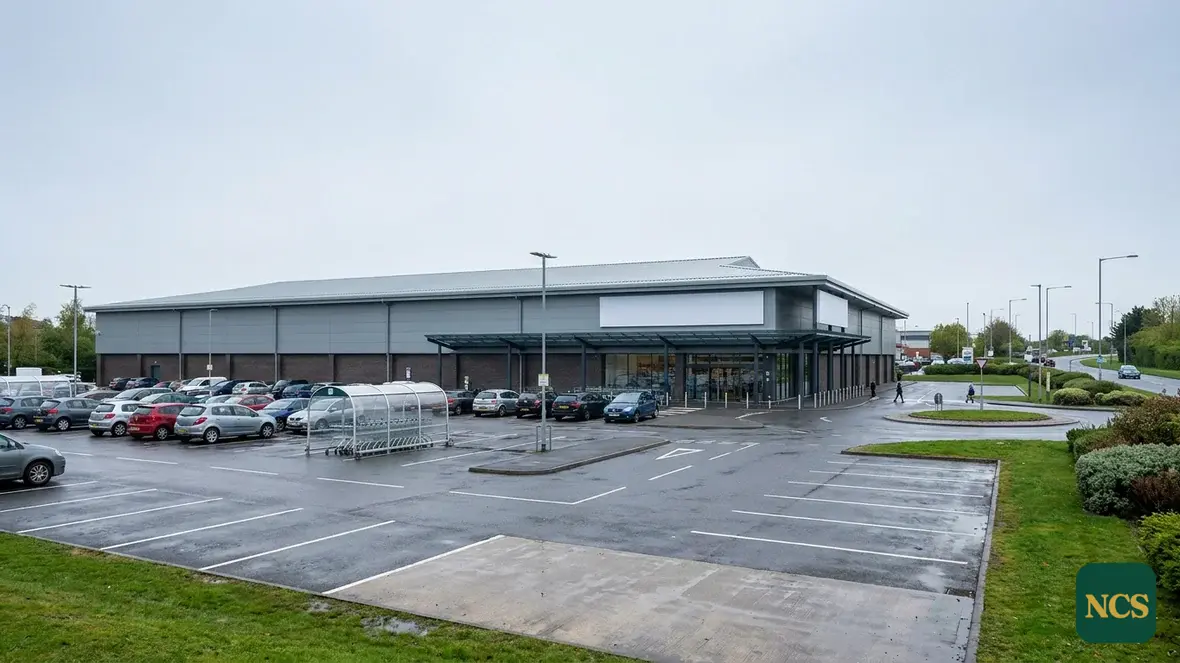
Commercial roof coating in Truro
Cornwall asks more of a roof than almost anywhere in England. Around Truro, commercial buildings face wind-driven rain for much of the year and salt in the air from two coasts, neither of them far away. Commercial roof coating in Truro is one of the more cost-effective responses to that climate. A properly specified system renews the weatherproof surface of a sound roof. It slows the corrosion and porosity that Cornish weather accelerates. What it cannot do is rescue a roof that has already failed structurally. That is why a survey, not a sales call, is the first step on every job we take on in Cornwall.
The commercial roofs we see around Truro
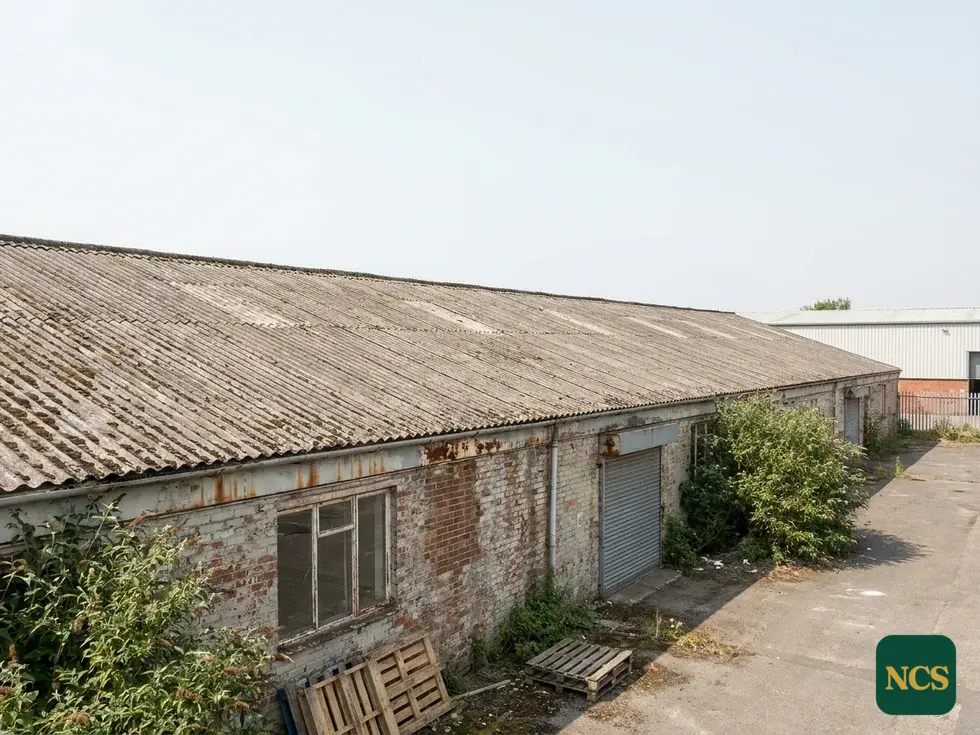
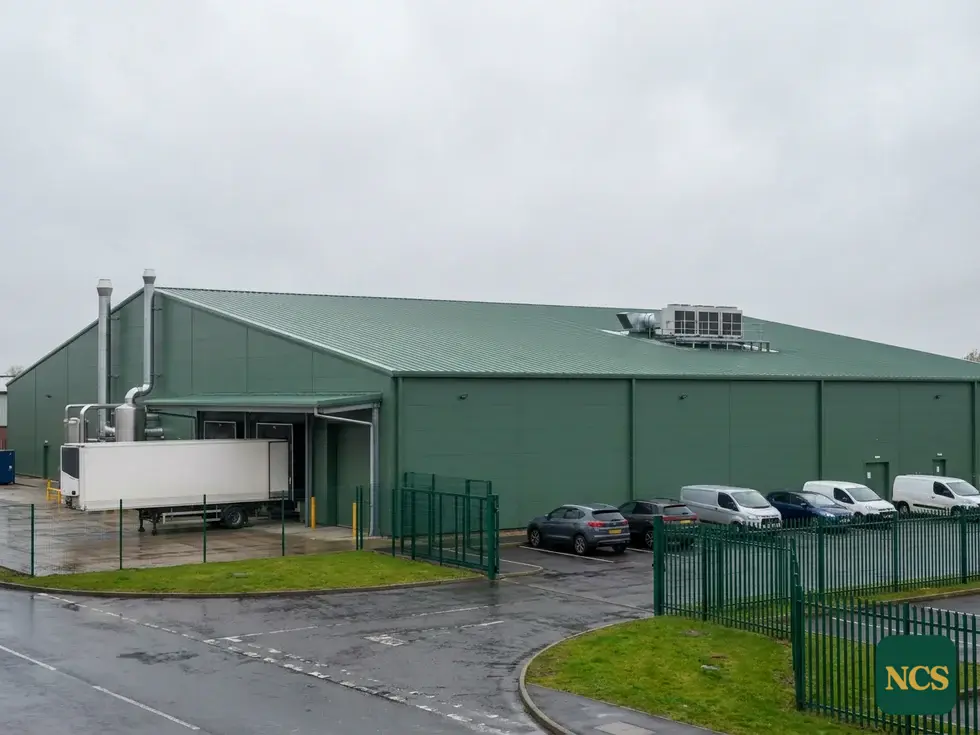
The working buildings here are mostly found on the trading and industrial estates around the city’s edges. Agricultural buildings, storage sheds and visitor-economy premises spread through the surrounding countryside. Profiled metal and fibre cement dominate, with some felt flat roofing on offices and retail premises. The local failure pattern is what you would expect from the climate: cut-edge corrosion arriving early on metal sheets, fibre cement going porous and shedding its surface, lap seals worked loose by wind, and gutters overwhelmed in heavy weather. Most of it is treatable, provided it is caught while the substrate underneath is still sound.
For building owners in Truro weighing up roof painting against replacement, the survey settles it honestly, and we say so when coating is the wrong answer.
How a survey-led coating job runs this far south-west
The inspection establishes what is actually happening up there: corrosion depth, sheet integrity, the condition of laps, fixings, flashings, rooflights and gutters, and whether water has already found a way inside. You get a written verdict and, if coating is the right answer, a specification that covers preparation and repairs as well as the coating system itself. The building stays in use while the work happens. Truro makes a natural base for the wider county, and Falmouth, Redruth, Newquay and St Austell all fall within the area we cover as standard. Distance never changes the process. The survey is the same whether the building sits five minutes from the cathedral or out towards the coast.
- On-roof survey before any price or product talk
- Repairs and preparation specified for Cornish exposure
- Systems matched to metal, fibre cement and felt substrates
- Gutters and detailing assessed in the same visit
- Honest advice when coating is not the answer
When the honest answer is “do not coat”
Some roofs in this county are past the point where coating helps. Pretending otherwise would cost you twice: once for the coating and again for the replacement it failed to prevent. Metal sheets perforated by corrosion need replacing first or instead. Fibre cement that has gone brittle with age can be unsafe to prepare and too weak to hold a system. A flat roof with saturated insulation underneath should never be sealed over. And where leaks trace back to structural movement or failed falls, surface treatment is simply the wrong tool. If the survey finds any of this, the report will say so and set out the route we would take if it were our own building.
Why insist on survey-led in this climate
In a mild climate, a badly specified coating limps along for a while before anyone notices. In Cornwall, the weather finds it out within a season or two. That is why the survey matters more here, not less. The specification has to match the real condition of the roof and the real exposure of the site, and both of those can only be established by inspection. A survey-led contractor gives you that evidence, a written recommendation, and a price built on facts rather than hope. For commercial buildings in and around Truro, we would suggest accepting nothing looser than that.