[email protected]Free no-obligation site survey · Commercial, industrial & agricultural · Nationwide coverage across the UK
Skip to content
National Coating Specialists Commercial & Industrial Coatings

Survey-led coating in Cornwall

Asbestos Roof Encapsulation Truro

Survey-led Asbestos roof encapsulation for commercial, industrial, agricultural and managed buildings in Truro and across Cornwall.

Truro & CornwallCoat, repair or replace — honest adviceFree written condition report
A real surveyor on your roof, not a call centreCoat, repair or replace: honest adviceManufacturer coating systemsFree written condition report

Truro at a glance

Asbestos roof encapsulation in Truro

ServiceAsbestos Roof Encapsulation
CoverageTruro, Cornwall
ApproachSurvey first, then specify
SurveyFree & no-obligation

Truro and the working buildings spread across this part of Cornwall sit in some of the most exposed weather in England, and that matters for the corrugated asbestos cement roofs still common on local stock. On trade units, storage buildings, garage blocks and rural sheds, fibre-cement sheet was the standard covering for decades, and salt-laden Atlantic air weathers it fast. If you own or manage one of these buildings, the duty to look after that roof is yours, and you eventually have to choose between removing it and sealing it in place.

Why a survey comes first in Cornwall

We are a survey-led contractor, and in an exposed coastal county that is not a slogan. The same age of roof can be in very different condition in Truro than it would be inland, so the only honest way to advise you is to get on the roof and look. Before anyone talks numbers, we inspect sheet condition, fixings, sheet laps, rooflights, gutters, any internal signs of leaks, and the state of the structure carrying it all. You then receive written findings and a clear recommendation based on what we actually found.

What the law asks of you

Regulation 4 of the Control of Asbestos Regulations 2012 places a duty to manage asbestos on whoever controls a non-domestic building. You must identify the asbestos-containing materials, assess their condition, record them, and manage the risk. On buildings dating from the late 1950s to the early 1980s, the roof is often the largest asbestos element on the whole site. The duty, though, is about keeping the material safe, not about ripping it out. Where the sheets are sound, a properly applied encapsulation system is a recognised way of meeting that obligation, at far less cost than removal and replacement, and with the building staying in use.

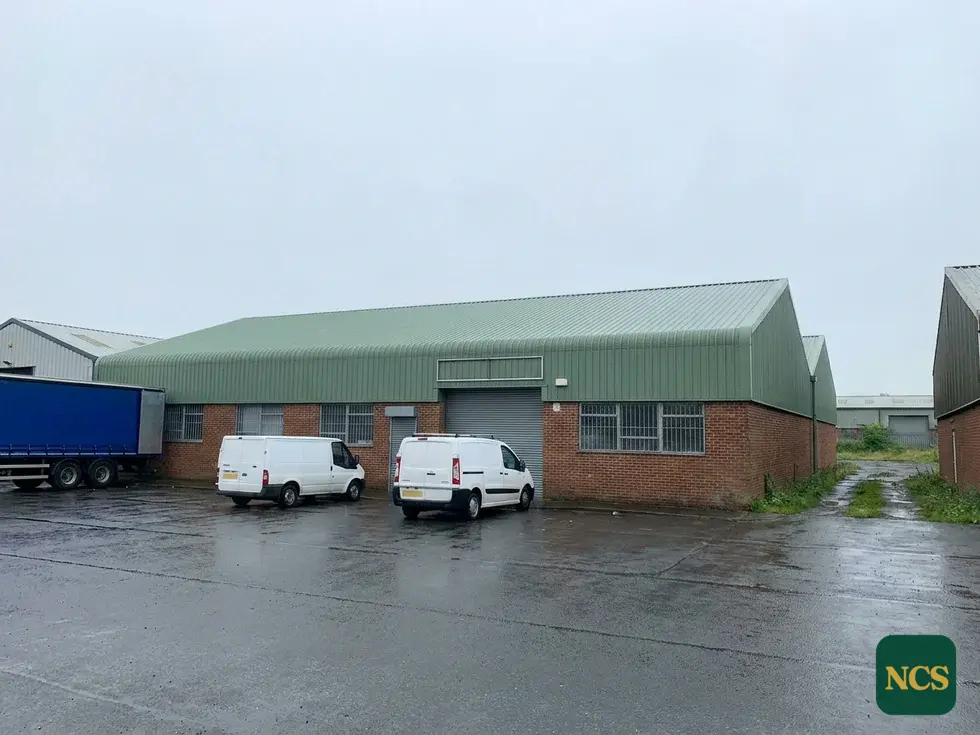
Asbestos Roof Encapsulation Truro on a Truro building
Asbestos Roof Encapsulation on a building of this type — condition is assessed on site before any specification.
Why we survey first: no two roofs in Truro are the same. A real surveyor inspects the building, the surface and the access, then recommends only what it needs — no guesswork, and no generic price.

How encapsulation works

Asbestos cement releases fibres as the surface erodes, cracks and weathers, and exposure speeds the process up. Encapsulation locks the surface down. The roof is cleaned using controlled wet methods rather than dry abrasion, worn fixings and flashings are repaired, minor defects are made good, and the whole surface is sealed with a flexible coating made for asbestos cement substrates. The roof becomes watertight, the fibres stay bound into the sheet, and no asbestos waste leaves the site. Encapsulation typically suits a roof where:

  • The sheets are weathered but free of widespread cracking or holes
  • The cement matrix is still firm, not soft or delaminating
  • Fixings, laps and flashings are intact or repairable
  • The structure beneath is sound and the building has a working future

When we will advise against it

An honest survey sometimes ends with the answer you did not want. A coating flexes with the sheet it sits on, so if that sheet is already breaking up, no coating will hold it together and the spend is wasted. Where we find brittle, delaminating or badly cracked sheets, structural leaks that keep returning, or a frame that can no longer carry the load safely, we will recommend removal and replacement and put it in writing. We are equally firm on material type. Higher-risk asbestos products such as insulation board or sprayed coatings are a separate category of work that normally requires an HSE-licensed removal contractor. Encapsulation is for sound asbestos cement, nothing else.
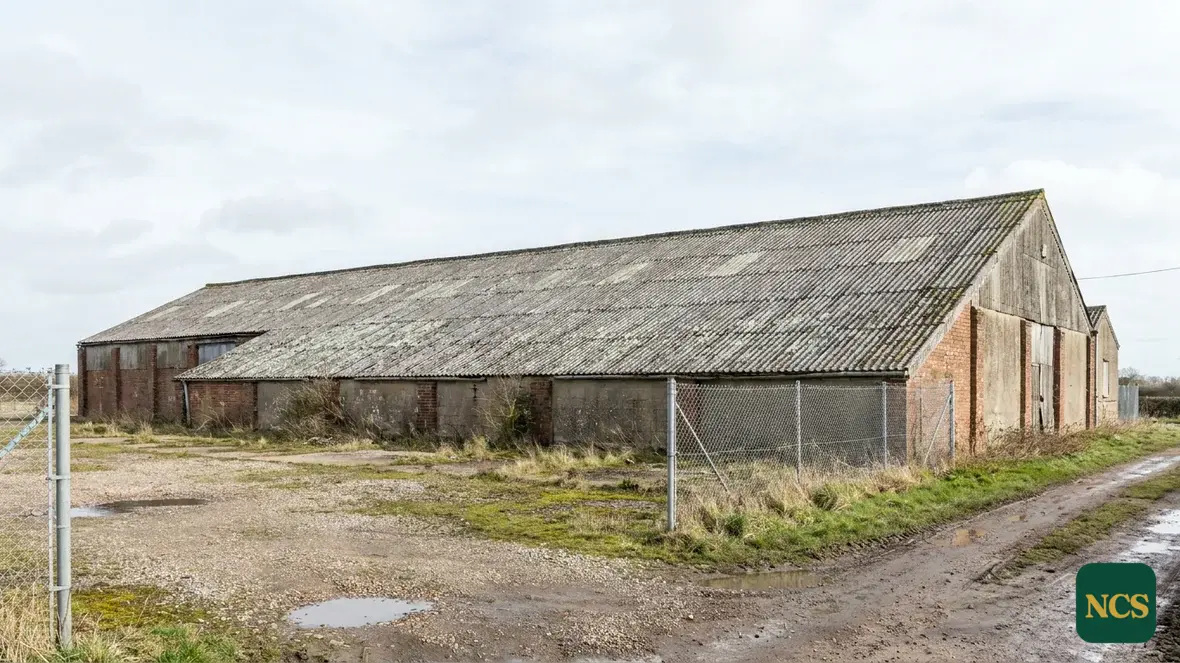
Asbestos roof encapsulation survey near Truro
A real surveyor inspects the substrate, access and exposure across Truro and Cornwall.

What encapsulation changes

One point worth being clear about: encapsulation does not end your duty to manage. The asbestos remains in place, stays on your register, and should be re-inspected periodically. What changes is its condition, moving from a slowly deteriorating liability to a sealed, maintained roof you are properly controlling. If you are responsible for a building in or around Truro, the sensible first step is a proper condition survey, because it gives you the evidence to decide between coating, repair and removal rather than guessing at it.

Coat, repair or replace

Your options for Asbestos roof encapsulation in Truro

Every building is different. These are the routes we weigh up on survey — the right one depends on the condition of your roof, not a price list.

RouteWhat it involvesBest suited toDisruptionLongevity
Encapsulate (coat)Seal and over-coat the existing asbestos-cement sheets in situ so fibres stay bound and the roof is weatherproofed.Sound sheets with no major fractures, where removal is disruptive or costly.Low — building usually stays in use.Adds many years of protected service life when specified correctly.
OvercladFix a new metal roof over the existing one on a sub-frame, leaving the asbestos captured beneath.Roofs needing thermal upgrade or where sheet profile allows over-roofing.Medium — some internal works and fixings.Long — effectively a new outer roof.
Remove & replaceLicensed removal of the asbestos sheets and installation of a new roof.Sheets that are broken, delaminating or beyond safe coating.High — licensed works, waste handling, downtime.Longest, but the most invasive and the heaviest spend.

Indicative guidance only. The survey confirms which route suits your building.

Buildings we coat in Truro

The kinds of Truro buildings this suits

Commercial & retail unitsOffices, trade counters and retail premises where exterior presentation and weatherproofing matter to the business.
Industrial & warehouse roofsLarge metal and profiled roofs across Cornwall where coating extends life without the downtime of replacement.
Agricultural buildingsWorking farm sheds and barns — including asbestos-cement roofs — kept safely managed and weathertight.
Managed & let estatesLandlords and facilities teams maintaining portfolios, where a survey-led report supports planned maintenance.

How it works

Our survey-led process

1SurveySubstrate, access, exposure, corrosion and repairs are inspected first.
2ReportA written condition report on what the building actually needs.
3SpecifyCoat, repair and replace options separated clearly.
4PlanWorks shaped around safety, weather windows and site continuity.
5ProtectThe right system applied to extend life and restore the finish.

Accredited, insured & manufacturer-approved

Chas accreditationSafecontractor accreditationPublic Liability accreditationFully Accredited accreditation

Where we work

Sectors and buildings we coat

Survey-led coating, spraying and exterior refurbishment across commercial, industrial and agricultural property in England.

Industrial & warehouse roofsCommercial claddingFactories & production unitsAgricultural buildingsRetail & business unitsManaged estates & facilitiesRender & masonryMetal cladding & cut-edge corrosion

Why specify with us

A straight, survey-led service

Free site surveyA proper condition survey and a written report before any price.
Coat, repair or replaceHonest advice for the building, even when coating is not the right answer.
Manufacturer-approved systemsCoatings specified to the substrate and exposure, not a generic paint job.
Across the UKCommercial, industrial and agricultural buildings, across the UK.

Truro questions

Asbestos Roof Encapsulation Truro FAQs

Do I have a legal duty to manage asbestos on my Truro building?

If you own, manage or are responsible for a non-domestic building, the Control of Asbestos Regulations 2012 place a duty to manage asbestos-containing materials on you. That means knowing where it is, recording its condition and keeping it in a safe state. Encapsulation is one of the recognised ways to keep an asbestos-cement roof safely managed in place — but it starts with a survey and your asbestos register, not with a coating.

Is encapsulation safer than removal?

Where the sheets are sound, encapsulation seals the fibres in place and avoids the disturbance, downtime and waste handling that removal involves. Where sheets are broken or delaminating, removal by a licensed contractor is the right call. The survey decides which — we will tell you honestly if your roof is not a candidate for coating.

How much does asbestos roof encapsulation cost in Truro?

There is no honest fixed price for this work, because no two roofs are the same. Cost is driven by the building — its size, height and access, the condition of the surface, the amount of repair needed and the system specified. That is exactly why we survey first: a real surveyor inspects the building, sets out the options and gives you a clear written figure for your roof, not a generic rate. The survey is free and there is no obligation.

Do you cover Truro and the surrounding area?

Yes. We carry out asbestos roof encapsulation across Truro and nearby — including Falmouth, Redruth, Newquay and St Austell. Send the building details and a photo and we will arrange a survey.

Book a free survey in Truro

A real surveyor inspects the building, photographs the condition and sets out the options before any price. Send the details and we will come back with a clear, practical route forward.

Book your free site survey

What does your building need?

Pick the surface, then the problem. We will point you to the right service.