Rust at the edges, not the middle
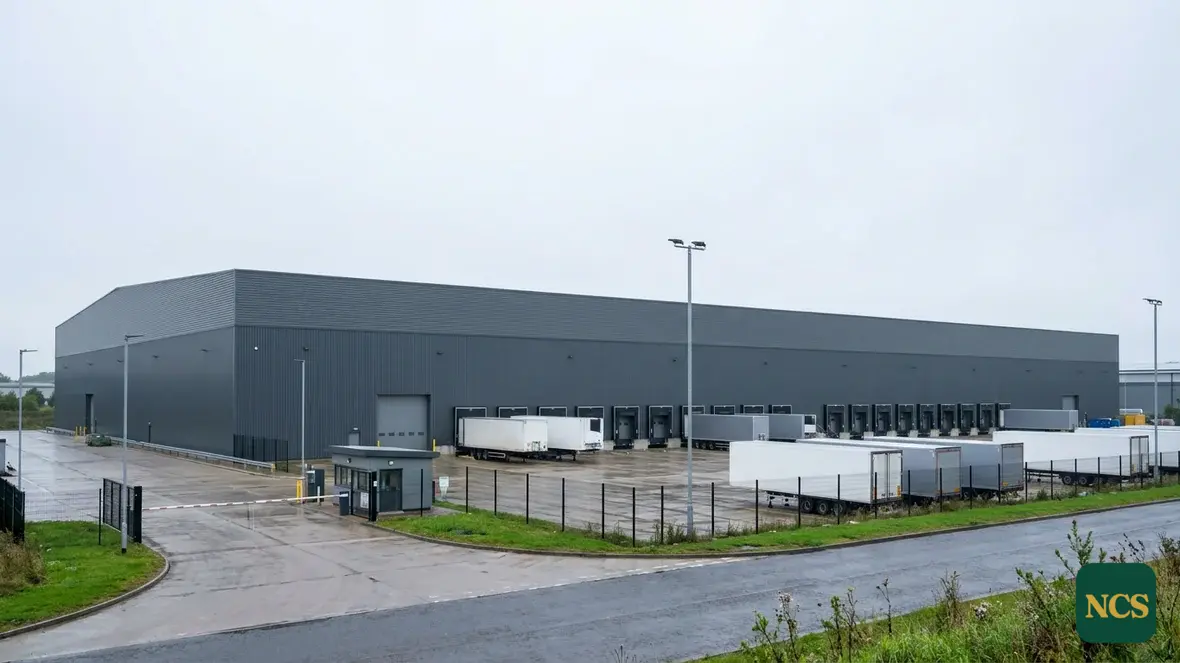
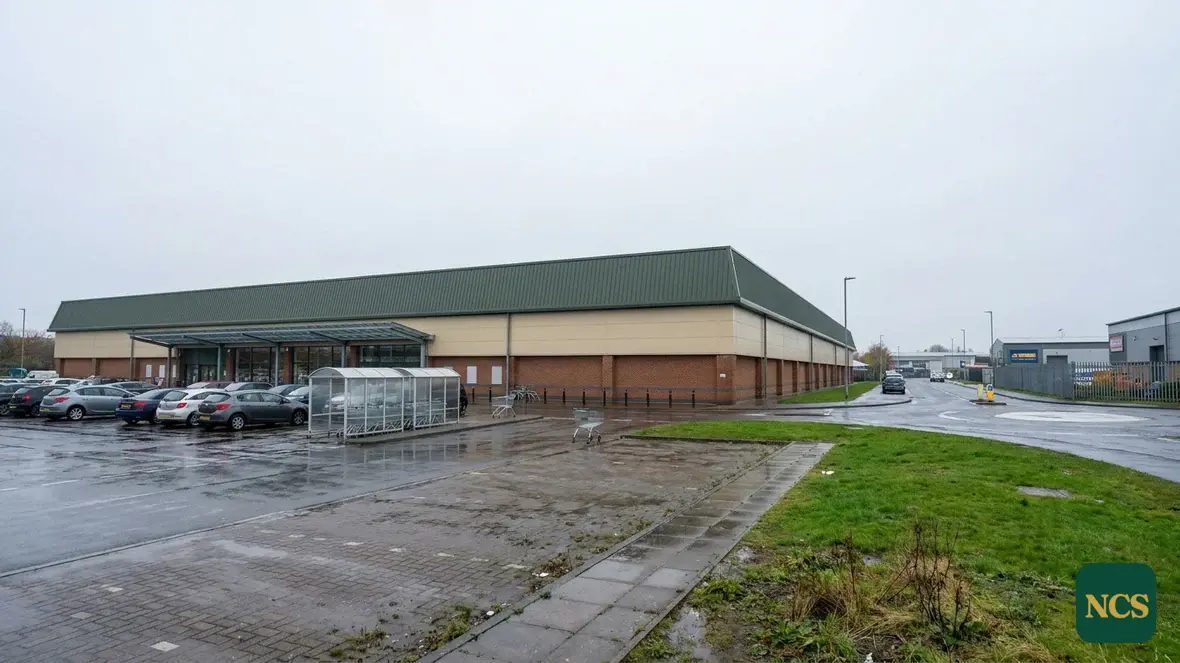
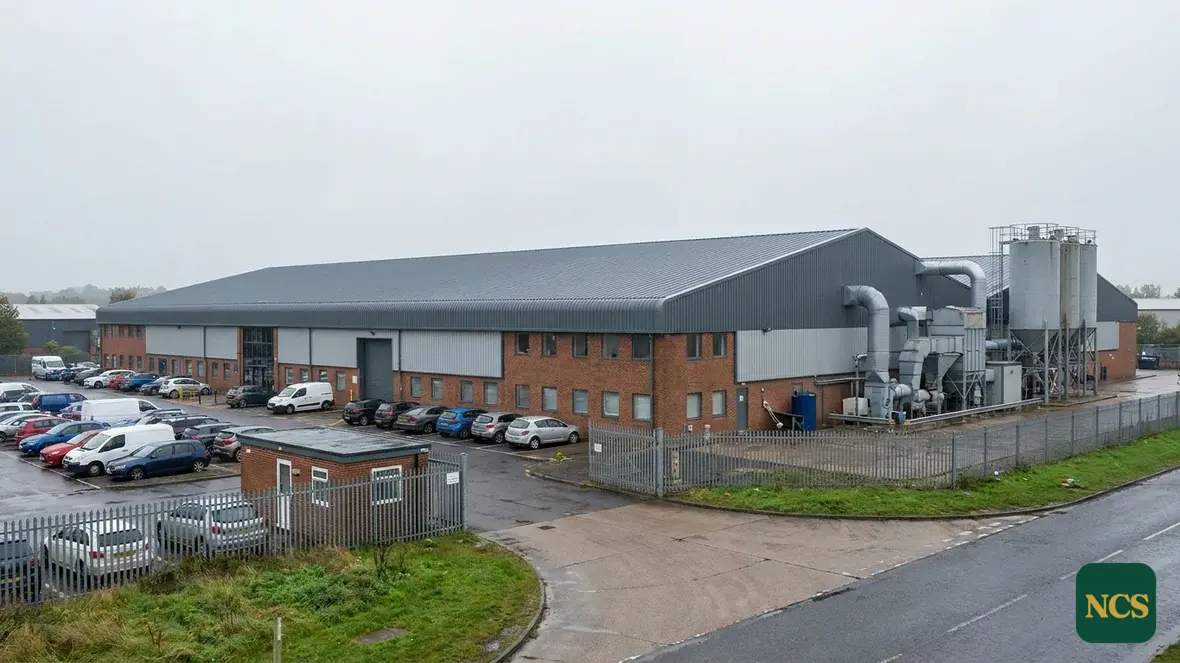
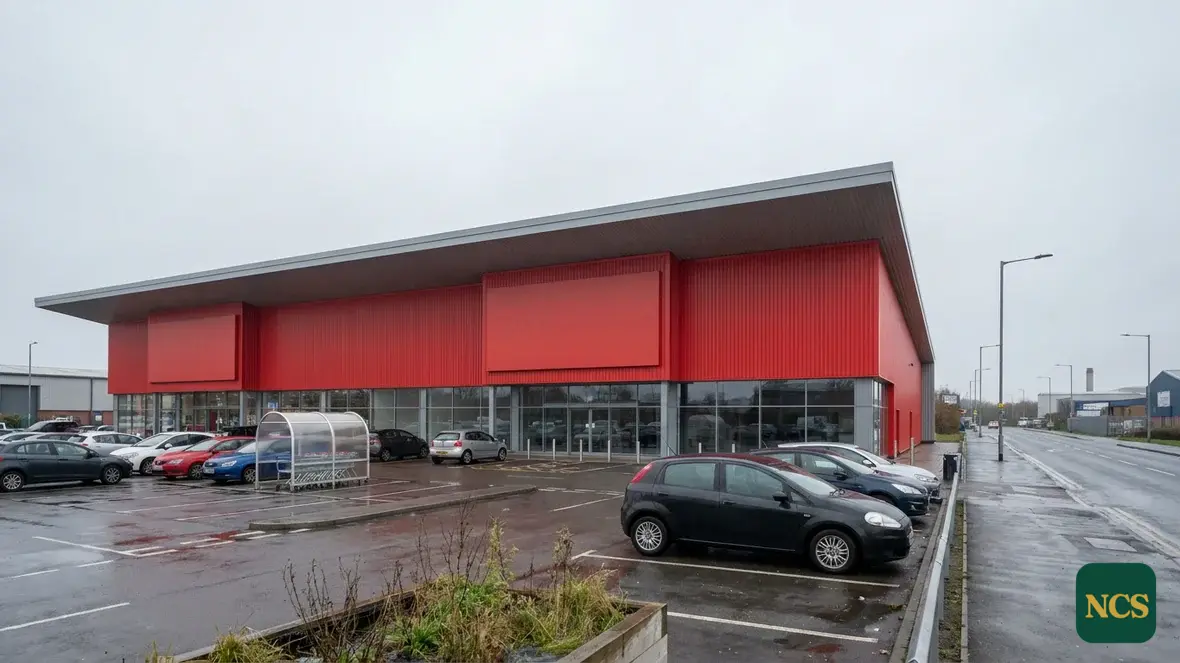
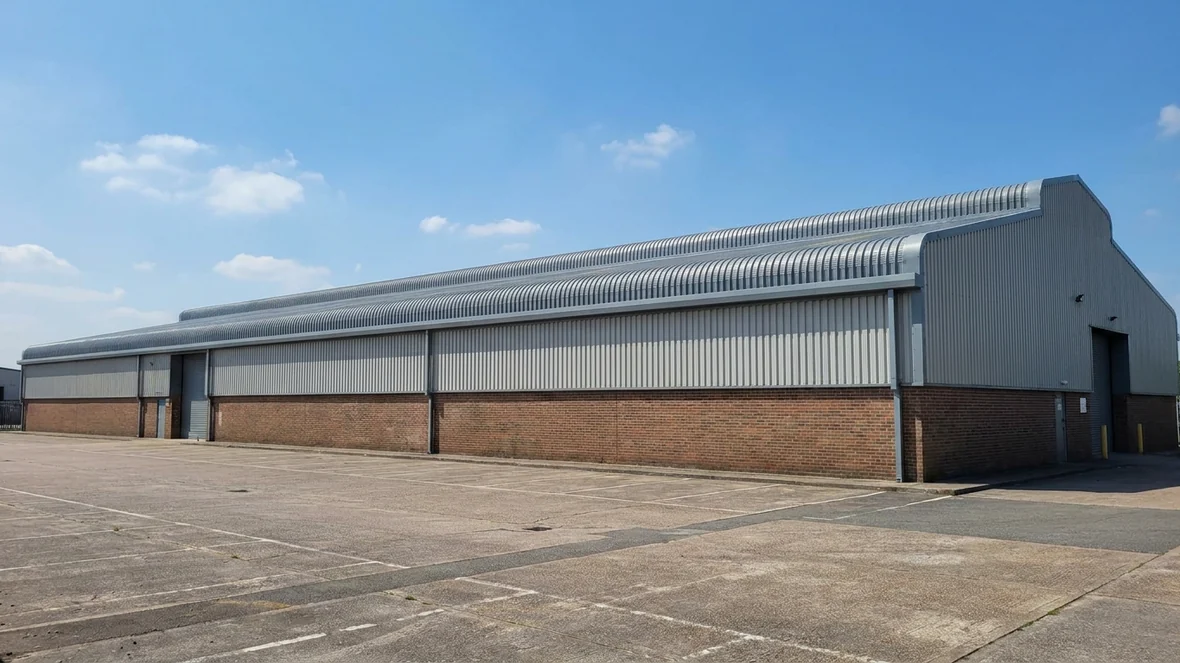
Look up at most industrial and agricultural buildings around Lancaster and the roof faces will often still look reasonable while the edges are quietly failing. That is the signature of cut edge corrosion. Profiled steel sheets are cut to length after they are coated, so the cut exposes bare steel at every sheet end and side lap. The coated surface is fine; the raw edge was never sealed, because nothing covers a line made after the coating. Water gets to the steel, rust starts, and it then travels back under the coating, peeling it from the metal as the corrosion spreads.
A wet climate keeps the laps from drying
Lancaster sits near the Lune estuary and Morecambe Bay, in a corner of the North-West that sees a lot of rain and long damp spells. The mechanism here is less about heavy salt and more about water that never gets a chance to dry. Overlaps hold moisture by capillary action, and in a climate where the roof is rarely bone dry, the steel inside those laps stays wet for long stretches. Persistent damp, repeated wetting and drying, and the thermal movement of the sheets all work the corrosion front further up from the eaves. Buildings on the trading estates and farm sheds across the surrounding countryside tend to show it at the gutter line first.
Why early treatment is the cheaper road
While the rust is shallow, the repair stays small and local. We clean the affected edges back to sound metal, then treat, prime and seal them with a flexible coating system built to flex with the sheet through the seasons. The building stays open and the rest of the roof carries on. Let it run, and the end point is a perforated sheet, which no coating can save. At that stage you are looking at sheet replacement: scaffolding or access platforms, stripping the old sheets, fitting new ones, and disruption inside the building while it happens. The difference in cost and downtime between treating an edge and replacing a sheet is the plain reason to act early. There is a knock-on benefit too: a treated, sealed edge sheds water cleanly instead of holding it, so the laps dry between downpours and the corrosion has nothing to feed on. In a climate as wet as this one, keeping water moving off the edges rather than trapped in them is half the job.
Signs to watch for from ground level
- A rust-coloured stain along the eaves you can see from the yard
- Coating peeling or curling at the sheet overlaps
- Corrosion rings around fixings near the sheet ends
- Rust or coating debris gathering in the gutters
- Damp marks or drips inside the unit under the laps
These point you towards a problem rather than measuring it. The dependable answer needs someone on the roof, opening the worst laps where it is safe, to gauge how far the rust has gone where you cannot see.
The honest call when a roof is past treatment
We survey before we quote, and sometimes that survey works against our own interest. If sheets are perforated, if corrosion has crept a long way under the coating, or if the underside is rusting beyond reach, we will say so rather than sell you a finish that fails. The honest options are then replacing the worst sheets and treating the sound ones, or an overlay if the whole roof is finished. Where the edges are failing but the faces are also chalking and weathering, dealing with the cut edges as part of a full roof coating is usually the better value, sealing the lot in one visit instead of piecemeal. We are South-East based and cover England, so any recommendation for a Lancaster roof is built on survey findings, not a one-size answer.