Cladding spraying in Lancaster
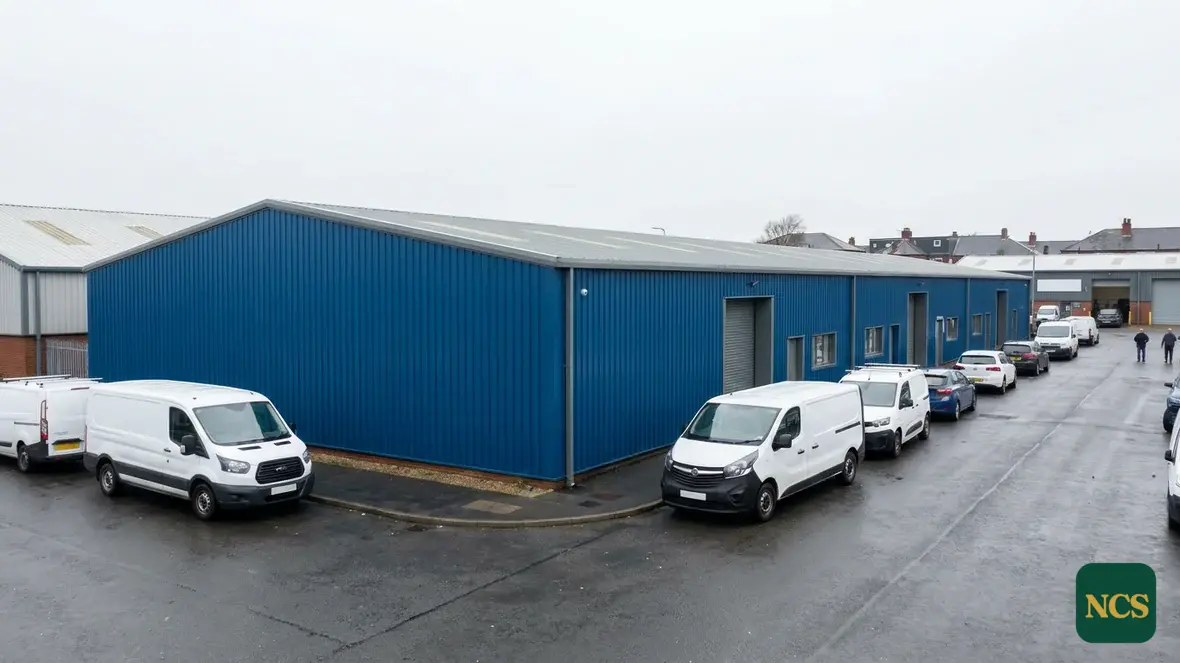
You’ll know that Lancaster gets its share of wet weather. Out here, between Morecambe Bay and the Pennines, the rain off the Irish Sea finds every weak spot in a building’s exterior. We see it all the time: faded profiled steel, chalky composite panels, and streaked fascias on commercial buildings right across the district. Most of the time, we can put them right with an on-site spray-applied coating. It beats a full strip and reclad, hands down.
We work survey-first. We’ll inspect your cladding, tell you honestly what condition it’s in, and only then will we talk about coating it. That order matters. Spraying over a failing substrate is a waste of everyone’s money.
The cladding we typically see around the city
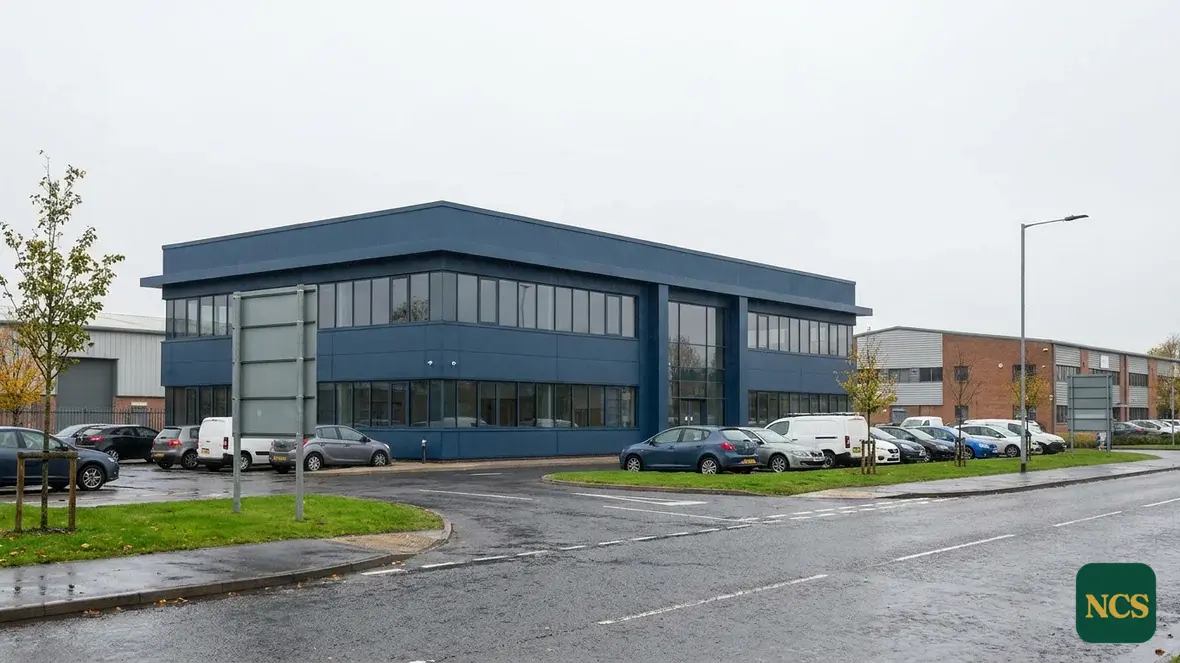
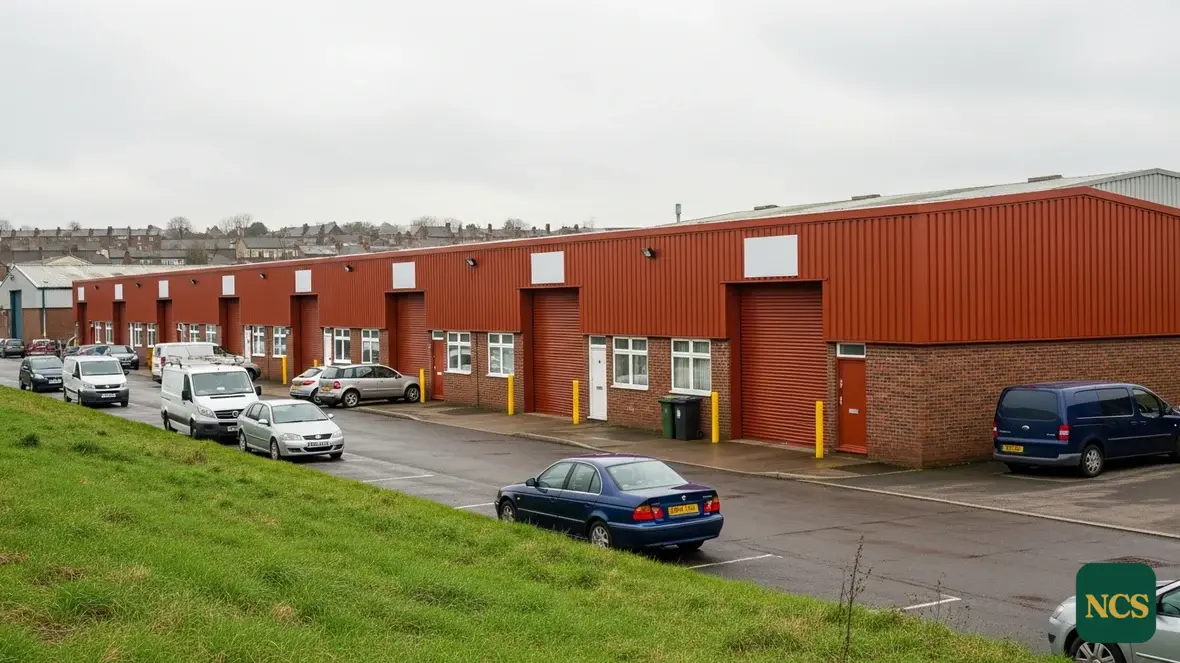
Lancaster’s commercial property stock is pretty varied for a city of its size. You’ve got industrial units near the M6, trade counters and retail sheds on the edge of town, and plenty of storage and agricultural buildings out in the Lancashire countryside. We also see newer composite-clad premises. The surfaces that most often benefit from a spray refurbishment include:
- Profiled steel sheeting that’s gone faded, chalky, or started showing cut edge corrosion
- Composite and sandwich panels with patchy or weathered factory finishes
- Curtain walling, window frames, and shopfront framing that needs a colour change
- Fascias, soffits, and barge details that are letting down an otherwise sound elevation
- Roller shutters and personnel doors that don’t match the building anymore
How a survey-led project runs
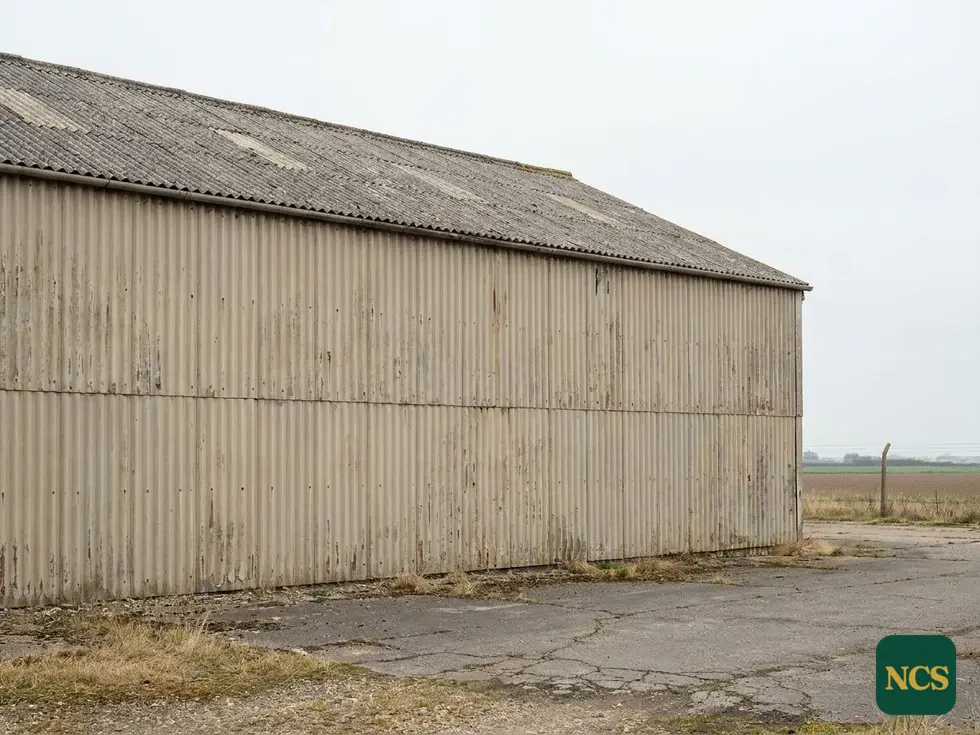
Every project starts with us having a look. We assess the substrate, check how well the existing finish is still stuck on, map any corrosion, and really focus on cut edges, sheet laps, gutter lines, and fixings. That’s where steel cladding usually gives up first. We’ll give you a clear rundown of what we found and what we recommend, including anything that needs fixing before any coating goes on.
Then comes the prep work: washing everything down, treating any corrosion, priming bare metal, and masking off anything that shouldn’t get sprayed. The coating itself goes on in controlled passes to build up an even film. We keep a close eye on the weather windows, which is a genuine consideration this far north west. We’re based in the South East and work all over the UK. Our survey visits to Lancaster can easily take in Morecambe, Garstang, Kendal, and Preston. Handy if you’ve got more than one building in the area.
We paint and respray cladding across Lancaster and Lancashire, always to a specification set by the survey rather than a standard colour-up.
When we advise against spraying
Not every cladding problem is a coating problem. If the original factory finish is peeling off whole elevations, if corrosion has eaten right through the sheets, or if panels are so far gone their integrity is shot, a coating won’t save them. We’ll tell you that straight. Same goes if water’s getting in through failed laps, flashings, or fixings. That needs repairing first, not painting over.
And a spray coating won’t change the fire performance of a panel system. If that’s the question you’re asking about your building, you need specialist fire engineering advice, not a decorative or protective finish.
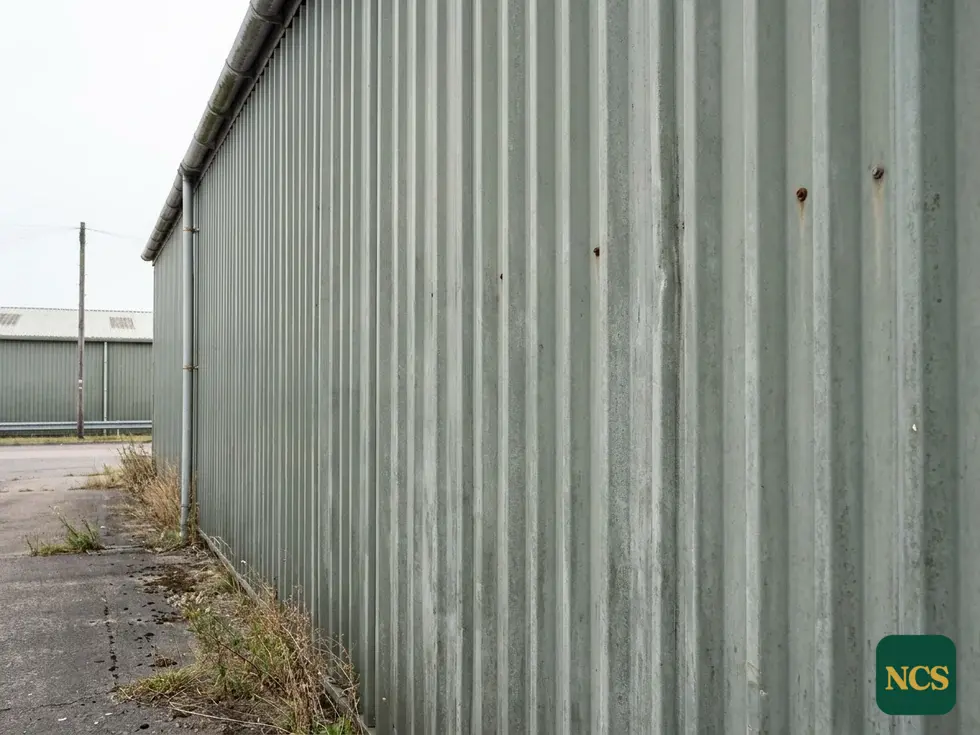
Why the survey comes before the quote
Anyone can slap a blanket figure by area against a photo. But that figure means very little if nobody’s tested adhesion, checked the cut edges, or looked inside the gutters. Surveying first means we can specify the right preparation and primer for the actual substrate, set realistic expectations for the finished job, and price the work for what it really is, not just what it looks like from the road.
If you own or manage a clad building in Lancaster, or anywhere else in Lancashire, the sensible first move is a condition survey. It costs you a conversation, and it tells you whether spraying is the right answer before you commit to anything.