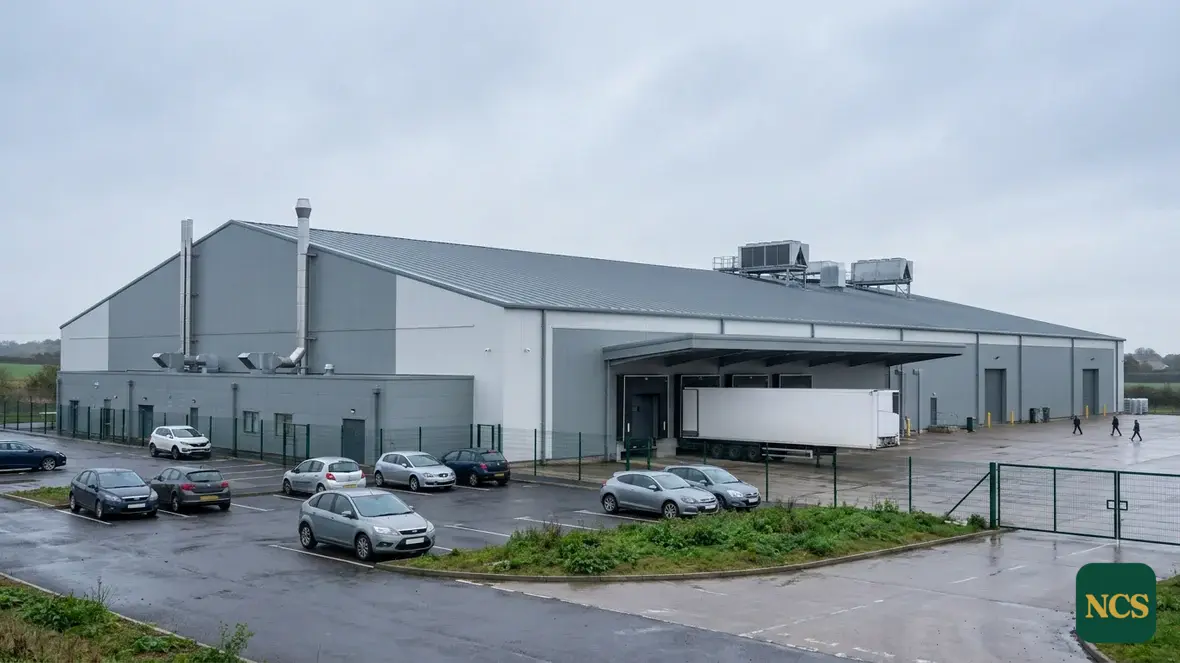
Wet weather and industrial roofs in Lancaster
The North West gets some of the highest rainfall in England. The industrial units around Lancaster live with the consequences. Estates off the M6 and around the edge of the city have a mix of profiled metal roofs, all of varying ages. Persistent wet weather shows up their weaknesses sooner than a drier county would: weeping laps, corroding cut edges, blocked and rusting gutters, and fixings that have worked loose through years of thermal movement. Industrial roof coatings exist for exactly this kind of building stock: ageing metal that’s structurally sound but no longer reliably watertight.
The condition problems we find most often
Three faults account for most of the leaks reported on units of this age. Cut-edge corrosion, where the unprotected ends of each sheet rust back from the overlaps, is the most common and the most consequential. It thins the metal itself. Fastener failure comes second: washers perish, screws back out and each one becomes a small water entry point. Third are gutters and rooflights. They usually deteriorate faster than the sheets around them. A proper coating project addresses all three in one programme: edge treatment, fixing replacement or sealing, gutter linings where justified, then the full coating system over the prepared roof.
Around Lancaster we coat and paint profiled metal roofs on working factories, planned so production carries on underneath.

How the work runs on an occupied unit
Lancaster’s industrial buildings are mostly working buildings. The practical advantage of coating over replacement is that the work happens above your operation, not instead of it. We never open up the roof, so a wet afternoon blowing in off Morecambe Bay won’t become an internal flood. We plan access with site management, keep exclusion zones tight, and schedule noisy preparation work around anything sensitive below. On multi-let estates, the same planning applies tenant by tenant. One occupier’s works don’t become everyone’s problem.
When we will tell you not to coat
Coating has limits and we are straightforward about them. If a survey finds perforated sheets across large areas, corrosion that has reached the purlins, saturated insulation under a built-up roof, or fibre cement too far degraded to prepare and coat effectively, we will recommend against coating. We’ll put that in writing. Spending maintenance budget on a roof that needs a capital decision helps nobody. Pretending otherwise just moves the problem to next winter, which in this part of the country arrives early and stays late.
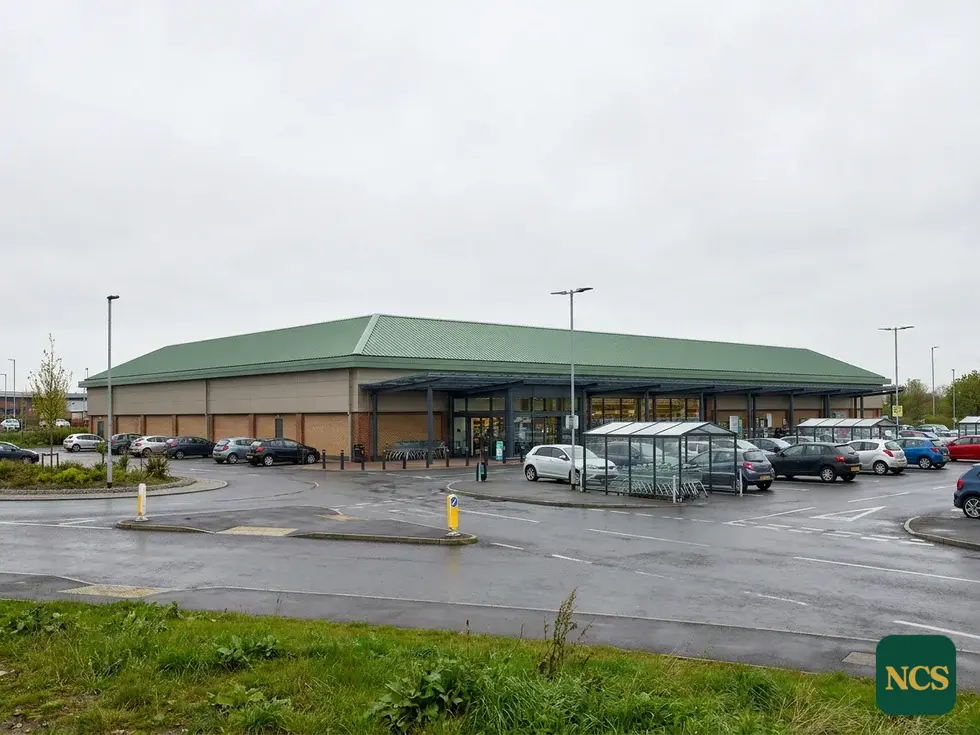
Arranging a survey in the Lancaster area
We are South-East based and work across the UK on a survey-led basis. Everything starts with getting eyes on the roof rather than guessing from the ground. A typical survey records:
- The spread of cut-edge corrosion at laps and sheet ends
- Fixing condition across a representative sample of the roof area
- Gutter, outlet and rooflight condition
- Adhesion of the existing finish, to confirm a coating will bond
- Any internal evidence of long-term water entry
The output is a condition report and, where coating is appropriate, a scoped specification with a programme that respects how your site runs. Where it is not appropriate, the report says so plainly. For facilities teams around Lancaster trying to decide between another year of patch repairs and something more lasting, that clarity is usually worth the visit on its own.