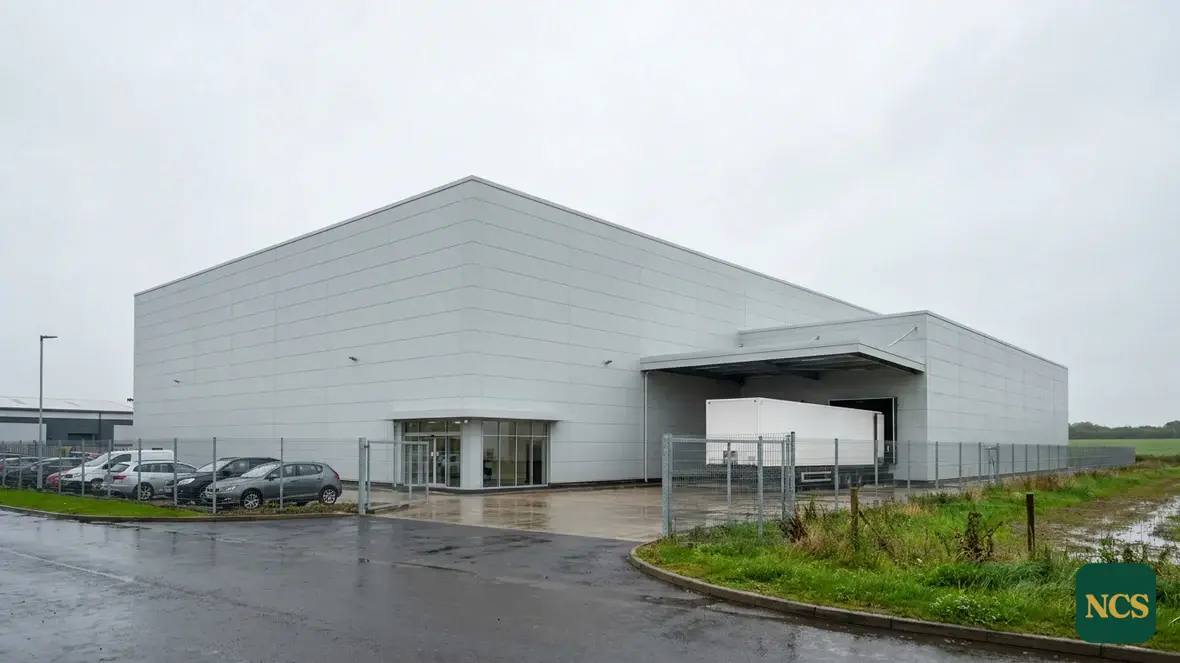
Commercial roof coating in Lancaster
Commercial buildings in Lancaster take more weather than most owners give them credit for. Sitting where the Lune meets Morecambe Bay, the city catches wind-driven rain off the Irish Sea for much of the year, and flat or low-pitched commercial roofs feel it first. We see a lot of weathered roofs in Lancaster that are still structurally sound, and a commercial roof coating is often the most economical way to deal with them. It seals and protects the existing surface rather than replacing it, which usually means lower cost, less disruption and no skip-loads of old roofing heading to landfill.
A coating isn’t paint. The systems we specify are liquid-applied waterproofing membranes. We build them up to a set thickness, and they cure into one continuous layer across the whole roof. On the right roof, after proper preparation, they restore weather protection for years. On the wrong roof they fail. That’s why everything we do starts with a survey, not just a quote.
The roof types common across the Lancaster area
Lancaster’s commercial buildings are a genuine mix. In the city centre and by the quayside, you’ll find older masonry buildings with flat-roofed extensions and parapet details. Out on the estates, closer to the M6 corridor, it’s more common to see steel portal-frame units with profiled metal sheeting. In between are schools, healthcare buildings, rural businesses out towards Garstang, and premises with felt, asphalt or single-ply roofs of varying ages.
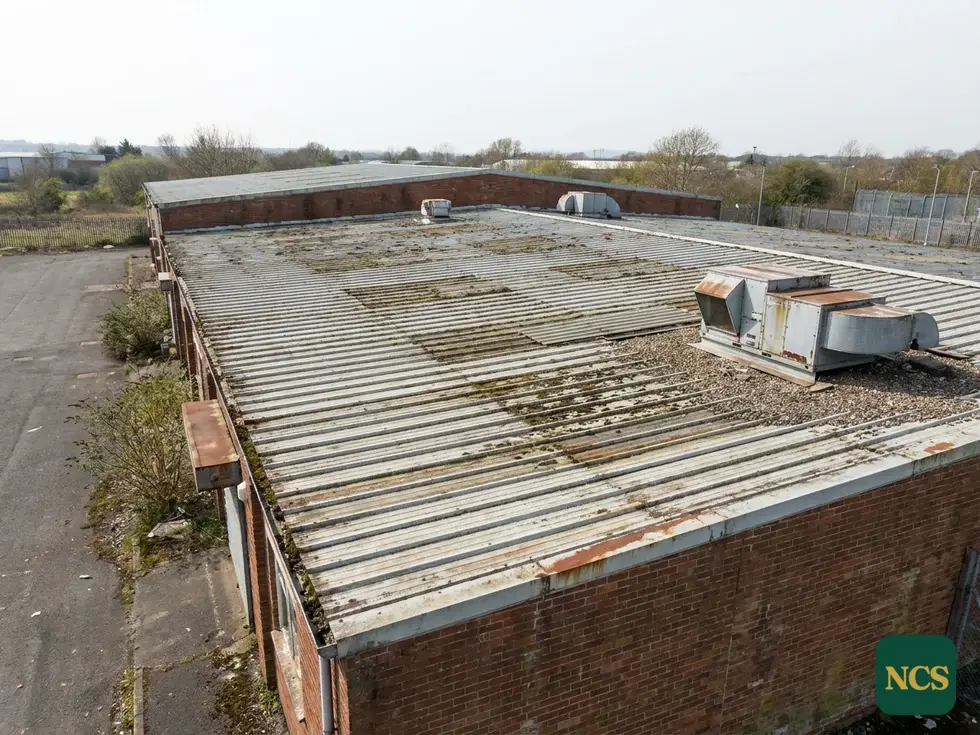
Every surface ages differently. Metal sheets corrode at cut edges and around fixings. Felt blisters and splits at the seams. Asbestos cement becomes porous and brittle, shedding fibres. Concrete decks suffer at joints and upstands. The right system, primer and preparation all depend on what’s actually up there, and nobody can tell that from the ground.
For building owners in Lancaster weighing up roof painting against replacement, the survey settles it honestly, and we say so when coating is the wrong answer.
A survey before a sales pitch
Every enquiry follows the same path with us. We inspect the roof first: the substrate condition, the fixings, seams, rooflights, drainage, any ponding and any signs of moisture already inside the build-up. You then receive a written report with photographs and a clear recommendation. That might be a coating specification, targeted repairs, or advice to budget for replacement instead.
If a coating is the right call, we prepare the roof properly before any material goes down. We also sequence work around your operation so the building stays in use. We cover Morecambe, Garstang, Kendal and Preston, alongside Lancaster itself. This means premises spread across north Lancashire and into south Cumbria can often be surveyed in a single visit programme.
- Photographic condition survey of the whole roof area
- Substrate-specific system and primer selection
- Cleaning, corrosion treatment and repairs before coating
- Application to the manufacturer’s specification
- Post-completion inspection and report
When we advise against coating
We turn down roofs where a coating would only hide a problem. If insulation within the build-up is saturated, sealing the surface traps that moisture in the structure. If the deck has rotted or corroded through, a membrane has nothing sound to bond to. If corrosion on a metal roof has spread beyond the cut edges into the body of the sheets, replacement sheets are the honest fix. And where ponding comes from structural deflection rather than blocked outlets, a coating will not correct the falls. In those cases our report says so plainly, with an explanation of what we would do instead.
Why survey-led matters for Lancashire businesses
Coating failures almost always trace back to the same causes: no survey, poor preparation, the wrong system for the substrate, or application in unsuitable conditions. Our survey-led approach removes those risks, in order, before a price is ever quoted. It also gives you something useful even if you never place an order: an accurate, photographed record of your roof’s condition. For a Lancaster business that depends on dry stock, dry plant and dry staff, that discipline is worth far more than the cheapest headline figure on a quote.