Commercial wall coating in Lancaster
If you own or manage a commercial building in Lancaster, the weather needs to be the first thing we talk about. The city sits between Morecambe Bay and the Pennine foothills. Westerly rain often arrives sideways and those exterior walls carry the brunt of it for much of the year. So, commercial wall coating in Lancaster is less about picking a colour and more about understanding what the existing render, masonry or paintwork is already doing, before anything new goes over the top. That’s how we approach every enquiry: a survey first, then a clear, written specification.
A properly specified exterior coating sheds rain, slows the repainting cycle and tidies up a weathered frontage in one programme of work. A badly specified one seals damp into the wall and fails early. The difference between those two outcomes is decided during the survey. Not on the scaffold.
Commercial painters around Lancaster are easy to find. What the survey adds is a written account of the wall before any paint or coating is named.
The commercial buildings we tend to assess around the city
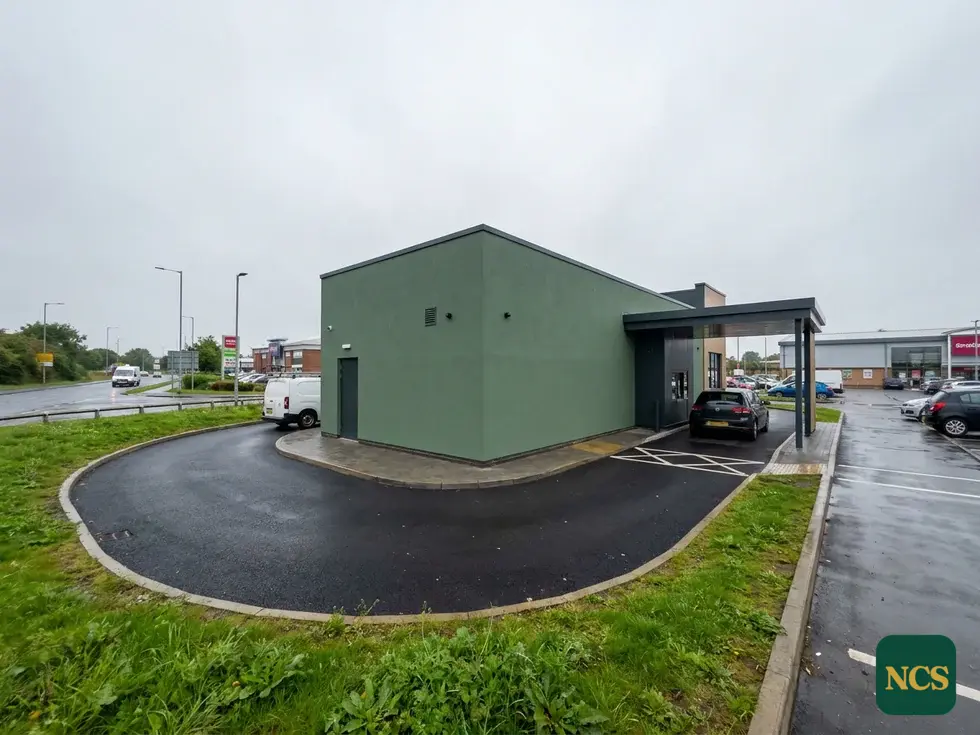
Lancaster’s commercial buildings are varied enough to keep any surveyor honest. In the centre, you’ll find stone-fronted Victorian properties in commercial use, rendered shopfronts and offices, and converted mills and warehouses. Their solid walls behave very differently from modern cavity construction. Out towards the trading estates, the stock shifts to mid-century brick, post-war render and newer steel-framed units with masonry or rendered elevations. Each of these substrates absorbs and releases moisture in its own way. Each needs its own preparation and coating approach.
None of that is a problem. It just means the specification has to come from what’s actually on the wall, not from a brochure.
Survey first, specification second
We don’t rush the front end of our process. We inspect the elevations, take moisture readings, check render adhesion and any previous coatings. We look at pointing, sills, copings and rainwater goods. We identify the cause of any staining or damp before we even discuss products. You then receive written findings and a specification you can question, compare and keep.
- Substrate identification: stone, brick, render or earlier coating systems
- Moisture readings and a search for the source of any damp
- Adhesion and condition checks on existing render and paintwork
- Repairs listed and described separately from the coating itself
- A written specification naming the preparation and system proposed
We arrange surveys across Lancashire and up to the southern edge of Cumbria. So, buildings in Morecambe, Garstang, Kendal and Preston are covered on exactly the same basis as Lancaster itself.
When we tell you not to coat
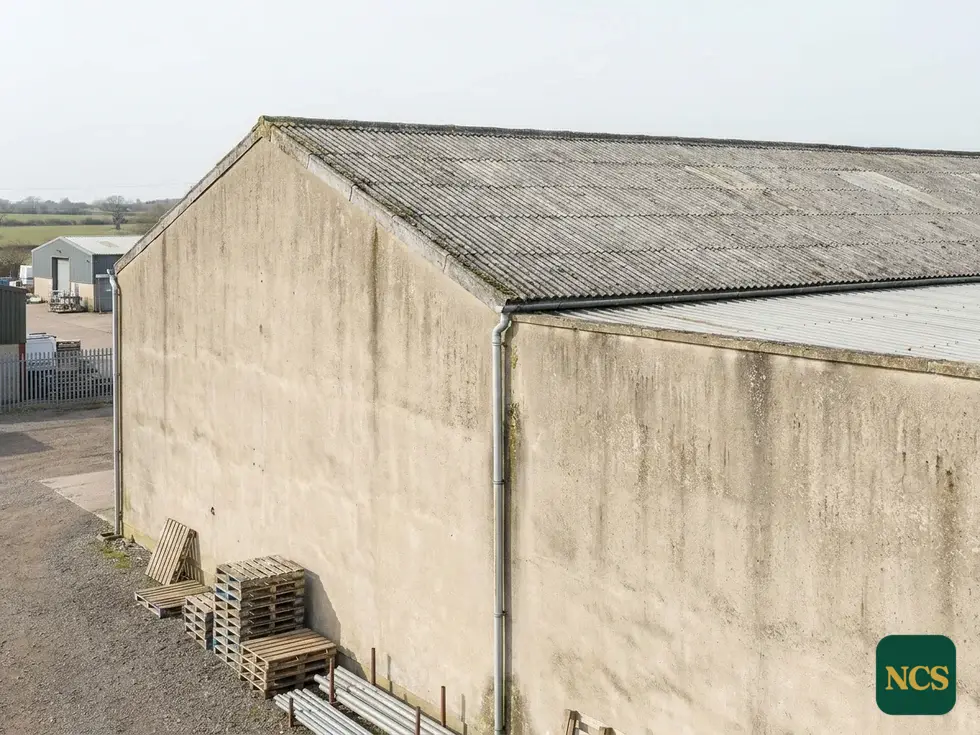
Some walls shouldn’t be coated. And we’ll tell you that. Structural cracking caused by movement needs investigation, not paint over the top. Damp from failed gutters, leaking downpipes or a bridged damp-proof course has to be cured at source first. A coating over an unresolved leak just hides the symptom while the fabric keeps deteriorating underneath. Solid stone walls on older Lancaster buildings sometimes need a breathable approach rather than a film-forming product. And occasionally, the honest answer is that sound, well-pointed masonry needs no coating at all. If a survey reaches any of those conclusions, we’ll tell you plainly and give you the reasoning in writing.
Why survey-led matters in north-west weather
Lancashire rainfall punishes shortcuts. A coating applied over friable render or trapped moisture will blister and let go early. The cost of stripping a failed system is far higher than the cost of proper diagnosis at the start. A survey-led contractor gives you the cause of the problem in writing, a specification matched to the actual substrate, repairs treated as their own line items rather than buried in a lump sum, and a decision you can defend to a board, a landlord or your own accounts. That’s the standard we apply to every commercial enquiry in Lancaster, whether the job is a single rendered gable on a back street or the full set of elevations on a trading-estate unit.