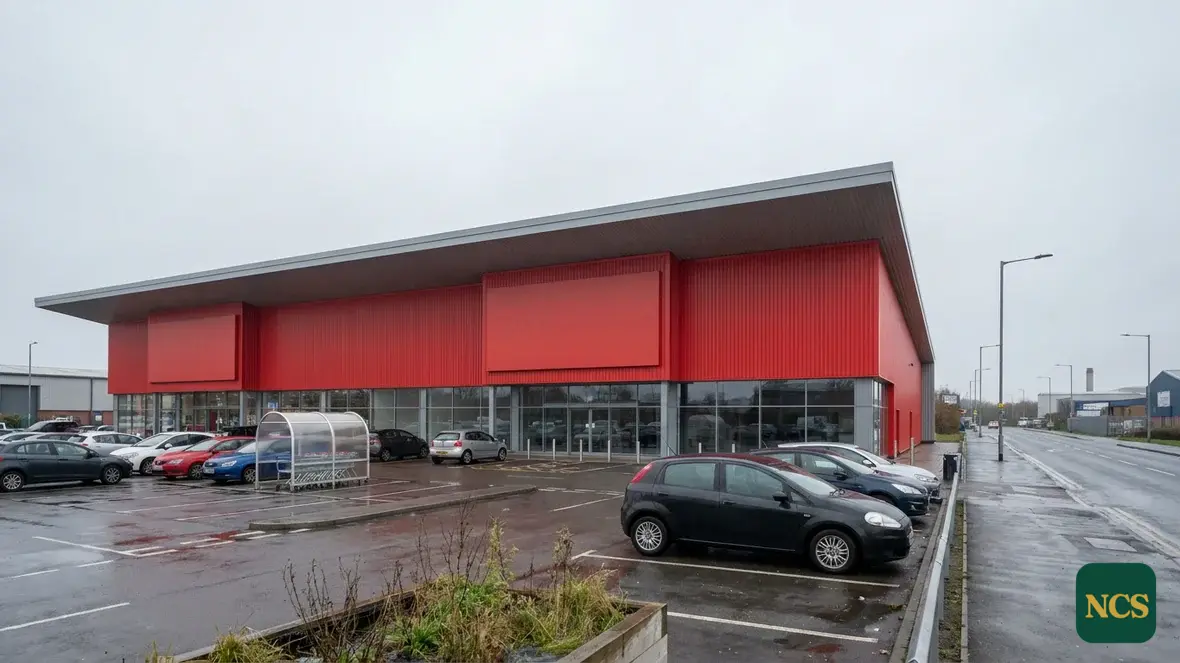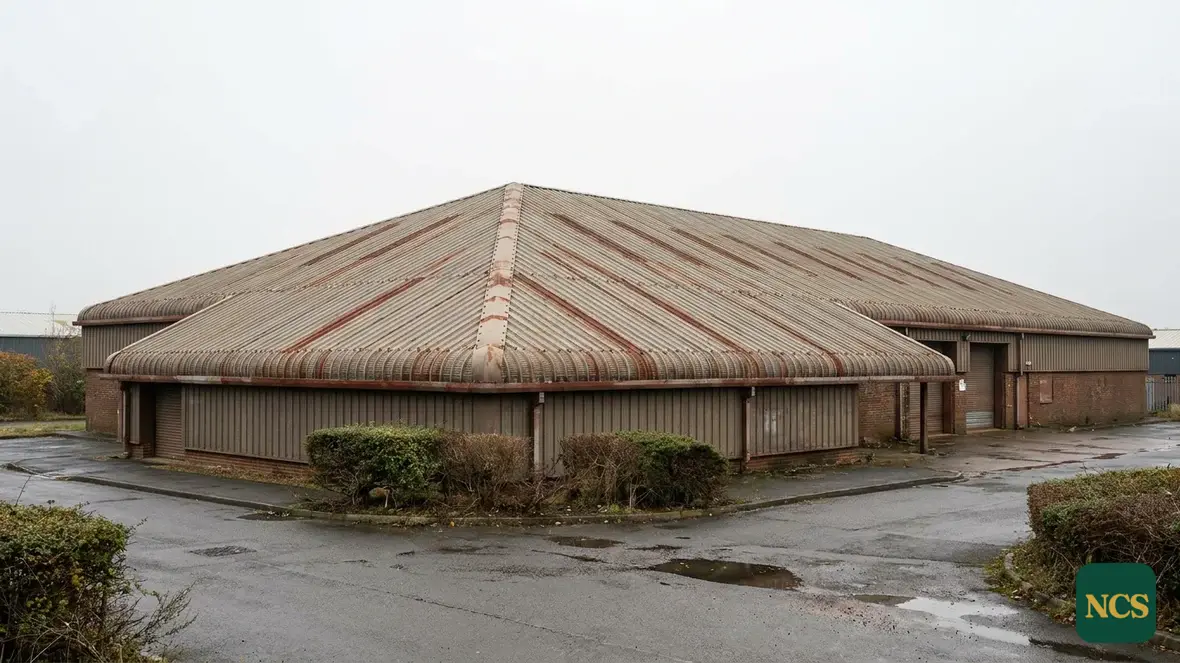
Most cut edge corrosion gets reported one of two ways: a facilities manager notices orange streaking down the cladding below the gutter, or a tenant phones about a damp patch that only shows after heavy rain. Both point to the same place, the cut edges of the roof sheets, and on the food-processing units and distribution buildings common around Norwich it is one of the most predictable defects a profiled metal roof will throw up. Dealt with early, cut edge corrosion in Norwich is a contained repair rather than a roof-stripping project.
How the rust gets in
Plastisol and PVDF coated sheets are protected across both faces, but every sheet is cut to length, and the cut exposes a strip of raw steel. Those edges end up at the sheet laps and the gutter line, where rain collects and lingers. The bare steel oxidises, and the rust then migrates back beneath the coating, lifting it in a steadily widening band. A roof can look perfectly sound for fifteen years before a line of corrosion appears along nearly every sheet end at once, because the coating did its job everywhere except the one place it could never reach.
Spread is the real problem
The danger is not the first rust spot, it is what follows. Moisture is pulled into the lap by capillary action and stays there, so the corrosion front keeps moving inward, the coating delaminates ahead of it, and the steel thins until the ends perforate. East Anglia’s exposure adds its own push: driving rain off flat open country, gutters slow to clear on shallow-pitch roofs, and salt-tinged air on buildings nearer the coast. Norwich roofs that have stood quietly for years tend to reach the visible stage together.
Treat the edges, keep the roof
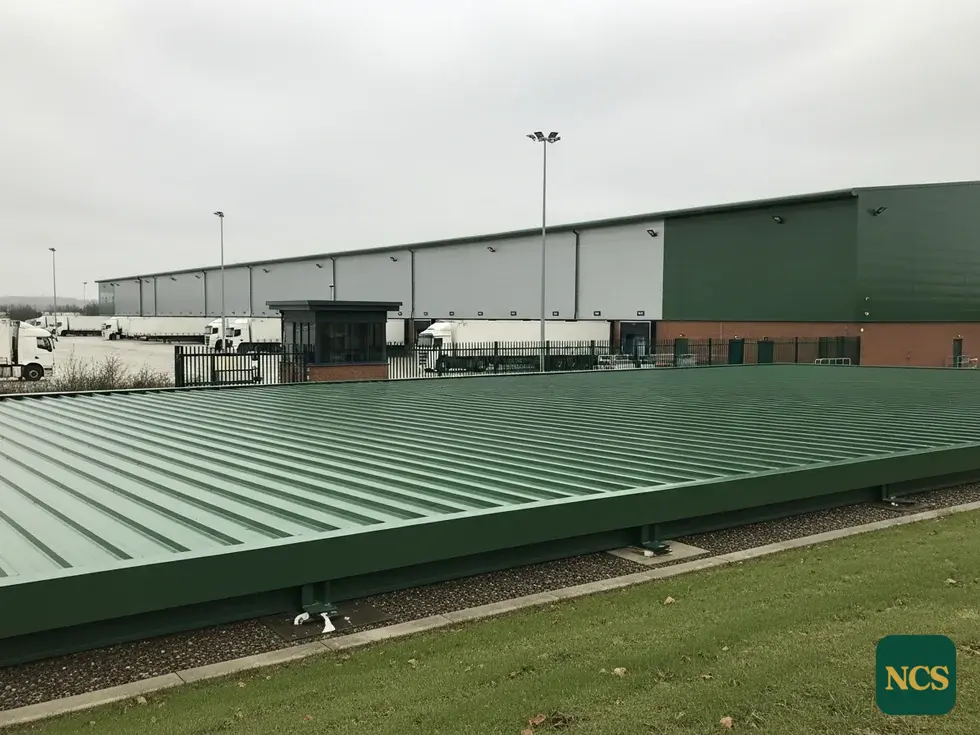
Caught at the staining stage, the repair is straightforward. We clean the corroded edges back to bright steel, apply a corrosion-inhibiting primer, then bed a reinforcing membrane or flexible coating along the laps and gutter edges so the joint is sealed and able to move with the roof. The building below keeps running and the sheets keep the life they have left. Signs that warrant a closer look:
- Rust staining running down the cladding beneath the gutter line
- Lifting or flaking coating along the overlaps between sheets
- Standing water or rust debris collecting in the gutters
- Intermittent damp patches inside that track the fixing lines
When we will tell you to stop
Edge treatment has a limit, and we will be straight about it. If the sheet ends have already holed through, if corrosion has spread deep into the laps over wide areas, or if the whole sheet face is failing rather than just the cut edges, coating those edges is throwing good money after steel that is finished. The honest answer there is sheet replacement or over-roofing, and we will say so plainly after the survey. We would rather give you a true assessment than a quote you regret in two winters.
One survey, one clear plan
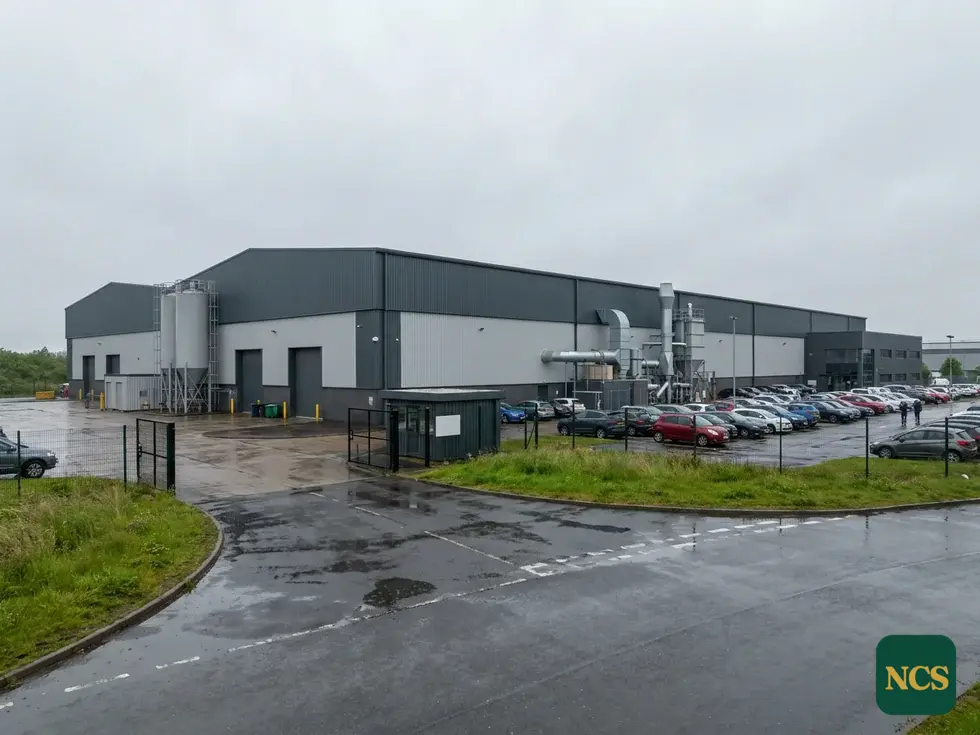
We start with a full roof survey, photographing the laps, edges, gutters, fixings and coating so the report shows you the actual condition, not a guess. Where the original finish is tired across the whole roof, combining cut edge treatment with a full roof coating in a single visit usually makes better sense than two separate jobs and two access set-ups. We are a South East based contractor working across England, and Norwich and the wider Norfolk area fall well within where we operate. Send through the building details and we will book the survey.