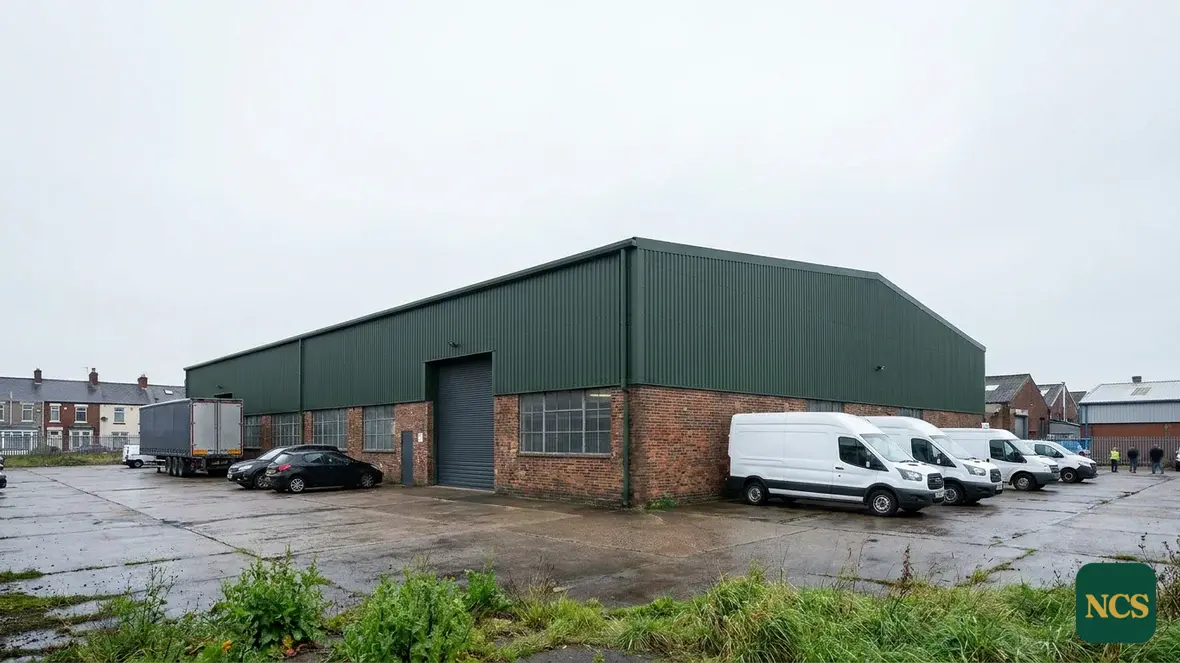




We coat commercial, industrial and agricultural buildings in Norwich and across Norfolk. Our focus here is on asbestos roof encapsulation, but it’s more than just sealing fibres. It’s about keeping water out, stopping rust creep on exposed elevations, and protecting the side of the building that takes the prevailing weather. From the old textile and shoe-making units to modern industrial estates just off the A47, we know these buildings need durable protection.
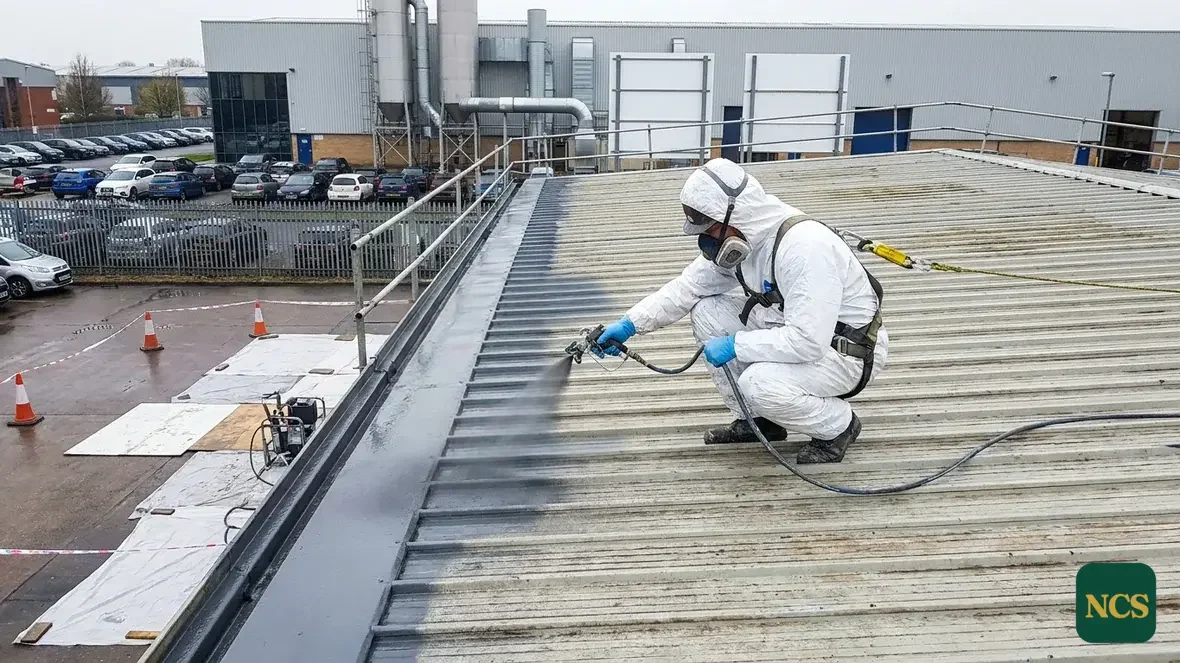
Asbestos roof sealing for Norwich buildings
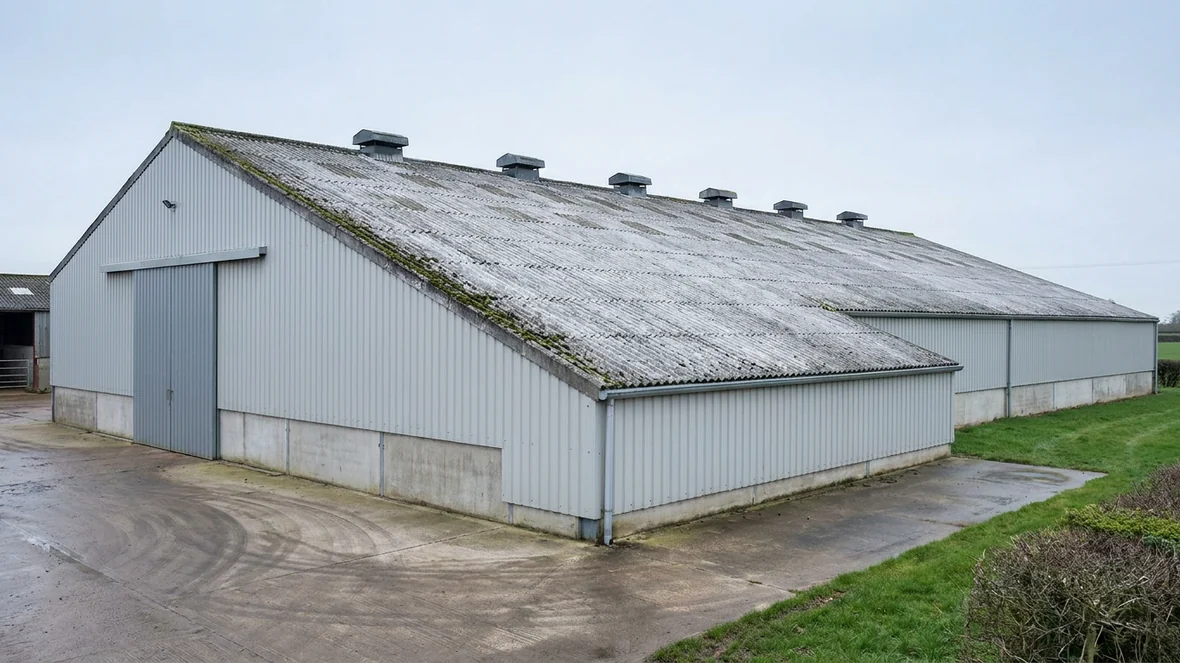
Asbestos roof encapsulation for Norwich buildings starts with a sheet-by-sheet survey, not a guess from the road. We tell you plainly whether the roof can be sealed in place or needs licensed removal instead. Drive out of Norwich in any direction and within minutes you are passing barns, grain stores and machinery sheds roofed in profiled asbestos cement.
The same sheets cover older units on the industrial estates around the city’s ring road. Most went up between the 1960s and the 1980s, and a surprising number are still doing their job. The question for the people responsible for them is what to do as the surface weathers: strip the roof out, or seal it and manage it in place.
Asbestos roofs on commercial and farm buildings around Norwich
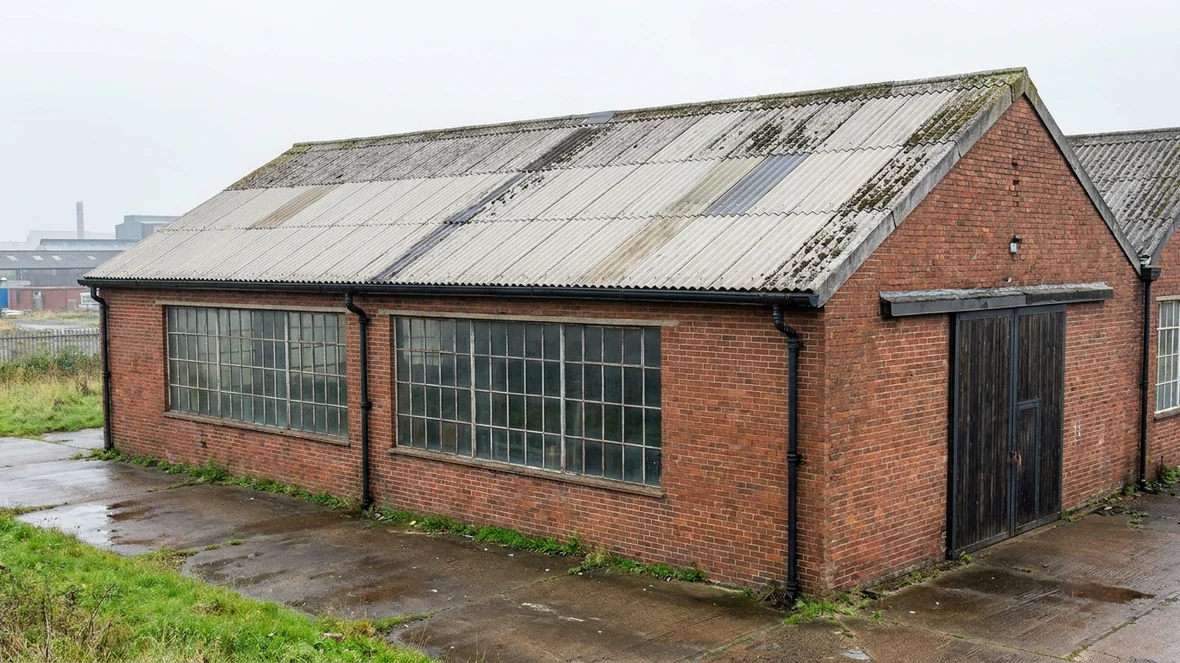
Norfolk’s agricultural building stock leans heavily on asbestos cement. It was cheap, light and quick to fix down, which is exactly why so many farm buildings across the county still carry it. In and around the city, post-war workshops, stores and light industrial units used the same material. When the sheets are sound, this is manageable. When decades of weather have eaten into the cement, the roof goes porous, grows moss, starts leaking at the laps and fixings, and slowly releases fibres from its eroding surface. That is the point at which doing nothing stops being an option.
Every job starts with a condition survey
Every job starts with a condition survey: sheet condition, erosion depth, defects, fixings, roof lights, and the underside where access allows. The findings determine the recommendation, and you get them in writing either way. If encapsulation is right for your Norwich building, we specify the system, the preparation and the re-inspection interval so the work slots into your asbestos management plan.
If it is not, we tell you plainly and you can put your budget where it belongs. We are a South-East based contractor and cover the city and the wider county as part of our normal working range across the UK, the same process shown in our asbestos encapsulation case study.
Legal requirements for managing asbestos roofs
The Control of Asbestos Regulations 2012 place a duty to manage asbestos on whoever controls the maintenance of non-domestic premises, and that includes farm buildings used for business. You must identify the material, assess its condition, keep a record and manage the risk under a written plan. Nothing in the regulations forces removal of asbestos cement that is in fair condition.
HSE guidance points the other way: material in good condition is usually safer left undisturbed and managed. Encapsulation gives that management plan teeth, because it physically arrests the weathering instead of just noting it down once a year. Owners in Norwich ask for asbestos roof coating, sealing or painting, and it is the same careful job: survey, controls, then a system the sheets can take.
When we will advise against asbestos roof encapsulation
This part matters. Encapsulation only works on sheets with enough integrity left to carry a coating. Where a roof is riddled with cracks and holes, delaminating, crumbling at edges and fixings, or degraded to the point of friability, coating it would be poor advice and worse practice. Storm-damaged roofs, structures with suspect frames and buildings due for demolition or redevelopment fall into the same category. In those cases the right route is removal under proper controls, and our report will say exactly that. We would rather lose the job than coat a roof that needed to come off.
Protecting roofs from water and corrosion in Norwich
Many buildings in Norwich, especially older industrial units and farm structures, battle constant exposure to the elements. A degrading roof isn’t just a fibre-release risk; it’s an open invitation for water ingress and corrosion. We’ve seen enough profiled steel cladding and asbestos cement sheets around the A11 and A47 corridors to know that preventing moisture penetration and stopping rust in its tracks is critical. Our work extends the life of these structures, keeping the weather out and protecting valuable assets inside.
Standards for asbestos roof work in Norwich
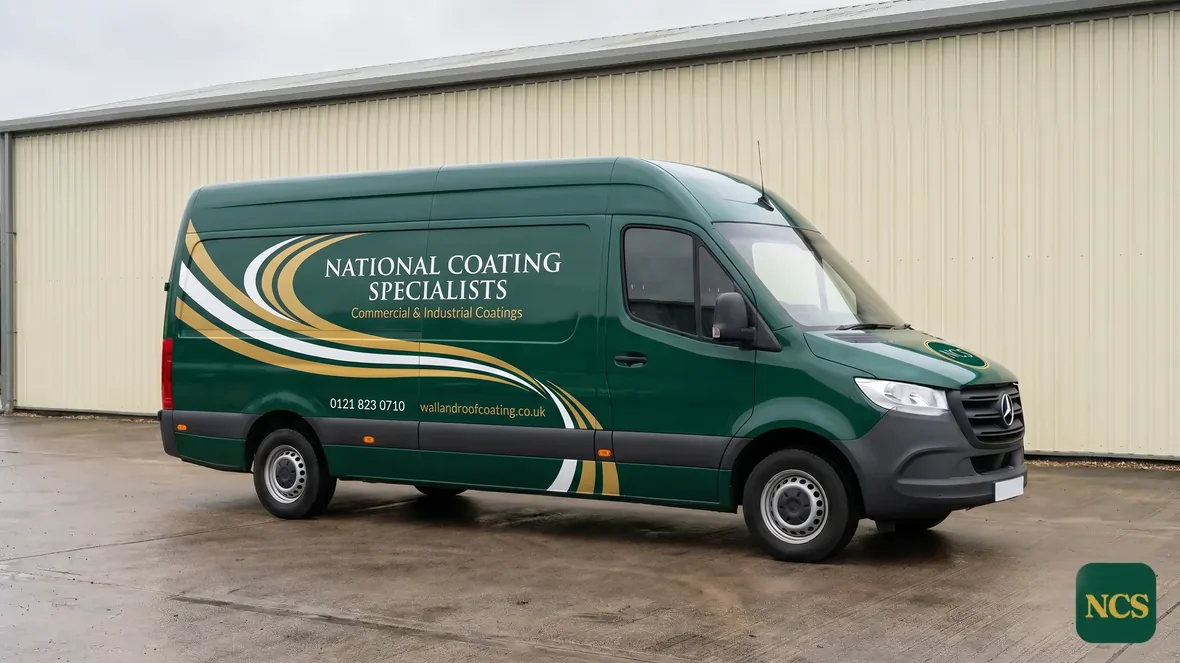
Regulation 4 of CAR 2012 puts a duty on whoever controls the building to manage asbestos-containing roofs, and our survey report is written to support that duty. Our teams plan every job around the HSE’s asbestos guidance, and we hold CHAS accreditation so the health and safety paperwork a managing agent or farm business asks for is ready before the first van arrives.
How encapsulation benefits a weathered roof
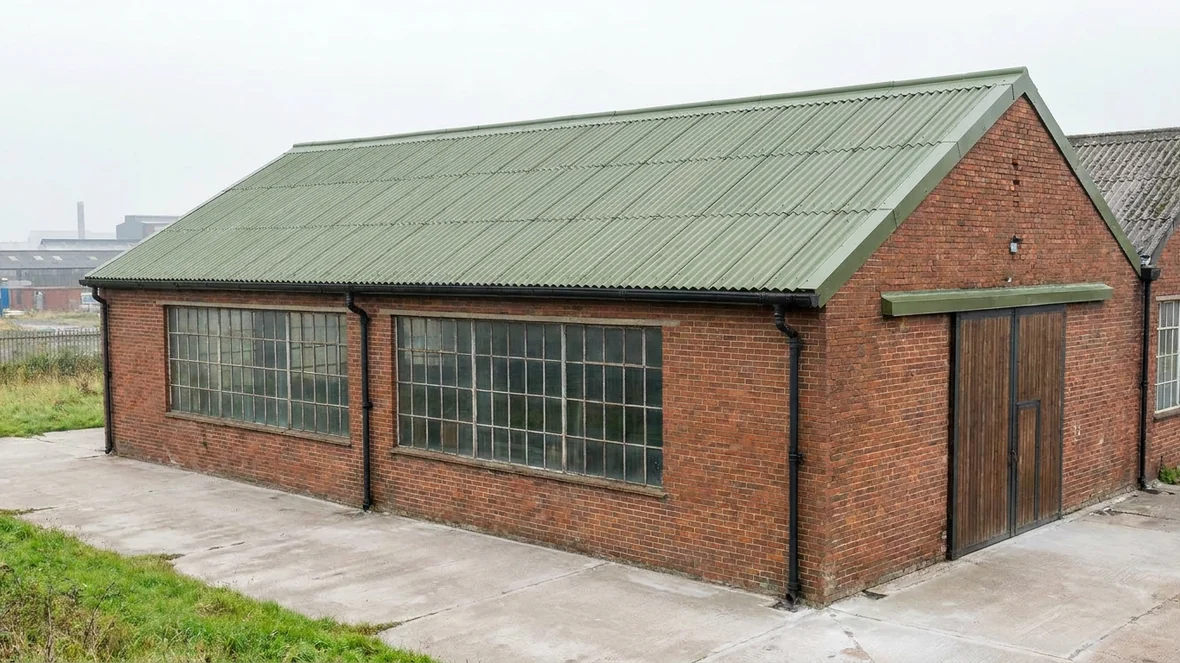
The process is deliberate and controlled. We clean the sheets without abrasive methods, treat the biological growth, deal with loose fixings and minor defects, and then apply a purpose-made encapsulant coating across the roof. Done properly, on a roof that is structurally sound, it delivers several things at once:
- Seals the eroded surface and locks down fibre release
- Restores weather resistance and stops the porous sheets drinking water
- Sustains the building’s weathertightness
- Slows moss and lichen regrowth
- Extends the serviceable life of a roof that would otherwise keep degrading
- Keeps the building in use while the work happens
Recent asbestos roof encapsulation we can show you
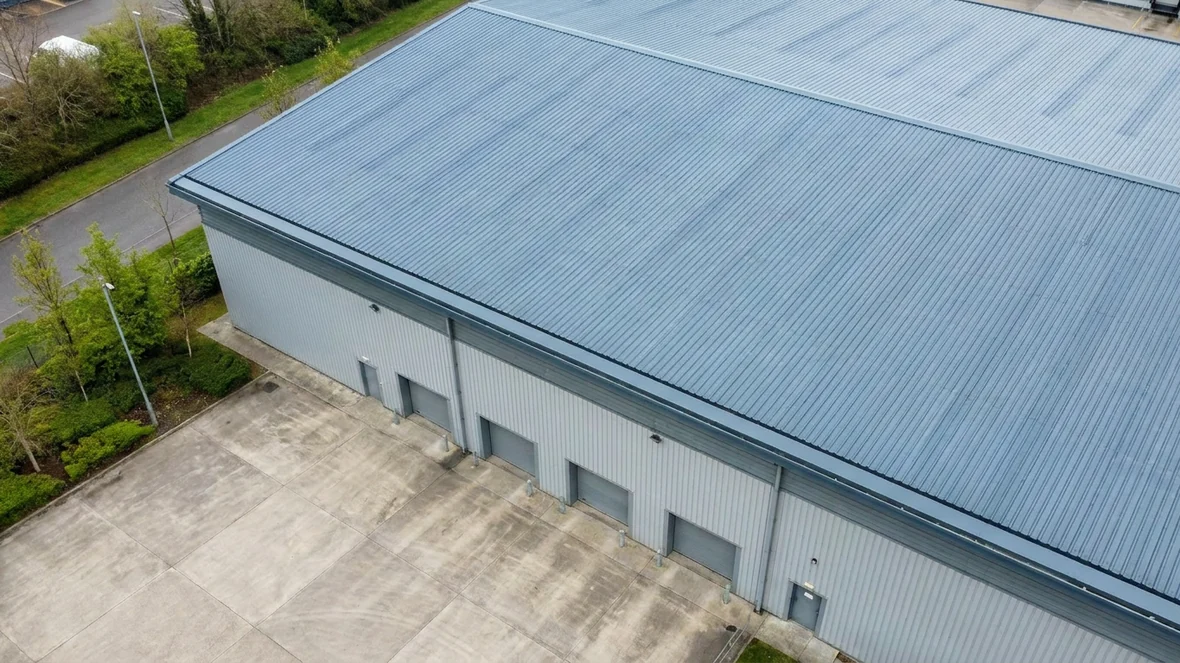
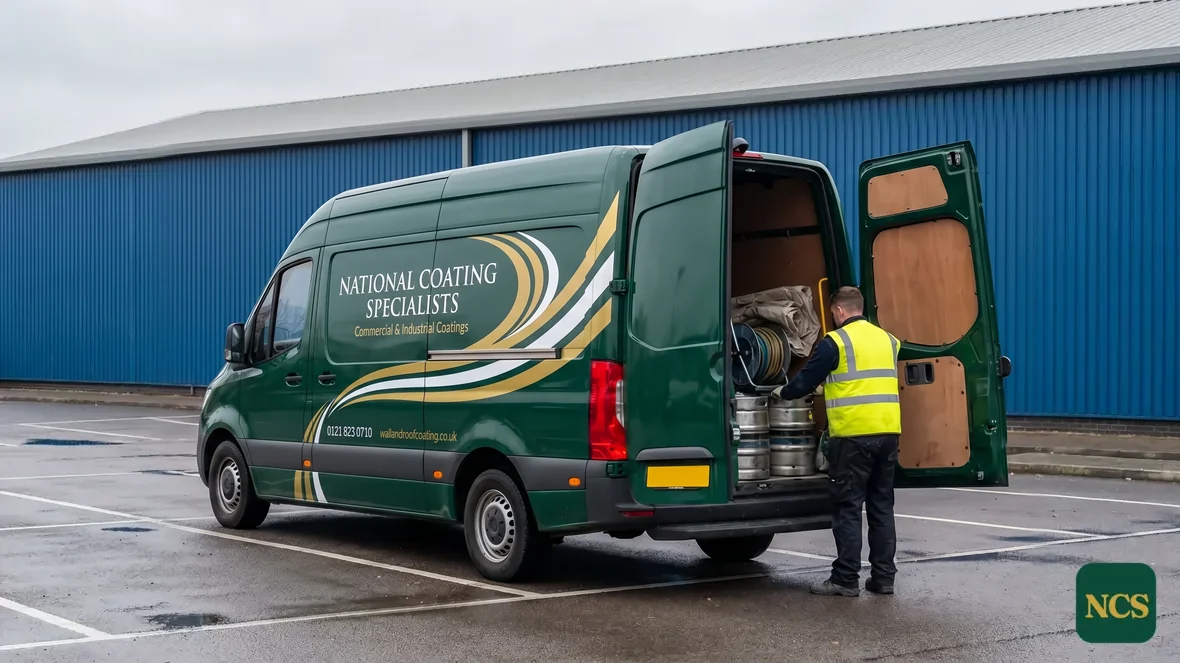
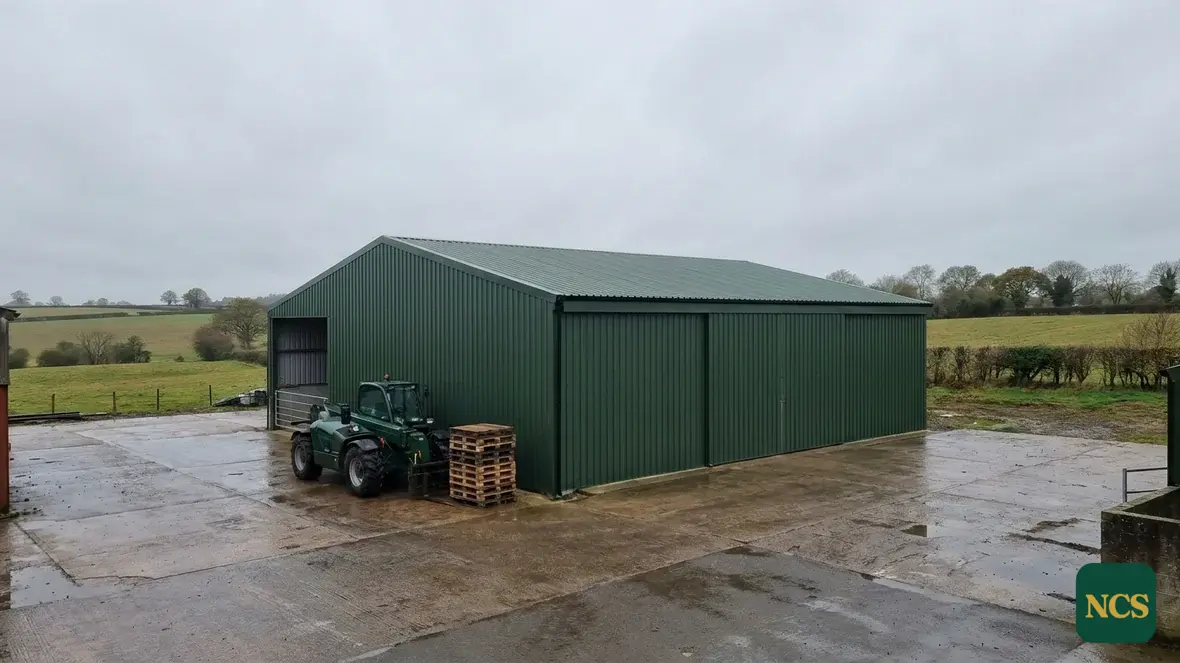
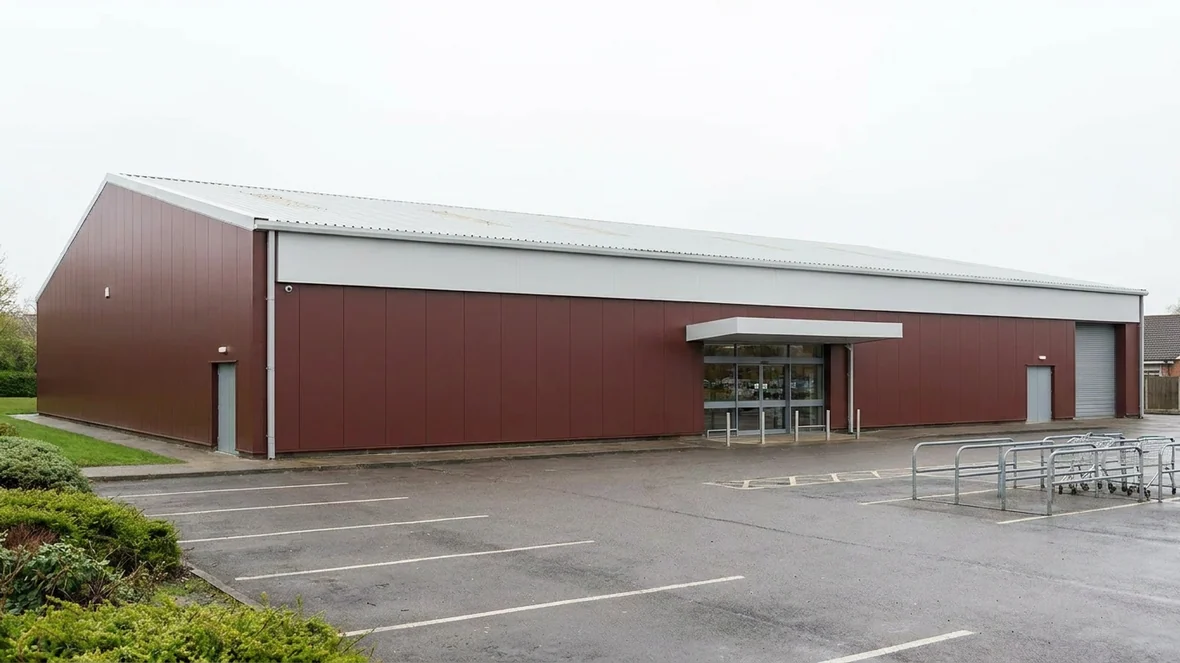
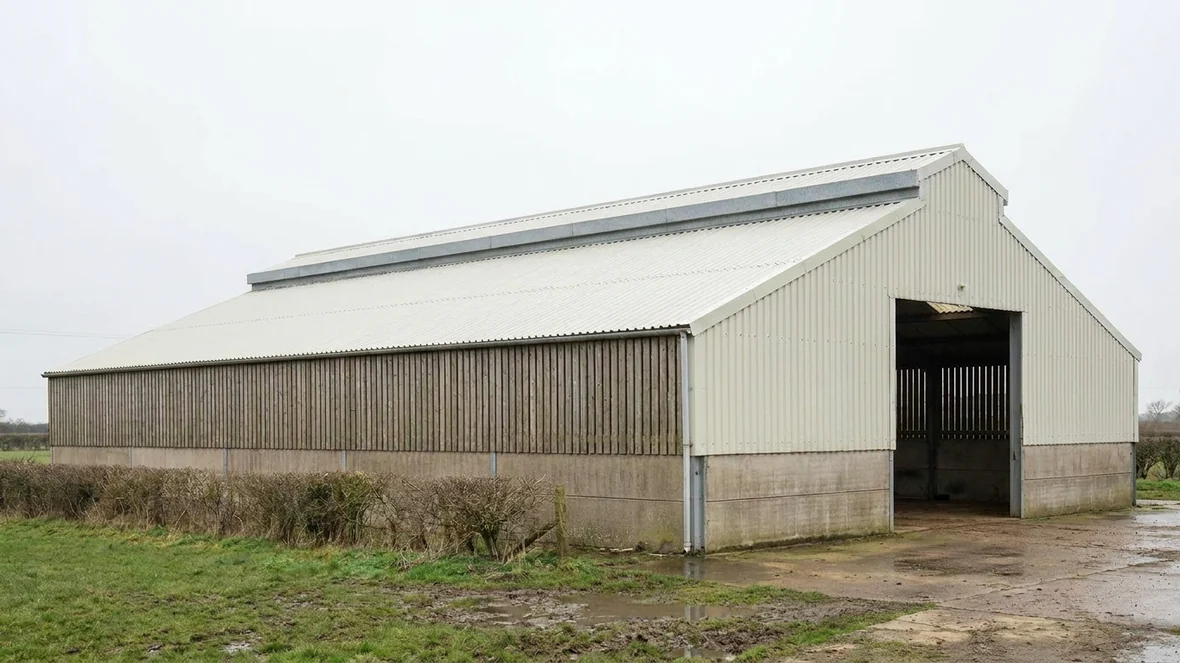
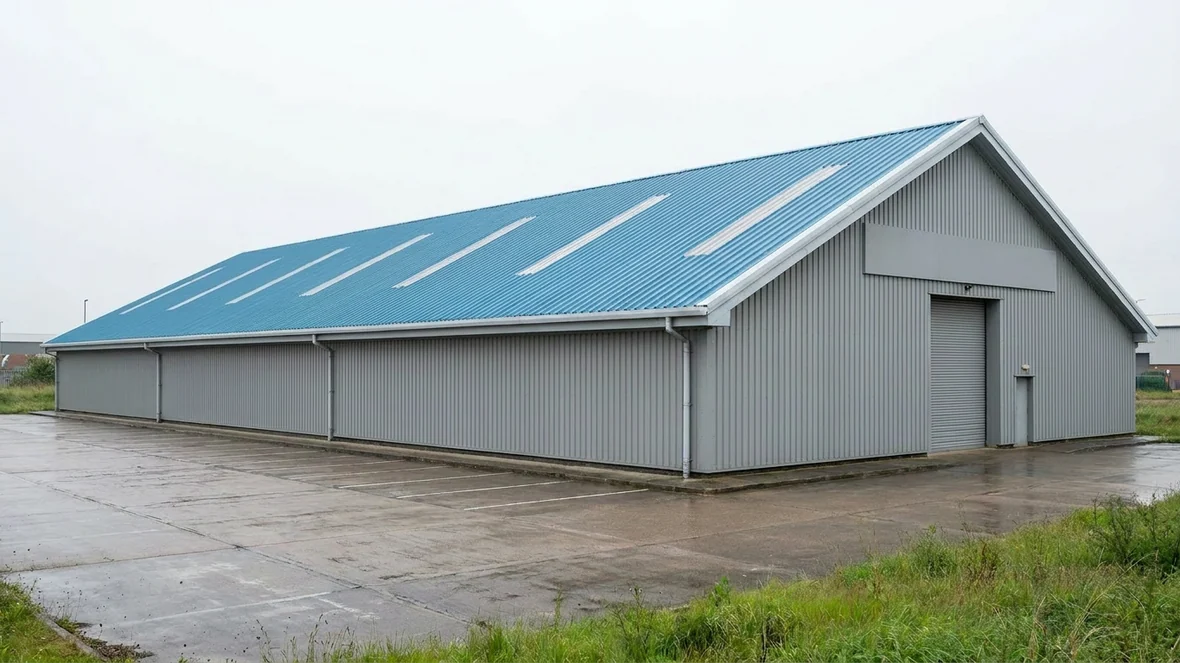
These are our own photographs from jobs of the same type. They are not stock images, and none of them is dressed up as something it is not. The caption tells you where each one was taken.
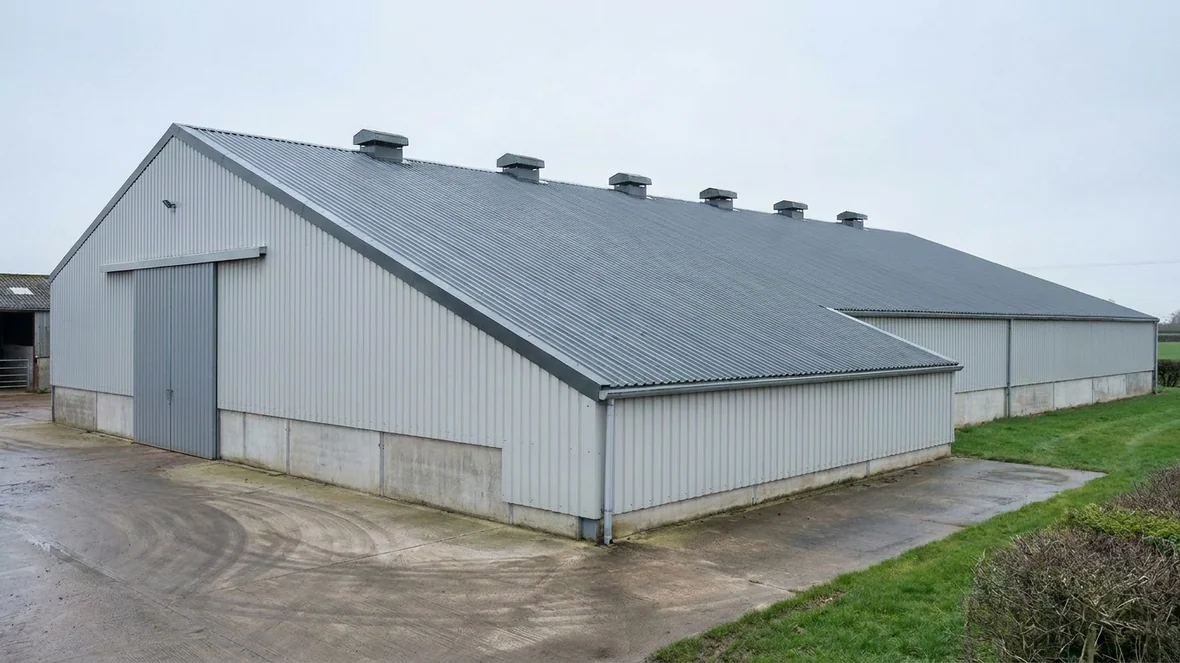
Common questions about asbestos roof encapsulation Norwich
Can an asbestos cement roof be coated without removing it?
Yes, provided the sheets are sufficiently sound and the roof remains suitable for encapsulation. We begin with a survey to assess surface condition, fixings, laps, previous repairs and signs of water ingress. Coating is not appropriate where the sheets are badly fractured, unstable or beyond practical repair.
Will encapsulation stop an asbestos roof from leaking?
It can resolve many leaks associated with porous sheets, tired fasteners, open laps and local defects. We identify and repair these details before applying the coating system. Encapsulation will not correct structural movement, failed rooflights or defects elsewhere in the building envelope unless those items are included in the work.
Does coating make asbestos cement safe?
Encapsulation binds and protects the exposed surface, reducing weathering and the potential for fibre release. It does not remove the asbestos from the building. The roof must remain recorded in the asbestos register and managed under the dutyholder’s asbestos management arrangements.
Can work continue inside the building during roof coating?
Often it can, but this depends on the roof condition, access arrangements and activities below. We plan the work around a task-specific risk assessment and method statement. Fragile roof controls, exclusion areas and protection for gutters, openings and occupied spaces may be required.
How long does asbestos roof encapsulation last?
Service life depends on the condition of the original roof, preparation standards, coating specification, exposure and subsequent maintenance. We do not judge suitability by age alone. A well-adhered coating over a stable substrate is materially different from coating applied to weak, damp or poorly prepared sheets.
Asbestos roof coating or replacement in Norwich?
Coating is generally the less disruptive option when the asbestos cement sheets remain stable and the principal problems are surface weathering, porosity, tired fixings or localised leakage. It retains the existing roof, avoids wholesale strip-off and can extend its useful service life without changing the main roof construction.
Replacement wins when the sheets are extensively cracked, badly deformed or too weak to provide a reliable substrate. It is also the better answer where the supporting structure requires major work, leaks are widespread and recurring, or the building needs a fundamentally different roof build-up for insulation, daylighting or future use.
A replacement project removes the asbestos cement rather than continuing to manage it in place. That can be a clear long-term advantage, particularly where redevelopment is planned. It also brings greater disruption, more complex removal and waste controls, and a higher demand on access and internal protection.
Encapsulation should not be chosen simply to postpone an unavoidable replacement. Equally, a serviceable asbestos cement roof does not need to be removed merely because asbestos is present. We compare substrate condition, repairability, operational constraints and the owner’s plans for the building before recommending either route.
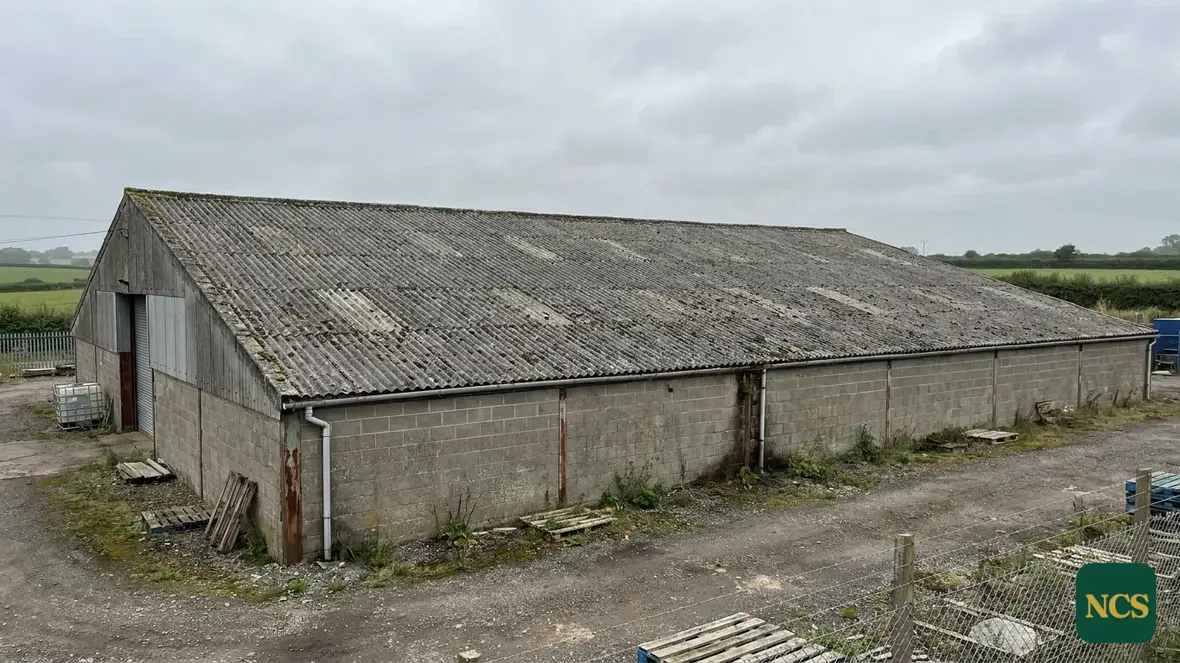
Preparation and detailing before an asbestos roof coating is applied
The quality of asbestos roof encapsulation Norwich building owners receive depends heavily on work that is no longer visible once coating is complete. We first map cracked sheets, open laps, loose or corroded fixings, failed sealants, damaged rooflights and suspect junctions. This separates defects that can be repaired from conditions that make coating unsuitable.
Surface preparation must remove dirt, organic growth and loose material without unnecessary abrasion or uncontrolled disturbance of the asbestos cement. We select the cleaning method through the risk assessment, contain residues and prevent contaminated washings or debris from entering the drainage system.
Repairs are completed before the main coating is applied. Particular attention is given to side laps, end laps, fastener heads, ridge details, eaves, penetrations and changes in roof plane. These are common routes for water entry and cannot be dealt with reliably by applying a heavier coat over them.
We also check that the roof is dry enough and that weather conditions suit the application. Coating over retained moisture, surface contamination or poorly cured repairs can compromise adhesion. Application is then controlled to achieve continuous coverage, with edges and awkward details checked rather than assumed to be complete.
Finally, we inspect the finished surface for missed areas, pinholes, incomplete detailing and accidental damage caused during access. Gutters and outlets are cleared, temporary protection is removed, and any items that still require monitoring are recorded for the building owner.