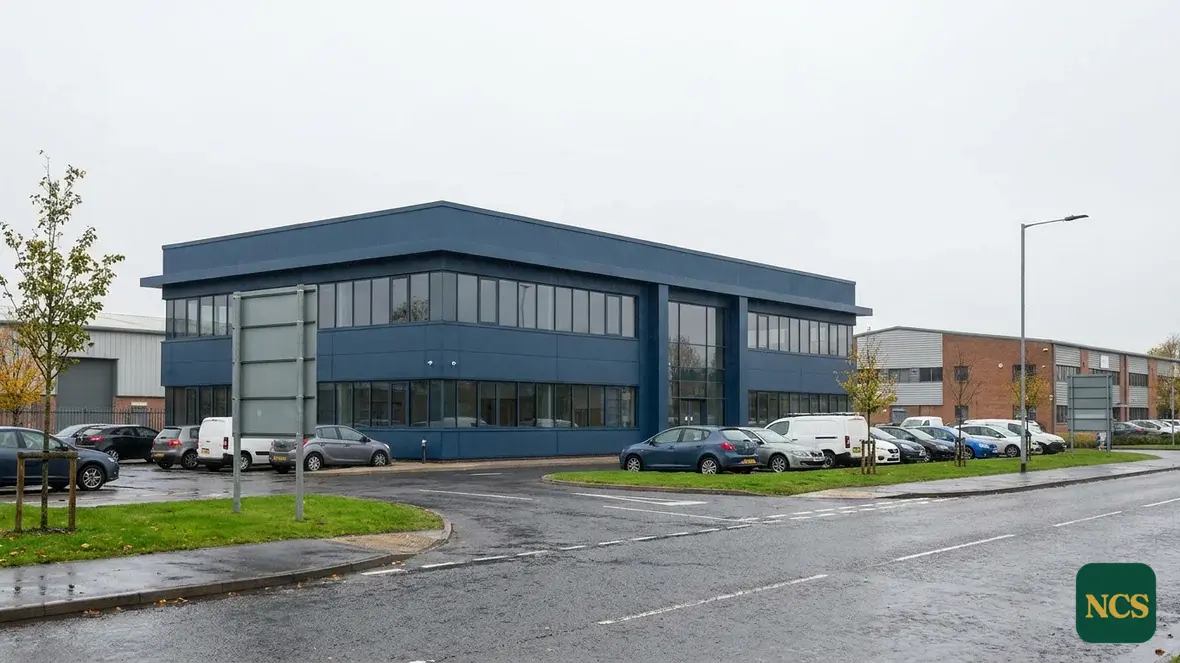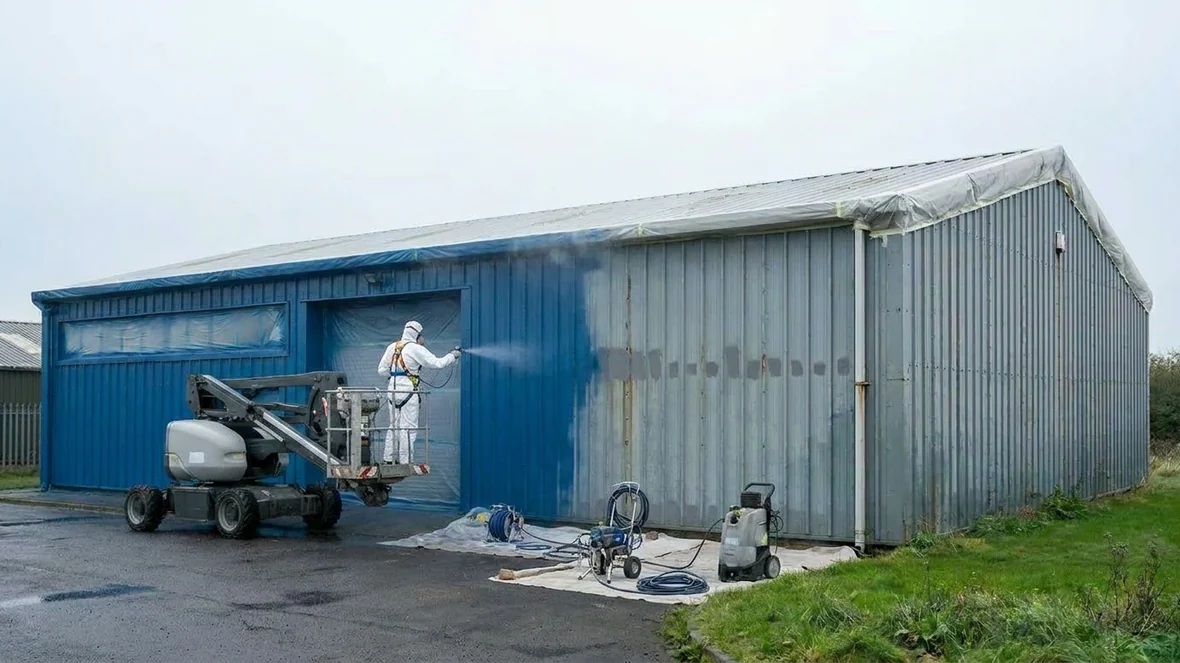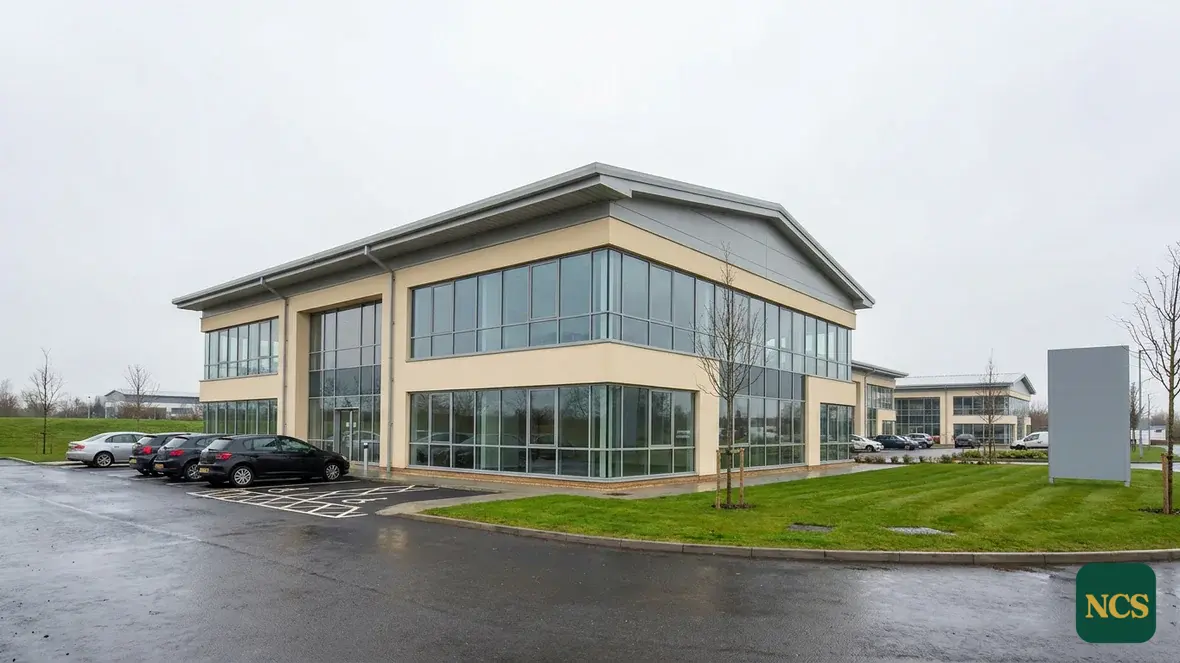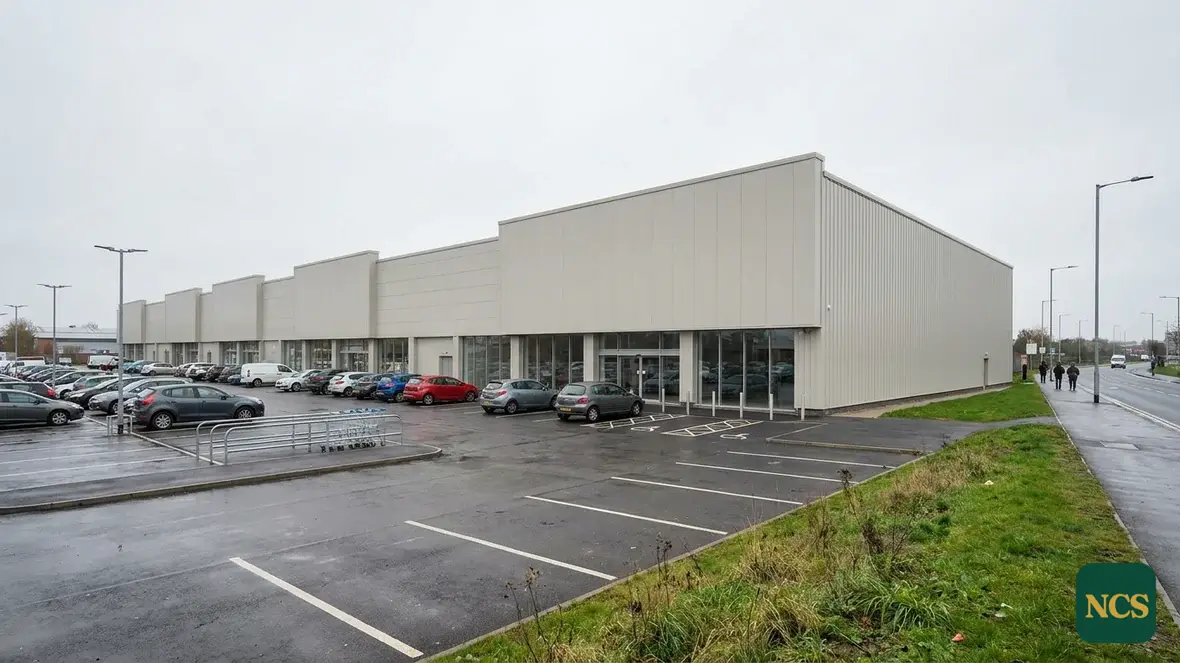
Wall coating for commercial premises in Norwich
Norwich sits further inland than its county’s coastline suggests, but the East Anglian weather still finds it. We see long damp winters here, wind-driven rain and enough seasonal movement to open hairline cracks in render. Commercial wall coating in Norwich is the practical response for building owners who are tired of repainting the same elevations every few years. Specified properly, a coating system closes up porous masonry, spans fine cracking and gives a shopfront, office or industrial unit one consistent finish instead of a patchwork of old repairs. Specified badly, over damp or poorly prepared walls, it peels within a couple of winters. The gap between those two outcomes is the survey. That’s why we don’t price a wall we haven’t inspected.
The surfaces Norfolk buildings put in front of us
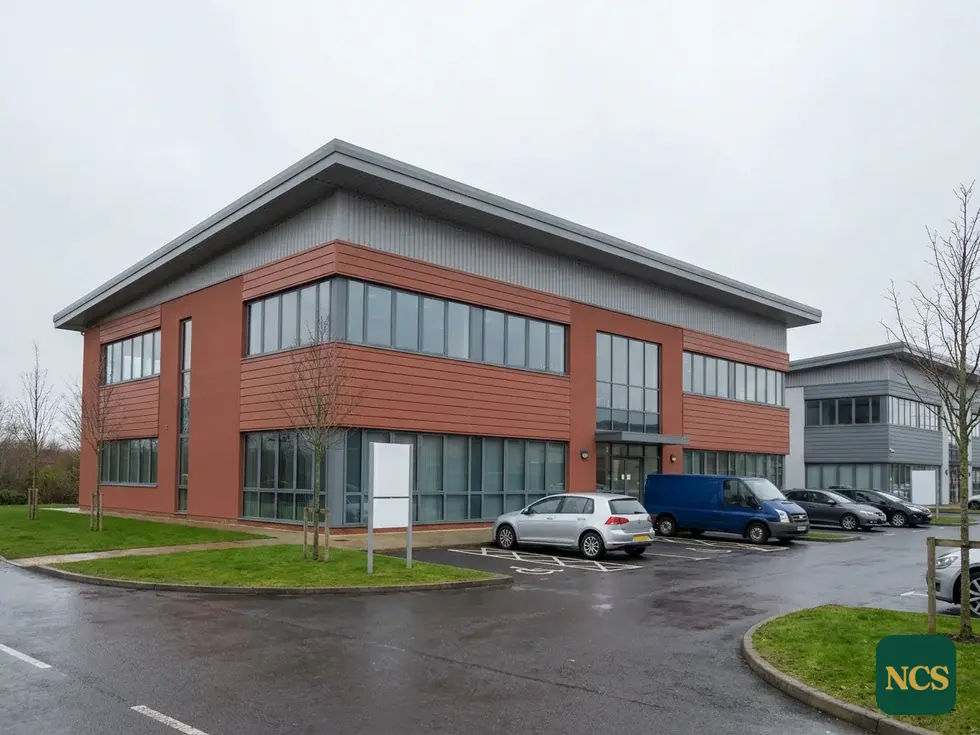
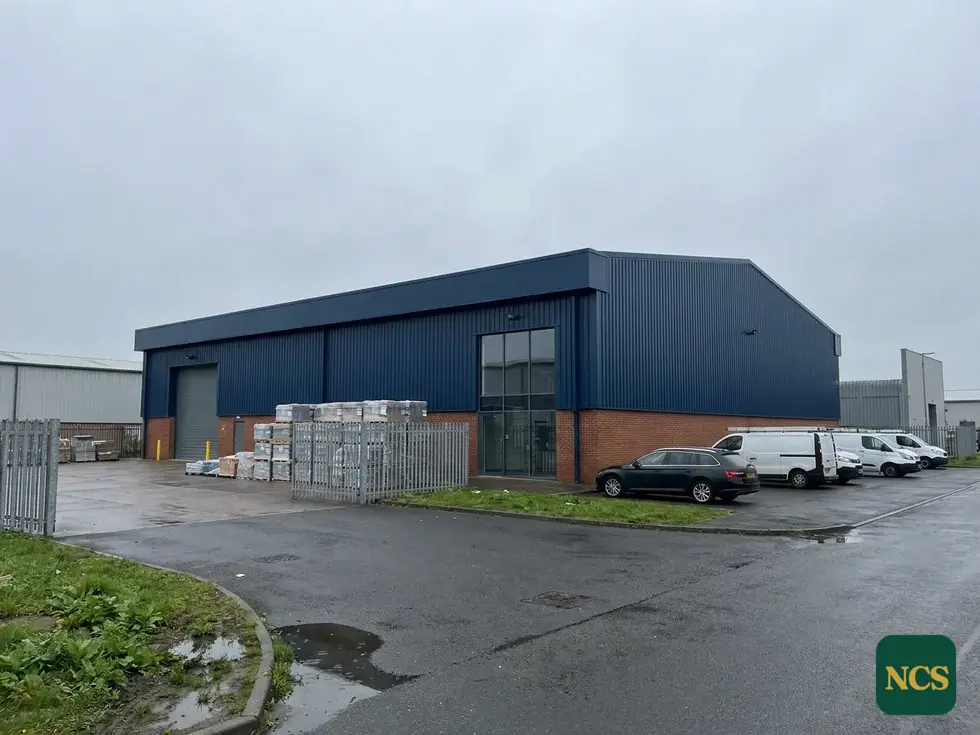
Norwich has one of the more varied commercial building stocks in the east of England: old trading streets with later brick frontages, Victorian and Edwardian shop parades, post-war rebuilding in brick and concrete, and modern business park units on the edges of the city. In practice, the walls that come up for coating tend to fall into a few recognisable groups:
- Painted brick frontages overcoated so many times that the old layers themselves are now failing
- Sand and cement render with crazing, hairline cracks and patch repairs that show through every repaint
- Pebbledash and roughcast holding dirt and algae on sheltered elevations
- Modern thin-coat render that has faded or chalked long before the system itself gave up
- Exposed gables and parapets taking the worst of the weather year after year
Each group needs a different preparation routine and, quite often, a different coating family altogether.
Owners in Norwich ask for painters, coating specialists or render contractors, and the same survey-led job answers all three.
Walls we will tell you not to coat
Some of the most useful advice a coating contractor can give is no. A wall that is damp because of a failed gutter, a leaking parapet or raised ground levels needs the defect fixed first. Coating over it locks moisture into the masonry. Older solid-wall buildings often need to breathe, and a non-permeable product on the wrong substrate does more harm than the weather ever did. Norwich also has extensive conservation coverage and a large number of listed buildings, where consent comes before specification. If our survey finds movement, saturation or a substrate that wants repointing rather than painting, that goes in the report, even when it means a smaller job for us.
Survey first, then specification, then price
Every project starts with a surveyor on site. They identify the substrate and any previous coatings, take moisture readings, record the repairs needed (cracked render, blown patches, failed mastic, open joints) and work out access and trading-hours constraints. From that you receive a written specification naming the preparation, the repairs and the coating system, and only then a price. The same approach covers commercial buildings across Norfolk, so premises in Great Yarmouth, Wymondham, Dereham and Thetford are surveyed to the same standard as a city-centre frontage in Norwich itself.
Why inspection beats estimation
A square-metre rate quoted from a photograph tells you what a contractor hopes the wall is like. A survey tells you what it is actually like. On commercial buildings, the space between those two is where projects go wrong: hidden damp, unstable old coatings, render that sounds hollow under a tap test. A survey-led contractor finds those issues before the scaffold goes up, prices them honestly and specifies a system with a reason behind every line. If you are comparing quotes, ask each contractor one question: have you stood in front of the wall? The answer usually predicts how the rest of the project will go.