Roof coating for commercial buildings in Norwich
East Anglia’s weather is harder on roofs than its mild reputation suggests. We’ve seen wind-driven rain off the North Sea, long UV exposure in one of England’s drier regions, and big swings between summer heat and winter frost all shorten the life of commercial roof coverings. Commercial roof coating in Norwich gives the owners of structurally sound buildings a way to reinstate weather protection without stripping the roof off. We approach every one of those decisions survey-first. We test before we recommend, and we recommend before we price.
Norfolk’s commercial roofscape
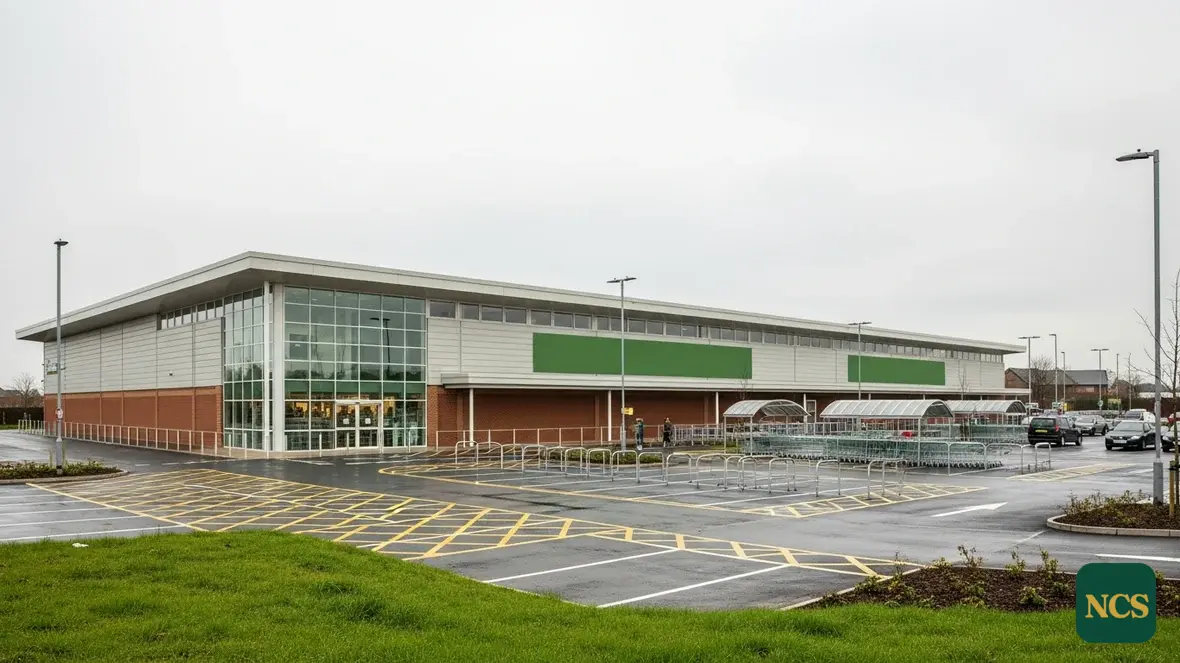
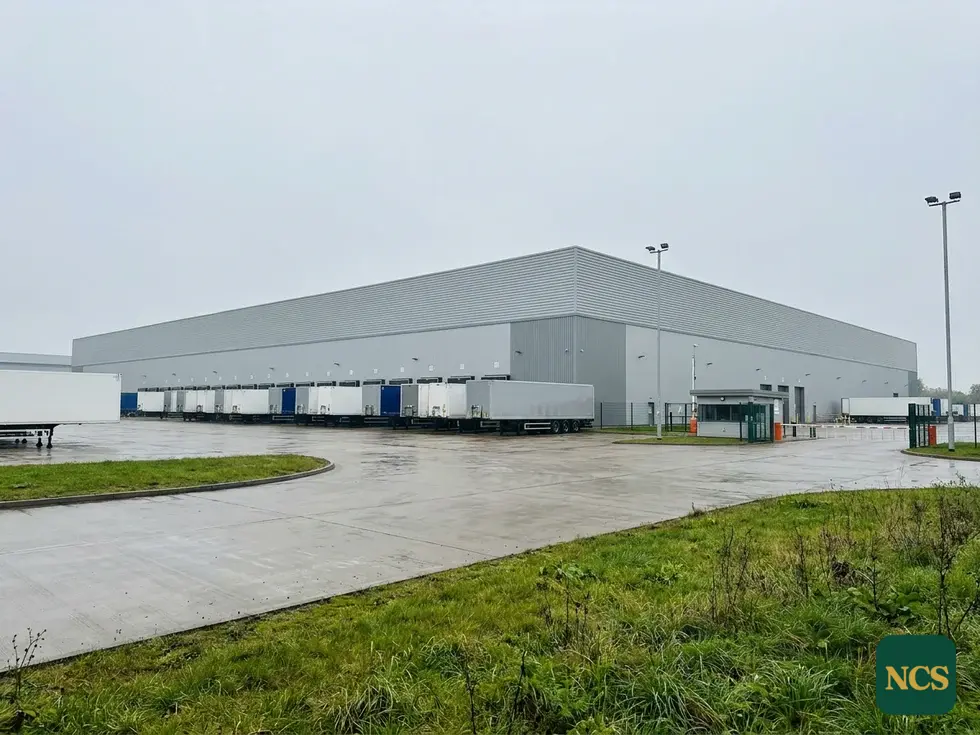
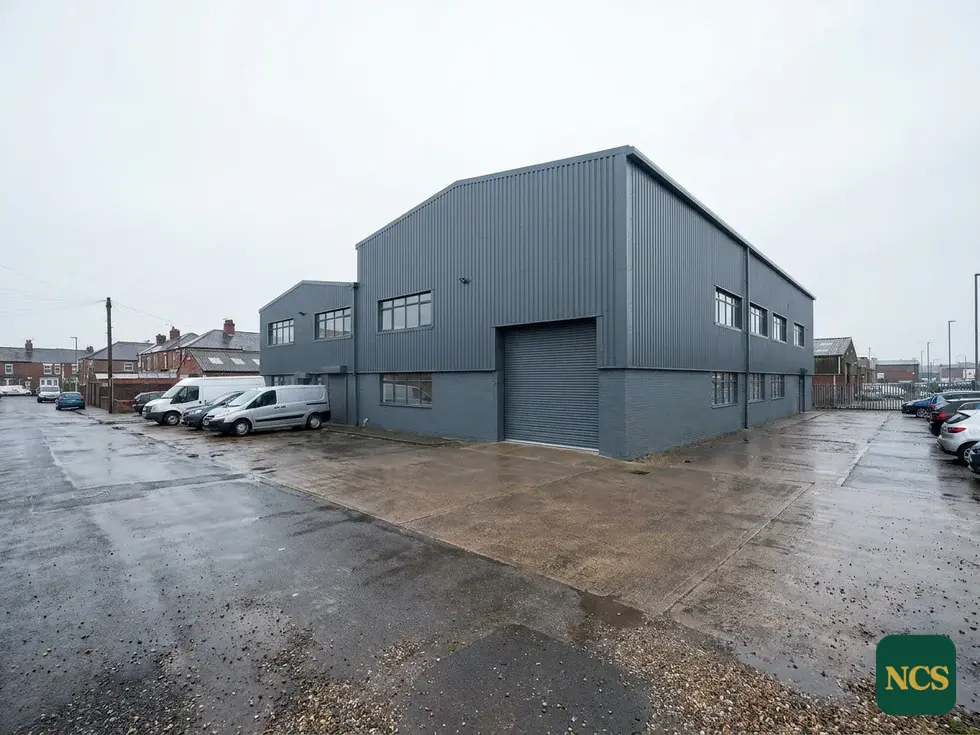
Norwich earns its living from a wide mix of buildings. There are industrial estates and trading parks on the edges of the city, distribution and food-sector units, retail warehouses, and older flat-roofed commercial premises closer to the centre. Across Norfolk more widely, agricultural supply and storage businesses add another layer of steel-framed sheds and workshops to the picture.
The substrates underneath that variety repeat themselves reliably. Profiled metal roofs develop cut-edge corrosion at the sheet ends and laps. Felt and asphalt flat roofs blister, craze and part company with their upstands. Asbestos cement sheets on older units grow porous, stained and moss-covered with age. Gutters and rooflights deserve a mention of their own. On many buildings they age faster than the roof around them, and any sensible specification deals with them at the same time. All three substrates can often be coated. Whether yours should be is what the survey is there to establish.
Commercial roof painting around Norwich is weather-window work, and we plan the programme around the building staying in use.
When we tell you not to coat
A coating seals whatever sits underneath it, for better or worse. If the insulation below a flat roof is already wet, coating over it locks the moisture in. The deterioration carries on out of sight. If decking has rotted, fixings have rusted through, or asbestos cement has turned brittle and fragile, coating is the wrong tool. We will say so. Sometimes the honest arithmetic simply favours replacement. There is no version of this trade worth doing in which we hide that from you. You get our findings in writing either way, and they are yours to use with any contractor you choose.
From enquiry to finished roof
The process starts with a phone call or email about the building. We then arrange a survey visit. We walk the roof where safe access allows, taking moisture readings, checking laps, fixings, gutters, rooflights and flashings, and photographing everything relevant. We survey across Norfolk, including Great Yarmouth, Wymondham, Dereham and Thetford. The survey produces:
- A written condition report with photographs of each defect
- A clear statement of whether the roof is suitable for coating
- The preparation and repair work the substrate needs first
- The coating system we would specify and the reasons why
- An honest alternative if coating is not the right route
Only after that does a price appear. If you accept it, preparation comes before product. We clean, treat corrosion, repair defects and seal laps. The best system on the market only performs if the surface beneath it is ready to receive it.
Why survey-first matters in practice
Any contractor can quote for a Norwich roof from a satellite image. The quote will look precise and mean almost nothing. The things that decide whether a coating lasts, moisture content, fixing condition and substrate adhesion, are invisible from above. Survey-led contracting puts the inspection before the sales conversation, every time. It asks a little more patience of you at the start and saves a great deal of money at the end. The buildings that should never be coated get filtered out before anyone spends anything on them.
That is the whole discipline in one sentence. Find out what the roof needs, then do that, and nothing else.