Cladding spraying in Norwich and across Norfolk
Most commercial buildings in Norwich face a straight choice when their cladding starts to look tired: recoat the panels or pay a fortune to rip them all off and start again. If the steel or composite sheet is still sound, we can spray a new finish on site. It brings back the colour, makes it weatherproof again and costs a fraction of what recladding would. Best of all, your building stays open while we work.
That word “sound” is key. We can only tell if a facade is a good candidate for spraying by getting up close and having a proper look. That’s why we always start with a survey, not a sales pitch.
Ask any cladding sprayer in Norwich what happens before the coating goes on and judge them on the answer. Preparation is the job.
What Norfolk’s commercial buildings typically need
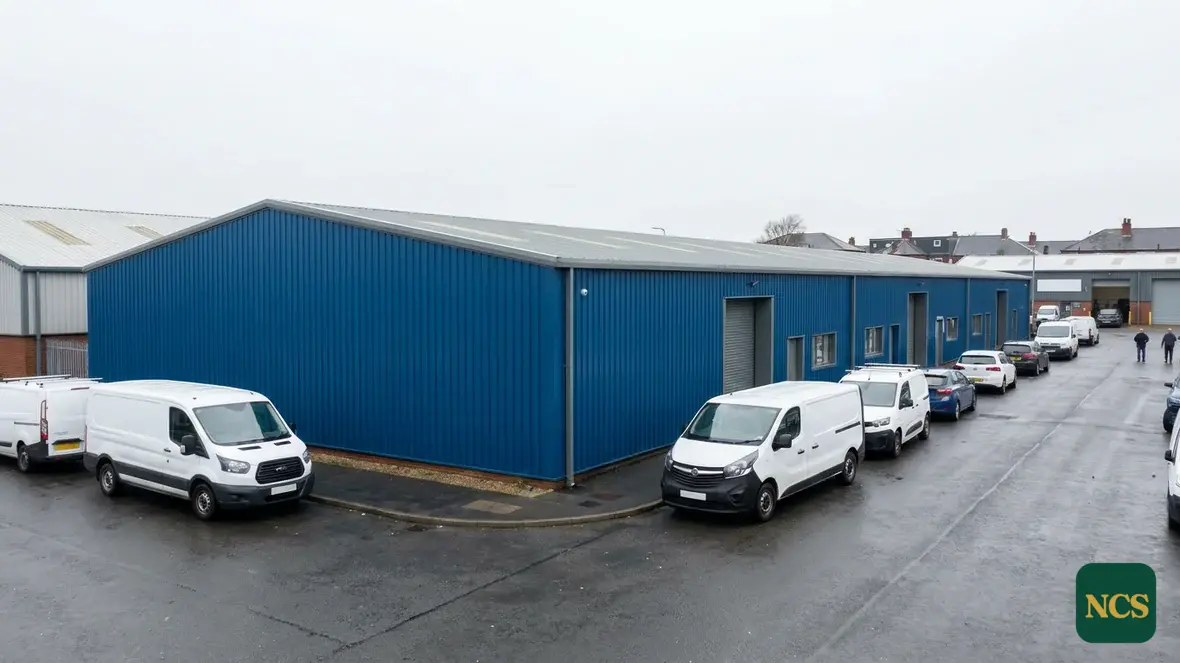
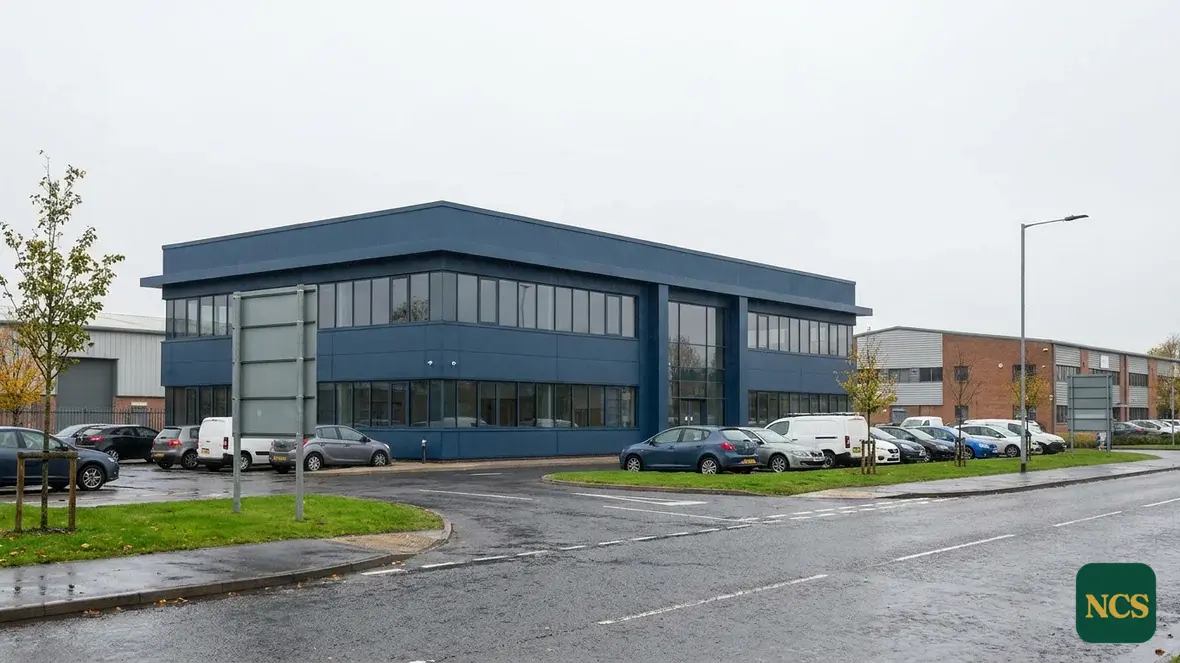
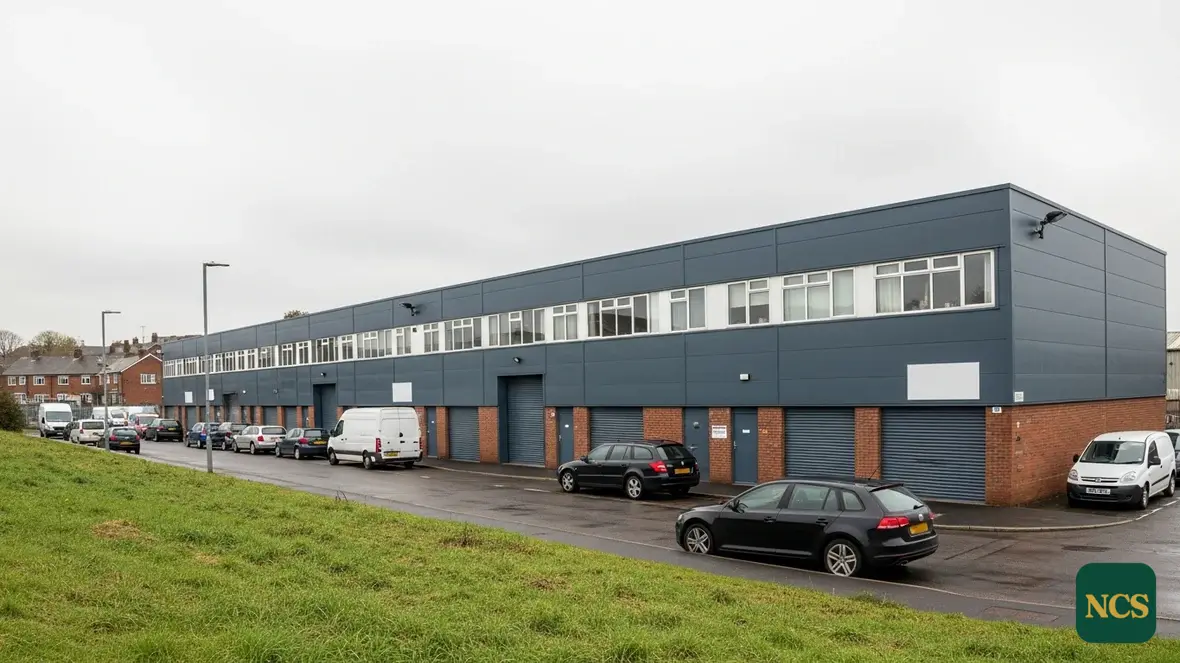
The buildings around Norwich are more varied than you might think. We see everything from business parks on the edge of the city to trade counters and warehouses along the ring road, food production units and agricultural engineering sheds dotted across the county, and the usual retail boxes on the main roads. A lot of it is profiled steel that’s been working hard for decades on its original factory finish.
Norfolk’s open landscape plays a big part too. Sites that are exposed to the east take a real hammering from the weather, and any elevation facing the prevailing wind will chalk and fade faster than the more sheltered sides of the same building. Our survey maps out those differences panel by panel. That way, the preparation work, and the budget, reflect the building as it actually is, not just some average.
We also find that spraying is how many Norfolk owners handle a rebrand. Because the new finish comes in any colour you choose, not just the one the sheet left the factory with, a recoat can double as a complete image change. One programme of work can transform a unit from a faded eighties brown to a smart, modern corporate scheme, with trims and flashings picked out separately if you want them.
Not every panel should be coated
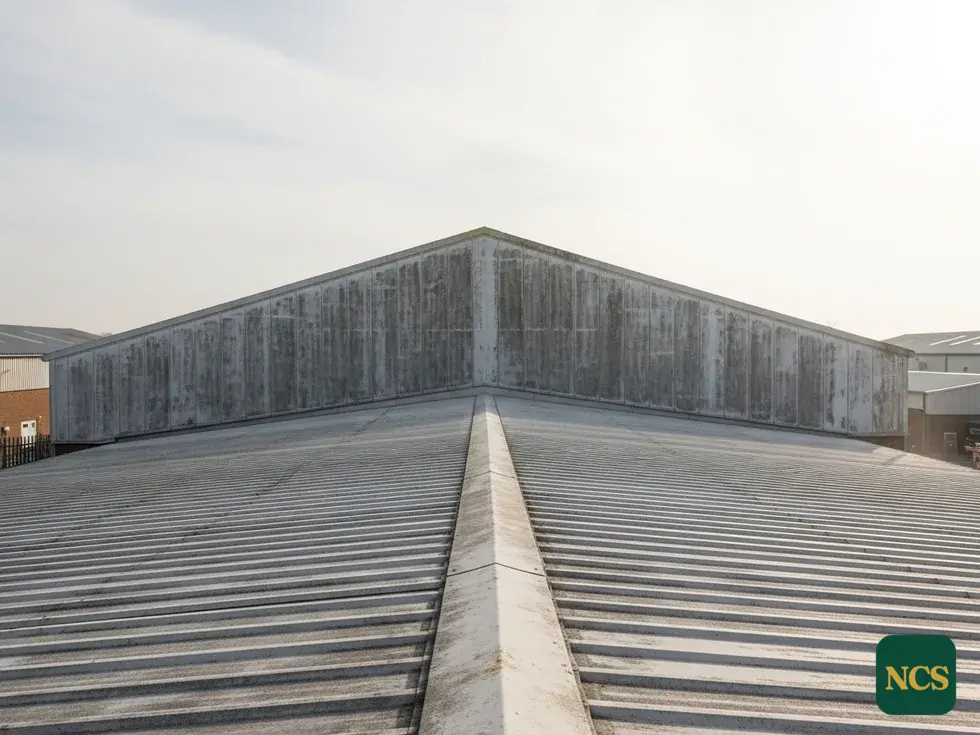
An honest contractor will turn work away, and we do. If corrosion has eaten right through the sheets, if composite panels are delaminating, or if a building has failed fixings or waterlogged insulation, none of those are spraying jobs. It doesn’t matter what a price-per-metre calculator suggests. Coating over a failing substrate might look good for a photo, but the finish won’t last. We’re not in that business.
If our survey finds problems like that, we’ll put it all in writing and recommend the repair or replacement work that needs doing first. Sometimes that means a smaller coating job than you expected. Sometimes it means no coating at all. Either way, it’s better than a finish that falls apart after a couple of winters.
The process, stage by stage
For buildings that pass inspection, the work always follows the same sequence:
- Close-range survey with photographs and adhesion checks.
- A written specification covering preparation, any repairs needed, and the coating system we’ll use.
- Cleaning, corrosion treatment and cut-edge work. This all happens before any colour goes on.
- Masking off glazing, signage, hardstandings and any neighbouring surfaces.
- Controlled spray application, then a thorough elevation-by-elevation check at handover.
That sequence works just as well beyond the city. Great Yarmouth, Wymondham, Dereham and Thetford are all within the area we cover from the same starting point, and the rest of Norfolk too.
Choosing survey-led over quote-by-photo
Spray equipment is easy to buy. Good judgement isn’t. The contractors who cause problems in this trade are rarely bad sprayers. They’re bad surveyors. They price buildings they’ve never actually touched, only to discover serious corrosion once the access equipment is in place. That’s when the variation invoice writes itself.
Leading with the survey reverses all that. You find out the true condition of your cladding, exactly what it needs, and what the work involves before you commit to anything. Even if you decide not to go ahead with the work, you still end up with a written record of your facade’s condition, which is useful information for any owner. If you own or manage clad commercial property in Norwich and the elevations are looking a bit tired, that inspection is the smart first step.
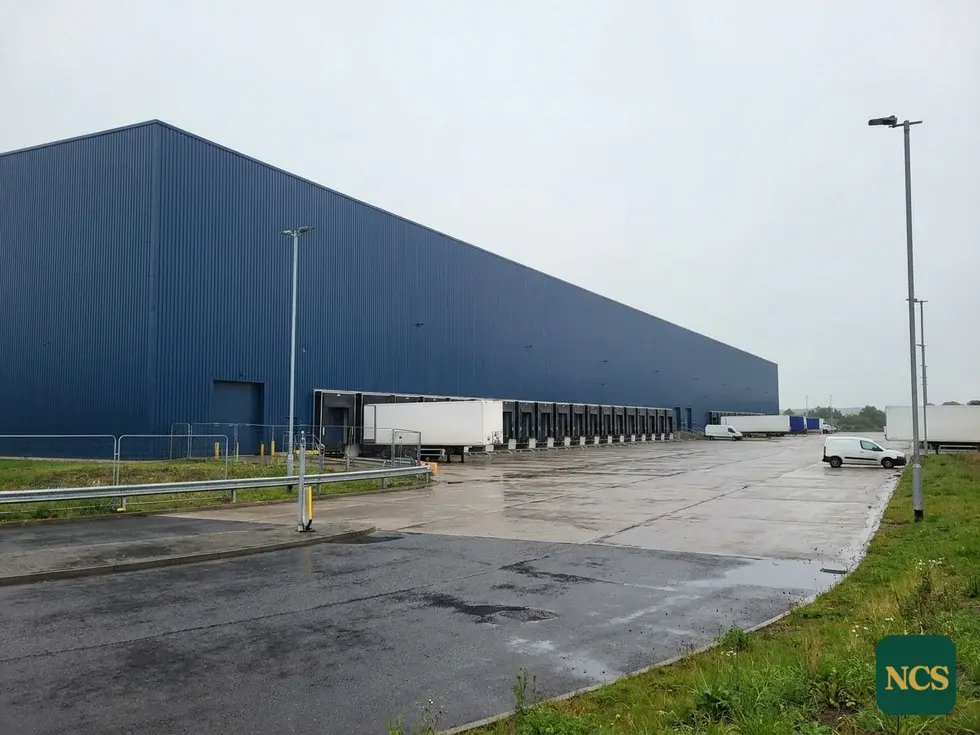
Recent project near Norwich
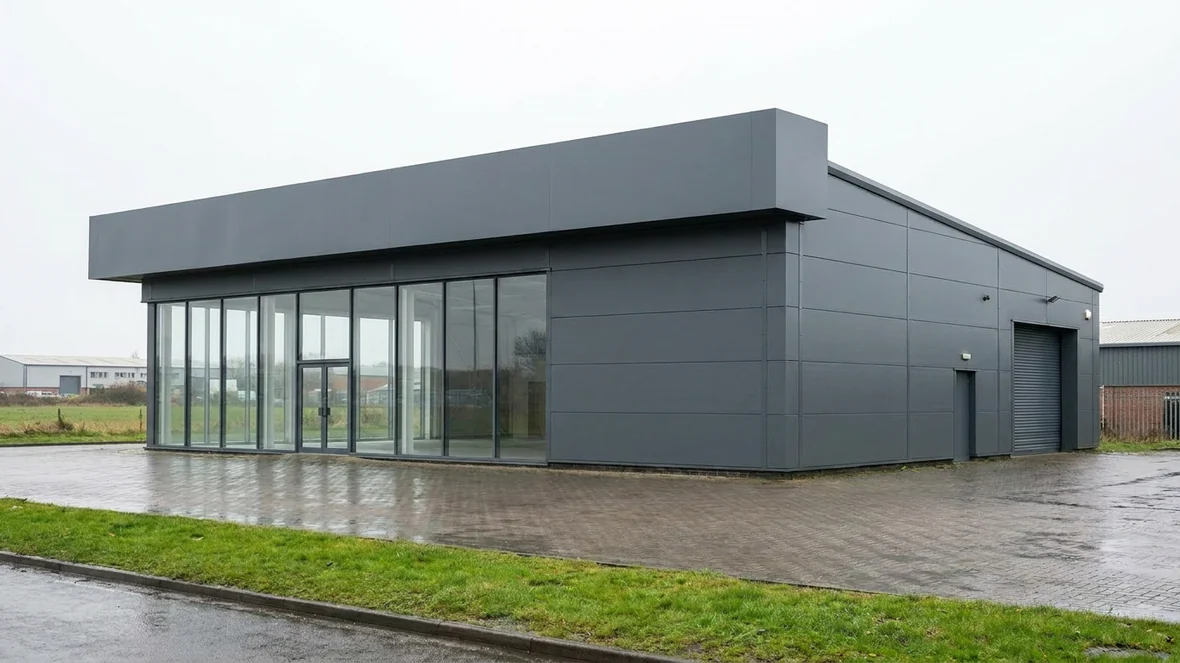
Chalked showroom panels sprayed anthracite grey and the failing box gutter relined in one access programme near Norwich. Read the full case study.