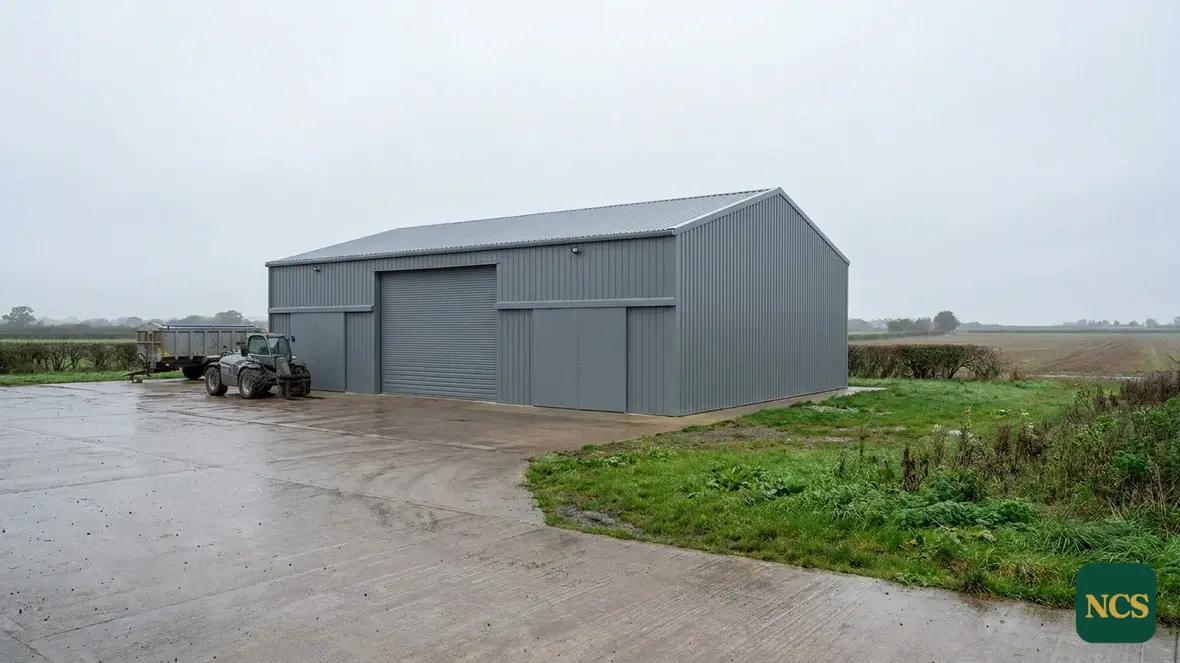
Farm building coatings around Durham
Farming in County Durham splits between the lowland mixed holdings near the coast and the harder upland livestock country to the west, and the farm buildings reflect both. We survey mostly cattle and sheep housing, silage and feed stores, machinery sheds and older general-purpose barns, with arable storage on the better lowland ground. National Coating Specialists covers the UK from the South-East and we always work survey-first. An agricultural building coating job around Durham is planned as one efficient block: a thorough inspection, a clear written report, then a concentrated programme on dates that suit the stock and the season.
Upland weather and ageing roofs
The buildings on the higher ground around Durham take a hard climate. More rain, more wind and more exposure than the lowland farms, and it shows on the roofs. Coated steel over a livestock building faces weathering from outside and a humid, aggressive atmosphere from the stock below. The cut edges, laps and fixings corrode first. Many older sheds still wear asbestos-cement or fibre-cement roofs, which weather to a porous, moss-grown surface that holds the frequent rain and grows brittle. The frames are usually sound. It is the envelope that lets go, and the survey works out by how much before anything else is decided.
Most roofs we survey around Durham fall into two camps. Coated steel fails at the details: laps open, fixings weep rust, and the exposed faces chalk and fade while the sheet itself is still serviceable. Asbestos and fibre-cement weather to a soft, water-holding surface. Where those cement sheets are intact, a cleaning and encapsulation system seals the surface, stops fibre release from it and extends the roof’s life without the heavy cost of stripping and licensed disposal. Where they are cracked, holed or soft, that is a removal job for a licensed contractor rather than a coating job. The survey tells you plainly which case your roof is in.
Painting a livestock shed around Durham means working around the animals, the washdown regime and the ventilation, and the plan respects all three.
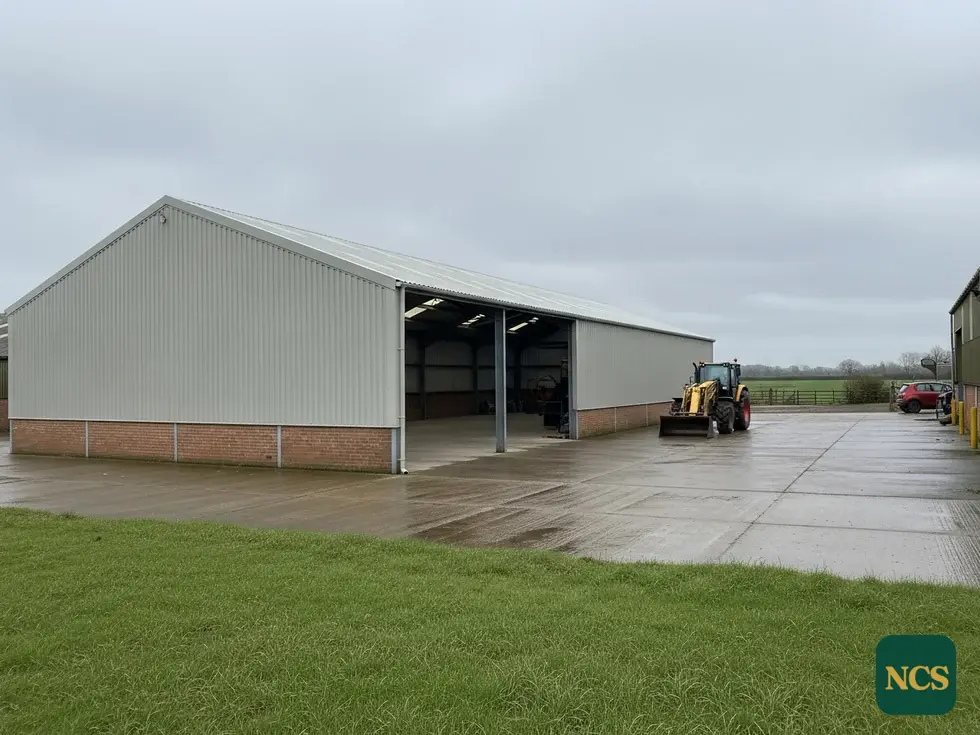
Planning around the livestock year
Upland stock buildings rarely stand empty in the way an arable store does. So timing around Durham is about working with the herd and the flock, not waiting for a clear floor. The practical window is the grazing season, when cattle and sheep are out and the housing can be worked safely with the stock away. Silage and feed stores fit around the same period. The exposed upland weather also narrows the window further, because coatings need dry, settled conditions to cure, and the high ground does not always provide them. We talk through stock movements and ventilation before fixing a date, plan backwards from when the animals come back in, and confirm the programme in writing.
The survey behind the price
We do not quote a roof from a satellite image. Each slope is inspected from proper access. We record the condition of sheets, cut edges, fixings, rooflights and gutters, then check inside for the staining and corrosion that mark out leaks and condensation. On the upland farms around Durham we weigh access and ground carefully, since steep tracks and soft yards decide what plant can safely reach a building. You receive photographs and a written recommendation you can challenge, and where a holding has several buildings in different states, each gets its own verdict rather than a blended figure.

The honest verdict
Coating is not the right answer for every roof, and we will not pretend otherwise. A roof with a few failed sheets needs repair, and we will say so even though it earns us less. A roof with broad surface failure on sound sheets is the proper case for coating, and there are plenty of those on the farms around Durham. A roof that is holed, soft underfoot or failing at the frame needs replacing, and a coating would only postpone that cost while adding ours on top. The verdict, the photographs and the reasoning come to you, and the decision is always yours.
We carry out agricultural building coatings work in and around Durham. For the full survey-led service and how we assess each building, see our Agricultural Building Coatings service, or request a free site survey.