Commercial wall coating in Durham
Winters here in the North East really test masonry. Repeated freeze-thaw cycles let water into a wall through tired render, open joints or cracked paint. That water then freezes, expands and breaks the surface a little further each time. Commercial wall coating in Durham is about stopping that water getting in, and it only works if we understand the wall properly first. We’re a survey-led contractor, so every enquiry in the city starts with an inspection and ends with a written specification. We don’t talk products until we’ve seen the evidence.
What we check before we specify anything
The survey is the most valuable part of the job. We make it thorough on purpose:
- The type and condition of the substrate: is it stone, brick, blockwork or render?
- Moisture readings across the elevations that are causing trouble.
- Frost damage: spalled brick faces, blown render, pointing that’s failed.
- The details that let water in: copings, parapets, sills, the rainwater goods.
- How well any existing coatings are stuck on, and what’s causing any staining or damp.
We’ll give you those findings in writing. Repairs and preparation are priced separately from the coating system itself. That way, the quotation stands up to scrutiny from your board, a freeholder, or even a competing bid.
If the Durham job is honest repainting on a sound wall, that is what we quote. If the wall needs work first, the report says so plainly.
Durham’s buildings, in honest general terms
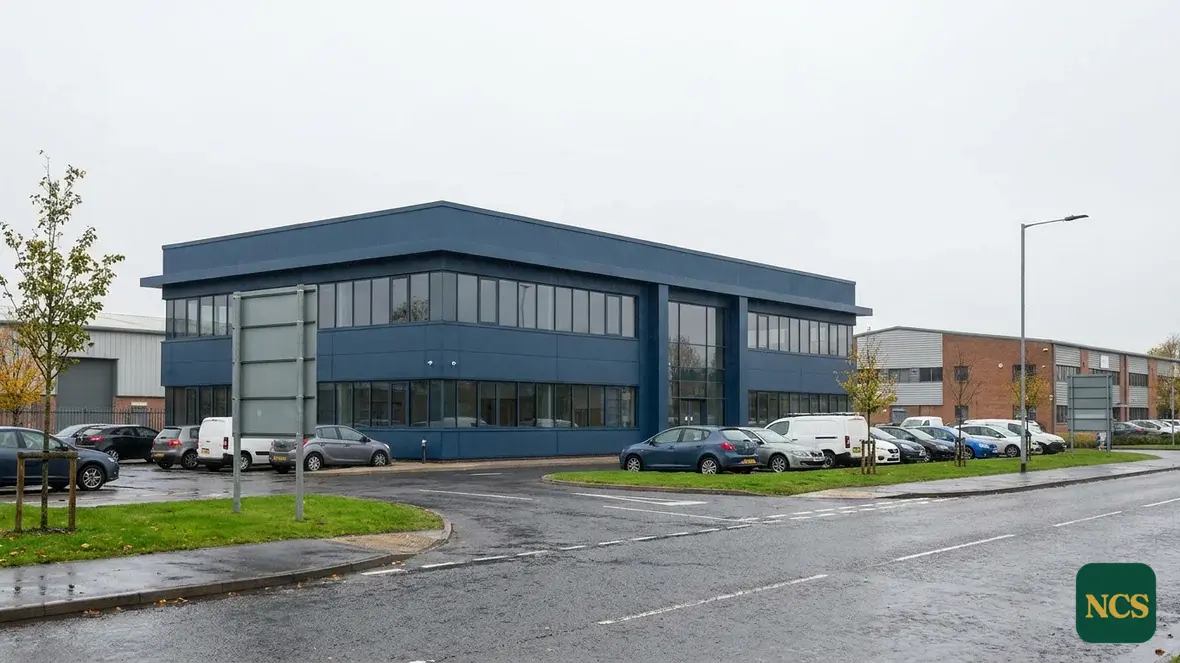
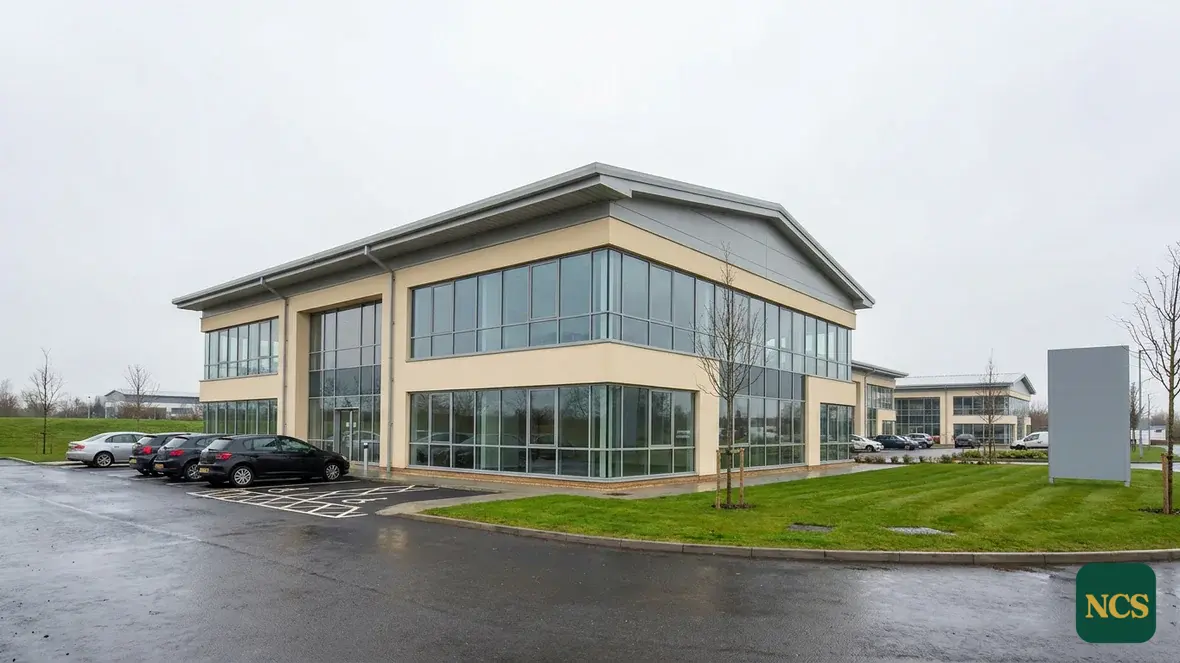
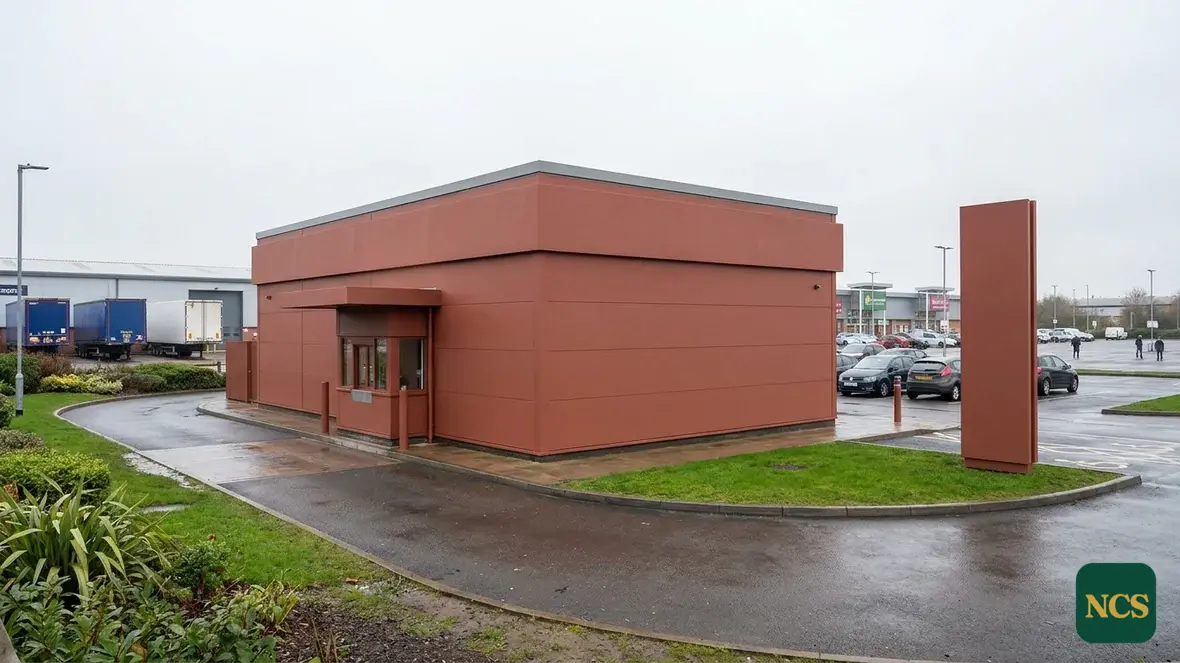
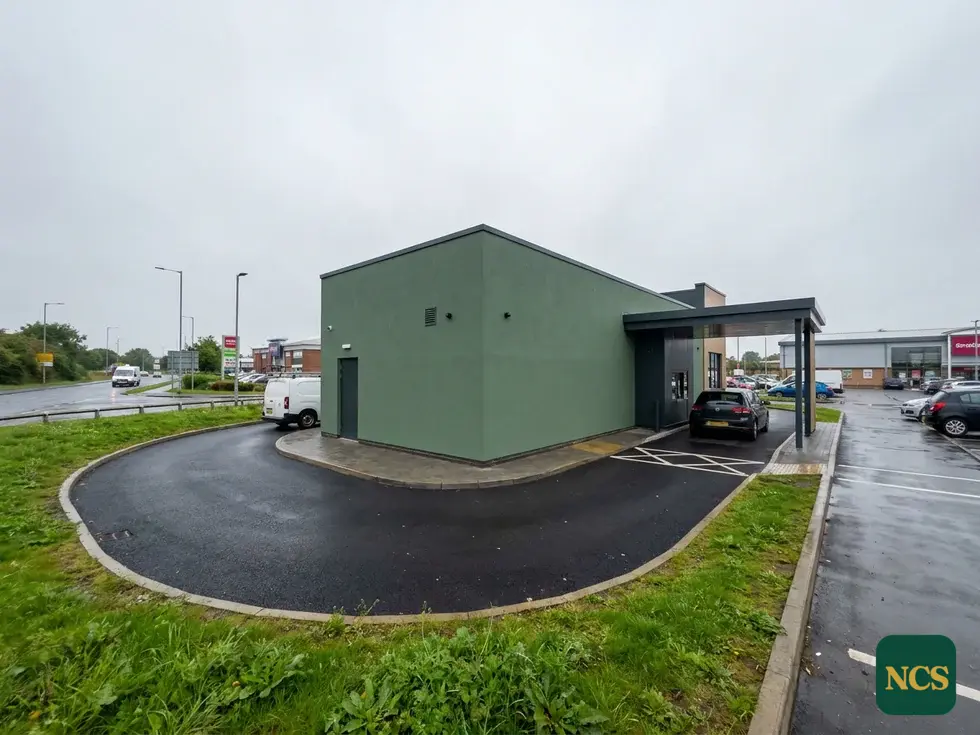
The city and wider county have a real mix. Durham’s historic core has commercial stone and older brick buildings. Here, a breathable approach is often best, or sometimes no coating at all. Listed status can rule out modern film-forming systems completely. Outside the centre, County Durham’s commercial buildings are often Victorian brick in the old colliery towns, post-war rendered offices and parades, and steel-framed units with masonry on the business parks. We’re deliberately describing this in general terms. The point isn’t that we’ve coated any particular building here, but that this variety demands a building-by-building assessment, not a standard sales pitch.
How a project runs, and where we cover
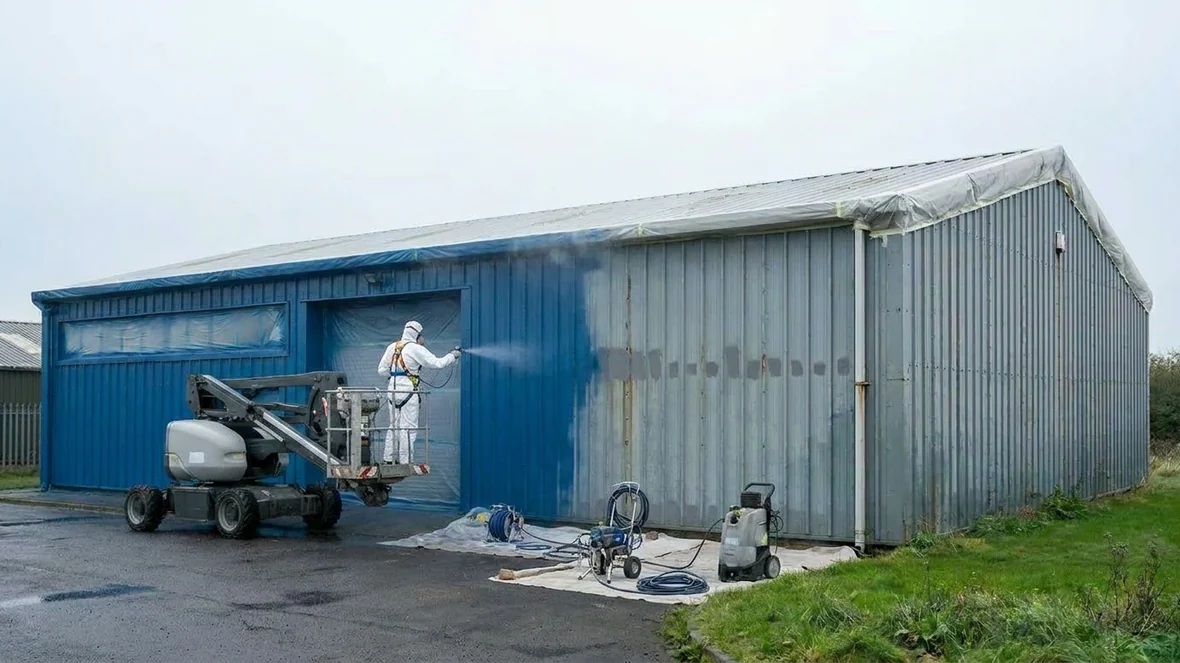
Once you’ve agreed the survey, the sequence is fixed. First, we do the cause-fixing repairs, because coating over an active defect is a waste of money. Second, the preparation, because no system performs better than the surface underneath it. Last, the application, in weather windows that suit the product. In the North East, that means planning honestly around the seasons. Our surveys cover County Durham and the surrounding area. Commercial buildings in Chester-le-Street, Sunderland, Darlington and Newcastle upon Tyne get assessed on the same terms as those in Durham itself.
The cases where we say no
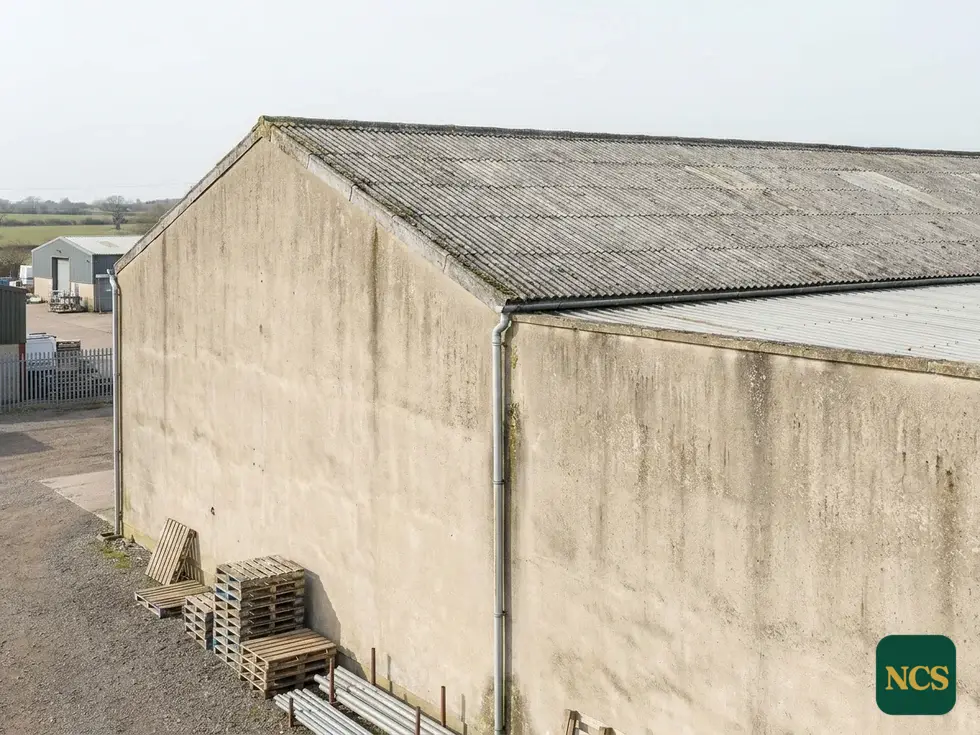
Coating isn’t a cure-all. Pretending it is ruins walls. Structural cracking needs an investigation, not decoration. Damp from defective gutters or ground bridging needs fixing at source before any coating makes sense. Hollow render must be removed, not sealed over. Stone elevations on older Durham buildings often need to breathe. A sealed film on the wrong substrate will trap moisture exactly where freeze-thaw can do the most damage. When a survey points to any of those conclusions, the report says so plainly. That willingness to put “no” in writing is, in the end, the best reason to choose a survey-led contractor over one who quotes from the pavement.