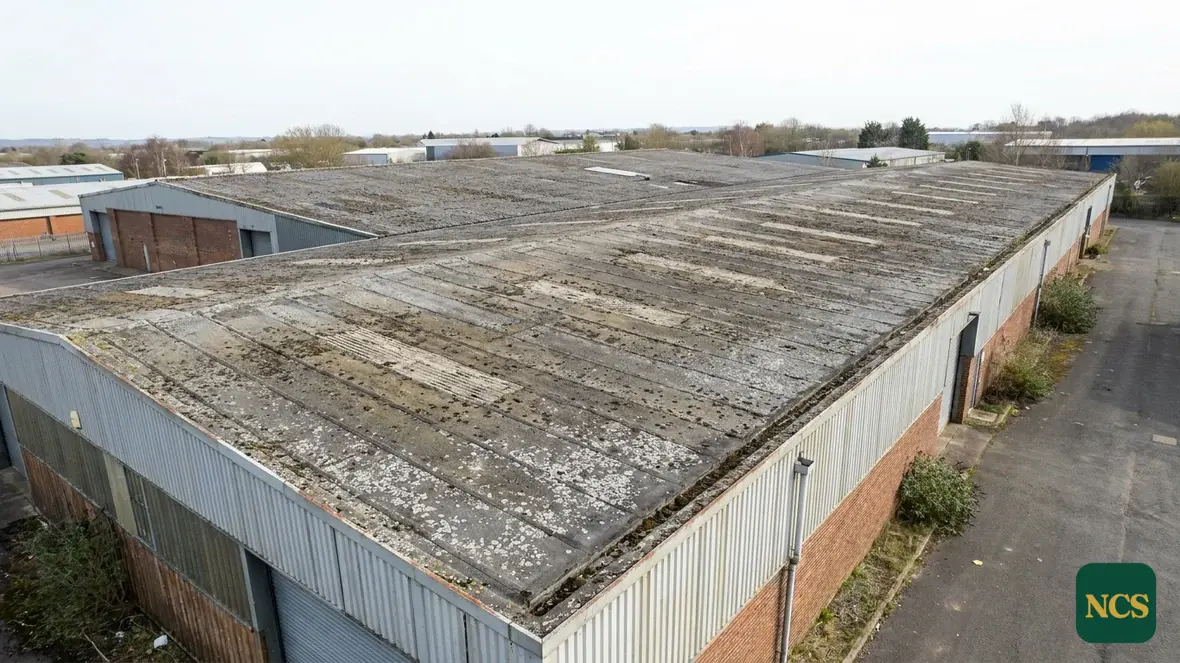
Commercial roof coating in Durham
Up here in the north-east, the weather comes with no apologies. We see it push in from the Pennines and across the coast, hitting commercial roofs across County Durham hard. It’s the laps, fixings, flashings and sheet ends that take the beating first, always. That’s exactly what commercial roof coating in Durham is for. If the roof structure is sound, we build up a liquid-applied membrane over a prepared surface. It cures into one continuous layer, sealing the whole roof, details and all. Costs a fraction of replacement, too.
It’s solid, proven work, but only if the roof is right for it. Our job is to figure that out. That’s why we always survey before we price. Every single time.
What sits above County Durham’s businesses
Walk around the county and you’ll see its industrial past written on the roofs. Business parks and the old colliery estates are full of steel portal-frame units, with profiled metal roofs ranging from brand new to the originals. You’ll find plenty of older sheds and workshops still running under fibre cement. In Durham city itself, offices and mixed-use buildings often hide flat felt or asphalt behind their older frontages. Then there are the public sector and education buildings, adding concrete decks and single-ply membranes to the mix.
Every one of those substrates fails its own way, and every one needs its own prep. What fixes a corroding steel roof won’t work on porous fibre cement. And neither belongs on a blistered felt flat roof. We always diagnose first.
Some Durham owners ask for a roof respray, others for roof painting or coating. The survey, not the wording, decides the right system.
A straight answer before a specification
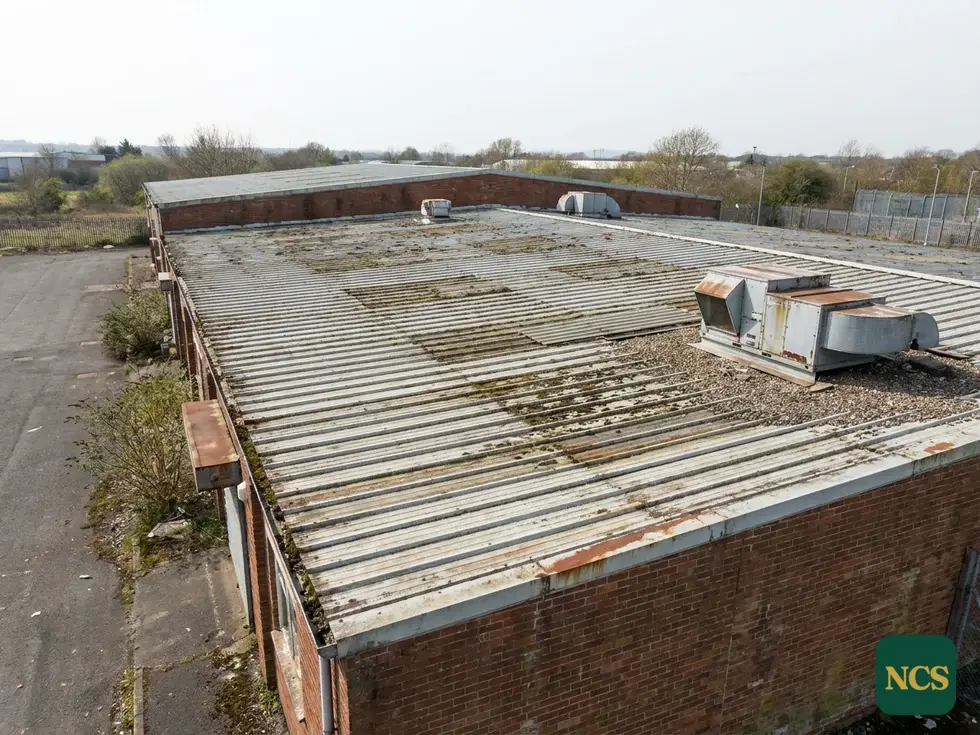
Look, not every roof should be coated. Saying that early is just part of the job. We’ll tell you not to coat if the insulation is soaked, if the deck or sheet body is rotted through, if fixings have failed all over the place, or if the ponding is a structural issue, not just a blocked drain. Old, brittle fibre cement can also be too dangerous to work on. If your roof shows any of these, the survey report will recommend repair or replacement instead. We lay out exactly why so you can challenge it or get another opinion.
How the work runs, from first visit to handover
We keep the process deliberately straightforward. We do a physical survey, recording the substrate, seams, fixings, rooflights, drainage and moisture. We back it up with photos. Then you get a written report with our recommendation. If it’s a coating, we’ll give you a specification that names the system, the preparation steps and how we’ll handle the details. Then the work itself starts, sequenced so your building stays open for business.
- Roof survey and photographic report first.
- Specification matched exactly to your actual substrate.
- Cleaning, corrosion treatment and repairs, all before we coat.
- Application done strictly within the manufacturer’s conditions.
- Completion inspection and all the documentation.
From Durham, we work across the wider north-east. That includes Chester-le-Street, Sunderland, Darlington and Newcastle upon Tyne. So if you’ve got buildings spread between the Tees and the Tyne, we can handle them all as one programme.
Why survey-led is the standard worth insisting on
Coating failures rarely come down to a bad product. It’s always skipped surveys, rushed prep, the wrong system for the job, or applying it in weather the manufacturer would never sanction. None of that shows up on handover day. It all appears within a winter or two. A survey-led contractor puts the unglamorous work first because that’s where the membrane’s lifespan is actually decided. For a County Durham business, the real test of any roofing quote is simple: was the roof actually surveyed, and will the contractor put those findings in writing? If not, you’re just buying a guess.